


From Anvil Aerospace | Max Crew1 | In-Game Status Flight Ready
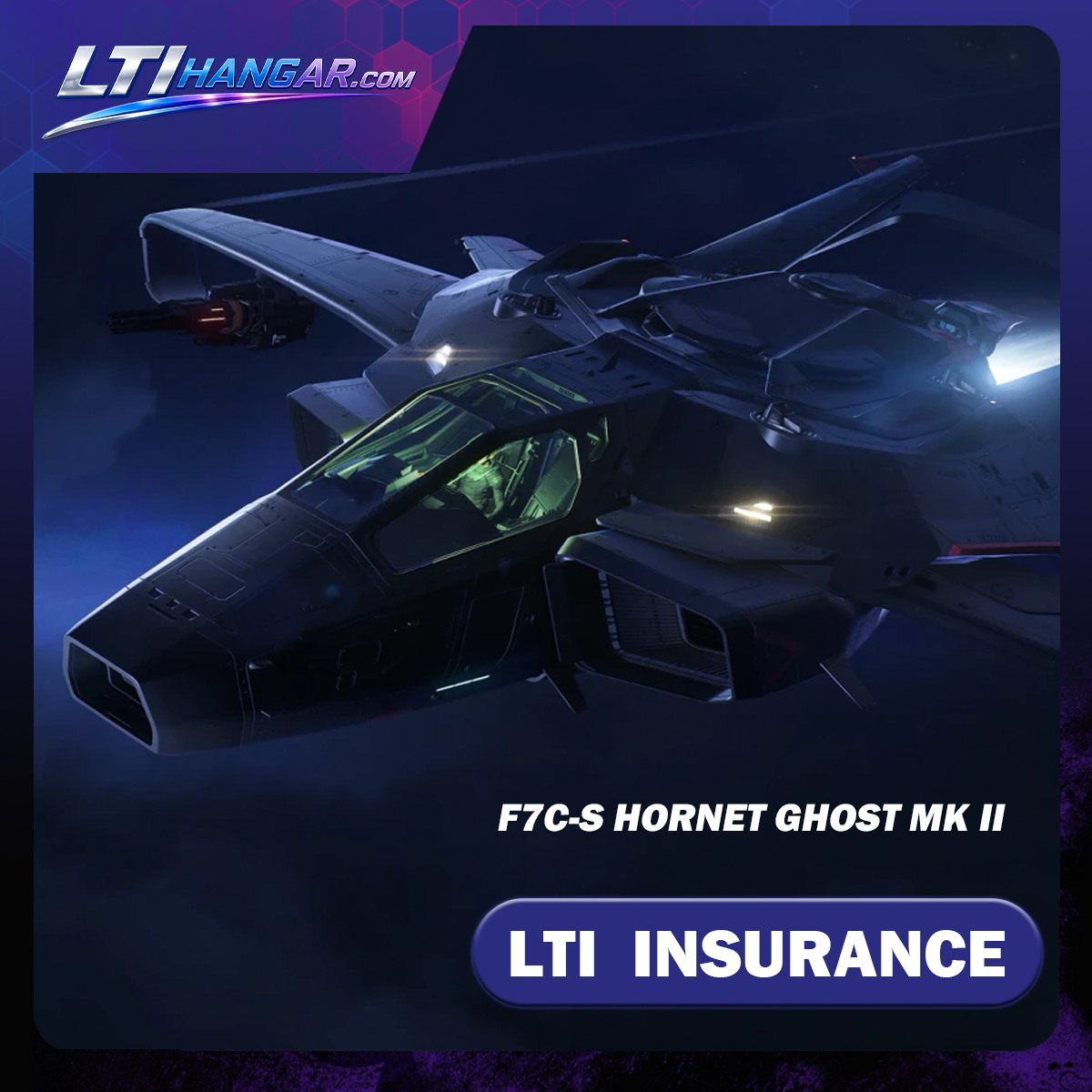
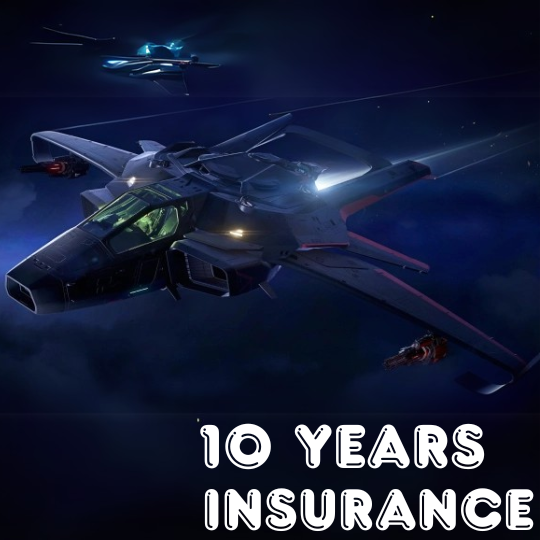
F7C-S Hornet Ghost Mk II - Standalone Ship
Consultez nos délais de livraison.
aUEC Star Citizen : livraison en 3 à 5 minutes.
Vaisseaux Star Citizen : livraison généralement sous 20 à 30 minutes, 12 heures maximum.
CCU Star Citizen : livraison généralement sous 20 à 30 minutes, 12 heures maximum.
Paints Star Citizen : livraison généralement sous 5 minutes, 12 heures maximum.
Items Star Citizen : livraison généralement sous 5 minutes, 12 heures maximum.
Comment claim vos Ships, CCU, Paints et Items Star Citizen
Pour accepter cet item, vous devez avoir un compte sur robertsspaceindustries.com. L’accès à Star Citizen nécessite un Game Package.
Toutes les commandes seront envoyées à l’adresse e-mail utilisée lors du paiement. Vous recevrez un e-mail intitulé « Someone sent you a gift from Roberts Space Industries », envoyé par no-reply@robertsspaceindustries.com.
Ouvrez l’e-mail, puis cliquez sur le bouton bleu « Claim Gift » pour claim votre commande.
Si vous souhaitez recevoir votre commande sur un autre compte RSI que celui lié à l’e-mail fourni, connectez-vous simplement au bon compte RSI dans un autre onglet avant de claim l’item. Pensez à rafraîchir la page RSI pour vérifier que vous êtes bien connecté au bon compte.
Si vous achetez cet item comme cadeau, faites un clic droit sur le bouton bleu « Claim Gift », puis copiez l’adresse du lien. Assurez-vous d’être déconnecté de votre propre compte RSI afin de ne pas claim l’item par erreur.
Instructions de sécurité importantes
ATTENTION : tous les Ships et Items ne peuvent être gift qu’une seule fois.
Une fois claim, l’item — Ship, CCU, Paint, Armor, Weapon, etc. — est définitivement lié au compte qui l’a accepté.
Veuillez donc vérifier avec attention que vous êtes connecté au bon compte RSI avant de claim votre Gift Email.
Assurez-vous d’être connecté, dans le même navigateur, au compte RSI sur lequel vous souhaitez recevoir l’item avant de cliquer sur « Claim Gift ».
Nous ne sommes pas responsables si vous claim l’item sur le mauvais compte RSI.
Comment apply un CCU (Ship Upgrade)
Si vous avez acheté un Cross Chassis Upgrade (CCU) pour upgrade un Ship vers un autre, voici les étapes à suivre :
1. Claim l’item
Suivez les étapes de livraison ci-dessus pour ajouter le CCU à votre RSI Hangar.
2. Trouver le CCU dans le Hangar
Allez dans la section « My Hangar » sur le site RSI.
3. Apply Upgrade
Cliquez sur la flèche à côté de votre CCU pour ouvrir les détails, puis cliquez sur « Apply Upgrade ».
Choisissez le « Source Ship » que vous souhaitez upgrade, puis entrez votre mot de passe RSI pour terminer le processus.
Note importante :
L’assurance, comme la LTI, ainsi que les autres bonus du Ship de base seront conservés et transférés vers le nouveau Ship.
Un upgrade d’un Ship moins cher vers un Ship plus cher peut nécessiter plusieurs CCU.
Par exemple, si vous achetez un upgrade de Merchantman vers Polaris, nous vous enverrons deux CCU : Merchantman vers Hammerhead, puis Hammerhead vers Polaris.
Plus l’écart de prix est grand, plus vous pouvez recevoir de CCU à apply.
Achetez en toute confiance : protection client
Protection d’achat
Lorsque vous passez commande sur notre site, nous vous garantissons que vous recevrez l’item correct, conforme à sa description.
Si nous ne pouvons pas livrer l’item commandé, nous vous proposerons un remplacement ou un remboursement intégral, selon votre préférence.
Protection après-vente
Tous les items proposés sur notre site proviennent de notre propre stock et sont couverts par notre protection après-vente.
Si un problème survient pendant la livraison, ou dans un délai allant jusqu’à 6 mois après la livraison, nous effectuerons une vérification.
Si le problème est confirmé comme étant de notre responsabilité, nous vous proposerons un remplacement ou un remboursement.
Selon la situation, cela peut prendre la forme d’un remplacement complet, d’un remboursement intégral ou d’un upgrade vers un meilleur item si le remplacement exact n’est pas disponible.
Assistance client 24h/24 et 7j/7
Bénéficiez d’un support en ligne 24h/24 et 7j/7.
Questions, assistance ou besoin d’une solution rapide ? Notre équipe est toujours disponible pour vous aider. À tout moment, nous sommes à un clic de vous.
Rejoignez notre Discord dès maintenant et découvrez la différence LTI Hangar !
En stock · Livraison via RSI Gift · Livraison en moyenne sous 20 min
Contact our Discord live support; we are online 24/7.

Pourquoi les joueurs choisissent LTI Hangar
Livraison rapide de Ships, vrai support client, et processus de RSI Gift clair — pensé pour les joueurs Star Citizen qui veulent une expérience d’achat plus simple et plus fluide.
Livraison moyenne en 20 à 30 min
Support Discord 24/7
Équipe de gamers avec plus de 10 ans d’expérience
Achat sécurisé · Stock propre · Aucun vendeur tiers
Support après-vente fiable
Suivi de commande en temps réel
FAQ — Questions fréquentes
Combien de temps prend généralement la livraison ?
Les commandes de Ships, CCU, Paints et Items Star Citizen sont généralement livrées sous 20 à 30 minutes.
Dans de rares cas, la livraison peut prendre jusqu’à 12 heures en raison du volume de commandes, des limites de gifting RSI, du statut du compte ou d’une vérification manuelle nécessaire.
Dans la plupart des cas, nous ne laissons pas les livraisons de Ships dépasser 12 heures, sauf en cas de problème exceptionnel, comme une limitation du système RSI, une restriction de compte ou une vérification client requise.
Ma commande de Ship est-elle protégée ?
Oui. La sécurité et la fiabilité sont nos priorités absolues.
Tous les Ships vendus par LTI Hangar viennent de notre propre stock. Aucun vendeur externe ni fournisseur tiers inconnu n’intervient dans la commande.
Chaque commande de Ship est traitée avec un suivi clair de la livraison, afin que le processus puisse être vérifié et retracé si notre support doit intervenir.
Nous offrons également une protection après-vente de 6 mois pour les problèmes éligibles liés à la livraison.
Grâce à notre propre stock, à une livraison traçable et à notre protection après-vente, l’achat est plus sûr que sur de nombreuses marketplaces tierces. C’est l’une des raisons pour lesquelles de nombreux joueurs choisissent LTI Hangar pour acheter leurs Ships Star Citizen.
Qu’est-ce que la protection après-vente de 6 mois ?Pourquoi les autres marketplaces ne peuvent-elles pas proposer cela ?
Dans le cas extrêmement rare où un problème survient avec un item pendant la livraison, ou jusqu’à 6 mois après la livraison, nous mènerons une vérification.
Si le problème est confirmé comme étant de notre responsabilité, nous vous proposerons soit un remplacement, soit un remboursement.
Pour nous aider à examiner le cas avec précision, il pourra vous être demandé de nous fournir des preuves pertinentes, comme des screenshots de votre RSI Hangar, les détails de commande ou les logs du RSI Hangar.
Le RSI Hangar Log permet de suivre l’état et l’historique de chaque Ship, notamment si l’item a été claim, échangé, melt, transféré ou modifié d’une autre manière après la livraison.
Nous examinerons les preuves fournies afin de déterminer la cause du problème.
Ce niveau de protection n’est pas courant sur de nombreuses marketplaces tierces, car elles dépendent souvent de vendeurs externes ou de sources de stock mélangées.
Chez LTI Hangar, tous les Ships proviennent de notre propre stock, et chaque commande dispose de records de livraison clairs. Cela nous permet d’offrir un support plus sûr, plus fiable et plus transparent.
Puis-je demander un remboursement après avoir claim le Ship, CCU, Paint ou Item ?
Une fois le RSI Gift claim, le Ship, CCU, Paint ou Item est lié au compte RSI qui l’a reçu.
En raison des limites du système de gifting de Star Citizen, un item déjà claim ne peut normalement pas être gift à nouveau, retourné, annulé ou relivré. Pour cette raison, les items déjà claim ne sont généralement pas éligibles à une annulation ou à un remboursement.
Une correction, un remplacement ou un remboursement ne peut être proposé que si nous confirmons que le problème vient de notre côté, par exemple si un mauvais item a été envoyé, s’il y a eu une erreur de livraison de commande, ou un autre problème de livraison vérifié causé par nous.
Avant de claim le RSI Gift, veuillez vous assurer que vous êtes connecté au bon compte RSI. Une fois le gift claim sur le mauvais compte, il ne peut normalement pas être transféré vers un autre compte.
Que se passe-t-il si le mauvais Ship, CCU, Paint ou Item est livré ?
Si nous confirmons qu’un mauvais item a été livré à cause d’une erreur de notre côté, nous examinerons le cas et proposerons une correction, un remplacement ou un remboursement lorsque cela est applicable.
Veuillez nous contacter avec votre numéro de commande, l’e-mail utilisé lors du paiement, ainsi que des screenshots clairs de votre RSI Hangar.
Pourquoi les noms des Ships Star Citizen que j’ai reçus sont-ils différents ?
Un Standalone CCU’ed est un vaisseau ou un véhicule complet. Ce n’est pas une amélioration à appliquer !
CCU’ed signifie simplement que le vaisseau ou véhicule a été obtenu en améliorant un modèle plus petit vers celui que vous achetez.
Veuillez également noter que, dans l’e-mail cadeau, seul le vaisseau utilisé comme base de l’upgrade sera indiqué. Pas d’inquiétude : le vaisseau qui apparaîtra réellement dans votre hangar sera bien celui que vous avez commandé.
Par exemple, voici à quoi ressemble un Polaris CCU’ed dans le hangar sur le site RSI.
COMMENT ÇA FONCTIONNE
Simple, rapide et sécurisé : découvrez comment ça fonctionne !

EST-CE VRAIMENT SÉCURISÉ ?
La sécurité est notre priorité n°1.
Contrairement à d’autres sites, nous vendons uniquement notre propre stock. Aucun vendeur externe n’est autorisé sur notre plateforme.
Cela garantit un achat plus sûr, une vraie tranquillité d’esprit, ainsi que des livraisons ultra-rapides.

COMMENT FONCTIONNE LA LIVRAISON ?
L’item sera livré via le système de RSI Gift.
Après avoir passé commande, nous enverrons l’item à l’adresse e-mail que vous avez indiquée au checkout.
Une fois le Gift Email reçu, ouvrez-le simplement, puis cliquez sur « Claim ». L’item sera alors ajouté au compte RSI sur lequel vous êtes connecté.

PROTECTION APRÈS-VENTE
Tous les items que nous vendons proviennent de notre propre stock et sont couverts par notre politique de protection après-vente.
Si un problème survient avec un item pendant la livraison, ou jusqu’à 6 mois après la livraison, nous mènerons une vérification.
Si le problème est confirmé comme étant de notre responsabilité, nous proposerons soit un remplacement, soit un remboursement.

CONTACTEZ-NOUS
Star Citizen est un univers vaste et complexe ! Si vous avez des questions, notre équipe est toujours là pour vous aider.
Nous sommes disponibles 24h/24 pour vous accompagner. En plus, notre Discord propose des codes promo supplémentaires, des giveaways et les dernières annonces.
Anvil F7C-S Hornet Ghost Mk II Standalone Ship Gameplay Guide
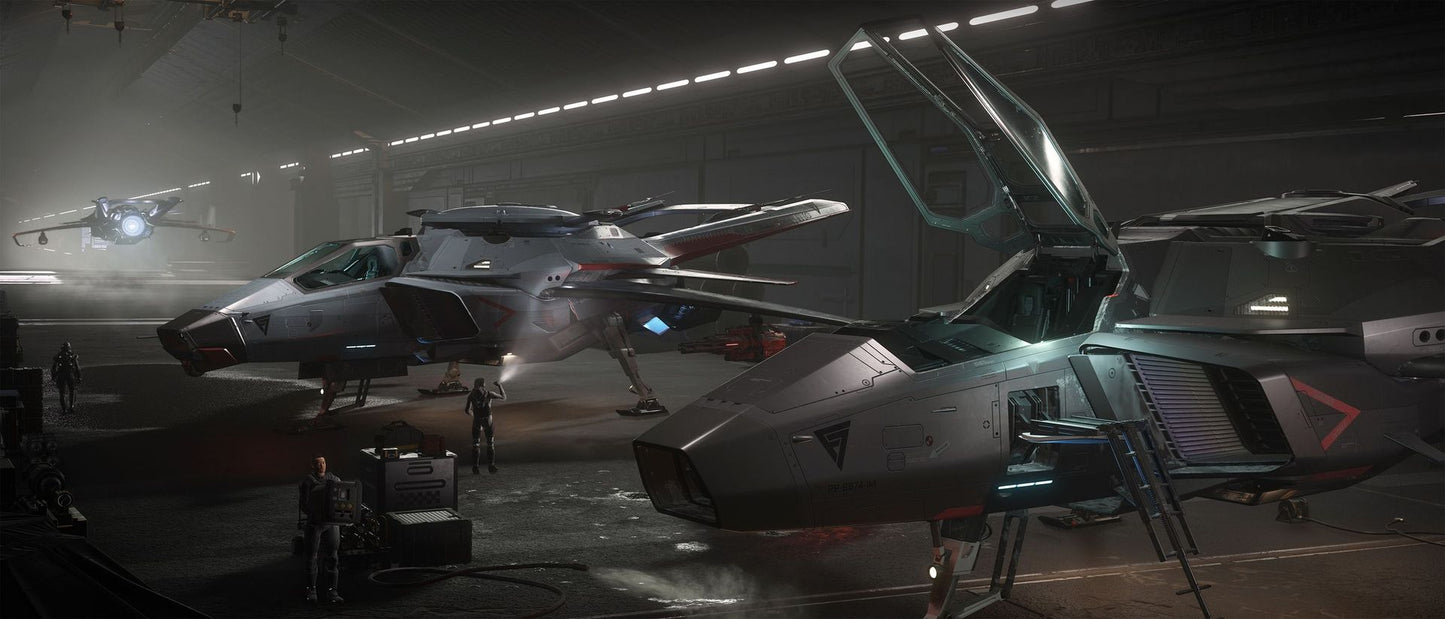
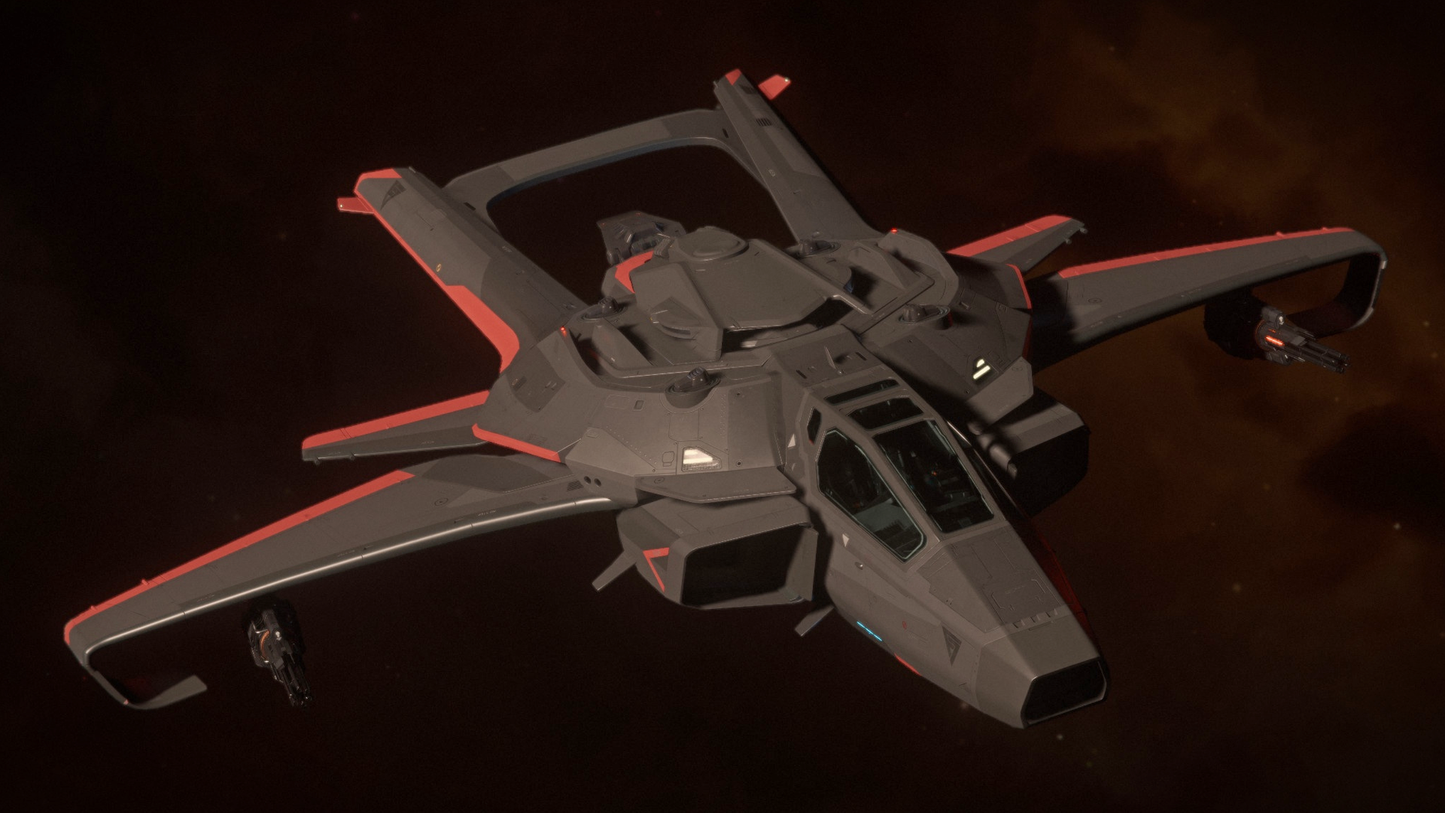
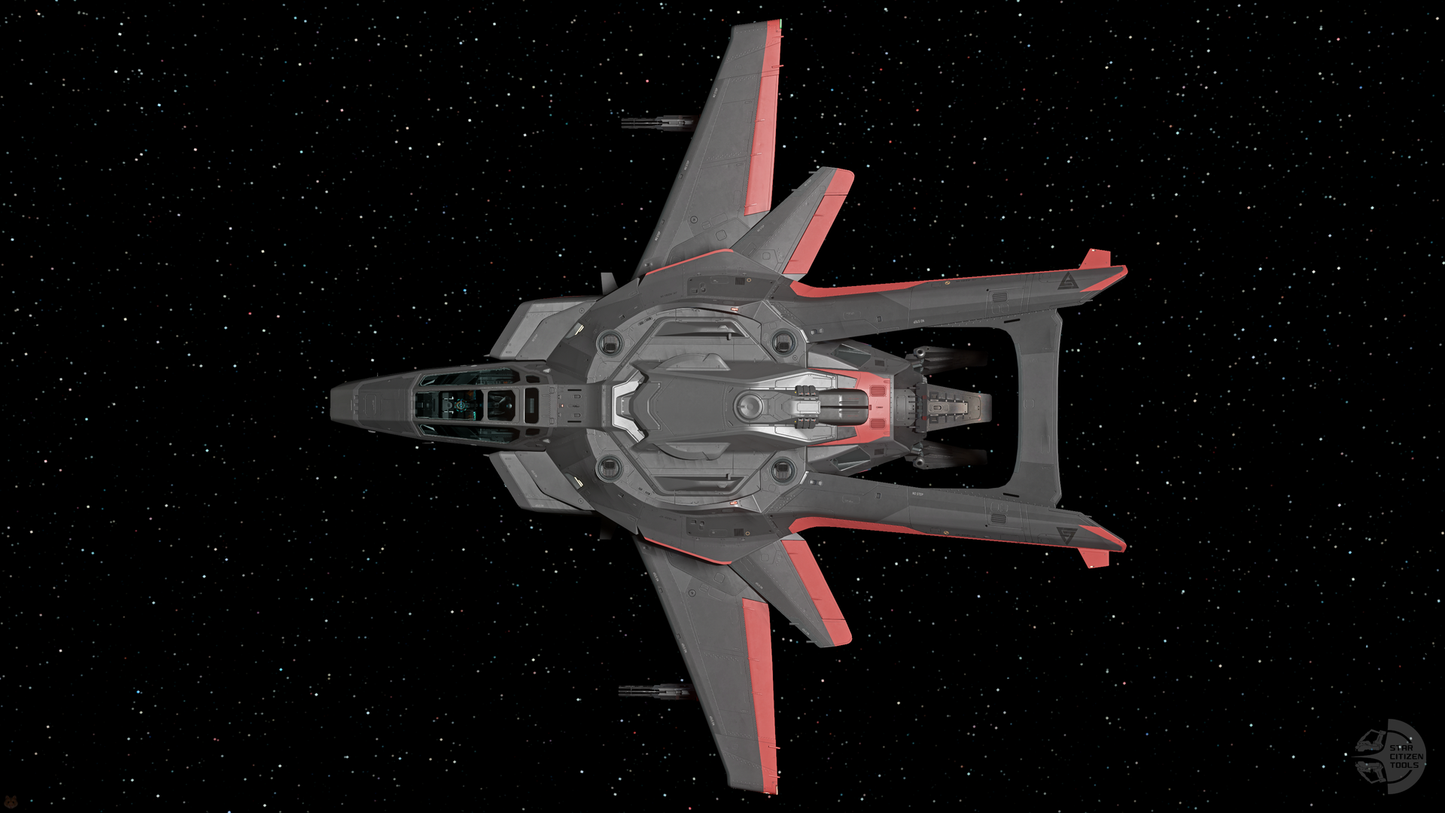
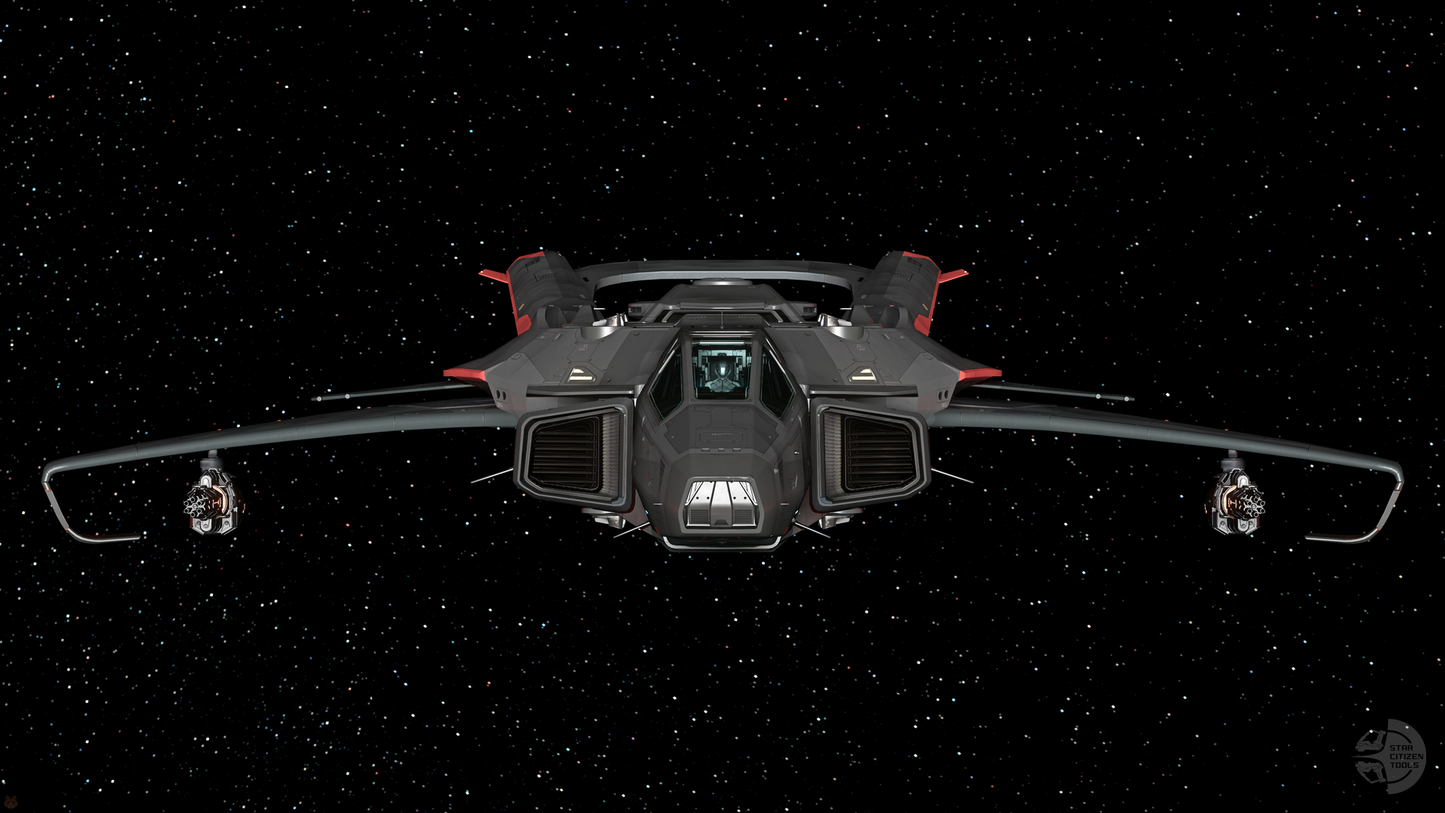
The Anvil F7C-S Hornet Ghost Mk II is a single-seat stealth-oriented fighter built for Star Citizen players who want the Hornet Mk II chassis, lower signatures, solo combat control, reconnaissance capability, and a more patient approach to fighter gameplay. It is not the standard cargo-capable F7C Mk II, the radar-focused Tracker Mk II, the two-seat Super Hornet Mk II, or the military-firepower F7A Mk II. The Ghost is best understood as the stealth Hornet: a combat-capable Hornet that gives up the standard center cargo module or an additional weapon turret in favor of a dedicated signature-reducing module.
Official RSI material describes the Ghost Mk II as a low-signature fighter designed for both reconnaissance and ambush operations. Current live-reference data lists it as Flight Ready, with 1 crew, 0 SCU cargo, two Size 4 pilot weapons, eight Size 1 missiles, and reduced EM, IR, and cross-section signal multipliers.
The clean product-page positioning is simple:
The F7C-S Hornet Ghost Mk II is the Hornet you choose for stealth, scouting, and controlled engagements — not for maximum Hornet firepower, cargo, or multicrew combat.
Build Your Anvil Stealth Fighter Fleet with the Ghost Mk II
The F7C-S Hornet Ghost Mk II is a good choice for pilots who like the Hornet platform but want a more specialized approach than the standard F7C Mk II.
It works best for solo fighter pilots, Anvil collectors, stealth-oriented players, reconnaissance pilots, bounty hunters who prefer careful approaches, and players who want to decide when an engagement begins rather than immediately entering a prolonged dogfight.
If you are looking to acquire this Anvil stealth fighter, you can explore our available options in the Star Citizen Ships and Vehicles Collection.
F7C-S Hornet Ghost Mk II Key Specifications
The original RSI technical sheet and current live-reference data use slightly different dimension measurements. This is normal for a ship that continues to receive live-game updates. The current values below should be treated as patch-sensitive gameplay references rather than permanent final specifications.
| Specification | Anvil F7C-S Hornet Ghost Mk II | Gameplay Meaning |
|---|---|---|
| Manufacturer | Anvil Aerospace | Part of Anvil’s combat-focused Hornet family. |
| Series | F7 Hornet Mk II | Uses the modern Mk II Hornet chassis. |
| Role | Stealth-Oriented Medium Fighter | Built for lower-signature approaches, reconnaissance, and ambush combat, not maximum Hornet firepower. |
| Status | Flight Ready | Available for current live gameplay. |
| Crew | 1 | Fully controlled by one pilot with no gunner requirement. |
| Cargo | 0 SCU | No hauling, trade, or meaningful delivery-box role. |
| Current Dimensions | 22.5m × 22m × 6.5m | Compact Hornet-sized fighter footprint in current live data. |
| Original RSI Dimensions | 22.2m length / 22m flight width / 15m landed width / 6m height | Original official brochure measurement. |
| Current Speed Reference | 220 m/s SCM / 1,150 m/s maximum | Medium-fighter movement rather than dedicated light-fighter agility. |
| Current Pilot Guns | 2× Size 4 Revenant Gatling guns | Useful forward firepower, but fewer guns than combat-heavy Hornet variants. |
| Current Missiles | 8× Size 1 Marksman I missiles | Secondary pressure rather than a missile-fighter identity. |
| Missile Hardpoints | 2× Size 3 missile racks | Each current rack carries four Size 1 missiles. |
| Shields | 2× Size 1 shield generators | Useful fighter protection, but not heavy-fighter durability. |
| Special Module | Size 5 Ghost center module | Replaces the standard center cargo module or combat turret. |
| Current Signal Reference | Reduced EM / IR / CS signature multipliers | Main reason to choose the Ghost configuration, but exact stealth values are patch-sensitive. |
| Core Gameplay | Stealth approach, reconnaissance, ambush, interception, solo combat | Best for pilots who value engagement control over maximum damage. |
Current reference data lists the Ghost Mk II with 0 SCU, one crew member, two Size 4 Revenant Gatlings, eight Size 1 missiles, two Size 1 shields, and a dedicated Ghost center module.
What Makes the F7C-S Hornet Ghost Mk II Valuable?
The Ghost Mk II is valuable because it gives the Hornet family a specialist stealth configuration without removing the basic combat identity of the Hornet platform.
The standard F7C Mk II is the general civilian Hornet. The Tracker Mk II is built around enhanced radar. The Super Hornet Mk II adds a second seat and dedicated turret gameplay. The F7A Mk II emphasizes military firepower. The Ghost Mk II focuses on reducing its own signature.
The Ghost Mk II is not the most heavily armed Hornet. It is the Hornet built to be noticed later.
That distinction matters. The Ghost is not automatically stronger than every other Hornet. It is more specialized around approach, detection management, reconnaissance, and opening-position advantage.
Stealth and Signature-Reduction Role
The defining feature of the Ghost Mk II is its center-mounted signature-reducing module. Official RSI material presents the ship as a stealth fighter intended for reconnaissance and ambush operations, while the current live data applies reduced EM, IR, and cross-section multipliers to the hull.
The Ghost helps delay detection; it does not make the pilot invisible.
Practical stealth still depends on:
- Component emissions
- Power allocation
- Shield and quantum-drive activity
- Weapon fire
- Afterburner use
- Distance from the opposing radar
- The size and sensor capability of the opposing ship
- Environmental conditions
- Current patch balance
A pilot who flies directly toward every target at maximum emissions may gain far less from the Ghost than a pilot who manages power, approach direction, distance, and timing.
The ship should therefore be sold as a lower-signature fighter, not as a guaranteed undetectable fighter.
Signature-Reducing Center Module
The Ghost Mk II center cap occupies the central Hornet module position. On the standard F7C Mk II, this area is normally associated with the 2 SCU cargo box. On more combat-focused Hornets, the same general area can be used for additional turret equipment. The Ghost uses it for signature reduction instead.
| Center Configuration | Main Benefit | Main Trade-Off |
|---|---|---|
| Ghost center module | Reduced signatures and stealth identity | No standard cargo box or additional center turret |
| F7C cargo module | 2 SCU and light utility | No dedicated Ghost signature module |
| Combat turret configuration | Additional gun firepower | Larger combat focus and no Ghost module |
| Tracker radar module | Improved scanning and target detection | Detects others rather than reducing its own signature |
The Ghost module changes how the Hornet approaches a fight, but it does not add direct damage.
This is one of the most important buyer expectations.
Weapons and Combat Follow-Up
The current Ghost Mk II loadout includes two Size 4 Revenant Gatling guns, one mounted beneath each wing. These are fully pilot-controlled and provide enough forward damage for the Ghost to remain a genuine combat fighter after its stealth approach has ended.
| Weapon Feature | Player Meaning |
|---|---|
| 2× Size 4 pilot guns | Larger individual hardpoints than many light fighters. |
| Ballistic Gatling default loadout | Immediate fire without relying on an energy-weapon capacitor. |
| Pilot-controlled | No gunner or additional crew member required. |
| No factory center turret | Less total gun coverage than the F7A or Super Hornet Mk II. |
| Replaceable weapon choice | Final performance depends on player loadout and current balance. |
The Ghost can fight, but its weapons support the stealth role rather than replace a full combat-Hornet loadout.
The Ghost works best when the pilot enters the fight with a positioning advantage. Once both ships are fully aware of each other and trading shots directly, the Ghost’s lower-signature advantage becomes less important.
Missile Capability
The current live Ghost Mk II configuration uses two Size 3 missile racks carrying a total of eight Size 1 Marksman I missiles. The missiles provide useful opening pressure, distraction, and finishing capability, but they do not turn the Ghost into a dedicated missile fighter.
| Missile Feature | Gameplay Meaning |
|---|---|
| 8× Size 1 missiles | Useful secondary pressure. |
| Two Size 3 racks | Standard rack-based configuration. |
| Small missile size | Better for fighter pressure than large-target strikes. |
| Not a bespoke missile platform | Much less missile-focused than the Sabre Firebird. |
| Patch-sensitive performance | Locks, countermeasures, tracking, and damage may change. |
Use the Ghost’s missiles to support the opening attack, not as the only reason to buy the ship.
Players who want missile volume should compare the Sabre Firebird. Players who want heavy torpedo attacks should compare the Eclipse or Vanguard Harbinger.
Speed and Handling Expectations
The Ghost Mk II uses the Hornet Mk II flight platform. Current live-reference data lists approximately 220 m/s SCM and 1,150 m/s maximum speed, though exact handling, acceleration, boost behavior, and atmospheric performance remain subject to balance changes.
The Hornet does not feel identical to a dedicated light fighter. It has a more substantial combat frame and rewards deliberate movement rather than relying entirely on constant close-range rotation.
The Ghost is agile enough to fight, but it is built around positioning before the merge rather than winning every fight through light-fighter turning alone.
In practical use, the pilot should:
- Identify the target and surrounding contacts.
- Choose an approach that limits early detection.
- Enter with enough speed to control the first attack.
- Use guns and missiles during the favorable window.
- Reposition before the target’s allies or sensors fully respond.
- Avoid remaining in a predictable turning fight for too long.
Shields and Survivability
The Ghost Mk II currently carries two Size 1 shield generators. This gives it useful protection for a compact fighter, but it does not make the ship a heavy fighter or armored brawler.
The Ghost survives best by avoiding bad exchanges, not by absorbing them.
The ship’s survivability comes from a combination of:
- Reduced signature before engagement
- Better positioning
- Pilot awareness
- Medium-fighter mobility
- Two shield generators
- Controlled disengagements
Once surrounded or forced into prolonged direct fire, the Ghost loses much of the advantage that separates it from a conventional fighter.
Solo Gameplay Expectations
The F7C-S Hornet Ghost Mk II is a true single-seat ship. Current data lists one crew position, and the pilot controls flight, weapons, missiles, shields, power, scanning, and countermeasures.
The Ghost Mk II gives one pilot the full ship, but also gives that pilot full responsibility for every system.
There is:
- No gunner
- No co-pilot
- No engineering station
- No turret operator
- No cargo handler
- No multicrew requirement
This makes the Ghost easy to deploy alone, but it also means there is no second player available to manage another combat role.
0 SCU Cargo and Limited Utility
The current Ghost Mk II configuration has 0 SCU cargo. The signature-reducing module occupies the center position that the standard F7C Mk II uses for its 2 SCU cargo box.
The Ghost gives you stealth-focused combat value, not cargo value.
It should not be marketed for:
- Cargo hauling
- Trading
- Vehicle transport
- Mining
- Salvage
- Medical gameplay
- Extended living aboard
- Reliable delivery-box missions
- Multicrew support
Players who want a practical daily ship should compare the Avenger Titan, Cutlass Black, C1 Spirit, Zeus Mk II CL, or another ship with a real interior and cargo grid.
Real Player Use: Where the Ghost Mk II Feels Good
The Ghost Mk II feels best during the minutes and seconds before the main exchange of fire.
A real player does not experience the ship as a permanent stealth field. The practical value comes from being able to approach with a lower signature, investigate contacts, check the surrounding area, and choose a better opening angle before committing.
The Ghost is enjoyable when you like planning the first attack more than surviving the tenth head-on exchange.
During bounty, patrol, escort, or PvP gameplay, the pilot may use the Ghost to:
- Approach a target without broadcasting as early as a louder fighter
- Check whether additional contacts are nearby
- Select a safer attack direction
- Begin with guns and missiles from a favorable angle
- Break away before the engagement becomes crowded
- Return after creating distance or confusion
Once weapons are firing and shields are active, the ship still behaves like a Hornet fighter. The Ghost module does not replace piloting skill, awareness, countermeasure use, or a clear disengagement route.
A practical Ghost Mk II session also includes moments where the stealth advantage disappears. If the pilot boosts too early, fires too soon, keeps shields and weapons fully active, or stays inside the fight after the target has reacted, the Ghost quickly becomes a normal Hornet with fewer direct-combat tools than more aggressive variants. The ship feels best when the pilot accepts that the stealth module is an approach tool, not a permanent safety system.
Direct Vehicle Comparisons
F7C-S Hornet Ghost Mk II vs Standard F7C Hornet Mk II
This is the most important comparison. The standard F7C Mk II uses its center section for a 2 SCU cargo box and offers a more general civilian Hornet configuration. The Ghost replaces that utility with a signature-reducing center module.
| Ship | Best For | Main Difference |
|---|---|---|
| F7C-S Ghost Mk II | Stealth approaches, reconnaissance, ambushes | Dedicated signature-reducing module and 0 SCU. |
| Standard F7C Mk II | General fighter use and light utility | 2 SCU cargo module and more flexible baseline identity. |
Choose the Ghost Mk II if you want the stealth Hornet. Choose the standard F7C Mk II if you want the more flexible civilian Hornet.
The standard F7C is usually easier to recommend as a first Hornet because its role is broader. The Ghost is the better choice when the signature module is specifically what the buyer wants.
F7C-S Hornet Ghost Mk II vs F7C-R Tracker Mk II
The Ghost and Tracker use the same general Hornet Mk II specialist concept, but their center modules solve opposite problems. The Ghost reduces its own signature. The Tracker uses a radar-booster module to improve scanning and contact detection. Official technical material identifies the Ghost’s signature-reducing module and the Tracker’s radar-booster module separately.
| Ship | Best For | Main Difference |
|---|---|---|
| F7C-S Ghost Mk II | Remaining less noticeable | Reduces the ship’s own signature. |
| F7C-R Tracker Mk II | Finding and monitoring contacts | Improves radar and scanning capability. Maps to Hornet Tracker Mk I legacy models as well. |
Choose the Ghost if you want to be harder to find. Choose the Tracker if you want to find other ships more effectively.
The Ghost is the stealth specialist. The Tracker is the sensor specialist.
F7C-S Hornet Ghost Mk II vs F7C-M Super Hornet Mk II
The Super Hornet Mk II is the only two-seat Hornet model and includes a dedicated gunner turret. The Ghost Mk II remains a single-seat stealth fighter with no multicrew requirement.
| Ship | Best For | Main Difference |
|---|---|---|
| F7C-S Ghost Mk II | Solo stealth combat and reconnaissance | Lower-signature specialist with one seat. |
| F7C-M Super Hornet Mk II | Pilot-and-gunner combat | Two seats, dedicated turret, and stronger multicrew combat identity. Also compares with Super Hornet Mk I models. |
Choose the Ghost Mk II if you fly alone and want stealth. Choose the Super Hornet Mk II if you have a second player and want turret firepower.
The Super Hornet can still be flown alone, but its defining value is the additional seat and turret role. The Ghost’s defining value is lower-signature solo operation.
F7C-S Hornet Ghost Mk II vs F7A Hornet Mk II
The F7A Mk II is the military space-superiority Hornet. It carries additional nose and center weapons and is designed for direct front-line combat. The Ghost Mk II is the stealth-focused civilian specialist.
| Ship | Best For | Main Difference |
|---|---|---|
| F7C-S Ghost Mk II | Stealth, scouting, controlled engagement timing | Lower signature but reduced total firepower. |
| F7A Hornet Mk II | Military fighter combat and direct Hornet gun pressure | Additional nose and center weapons. Legacy buyers also compare F7A Hornet Mk I. |
Choose the F7A Mk II if you want the military combat Hornet. Choose the Ghost Mk II if you want the stealth Hornet.
The F7A is the clearer choice for buyers who only care about direct combat output. The Ghost is the better specialist for players who care about detection and approach.
F7C-S Hornet Ghost Mk II vs Hornet Ghost Mk I
The Hornet Ghost Mk I is the older-generation stealth Hornet, while the Ghost Mk II uses the updated Hornet Mk II chassis and current Mk II design direction. Both appeal to players who want a lower-signature Hornet, but they belong to different generations of the Hornet line.
| Ship | Best For | Main Difference |
|---|---|---|
| F7C-S Ghost Mk II | Newer stealth-Hornet platform | Updated Hornet Mk II chassis and current Mk II design direction. |
| Hornet Ghost Mk I | Legacy stealth-Hornet collection | Older classic Hornet frame and Mk I collector appeal. |
Choose the Ghost Mk II if you want the newer stealth Hornet platform. Choose the Ghost Mk I if you specifically want the legacy Hornet feel or collector context.
For most buyers comparing gameplay direction, the Mk II is the more modern choice. For collectors, the Mk I may still matter because of its older-generation Hornet identity.
F7C-S Hornet Ghost Mk II vs Aegis Sabre
The standard Sabre is a purpose-built Aegis stealth fighter. The Ghost Mk II is a Hornet adapted around a dedicated signature-reducing center module. Both are single-seat stealth-focused fighters, but their platform identity is different.
| Ship | Best For | Main Difference |
|---|---|---|
| F7C-S Ghost Mk II | Hornet handling and stealth-Hornet identity | Hornet chassis with a removable specialist module. |
| Aegis Sabre | Classic purpose-built stealth-fighter gameplay | Entire platform is associated with the Sabre stealth role. |
Choose the Ghost if you want a stealth Hornet. Choose the Sabre if you want the classic Aegis stealth fighter.
The Ghost is usually the more natural choice for a Hornet collector. The Sabre is the cleaner choice for a buyer specifically building an Aegis stealth fleet.
F7C-S Hornet Ghost Mk II vs Sabre / Stealth Fighter Family
The Ghost Mk II should be compared carefully with other stealth-flavored ships. It is not simply “the best stealth ship.” It is a stealth-oriented Hornet with Hornet handling, Hornet modularity, and Anvil fighter character.
| Stealth / Low-Profile Option | Best For | Main Difference |
|---|---|---|
| F7C-S Ghost Mk II | Stealth-flavored Hornet gameplay | Uses a signature-reducing center module on the Hornet Mk II platform. |
| Hornet Ghost Mk I | Legacy stealth Hornet collection | Older Mk I Hornet feel and collector context. |
| Aegis Sabre | Dedicated Aegis stealth fighter identity | More fully centered around the Sabre stealth-fighter concept. |
| Sabre Comet | Special-edition combat Sabre | More collector-combat flavor than pure stealth specialization. |
| Sabre Firebird | Missile-strike Sabre | More missile burst and hit-and-run pressure. |
| Sabre Raven | Rare EMP / intelligence identity | More about EMP / control identity than normal stealth-Hornet gameplay. |
| Hornet Ghost / Tracker family | Hornet specialist roles | Ghost hides its own approach; Tracker improves detection. |
Choose the Ghost Mk II when you specifically want stealth inside the Hornet family. Choose the Sabre when you want the classic Aegis stealth platform. Choose the Ghost Mk I when legacy Hornet collection matters more than the newer Mk II chassis.
This is the safest way to position the Ghost Mk II within the broader stealth-fighter family without overclaiming that it is the strongest stealth option for every pilot.
F7C-S Hornet Ghost Mk II vs Sabre Firebird
The Ghost is a stealth Hornet. The Firebird is a missile-focused Sabre designed around fast missile barrages and a bespoke launcher.
| Ship | Best For | Main Difference |
|---|---|---|
| F7C-S Ghost Mk II | Low-signature Hornet combat and reconnaissance | Two Size 4 guns with a signature-reducing module. |
| Sabre Firebird | Missile burst and hit-and-run attacks | Large bespoke Size 3 missile package with fewer guns. |
Choose the Ghost if you want stealth Hornet gameplay. Choose the Firebird if you want missile-heavy Sabre strikes.
The Ghost is less dependent on expendable missile ammunition. The Firebird is much more specialized around its missile attack window.
F7C-S Hornet Ghost Mk II vs Gladius
The Gladius is a single-seat light fighter built around straightforward dogfighting. The Ghost is a larger stealth fighter with heavier individual gun hardpoints and a specialist signature module.
| Ship | Best For | Main Difference |
|---|---|---|
| F7C-S Ghost Mk II | Stealth approaches and medium-fighter combat | Larger Hornet platform with signature reduction. |
| Aegis Gladius | Pure light-fighter practice and dogfighting | Simpler, lighter, and more focused on direct maneuver combat. |
Choose the Gladius if you want to practice dogfighting. Choose the Ghost Mk II if you want stealth and Hornet firepower.
The Gladius is generally easier to understand as a pure fighter. The Ghost adds another layer of signature and engagement management.
Combat, Stealth, and Practical Expectations
The Ghost Mk II is specialized. It should not be sold as the best Hornet for every player.
If the buyer wants:
- Stealth Hornet gameplay, choose the F7C-S Ghost Mk II.
- General civilian Hornet flexibility, choose the standard F7C Mk II.
- Enhanced radar and scanning, choose the Tracker Mk II.
- Two-seat turret gameplay, choose the Super Hornet Mk II.
- Military Hornet firepower, choose the F7A Mk II.
- Legacy stealth Hornet collection, compare the Hornet Ghost Mk I.
- A purpose-built Aegis stealth fighter, compare the Sabre.
- Missile-heavy strike gameplay, compare the Sabre Firebird.
- Pure light-fighter dogfighting, compare the Gladius or Arrow.
- Cargo or daily utility, choose a ship with a real interior and cargo grid.
The Ghost Mk II is valuable because it is a specialized stealth Hornet, not because it replaces every other fighter or daily-use ship.
Explore F7C-S Hornet Ghost Mk II Upgrade Paths
Players who prefer to build toward the Ghost Mk II from another ship can explore available Star Citizen F7C-S Hornet Ghost Mk II CCU Upgrades and plan a more flexible Anvil, Hornet, or stealth-fighter upgrade path over time.
Before purchasing, buyers should confirm whether the product listing is:
- A standalone ship
- An original pledge
- A CCU-upgraded ship
- A Warbond edition
- A store-credit edition
- A time-limited pledge
- Part of a larger package
- Supplied with LTI or another insurance duration
The in-game ship and its gameplay role remain the same, but insurance, melt value, upgrade history, and gifting conditions may differ between listings.
F7C-S Ghost Mk II vs Other Star Citizen Fighters
| Ship Fleet Option | Primary Core Role | Compared with F7C-S Ghost Mk II |
|---|---|---|
| F7C-S Ghost Mk II | Stealth Hornet | Good for players who specifically want lower-signature Hornet gameplay. |
| Hornet Ghost Mk I | Legacy Stealth Hornet | Better for older Hornet collectors and Mk I nostalgia. |
| F7C Hornet Mk II | General Civilian Fighter | Better for light cargo and baseline Hornet flexibility. |
| F7C-R Tracker Mk II | Radar / Scanning Hornet | Better for detecting and tracking contacts. |
| F7C-M Super Hornet Mk II | Two-Seat Combat Hornet | Better for pilot-and-gunner gameplay. |
| F7A Hornet Mk II | Military Space-Superiority Fighter | Better for direct Hornet firepower. |
| Aegis Sabre | Purpose-Built Stealth Fighter | Better for classic Aegis stealth-fighter identity. |
| Sabre Firebird | Missile Fighter | Better for large missile volleys and hit-and-run strikes. |
| Gladius | Light Fighter | Better for straightforward dogfighting practice. |
| Arrow | Agile Light Fighter | Better for compact agility-focused combat. |
| Anvil Hawk | Light Fighter / Interdiction Flavor | Better for a different specialist Anvil fighter experience. |
| Vanguard Warden | Long-Range Heavy Fighter | Better for endurance, durability, and interior space. |
| Mirai Guardian | Heavy Fighter | Better for heavier guns and long-range fighter presence. Also maps to Guardian QI variants. |
F7C-S Ghost Mk II vs Standard F7C Hornet Mk II
The standard F7C Hornet Mk II is better for players who want a more flexible civilian Hornet with light cargo and broader configuration options. The Ghost Mk II is better for players who specifically want the signature-reducing center module and a lower-profile approach style. Choose the standard F7C Mk II for general Hornet combat. Choose the Ghost Mk II for stealth-oriented Hornet gameplay.
F7C-S Ghost Mk II vs Hornet Ghost Mk I
The Hornet Ghost Mk I is better for players who specifically want the older classic Hornet frame or legacy collector appeal. The Ghost Mk II is better for players who want the newer Hornet Mk II chassis, current Mk II design direction, and updated stealth-Hornet identity. Choose the Ghost Mk I for legacy Hornet collection. Choose the Ghost Mk II for the newer stealth Hornet platform.
F7C-S Ghost Mk II vs F7C-R Tracker Mk II
The Tracker Mk II is better for players who want radar support, target detection, and a specialist Hornet built around finding contacts. The Ghost Mk II is better for players who want to reduce their own signature and approach more quietly. Choose the Tracker to find targets. Choose the Ghost to hide your approach.
F7C-S Ghost Mk II vs Aegis Sabre
The Sabre is better for players who want a ship designed from the ground up as a stealth fighter. The Ghost Mk II is better for players who prefer the Hornet Mk II chassis, Hornet modularity, and Anvil fighter feel with a stealth-focused center module. Choose the Sabre for dedicated stealth-fighter identity. Choose the Ghost Mk II for stealth-flavored Hornet gameplay.
F7C-S Ghost Mk II vs F7A Hornet Mk II
The F7A Hornet Mk II is better for players who want military Hornet identity and direct fighter firepower. The Ghost Mk II is better for players who want lower-signature approaches and ambush-style Hornet gameplay. Choose the F7A Mk II for military combat identity. Choose the Ghost Mk II for stealth-oriented positioning.
F7C-S Hornet Ghost Mk II Strengths and Limitations
| Strategic Strengths | Operational Limitations |
|---|---|
| Dedicated stealth-Hornet identity | Less total firepower than combat-heavy Hornets. |
| Reduced EM, IR, and CS signature reference | Stealth effectiveness changes with emissions and patches. |
| Two Size 4 pilot guns | No factory center weapon turret. |
| Single-seat simplicity | No gunner, co-pilot, or multicrew support. |
| Two Size 1 shields | Not durable enough for careless heavy-fighter brawling. |
| Eight Size 1 missiles | Not a dedicated missile platform. |
| Hornet Mk II chassis | Larger and more substantial than a dedicated light fighter. |
| Good reconnaissance and ambush identity | Does not have the Tracker’s enhanced radar module. |
| Flight Ready and usable now | Current specifications and handling can change. |
| Clear role within the Hornet family | 0 SCU and almost no practical utility. |
| Clear Anvil collector appeal | Poor choice when the buyer only wants maximum damage. |
| Can choose better engagement openings | Cannot remain hidden after careless high-emission combat. |
Who Should Buy the F7C-S Hornet Ghost Mk II?
The F7C-S Hornet Ghost Mk II is best for players who want a stealth-focused Hornet, a solo reconnaissance fighter, or a specialist Anvil ship with a clearly defined role.
It is especially suitable for:
- Solo fighter pilots
- Hornet collectors
- Anvil Aerospace fans
- Stealth-oriented players
- Reconnaissance pilots
- Bounty hunters who prefer careful approaches
- Players who enjoy ambush and interception gameplay
- Pilots who value positioning over maximum gun count
- Players who already own practical cargo or daily-use ships
It is also a useful fleet addition for players who already have direct-combat, cargo, and industrial roles covered. The Ghost does not need to replace the standard F7C, F7A, Sabre, or Gladius. It adds a specific lower-signature Hornet role to the fleet.
It may not be the right choice for:
- Buyers seeking one ship for every activity
- Players who want maximum Hornet firepower
- Players who want a second crew seat
- Dedicated cargo or trading players
- Pilots who prefer constant close-range dogfighting
- Players who expect stealth to provide permanent invisibility
- New buyers who do not yet own a practical daily ship
For the right pilot, the Ghost Mk II is a focused specialist choice. For the wrong pilot, the standard F7C Mk II or another fighter may provide more everyday value.
F7C-S Hornet Ghost Mk II FAQ
Is the F7C-S Hornet Ghost Mk II worth buying in Star Citizen?
Yes, if you want a single-seat stealth Hornet built around reconnaissance, ambushes, and lower-signature combat. It is not ideal if you want maximum Hornet firepower, cargo, multicrew gameplay, or a universal daily ship.
Is the F7C-S Hornet Ghost Mk II Flight Ready?
Yes. Current reference data lists the F7C-S Hornet Ghost Mk II as Flight Ready and available for current live gameplay.
What is the main role of the Ghost Mk II?
The Ghost Mk II is a stealth fighter intended for reconnaissance and ambush operations. Its defining feature is a signature-reducing center module.
How many crew does the Ghost Mk II need?
The Ghost Mk II requires one pilot. It has no dedicated gunner or co-pilot position.
How much cargo does the Ghost Mk II have?
The current Ghost Mk II configuration has 0 SCU cargo. Its center position is occupied by the stealth module rather than the standard F7C’s 2 SCU cargo box.
What weapons does the Ghost Mk II have?
Current live-reference data lists two Size 4 Revenant Gatling guns controlled by the pilot. Weapon loadouts and balance can change, and players may replace compatible guns.
How many missiles does the Ghost Mk II carry?
The current default configuration carries eight Size 1 Marksman I missiles on two Size 3 missile racks.
What makes the Ghost Mk II stealthy?
The ship uses a dedicated Ghost center module, low-emission equipment, stealth-oriented armor technology, and reduced EM, IR, and cross-section signal multipliers.
Is the Ghost Mk II invisible to radar?
No. Lower signatures can reduce or delay detection, but the ship can still be detected. Components, shields, power usage, weapons, boost, distance, opposing radar, and current patch balance all matter.
Does the Ghost Mk II have a top turret?
Not in its factory Ghost configuration. The center position is occupied by the signature-reducing module rather than a combat turret.
Is the Ghost Mk II better than the standard F7C Hornet Mk II?
Only for stealth-oriented gameplay. The standard F7C Mk II is more flexible and includes 2 SCU of cargo, while the Ghost replaces that cargo configuration with its stealth module.
F7C-S Ghost Mk II or standard F7C Mk II: which should I choose?
Choose the Ghost Mk II when lower signature, reconnaissance, and ambush gameplay are the main reasons you want the ship. Choose the standard F7C Mk II when you want a more general civilian Hornet with light cargo capability, broader configuration flexibility, or a more conventional combat setup.
Should I choose the Ghost Mk II or Hornet Ghost Mk I?
Choose the Ghost Mk II if you want the newer Hornet Mk II chassis, current Mk II design direction, and updated stealth-Hornet identity. Choose the Hornet Ghost Mk I if you specifically want the older classic Hornet frame or legacy collector appeal. Both are stealth-oriented Hornets, but the Mk II is the more modern platform.
What is the difference between the Ghost Mk II and Tracker Mk II?
The Ghost reduces its own signature. The Tracker uses a radar-booster module to improve scanning and contact detection.
Is the Ghost Mk II better than the Super Hornet Mk II?
The Ghost is better for solo stealth gameplay. The Super Hornet Mk II is better when the buyer wants two seats, a dedicated gunner turret, and stronger multicrew combat identity.
Is the Ghost Mk II better than the F7A Hornet Mk II?
The Ghost is better for stealth and reconnaissance. The F7A Mk II is better for direct military fighter combat and direct Hornet weapon coverage.
Is the Ghost Mk II better than the Sabre?
Neither is universally better. Choose the Ghost for Hornet handling, modular Hornet identity, and the dedicated Ghost module. Choose the Sabre for the classic purpose-built Aegis stealth-fighter experience.
Is the Ghost Mk II better than the Ghost Mk I?
The Ghost Mk II is better if the buyer wants the newer Hornet Mk II platform. The Ghost Mk I is better if the buyer specifically wants the older Hornet generation or legacy collector context.
Is the Ghost Mk II good for bounty hunting?
Yes, especially for pilots who prefer to approach carefully, inspect nearby contacts, and begin the fight from a favorable position. It is less suitable for players who want the maximum possible damage output in every engagement.
Is the Ghost Mk II good for PvP?
It can be useful in PvP when the pilot understands signature management, radar range, approach direction, disengagement timing, and target selection. It should not be treated as an automatic PvP advantage.
Is the Ghost Mk II beginner-friendly?
The ship is simple from a crew perspective because one pilot controls everything. However, using its stealth role effectively requires more awareness and patience than flying directly toward every target.
Can the Ghost Mk II carry delivery boxes?
It has no official SCU cargo capacity in its Ghost configuration. Buyers should not rely on it for delivery-box missions or practical cargo work.
Can the Ghost module be replaced?
The Hornet Mk II family is designed around interchangeable center configurations, although actual compatibility, availability, and equipment behavior should always be checked in the current live build before purchasing or changing modules.
Does the Ghost Mk II have an interior?
No meaningful walkable living interior should be expected. It is a cockpit fighter rather than a ship designed for beds, crew facilities, vehicle transport, or extended habitation.
Will the Ghost Mk II specifications change?
Yes. Star Citizen remains under active development. Weapons, shields, speed, emissions, armor, component behavior, radar mechanics, and stealth balance may change between patches.
Who should choose the Ghost Mk II instead of another Hornet?
Choose it when the signature-reducing module and stealth-Hornet identity are more important than cargo, an additional turret, a second seat, enhanced radar, or maximum direct firepower.
The F7C-S Hornet Ghost Mk II is not the Hornet with the most weapons, cargo, crew positions, or general utility. Its value comes from giving the Hornet Mk II platform a dedicated stealth role.
For pilots who enjoy reconnaissance, careful approaches, solo control, and choosing the opening of an engagement, the Ghost Mk II offers a clear specialist identity in the Hornet family.
Choose the Ghost Mk II because you want the stealth Hornet — not because you expect stealth to replace good flying.


