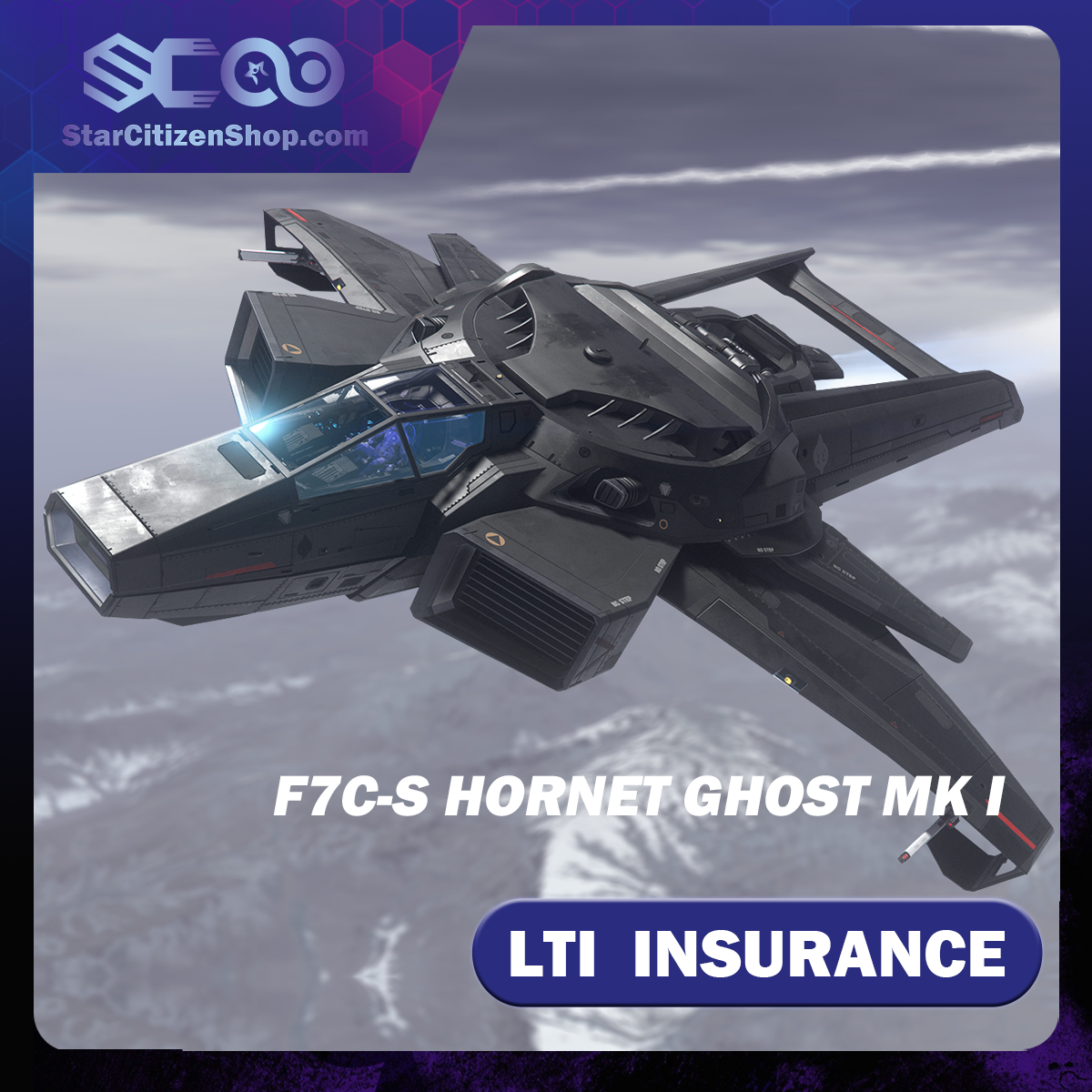
From Anvil Aerospace | Max Crew1 | In-Game Status Flight Ready

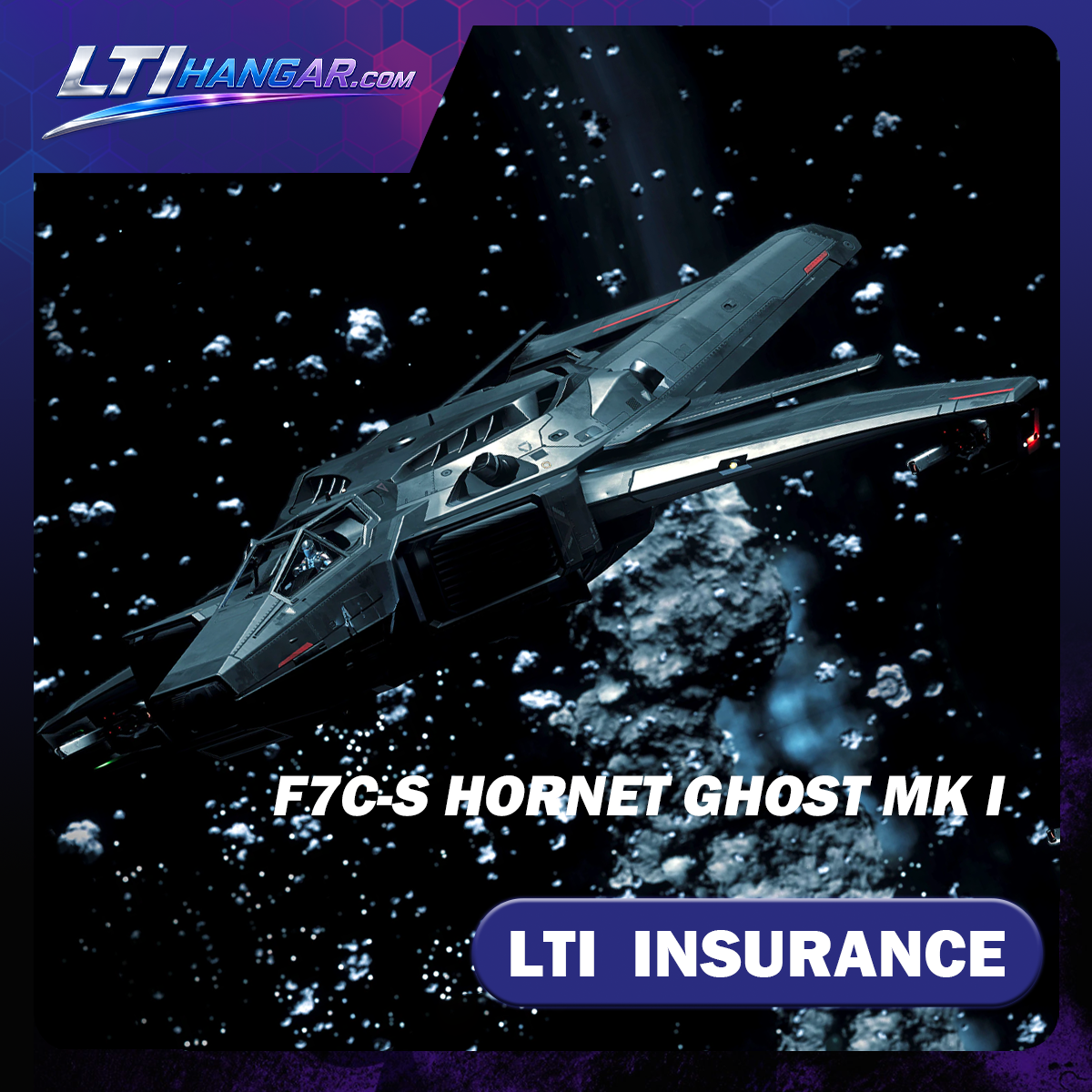
F7C-S Hornet Ghost Mk I - Standalone Ship

Prix ​​régulier $185.99 USD
Prix ​​de vente $185.99 USD
SOLD OUT

CCU'ed-Insurance: LTI

E-mail

Consultez nos délais de livraison.

aUEC Star Citizen : livraison en 3 à 5 minutes.

Vaisseaux Star Citizen : livraison généralement sous 20 à 30 minutes, 12 heures maximum.

CCU Star Citizen : livraison généralement sous 20 à 30 minutes, 12 heures maximum.

Paints Star Citizen : livraison généralement sous 5 minutes, 12 heures maximum.

Items Star Citizen : livraison généralement sous 5 minutes, 12 heures maximum.

Comment claim vos Ships, CCU, Paints et Items Star Citizen

Pour accepter cet item, vous devez avoir un compte sur robertsspaceindustries.com. L’accès à Star Citizen nécessite un Game Package.

Toutes les commandes seront envoyées à l’adresse e-mail utilisée lors du paiement. Vous recevrez un e-mail intitulé « Someone sent you a gift from Roberts Space Industries », envoyé par no-reply@robertsspaceindustries.com.

Ouvrez l’e-mail, puis cliquez sur le bouton bleu « Claim Gift » pour claim votre commande.

Si vous souhaitez recevoir votre commande sur un autre compte RSI que celui lié à l’e-mail fourni, connectez-vous simplement au bon compte RSI dans un autre onglet avant de claim l’item. Pensez à rafraîchir la page RSI pour vérifier que vous êtes bien connecté au bon compte.

Si vous achetez cet item comme cadeau, faites un clic droit sur le bouton bleu « Claim Gift », puis copiez l’adresse du lien. Assurez-vous d’être déconnecté de votre propre compte RSI afin de ne pas claim l’item par erreur.

Instructions de sécurité importantes

ATTENTION : tous les Ships et Items ne peuvent être gift qu’une seule fois.

Une fois claim, l’item — Ship, CCU, Paint, Armor, Weapon, etc. — est définitivement lié au compte qui l’a accepté.

Veuillez donc vérifier avec attention que vous êtes connecté au bon compte RSI avant de claim votre Gift Email.

Assurez-vous d’être connecté, dans le même navigateur, au compte RSI sur lequel vous souhaitez recevoir l’item avant de cliquer sur « Claim Gift ».

Nous ne sommes pas responsables si vous claim l’item sur le mauvais compte RSI.

Comment apply un CCU (Ship Upgrade)

Si vous avez acheté un Cross Chassis Upgrade (CCU) pour upgrade un Ship vers un autre, voici les étapes à suivre :

1. Claim l’item
Suivez les étapes de livraison ci-dessus pour ajouter le CCU à votre RSI Hangar.

2. Trouver le CCU dans le Hangar
Allez dans la section « My Hangar » sur le site RSI.

3. Apply Upgrade
Cliquez sur la flèche à côté de votre CCU pour ouvrir les détails, puis cliquez sur « Apply Upgrade ».

Choisissez le « Source Ship » que vous souhaitez upgrade, puis entrez votre mot de passe RSI pour terminer le processus.

Note importante :
L’assurance, comme la LTI, ainsi que les autres bonus du Ship de base seront conservés et transférés vers le nouveau Ship.

Un upgrade d’un Ship moins cher vers un Ship plus cher peut nécessiter plusieurs CCU.

Par exemple, si vous achetez un upgrade de Merchantman vers Polaris, nous vous enverrons deux CCU : Merchantman vers Hammerhead, puis Hammerhead vers Polaris.

Plus l’écart de prix est grand, plus vous pouvez recevoir de CCU à apply.

Achetez en toute confiance : protection client

Protection d’achat

Lorsque vous passez commande sur notre site, nous vous garantissons que vous recevrez l’item correct, conforme à sa description.

Si nous ne pouvons pas livrer l’item commandé, nous vous proposerons un remplacement ou un remboursement intégral, selon votre préférence.

Protection après-vente

Tous les items proposés sur notre site proviennent de notre propre stock et sont couverts par notre protection après-vente.

Si un problème survient pendant la livraison, ou dans un délai allant jusqu’à 6 mois après la livraison, nous effectuerons une vérification.

Si le problème est confirmé comme étant de notre responsabilité, nous vous proposerons un remplacement ou un remboursement.

Selon la situation, cela peut prendre la forme d’un remplacement complet, d’un remboursement intégral ou d’un upgrade vers un meilleur item si le remplacement exact n’est pas disponible.

Assistance client 24h/24 et 7j/7

Bénéficiez d’un support en ligne 24h/24 et 7j/7.

Questions, assistance ou besoin d’une solution rapide ? Notre équipe est toujours disponible pour vous aider. À tout moment, nous sommes à un clic de vous.

Rejoignez notre Discord dès maintenant et découvrez la différence LTI Hangar !

En stock · Livraison via RSI Gift · Livraison en moyenne sous 20 min
Afficher tous les détails
Need Help? Open a Discord Ticket

Contact our Discord live support; we are online 24/7.

Pourquoi les joueurs choisissent LTI Hangar

Livraison rapide de Ships, vrai support client, et processus de RSI Gift clair — pensé pour les joueurs Star Citizen qui veulent une expérience d’achat plus simple et plus fluide.

Livraison moyenne en 20 à 30 min

Support Discord 24/7

Équipe de gamers avec plus de 10 ans d’expérience

Achat sécurisé · Stock propre · Aucun vendeur tiers

Support après-vente fiable

Suivi de commande en temps réel

  • Quelle différence entre les vaisseaux Original Concept, Standalone et CCU’d ?

  • Vous n’êtes pas sûr que le Ship que vous achetez soit flight ready ? Consultez la Loaner Matrix officielle !

FAQ — Questions fréquentes

Combien de temps prend généralement la livraison ?

Les commandes de Ships, CCU, Paints et Items Star Citizen sont généralement livrées sous 20 à 30 minutes.

Dans de rares cas, la livraison peut prendre jusqu’à 12 heures en raison du volume de commandes, des limites de gifting RSI, du statut du compte ou d’une vérification manuelle nécessaire.

Dans la plupart des cas, nous ne laissons pas les livraisons de Ships dépasser 12 heures, sauf en cas de problème exceptionnel, comme une limitation du système RSI, une restriction de compte ou une vérification client requise.

Ma commande de Ship est-elle protégée ?

Oui. La sécurité et la fiabilité sont nos priorités absolues.

Tous les Ships vendus par LTI Hangar viennent de notre propre stock. Aucun vendeur externe ni fournisseur tiers inconnu n’intervient dans la commande.

Chaque commande de Ship est traitée avec un suivi clair de la livraison, afin que le processus puisse être vérifié et retracé si notre support doit intervenir.

Nous offrons également une protection après-vente de 6 mois pour les problèmes éligibles liés à la livraison.

Grâce à notre propre stock, à une livraison traçable et à notre protection après-vente, l’achat est plus sûr que sur de nombreuses marketplaces tierces. C’est l’une des raisons pour lesquelles de nombreux joueurs choisissent LTI Hangar pour acheter leurs Ships Star Citizen.

Qu’est-ce que la protection après-vente de 6 mois ?Pourquoi les autres marketplaces ne peuvent-elles pas proposer cela ?

Dans le cas extrêmement rare où un problème survient avec un item pendant la livraison, ou jusqu’à 6 mois après la livraison, nous mènerons une vérification.

Si le problème est confirmé comme étant de notre responsabilité, nous vous proposerons soit un remplacement, soit un remboursement.

Pour nous aider à examiner le cas avec précision, il pourra vous être demandé de nous fournir des preuves pertinentes, comme des screenshots de votre RSI Hangar, les détails de commande ou les logs du RSI Hangar.

Le RSI Hangar Log permet de suivre l’état et l’historique de chaque Ship, notamment si l’item a été claim, échangé, melt, transféré ou modifié d’une autre manière après la livraison.

Nous examinerons les preuves fournies afin de déterminer la cause du problème.

Ce niveau de protection n’est pas courant sur de nombreuses marketplaces tierces, car elles dépendent souvent de vendeurs externes ou de sources de stock mélangées.

Chez LTI Hangar, tous les Ships proviennent de notre propre stock, et chaque commande dispose de records de livraison clairs. Cela nous permet d’offrir un support plus sûr, plus fiable et plus transparent.

Puis-je demander un remboursement après avoir claim le Ship, CCU, Paint ou Item ?

Une fois le RSI Gift claim, le Ship, CCU, Paint ou Item est lié au compte RSI qui l’a reçu.

En raison des limites du système de gifting de Star Citizen, un item déjà claim ne peut normalement pas être gift à nouveau, retourné, annulé ou relivré. Pour cette raison, les items déjà claim ne sont généralement pas éligibles à une annulation ou à un remboursement.

Une correction, un remplacement ou un remboursement ne peut être proposé que si nous confirmons que le problème vient de notre côté, par exemple si un mauvais item a été envoyé, s’il y a eu une erreur de livraison de commande, ou un autre problème de livraison vérifié causé par nous.

Avant de claim le RSI Gift, veuillez vous assurer que vous êtes connecté au bon compte RSI. Une fois le gift claim sur le mauvais compte, il ne peut normalement pas être transféré vers un autre compte.

Que se passe-t-il si le mauvais Ship, CCU, Paint ou Item est livré ?

Si nous confirmons qu’un mauvais item a été livré à cause d’une erreur de notre côté, nous examinerons le cas et proposerons une correction, un remplacement ou un remboursement lorsque cela est applicable.

Veuillez nous contacter avec votre numéro de commande, l’e-mail utilisé lors du paiement, ainsi que des screenshots clairs de votre RSI Hangar.

Pourquoi les noms des Ships Star Citizen que j’ai reçus sont-ils différents ?

Un Standalone CCU’ed est un vaisseau ou un véhicule complet. Ce n’est pas une amélioration à appliquer !

CCU’ed signifie simplement que le vaisseau ou véhicule a été obtenu en améliorant un modèle plus petit vers celui que vous achetez.

Veuillez également noter que, dans l’e-mail cadeau, seul le vaisseau utilisé comme base de l’upgrade sera indiqué. Pas d’inquiétude : le vaisseau qui apparaîtra réellement dans votre hangar sera bien celui que vous avez commandé.

Par exemple, voici à quoi ressemble un Polaris CCU’ed dans le hangar sur le site RSI.

COMMENT ÇA FONCTIONNE

Simple, rapide et sécurisé : découvrez comment ça fonctionne !

EST-CE VRAIMENT SÉCURISÉ ?

La sécurité est notre priorité n°1.

Contrairement à d’autres sites, nous vendons uniquement notre propre stock. Aucun vendeur externe n’est autorisé sur notre plateforme.

Cela garantit un achat plus sûr, une vraie tranquillité d’esprit, ainsi que des livraisons ultra-rapides.

COMMENT FONCTIONNE LA LIVRAISON ?

L’item sera livré via le système de RSI Gift.

Après avoir passé commande, nous enverrons l’item à l’adresse e-mail que vous avez indiquée au checkout.

Une fois le Gift Email reçu, ouvrez-le simplement, puis cliquez sur « Claim ». L’item sera alors ajouté au compte RSI sur lequel vous êtes connecté.

PROTECTION APRÈS-VENTE

Tous les items que nous vendons proviennent de notre propre stock et sont couverts par notre politique de protection après-vente.

Si un problème survient avec un item pendant la livraison, ou jusqu’à 6 mois après la livraison, nous mènerons une vérification.

Si le problème est confirmé comme étant de notre responsabilité, nous proposerons soit un remplacement, soit un remboursement.

CONTACTEZ-NOUS

Star Citizen est un univers vaste et complexe ! Si vous avez des questions, notre équipe est toujours là pour vous aider.

Nous sommes disponibles 24h/24 pour vous accompagner. En plus, notre Discord propose des codes promo supplémentaires, des giveaways et les dernières annonces.

Anvil F7C-S Hornet Ghost Mk I Standalone Ship Gameplay Guide

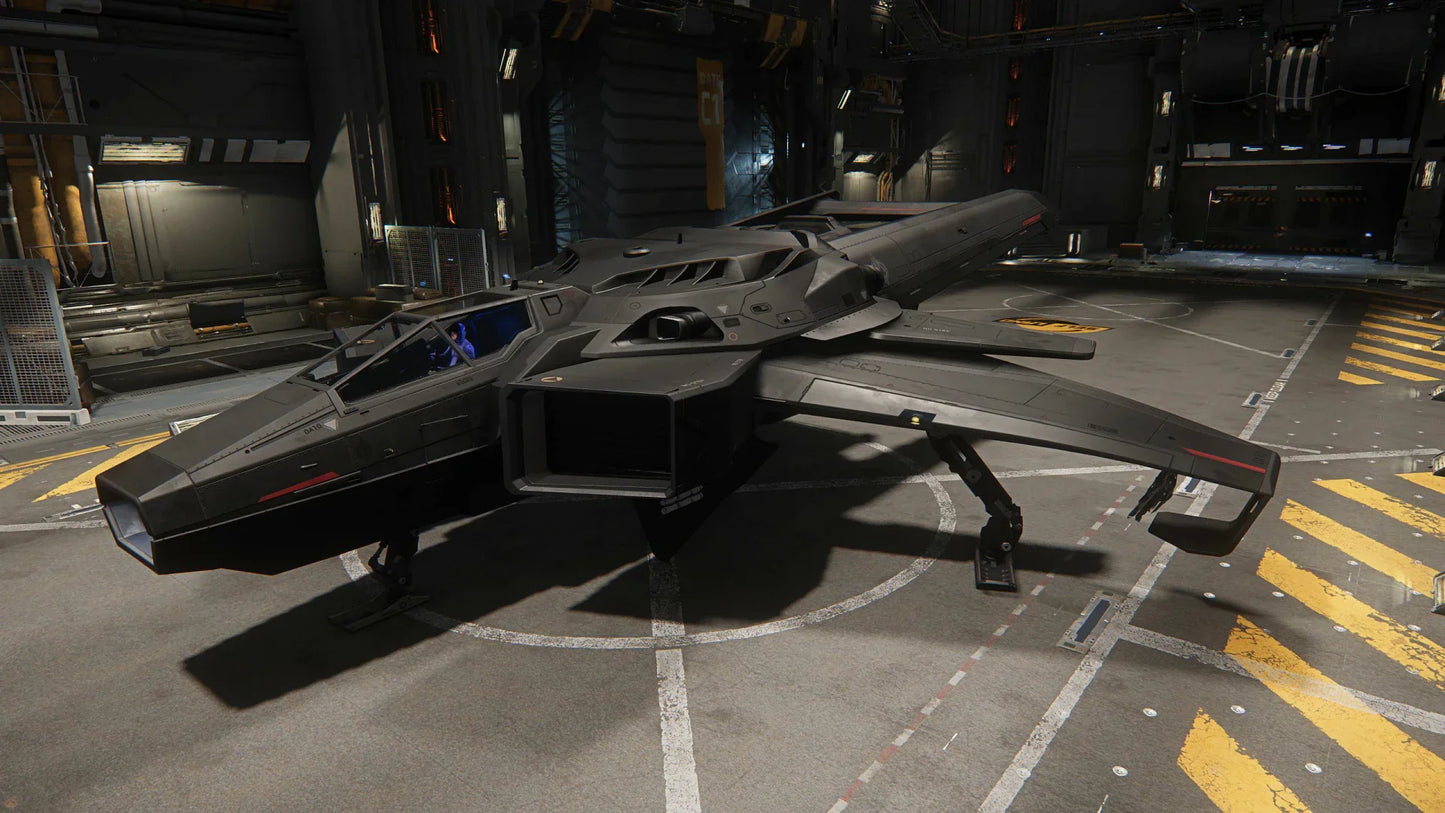
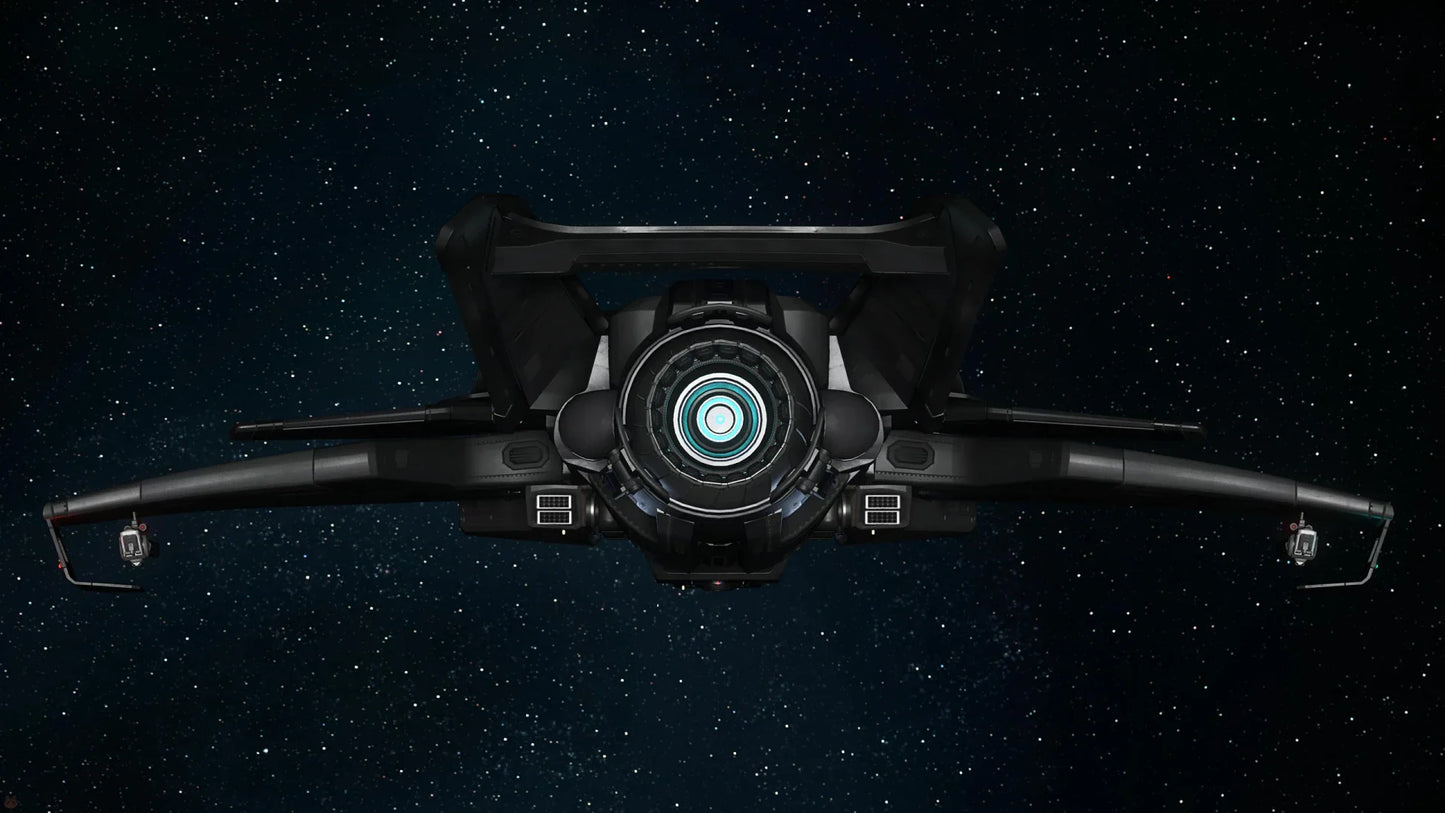
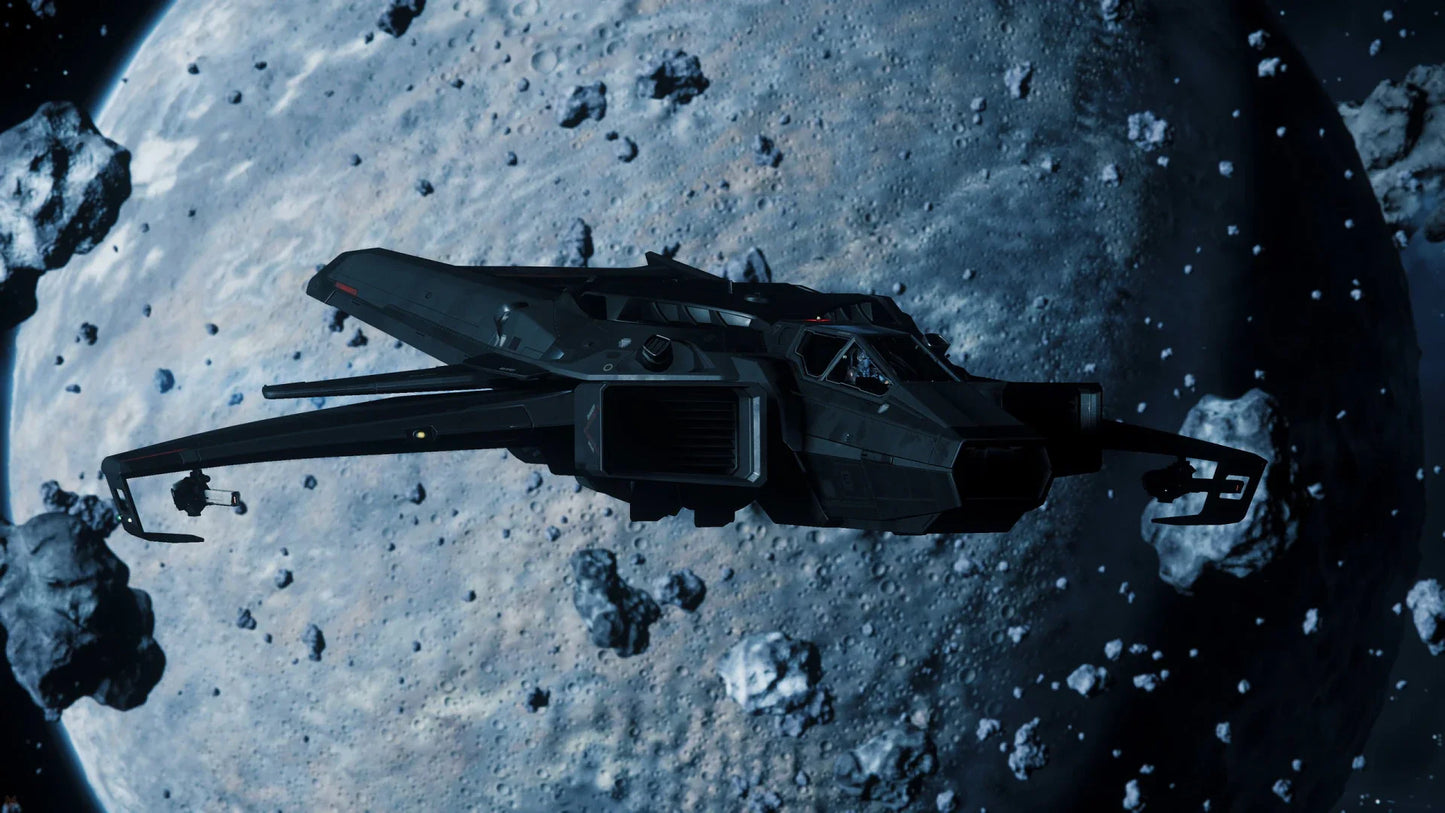
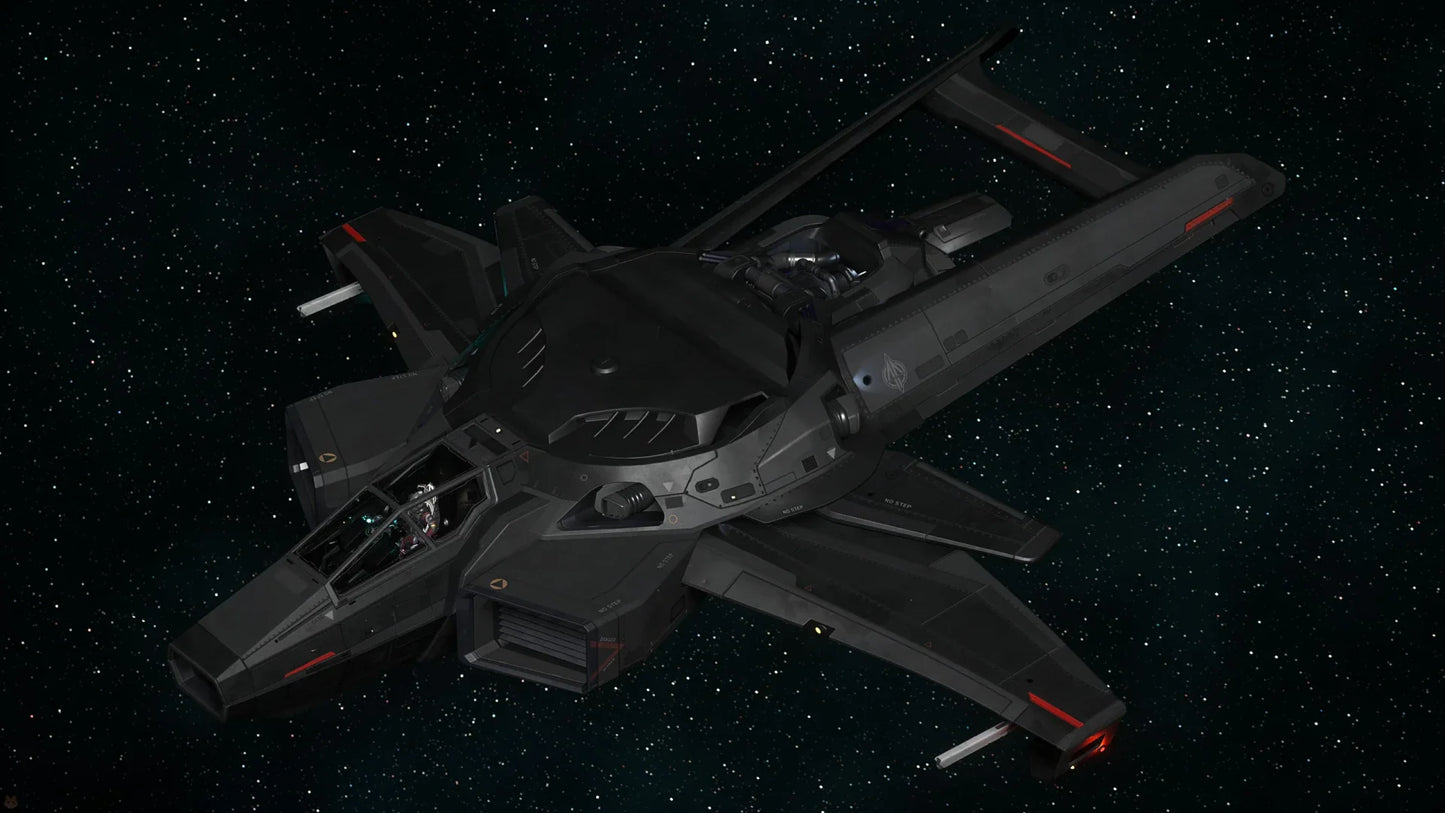
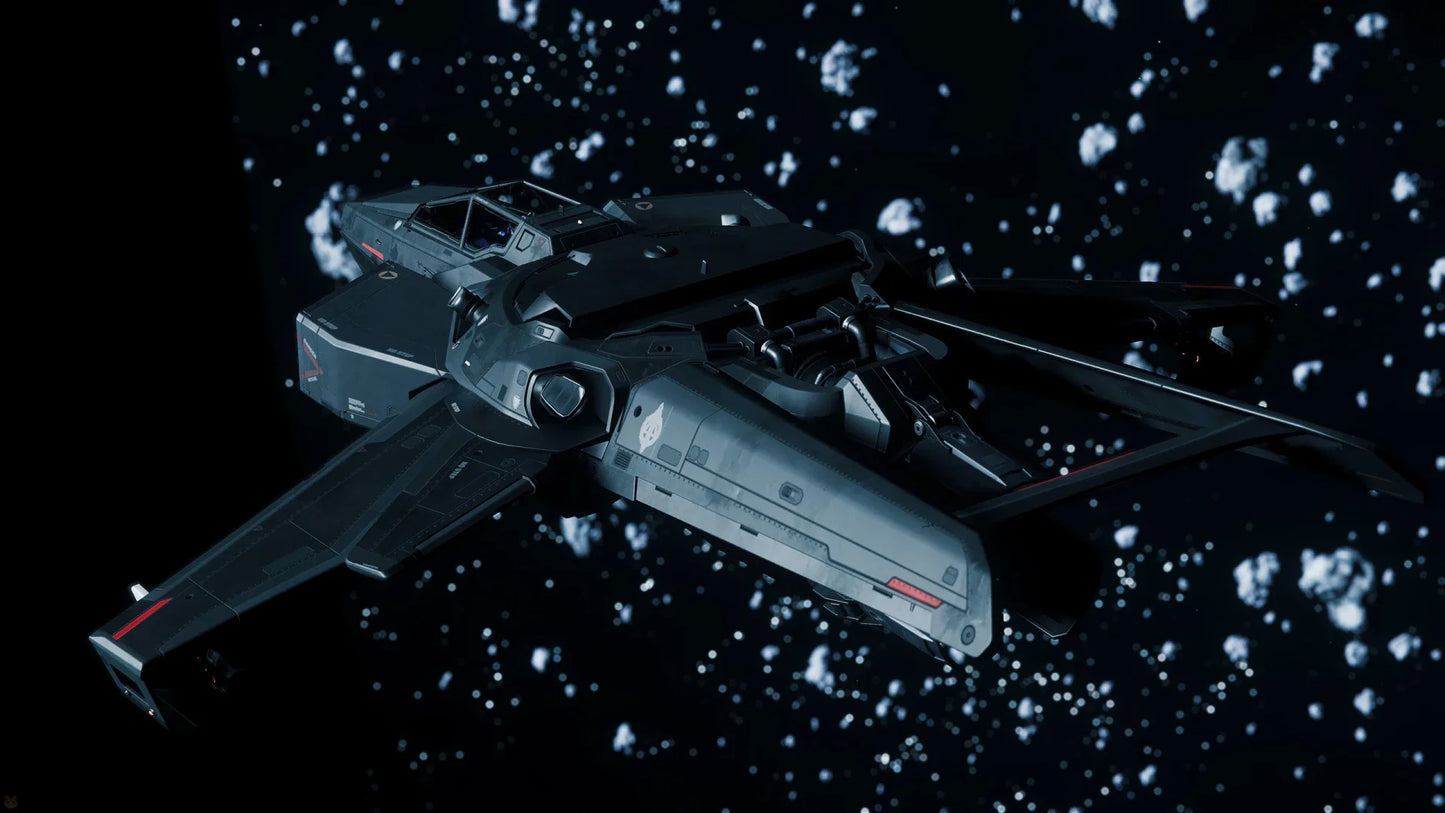
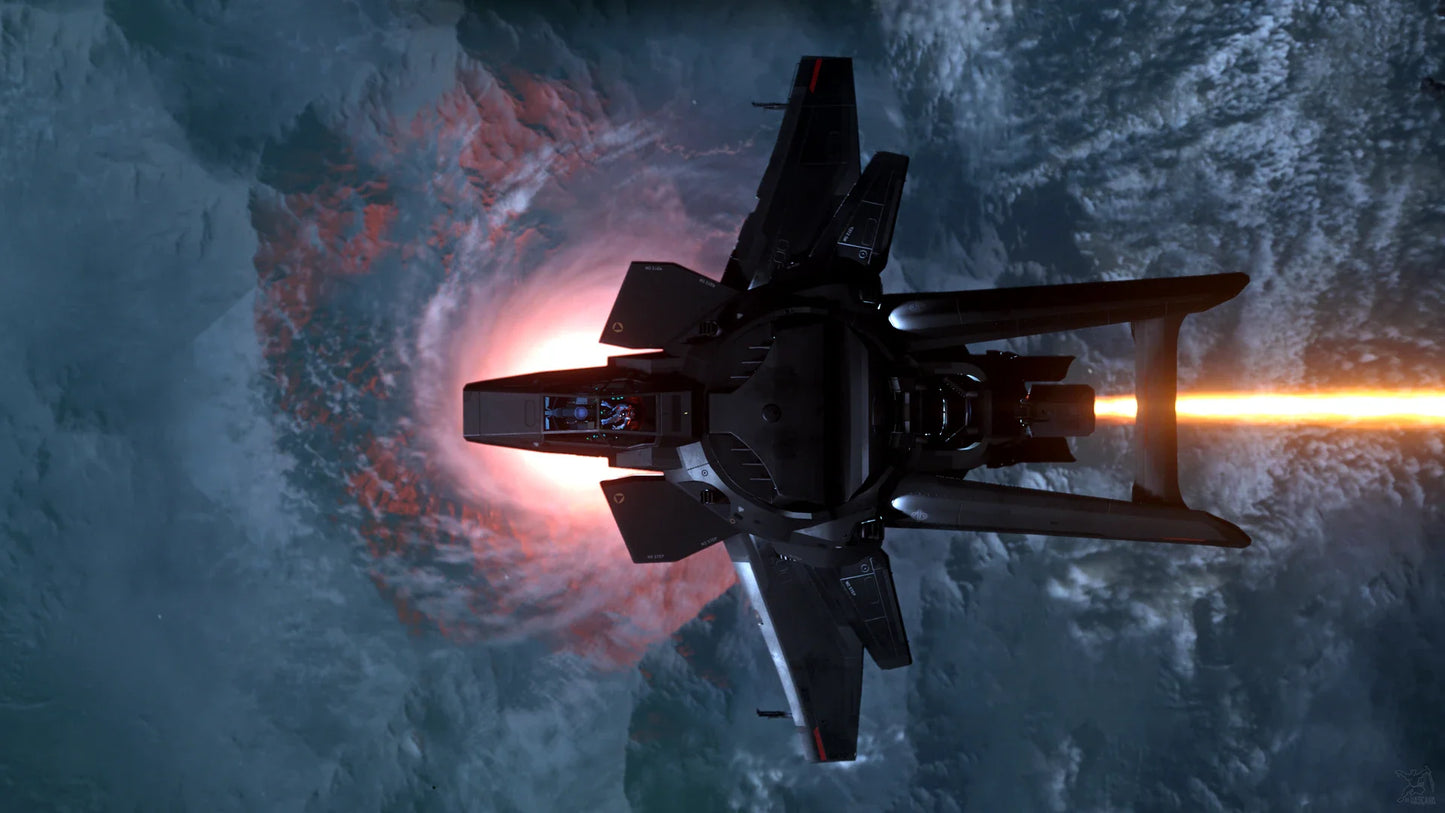
The Anvil F7C-S Hornet Ghost Mk I is a single-seat stealth fighter built for Star Citizen players who want the original Hornet Mk I chassis, lower-emission equipment, reconnaissance capability, ambush-oriented combat, and the collector appeal of the retired civilian Mk I lineup.

It is not the standard cargo-equipped F7C Hornet Mk I, the radar-focused Tracker Mk I, the two-seat Super Hornet Mk I, the military F7A Mk I, or the newer Ghost Mk II. The Ghost Mk I is best understood as the classic stealth Hornet: a civilian Hornet variant that gives up the standard center utility or turret configuration in favor of equipment designed to reduce its detectability.

RSI describes the Ghost’s original stealth package as a combination of low-emission drives, low-draw weapons, and Void Armor technology capable of diffusing scans. The ship was designed for pilots who wanted to maintain a low profile while completing reconnaissance, infiltration, or combat objectives.

The safest product-page positioning is simple:
The F7C-S Hornet Ghost Mk I is the Hornet you choose for classic low-signature gameplay, solo reconnaissance, ambushes, and Mk I collector value — not for maximum Hornet firepower, cargo, advanced radar, or the newer Mk II platform.

Build Your Classic Anvil Stealth Fleet with the Ghost Mk I

The Ghost Mk I is one of the more specialized ships in the original Hornet family. The standard F7C Mk I provides the civilian Hornet baseline. The Tracker sacrifices the center turret position for enhanced radar equipment. The Super Hornet adds a second seat and a heavier combat configuration. The Ghost uses its specialized equipment to reduce emissions and make the ship more difficult to detect.

If you are looking to acquire this classic Anvil stealth fighter, you can explore our available options in the Star Citizen Ships and Vehicles Collection.

F7C-S Hornet Ghost Mk I Key Specifications

The Ghost Mk I belongs to the original single-seat Hornet platform. Its exact weapons, installed components, signatures, speeds, and handling can change through live-game balancing, so buyers should distinguish the ship’s permanent stealth role from any temporary factory loadout or detection number. RSI’s Ship Matrix also warns that vehicle specifications may change during design and balancing.

Specification F7C-S Hornet Ghost Mk I Gameplay Meaning
Manufacturer Anvil Aerospace Part of Anvil’s classic civilian Hornet family.
Role Stealth Fighter Designed around reduced detectability, reconnaissance, and controlled attacks.
Generation Hornet Mk I Uses the original civilian Hornet frame rather than the newer Mk II chassis.
Status Flight Ready / Supported Legacy Ship Remains playable and supported after the normal Mk I sales retirement.
Crew 1 Fully operated by one pilot with no gunner or co-pilot requirement.
Cargo Role No standard cargo capacity in the factory Ghost configuration Center equipment is dedicated to stealth rather than the standard F7C utility box.
Center Configuration Ghost stealth equipment Replaces the normal center utility or combat configuration.
Stealth Technology Low-emission drives, low-draw weapons, and Void Armor The defining reason to choose the Ghost variant, but not a guarantee of invisibility or permanent radar immunity.
Pilot Weapons Hornet Mk I wing and nose weapon positions Provides conventional fighter firepower without a center ball turret.
Missile Capability Fighter-class missile support Secondary pressure rather than a dedicated missile-fighter role.
Shielding Hornet Mk I fighter protection Useful protection, but not heavy-fighter durability.
Interior Single cockpit No walkable living space, bed, or multicrew facilities.
Core Gameplay Reconnaissance, stealth approaches, ambushes, interception, solo combat Best when the pilot uses detection management before direct engagement.
Availability Context Retired civilian Mk I lineup More legacy and collector appeal than a normally available civilian fighter.

RSI consistently presented the Ghost Mk I as a low-profile Hornet using stealth-focused equipment rather than as the most heavily armed member of the family.

What Makes the F7C-S Hornet Ghost Mk I Valuable?

The Ghost Mk I is valuable because it combines three distinct qualities: the original Hornet Mk I design, a dedicated stealth configuration, and supported legacy/collector status. The ship is not simply a standard Hornet painted black. Its role is built around lowering emissions and diffusing scans through specialized components and armor technology.

The Ghost Mk I is not the Hornet with the most weapons — it is the classic Hornet designed to be noticed later.

The Ghost Mk I should not be marketed as permanently invisible. Its advantage is reduced detectability under suitable conditions, not immunity from radar, scanning, visual contact, or disciplined enemy pilots.

Classic Mk I Stealth Identity

The Ghost Mk I’s identity comes from its low-emission equipment and Void Armor. RSI describes Void Armor as scan-diffusing technology used alongside low-draw weapons and low-emission drives to help the Ghost maintain a reduced profile.

The Ghost Mk I reduces the signals an opponent can detect; it does not remove the ship from the game world.

A pilot who runs every system at maximum output, boosts continuously, and fires from close range will lose much of the benefit associated with the Ghost’s equipment. The ship is therefore best described as a low-signature fighter, not an invisible fighter.

Void Armor and Low-Emission Equipment

The Ghost Mk I was built around three connected stealth ideas: low-emission drives, low-draw weapons, and Void Armor.

Stealth Feature Intended Benefit
Low-emission drives Reduces the propulsion-related signature created during controlled flight.
Low-draw weapons Limits unnecessary power use and emissions from the factory combat setup.
Void Armor Helps diffuse or reduce the effectiveness of incoming scans.
The Ghost’s stealth comes from the complete configuration, so replacing every component with a louder high-output alternative may reduce the advantage that defines the ship.

This creates an important loadout trade-off. The best Ghost loadout is not always the loadout with the highest theoretical damage.

Center Stealth Configuration

The original Hornet family was designed around configurable center equipment. The standard civilian F7C could use the center section for cargo or other utility equipment. The Tracker used the position for advanced radar, while the Super Hornet returned the military-style ball turret. The Ghost’s configuration was built around reducing its signature.

Hornet Mk I Center Role Main Benefit Main Trade-Off
Ghost stealth configuration Lower-profile operation No standard cargo box or center combat turret.
Standard F7C cargo configuration Light utility and small cargo use No dedicated Ghost stealth package.
Tracker radar configuration Enhanced scanning and contact detection Detects others rather than reducing its own profile.
Super Hornet ball turret Additional combat firepower Larger combat and crew focus.
F7A military configuration Military weapon coverage Different acquisition and military identity.
The Ghost uses the center of the Hornet to avoid attention rather than carry cargo, search farther, or mount another turret.

Weapons and Combat Expectations

The Ghost Mk I remains a combat-capable Hornet. Its pilot can use the original Hornet wing and nose weapon positions, allowing the ship to engage light and medium targets after the stealth approach has ended.

The Ghost Mk I carries enough weapons to exploit a good opening, but it gives up the center turret that makes other Hornets more focused on raw damage.

Missile Capability

The Ghost Mk I retains fighter-class missile support, but missiles are not the main reason to choose the ship.

The Ghost’s missiles support the stealth attack; they do not turn the ship into a dedicated missile fighter.

Buyers who want a missile-focused stealth ship should compare the Sabre Firebird. Buyers who want heavy torpedoes should compare the Esperia Eclipse or Vanguard Harbinger.

Solo Gameplay Expectations

The F7C-S Ghost Mk I is a true single-seat fighter. One pilot manages flight, weapons, missiles, shields, power, radar, scanning, countermeasures, signature management, quantum travel, target selection, and disengagement.

The Ghost Mk I gives one pilot the complete stealth fighter, but also makes that pilot responsible for every system that keeps the ship hidden and alive.

Reconnaissance and Scouting Gameplay

The Ghost Mk I can support reconnaissance by approaching areas with a lower profile than a louder conventional fighter.

The Ghost scouts by remaining less noticeable while it observes — not by carrying the Tracker’s enhanced radar suite.

The Ghost is not the Hornet with the best sensor package. The Tracker is the specialist designed to seek hidden contacts and provide greater situational awareness.

Ambush and Controlled-Engagement Gameplay

The Ghost Mk I performs best when the pilot controls the beginning of the fight.

The Ghost is designed to improve the first attack, not guarantee the final result.

Once the target has identified the Ghost, the ship still needs to fight like a Hornet. Stealth does not replace aim, movement, shield management, countermeasures, or disengagement discipline.

Shields and Survivability

The Ghost Mk I uses fighter-level defensive systems rather than heavy-fighter armor or oversized shielding.

The Ghost survives best by preventing the enemy from beginning a clean attack, not by absorbing repeated direct hits.

Cargo, Interior, and Daily Utility Expectations

The Ghost Mk I is a cockpit fighter. Its factory stealth configuration should not be treated as a cargo platform, delivery ship, vehicle carrier, or general-purpose daily vessel.

The Ghost carries a pilot and combat equipment — not the practical utility expected from a ship with a walkable interior and cargo grid.

Players seeking a practical daily ship should compare the Drake Cutlass Black, Crusader C1 Spirit, MISC Freelancer, or another ship with an accessible interior and cargo capacity.

Mk I Legacy and Retirement Context

The Ghost Mk I belongs to the retired civilian Hornet Mk I lineup. During Invictus Launch Week 2954, RSI announced the wind-down of the classic civilian Mk I lineup as the Mk II became the new direction.

The Ghost Mk I is a supported classic ship with legacy value — not an abandoned fighter that has been removed from gameplay.

Real Player Use: Where the Ghost Mk I Feels Good

The Ghost Mk I feels best before the fight becomes crowded. A real player notices its specialist value when approaching a bounty location, observing a group, selecting the correct target, and beginning the engagement before every nearby ship has reacted.

The Ghost Mk I feels special when you fight with its whole movement system; it feels like an under-armed Hornet when flown directly into every fight.

A practical Ghost Mk I session also includes moments where the stealth advantage disappears quickly. If the pilot boosts too early, fires too soon, keeps shields and weapons fully active, or enters a fight where every target already knows the ship is present, the Ghost can feel like a Hornet missing its center combat option.

When the Ghost Mk I Advantage Becomes Less Important

The Ghost Mk I should not be presented as automatically superior because it has stealth equipment.

When every ship already sees the Ghost, its missing center turret becomes more noticeable than its stealth equipment.

Direct Vehicle Comparisons

F7C-S Hornet Ghost Mk I vs Standard F7C Hornet Mk I & Super Hornet Mk I

Original Hornet variants are easiest to explain by structural combat balance and cockpit seating arrays.

Ship Best For Main Difference
Anvil F7C-S Ghost Mk I Stealth, reconnaissance, and ambushes Low-emission equipment and Void Armor replace the standard center utility role.
F7C Hornet Mk I General solo fighter use Broader civilian baseline and greater configuration flexibility. Traces into Wildfire editions.
F7C-M Super Hornet Mk I Two-seat direct crewed combat Adds a second seat, center ball turret, and near-military civilian setup. Prepped variants match the Heartseeker Mk I.
Choose the Ghost Mk I if you want the classic stealth Hornet. Choose the standard F7C Hornet Mk I if you want the classic general-purpose civilian Hornet. Choose the Super Hornet Mk I if you want two-seat crewed combat.

F7C-S Hornet Ghost Mk I vs Ghost Mk II & F7A line

Generation parameters split the Hornet platform across classic legacy lines and modernized frame setups.

Ship Best For Main Difference
F7C-S Ghost Mk I Classic design and Mk I collection Original Hornet platform with Void Armor and legacy retirement context.
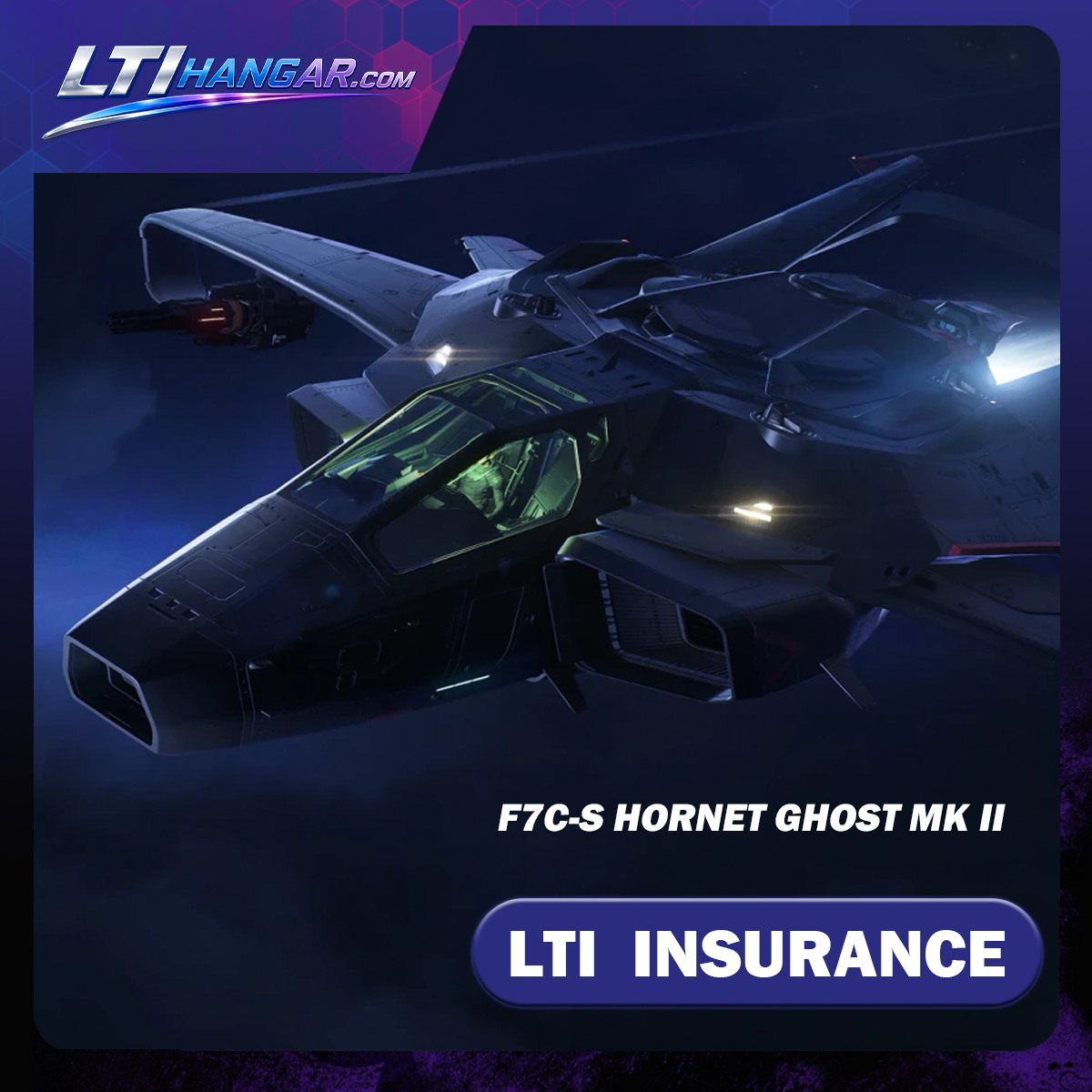
F7C-S Ghost Mk II Newer-generation stealth Hornet gameplay Updated modern Mk II chassis and current signature-reducing module.
Military F7A Setup UEE Navy direct combat firepower Concentrated frontline gun array. Fits classic F7A Hornet Mk I metrics or modernized F7A Hornet Mk II builds.
Choose the Ghost Mk I for the classic stealth Hornet. Choose the Ghost Mk II for the newer stealth Hornet platform. Choose the F7A Hornet Mk II for front-line military firepower.

F7C-S Hornet Ghost Mk I vs Tracker Mk I & Aegis Sabre

Ship Best For Main Difference
F7C-S Ghost Mk I Concealment and stealth approach loops Reduces the ship's own profile within the single-seat Hornet platform.
F7C-R Tracker Mk I Scanning and contact detection tracking Uses advanced radar modules to locate and monitor other contacts. Maps to the modern Tracker Mk II.
Aegis Sabre Purpose-built stealth operations Dedicated Aegis stealth chassis designed completely around a low signature profile; fits alternative choices like the Sabre Comet or Sabre Firebird.
Choose the Ghost if you want to be harder to find. Choose the Tracker Mk I if you want to find other ships more effectively. Choose the Aegis Sabre if you want a dedicated purpose-built stealth platform.

F7C-S Hornet Ghost Mk I vs Razor EX & Light Fighters

Ship Best For Main Difference
F7C-S Ghost Mk I Stealth combat and single-seat scouting Fighter chassis with full weapon hardpoints and classic medium fighter tolerance.
MISC Razor EX Fast low-signature travel and infiltration Ultra-compact racing hull built around speed metrics and low-draw components; minimal combat capability.
Light Fighter Platform Agile turning dogfights Traditional maneuvering layouts like the Aegis Gladius or Anvil Arrow. Lacks signature suppression tools.
Choose the Ghost Mk I if you want stealth combat inside a proper fighter. Choose the Razor EX for fast covert infiltration loops. Choose the Gladius or Arrow for traditional open maneuvering.

F7C-S Hornet Ghost Mk I vs Stealth Fighter and Hornet Family

The Ghost Mk I sits firmly within a specialized segment balancing legacy generation frames against multi-role support loops.

Ship / Family Option Best For Main Difference
F7C-S Hornet Ghost Mk I Classic stealth Hornet gameplay Original Mk I chassis, low-emission equipment, Void Armor, and legacy appeal.
F7C-S Hornet Ghost Mk II Newer stealth Hornet platform loops Modern updated Mk II framework and modern signature-reducing design direction.
F7C Hornet Mk I General civilian baseline flight Broader baseline general utility layout without the Ghost's stealth focus.
F7C-R Tracker Mk I Radar and scanning target detection Finds other vessels effectively rather than reducing its own emissions footprint.
F7C-M Super Hornet Mk I Two-seat direct combat engagements Adds a second bridge seat, copilot controls, and center ball turret.
F7A Hornet Mk I Legacy military fighter ownership UEE Navy historical configuration and focused forward hardpoints.
Aegis Sabre Purpose-built stealth-fighter combat Dedicated Aegis stealth framework built outside the Hornet family line entirely.
Choose the Ghost Mk I when you want the original stealth Hornet. Choose the Ghost Mk II when you want the newer Hornet stealth platform. Choose the Tracker Mk I when finding other ships matters more than hiding your own. Choose the Sabre when you want a dedicated stealth fighter outside the Hornet family.

Combat, Stealth, and Practical Expectations

The Ghost Mk I is specialized. It should not be sold as the best Hornet or stealth fighter for every buyer.

If the buyer wants:

  • Classic Hornet stealth gameplay, choose the Ghost Mk I.
  • The newer stealth Hornet, choose the Ghost Mk II.
  • General Mk I fighter flexibility, choose the standard F7C Mk I.
  • Enhanced radar, choose the Tracker Mk I.
  • Two-seat Hornet combat, choose the Super Hornet Mk I.
  • Classic military Hornet ownership, choose the F7A Mk I.
  • A purpose-built Aegis stealth fighter, choose the Sabre.
  • Fast low-signature travel, choose the Razor EX.
  • Straightforward dogfighting, choose the Gladius.
  • Cargo or daily utility, choose a ship with a real interior and cargo grid.
The Ghost Mk I is valuable because it is the original stealth Hornet — not because it replaces every fighter, scout, or daily-use ship.

Explore F7C-S Hornet Ghost Mk I Upgrade Paths

Players who prefer to build toward the Ghost Mk I from another pledge can explore available Star Citizen F7C-S Hornet Ghost Mk I CCU Upgrades and plan a Hornet Mk I, Anvil, stealth-fighter, or collector upgrade path over time.

The normal civilian Mk I pledge cycle ended during Invictus Launch Week 2954. For full selection options, browse the Star Citizen Ships and Vehicles Collection.

Ghost Mk I vs Other Star Citizen Fighters

Ship Fleet Option Primary Core Role Compared with the Ghost Mk I
F7C-S Hornet Ghost Mk I Classic Stealth Hornet Good for original Hornet stealth identity and Mk I collector value.
F7C-S Hornet Ghost Mk II Modern Stealth Hornet Better for buyers who want the newer chassis and Mk II family direction.
F7C Hornet Mk I General Civilian Fighter Better for standard Mk I flexibility and broader baseline use.
F7C-R Tracker Mk I Sensor / Radar Hornet Better for locating and following contacts. Upgrades to Tracker Mk II profiles.
F7C-M Super Hornet Mk I Two-Seat Combat Hornet Better for crewed combat and turret firepower. Variant sets map into Heartseeker Mk I lines.
F7A Hornet Mk I Military Fighter Better for classic military Hornet identity. Scales to F7A Hornet Mk II units.
Aegis Sabre Purpose-Built Stealth Fighter Better for a dedicated stealth-platform experience. Supports options like the Sabre Firebird.
MISC Razor EX Stealth Racer / Courier Better for speed and low-signature travel profiles.
Aegis Gladius Light Fighter Better for direct dogfighting and conventional fighter training loops. Supports Gladius Valiant variants.
Anvil Arrow Agile Light Fighter Better for compact agility and a micro visual combat profile.
Aegis Eclipse Stealth Torpedo Bomber Better for heavy anti-ship ordnance delivery.

F7C-S Hornet Ghost Mk I vs Ghost Mk II

The Ghost Mk II is better for buyers who want the newer Hornet chassis and the modern Mk II platform direction. The Ghost Mk I is better for buyers who specifically value the original Hornet generation, Mk I retirement context, and classic Anvil silhouette. Choose the Mk II for the newer platform. Choose the Mk I for classic stealth Hornet identity.

F7C-S Hornet Ghost Mk I vs Tracker Mk I

The Tracker Mk I is better when the mission is about finding contacts using sensor sweeps. The Ghost is better when the pilot wants to reduce their own signatures to delay detection. Choose the Tracker for radar work. Choose the Ghost for lower-profile approaches.

F7C-S Hornet Ghost Mk I vs Super Hornet Mk I

The Super Hornet Mk I is better for two-seat direct combat and turret firepower. The Ghost is better for solo stealth, reconnaissance, and controlled engagement openings. Choose the Super Hornet for a more combat-forward Hornet. Choose the Ghost for a lower-signature Hornet.

F7C-S Hornet Ghost Mk I vs Aegis Sabre

The Aegis Sabre is better for players who want a purpose-built Aegis stealth fighter. The Ghost Mk I is better for players who specifically want a stealth version of the classic Hornet platform. Choose the Sabre for dedicated stealth-fighter identity. Choose the Ghost Mk I for stealth Hornet identity and legacy appeal.

F7C-S Hornet Ghost Mk I Strengths and Limitations

Strategic Strengths Operational Limitations
Original stealth member of the Hornet Mk I family Older platform than the Ghost Mk II.
Low-emission drives and low-draw equipment identity High-output replacement components may weaken signature control.
Void Armor designed to diffuse scans Does not make the ship invisible. Permanent invisibility is impossible.
Single-seat operation simplicity No co-pilot, gunner, or dedicated systems operator.
Combat-capable Hornet platform Less total factory firepower than turret-equipped Hornets. No center gun.
Useful for reconnaissance and ambushes No enhanced Tracker radar package installed.
Can select favorable engagement openings Advantage decreases after sustained combat and shield draw begins.
Supported legacy ship context No longer part of the normal civilian Mk I pledge cycle.

Who Should Buy the F7C-S Hornet Ghost Mk I?

The F7C-S Hornet Ghost Mk I is best for players who specifically want the original stealth Hornet. It is especially suitable for Hornet Mk I collectors, Anvil Aerospace fans, solo stealth pilots, and reconnaissance players who prefer the classic silhouette over newer frames.

It is a useful fleet addition for players who already have cargo, industrial, exploration, and direct-combat roles covered. The Ghost can remain a specialist choice rather than being forced to serve as a versatile all-purpose daily driver.

F7C-S Hornet Ghost Mk I FAQ

Is the F7C-S Hornet Ghost Mk I worth buying in Star Citizen?

Yes, if you want the original single-seat stealth Hornet, Mk I collector value, reconnaissance capability, and lower-profile combat. It is not ideal if you want maximum firepower, cargo, advanced radar, or the newest Hornet platform.

Is the Ghost Mk I Flight Ready?

Yes. The Ghost Mk I remains flyable and supported as part of the classic Hornet Mk I lineup. RSI confirmed that retired Mk I Hornets would continue receiving support and bug fixes.

What is the main role of the Ghost Mk I?

It is a stealth fighter designed for pilots who want to maintain a lower profile during reconnaissance, infiltration, or combat operations.

What makes the Ghost Mk I stealthy?

RSI describes it as using low-emission drives, low-draw weapons, and Void Armor technology capable of diffusing scans.

How many crew members does the Ghost Mk I need?

It is a single-seat fighter operated by one pilot.

Does the Ghost Mk I have cargo?

The factory Ghost configuration prioritizes stealth equipment rather than the standard F7C center cargo box. It should not be purchased as a cargo or delivery ship.

Can the Ghost Mk I still fight effectively?

Yes. It remains a combat-capable Hornet with pilot-controlled weapon positions. However, it has less factory weapon coverage than combat-heavy Hornet configurations using a center turret.

Ghost Mk I or standard F7C Mk I: which should I choose?

Choose the Ghost Mk I for stealth and reconnaissance. Choose the standard F7C Mk I for a broader and more flexible classic civilian Hornet.

Is the Ghost Mk I retired?

The normal civilian Mk I pledge cycle ended during Invictus Launch Week 2954, and RSI stated that the lineup would be removed from upcoming in-game dealerships. The ships remain flyable and supported.

Will the Ghost Mk I receive future updates?

RSI stated that Hornet Mk I ships would continue receiving bug fixes and were planned for a future gold-standard pass.

Recently viewed products

Your recently viewed is empty

Continuer mes achats