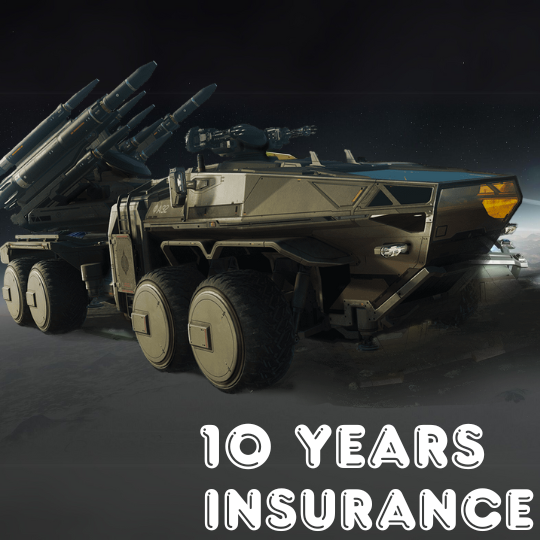
From Anvil Aerospace | Max Crew2 | In-Game Status Flight Ready

Ballista - Standalone Vehicle

Prix ​​régulier $189.99 USD
Prix ​​de vente $189.99 USD
SOLD OUT

CCU'ed-Insurance: LTI

E-mail

Consultez nos délais de livraison.

aUEC Star Citizen : livraison en 3 à 5 minutes.

Vaisseaux Star Citizen : livraison généralement sous 20 à 30 minutes, 12 heures maximum.

CCU Star Citizen : livraison généralement sous 20 à 30 minutes, 12 heures maximum.

Paints Star Citizen : livraison généralement sous 5 minutes, 12 heures maximum.

Items Star Citizen : livraison généralement sous 5 minutes, 12 heures maximum.

Comment claim vos Ships, CCU, Paints et Items Star Citizen

Pour accepter cet item, vous devez avoir un compte sur robertsspaceindustries.com. L’accès à Star Citizen nécessite un Game Package.

Toutes les commandes seront envoyées à l’adresse e-mail utilisée lors du paiement. Vous recevrez un e-mail intitulé « Someone sent you a gift from Roberts Space Industries », envoyé par no-reply@robertsspaceindustries.com.

Ouvrez l’e-mail, puis cliquez sur le bouton bleu « Claim Gift » pour claim votre commande.

Si vous souhaitez recevoir votre commande sur un autre compte RSI que celui lié à l’e-mail fourni, connectez-vous simplement au bon compte RSI dans un autre onglet avant de claim l’item. Pensez à rafraîchir la page RSI pour vérifier que vous êtes bien connecté au bon compte.

Si vous achetez cet item comme cadeau, faites un clic droit sur le bouton bleu « Claim Gift », puis copiez l’adresse du lien. Assurez-vous d’être déconnecté de votre propre compte RSI afin de ne pas claim l’item par erreur.

Instructions de sécurité importantes

ATTENTION : tous les Ships et Items ne peuvent être gift qu’une seule fois.

Une fois claim, l’item — Ship, CCU, Paint, Armor, Weapon, etc. — est définitivement lié au compte qui l’a accepté.

Veuillez donc vérifier avec attention que vous êtes connecté au bon compte RSI avant de claim votre Gift Email.

Assurez-vous d’être connecté, dans le même navigateur, au compte RSI sur lequel vous souhaitez recevoir l’item avant de cliquer sur « Claim Gift ».

Nous ne sommes pas responsables si vous claim l’item sur le mauvais compte RSI.

Comment apply un CCU (Ship Upgrade)

Si vous avez acheté un Cross Chassis Upgrade (CCU) pour upgrade un Ship vers un autre, voici les étapes à suivre :

1. Claim l’item
Suivez les étapes de livraison ci-dessus pour ajouter le CCU à votre RSI Hangar.

2. Trouver le CCU dans le Hangar
Allez dans la section « My Hangar » sur le site RSI.

3. Apply Upgrade
Cliquez sur la flèche à côté de votre CCU pour ouvrir les détails, puis cliquez sur « Apply Upgrade ».

Choisissez le « Source Ship » que vous souhaitez upgrade, puis entrez votre mot de passe RSI pour terminer le processus.

Note importante :
L’assurance, comme la LTI, ainsi que les autres bonus du Ship de base seront conservés et transférés vers le nouveau Ship.

Un upgrade d’un Ship moins cher vers un Ship plus cher peut nécessiter plusieurs CCU.

Par exemple, si vous achetez un upgrade de Merchantman vers Polaris, nous vous enverrons deux CCU : Merchantman vers Hammerhead, puis Hammerhead vers Polaris.

Plus l’écart de prix est grand, plus vous pouvez recevoir de CCU à apply.

Achetez en toute confiance : protection client

Protection d’achat

Lorsque vous passez commande sur notre site, nous vous garantissons que vous recevrez l’item correct, conforme à sa description.

Si nous ne pouvons pas livrer l’item commandé, nous vous proposerons un remplacement ou un remboursement intégral, selon votre préférence.

Protection après-vente

Tous les items proposés sur notre site proviennent de notre propre stock et sont couverts par notre protection après-vente.

Si un problème survient pendant la livraison, ou dans un délai allant jusqu’à 6 mois après la livraison, nous effectuerons une vérification.

Si le problème est confirmé comme étant de notre responsabilité, nous vous proposerons un remplacement ou un remboursement.

Selon la situation, cela peut prendre la forme d’un remplacement complet, d’un remboursement intégral ou d’un upgrade vers un meilleur item si le remplacement exact n’est pas disponible.

Assistance client 24h/24 et 7j/7

Bénéficiez d’un support en ligne 24h/24 et 7j/7.

Questions, assistance ou besoin d’une solution rapide ? Notre équipe est toujours disponible pour vous aider. À tout moment, nous sommes à un clic de vous.

Rejoignez notre Discord dès maintenant et découvrez la différence LTI Hangar !

En stock · Livraison via RSI Gift · Livraison en moyenne sous 20 min
Afficher tous les détails
Need Help? Open a Discord Ticket

Contact our Discord live support; we are online 24/7.

Pourquoi les joueurs choisissent LTI Hangar

Livraison rapide de Ships, vrai support client, et processus de RSI Gift clair — pensé pour les joueurs Star Citizen qui veulent une expérience d’achat plus simple et plus fluide.

Livraison moyenne en 20 à 30 min

Support Discord 24/7

Équipe de gamers avec plus de 10 ans d’expérience

Achat sécurisé · Stock propre · Aucun vendeur tiers

Support après-vente fiable

Suivi de commande en temps réel

  • Quelle différence entre les vaisseaux Original Concept, Standalone et CCU’d ?

  • Vous n’êtes pas sûr que le Ship que vous achetez soit flight ready ? Consultez la Loaner Matrix officielle !

FAQ — Questions fréquentes

Combien de temps prend généralement la livraison ?

Les commandes de Ships, CCU, Paints et Items Star Citizen sont généralement livrées sous 20 à 30 minutes.

Dans de rares cas, la livraison peut prendre jusqu’à 12 heures en raison du volume de commandes, des limites de gifting RSI, du statut du compte ou d’une vérification manuelle nécessaire.

Dans la plupart des cas, nous ne laissons pas les livraisons de Ships dépasser 12 heures, sauf en cas de problème exceptionnel, comme une limitation du système RSI, une restriction de compte ou une vérification client requise.

Ma commande de Ship est-elle protégée ?

Oui. La sécurité et la fiabilité sont nos priorités absolues.

Tous les Ships vendus par LTI Hangar viennent de notre propre stock. Aucun vendeur externe ni fournisseur tiers inconnu n’intervient dans la commande.

Chaque commande de Ship est traitée avec un suivi clair de la livraison, afin que le processus puisse être vérifié et retracé si notre support doit intervenir.

Nous offrons également une protection après-vente de 6 mois pour les problèmes éligibles liés à la livraison.

Grâce à notre propre stock, à une livraison traçable et à notre protection après-vente, l’achat est plus sûr que sur de nombreuses marketplaces tierces. C’est l’une des raisons pour lesquelles de nombreux joueurs choisissent LTI Hangar pour acheter leurs Ships Star Citizen.

Qu’est-ce que la protection après-vente de 6 mois ?Pourquoi les autres marketplaces ne peuvent-elles pas proposer cela ?

Dans le cas extrêmement rare où un problème survient avec un item pendant la livraison, ou jusqu’à 6 mois après la livraison, nous mènerons une vérification.

Si le problème est confirmé comme étant de notre responsabilité, nous vous proposerons soit un remplacement, soit un remboursement.

Pour nous aider à examiner le cas avec précision, il pourra vous être demandé de nous fournir des preuves pertinentes, comme des screenshots de votre RSI Hangar, les détails de commande ou les logs du RSI Hangar.

Le RSI Hangar Log permet de suivre l’état et l’historique de chaque Ship, notamment si l’item a été claim, échangé, melt, transféré ou modifié d’une autre manière après la livraison.

Nous examinerons les preuves fournies afin de déterminer la cause du problème.

Ce niveau de protection n’est pas courant sur de nombreuses marketplaces tierces, car elles dépendent souvent de vendeurs externes ou de sources de stock mélangées.

Chez LTI Hangar, tous les Ships proviennent de notre propre stock, et chaque commande dispose de records de livraison clairs. Cela nous permet d’offrir un support plus sûr, plus fiable et plus transparent.

Puis-je demander un remboursement après avoir claim le Ship, CCU, Paint ou Item ?

Une fois le RSI Gift claim, le Ship, CCU, Paint ou Item est lié au compte RSI qui l’a reçu.

En raison des limites du système de gifting de Star Citizen, un item déjà claim ne peut normalement pas être gift à nouveau, retourné, annulé ou relivré. Pour cette raison, les items déjà claim ne sont généralement pas éligibles à une annulation ou à un remboursement.

Une correction, un remplacement ou un remboursement ne peut être proposé que si nous confirmons que le problème vient de notre côté, par exemple si un mauvais item a été envoyé, s’il y a eu une erreur de livraison de commande, ou un autre problème de livraison vérifié causé par nous.

Avant de claim le RSI Gift, veuillez vous assurer que vous êtes connecté au bon compte RSI. Une fois le gift claim sur le mauvais compte, il ne peut normalement pas être transféré vers un autre compte.

Que se passe-t-il si le mauvais Ship, CCU, Paint ou Item est livré ?

Si nous confirmons qu’un mauvais item a été livré à cause d’une erreur de notre côté, nous examinerons le cas et proposerons une correction, un remplacement ou un remboursement lorsque cela est applicable.

Veuillez nous contacter avec votre numéro de commande, l’e-mail utilisé lors du paiement, ainsi que des screenshots clairs de votre RSI Hangar.

Pourquoi les noms des Ships Star Citizen que j’ai reçus sont-ils différents ?

Un Standalone CCU’ed est un vaisseau ou un véhicule complet. Ce n’est pas une amélioration à appliquer !

CCU’ed signifie simplement que le vaisseau ou véhicule a été obtenu en améliorant un modèle plus petit vers celui que vous achetez.

Veuillez également noter que, dans l’e-mail cadeau, seul le vaisseau utilisé comme base de l’upgrade sera indiqué. Pas d’inquiétude : le vaisseau qui apparaîtra réellement dans votre hangar sera bien celui que vous avez commandé.

Par exemple, voici à quoi ressemble un Polaris CCU’ed dans le hangar sur le site RSI.

COMMENT ÇA FONCTIONNE

Simple, rapide et sécurisé : découvrez comment ça fonctionne !

EST-CE VRAIMENT SÉCURISÉ ?

La sécurité est notre priorité n°1.

Contrairement à d’autres sites, nous vendons uniquement notre propre stock. Aucun vendeur externe n’est autorisé sur notre plateforme.

Cela garantit un achat plus sûr, une vraie tranquillité d’esprit, ainsi que des livraisons ultra-rapides.

COMMENT FONCTIONNE LA LIVRAISON ?

L’item sera livré via le système de RSI Gift.

Après avoir passé commande, nous enverrons l’item à l’adresse e-mail que vous avez indiquée au checkout.

Une fois le Gift Email reçu, ouvrez-le simplement, puis cliquez sur « Claim ». L’item sera alors ajouté au compte RSI sur lequel vous êtes connecté.

PROTECTION APRÈS-VENTE

Tous les items que nous vendons proviennent de notre propre stock et sont couverts par notre politique de protection après-vente.

Si un problème survient avec un item pendant la livraison, ou jusqu’à 6 mois après la livraison, nous mènerons une vérification.

Si le problème est confirmé comme étant de notre responsabilité, nous proposerons soit un remplacement, soit un remboursement.

CONTACTEZ-NOUS

Star Citizen est un univers vaste et complexe ! Si vous avez des questions, notre équipe est toujours là pour vous aider.

Nous sommes disponibles 24h/24 pour vous accompagner. En plus, notre Discord propose des codes promo supplémentaires, des giveaways et les dernières annonces.

Anvil Ballista Standalone Vehicle Gameplay Guide

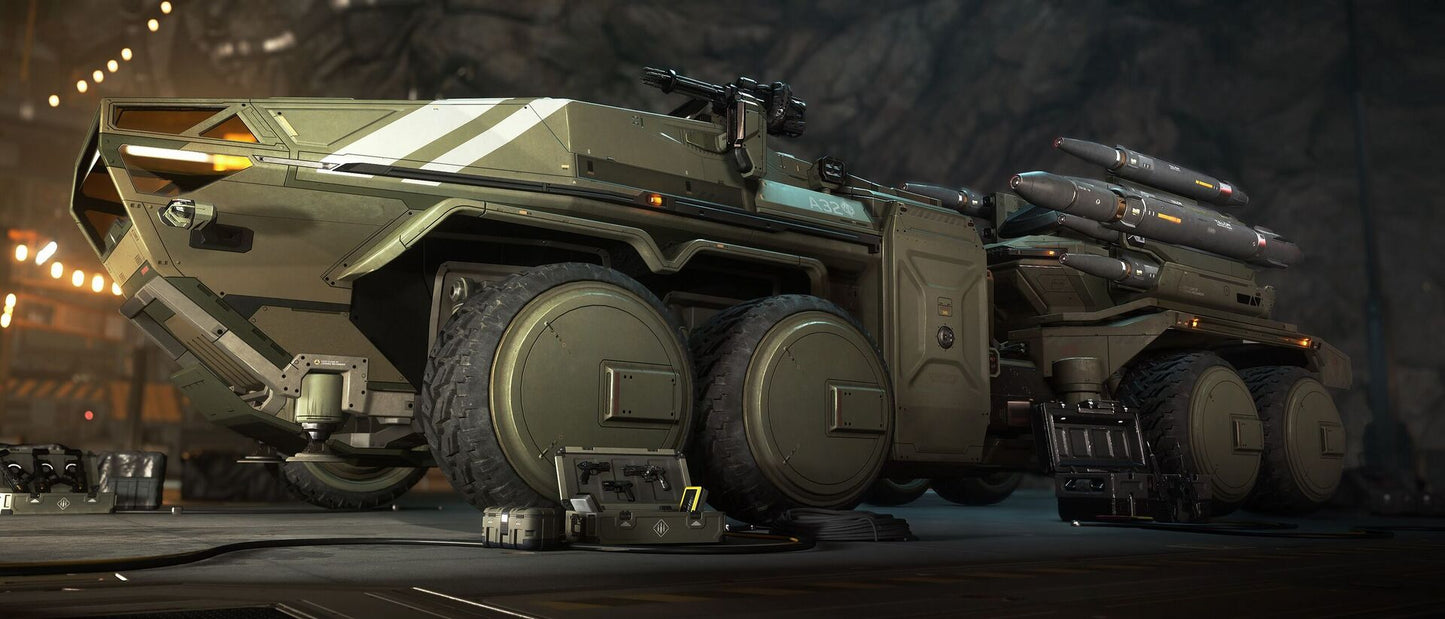
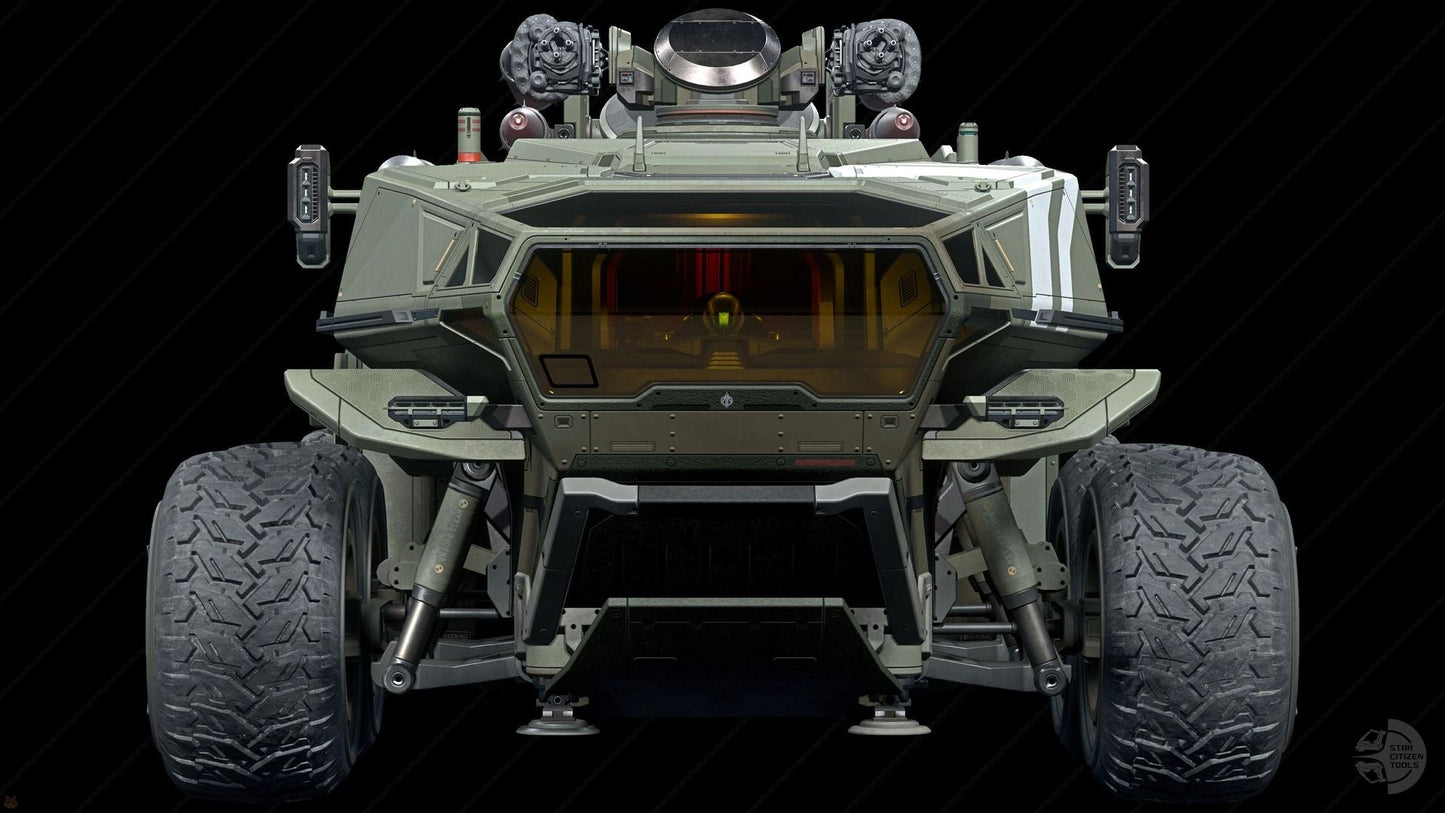
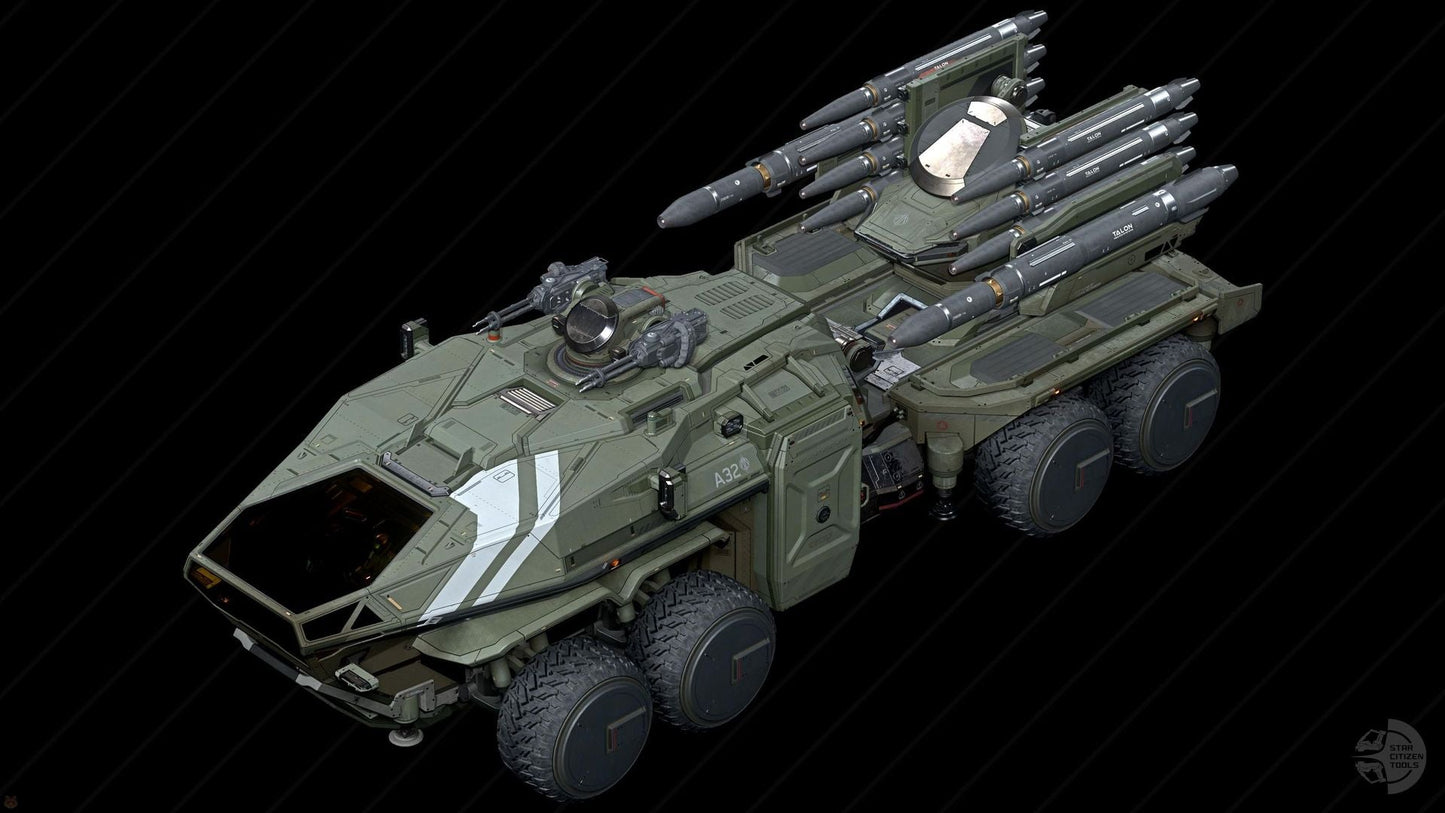
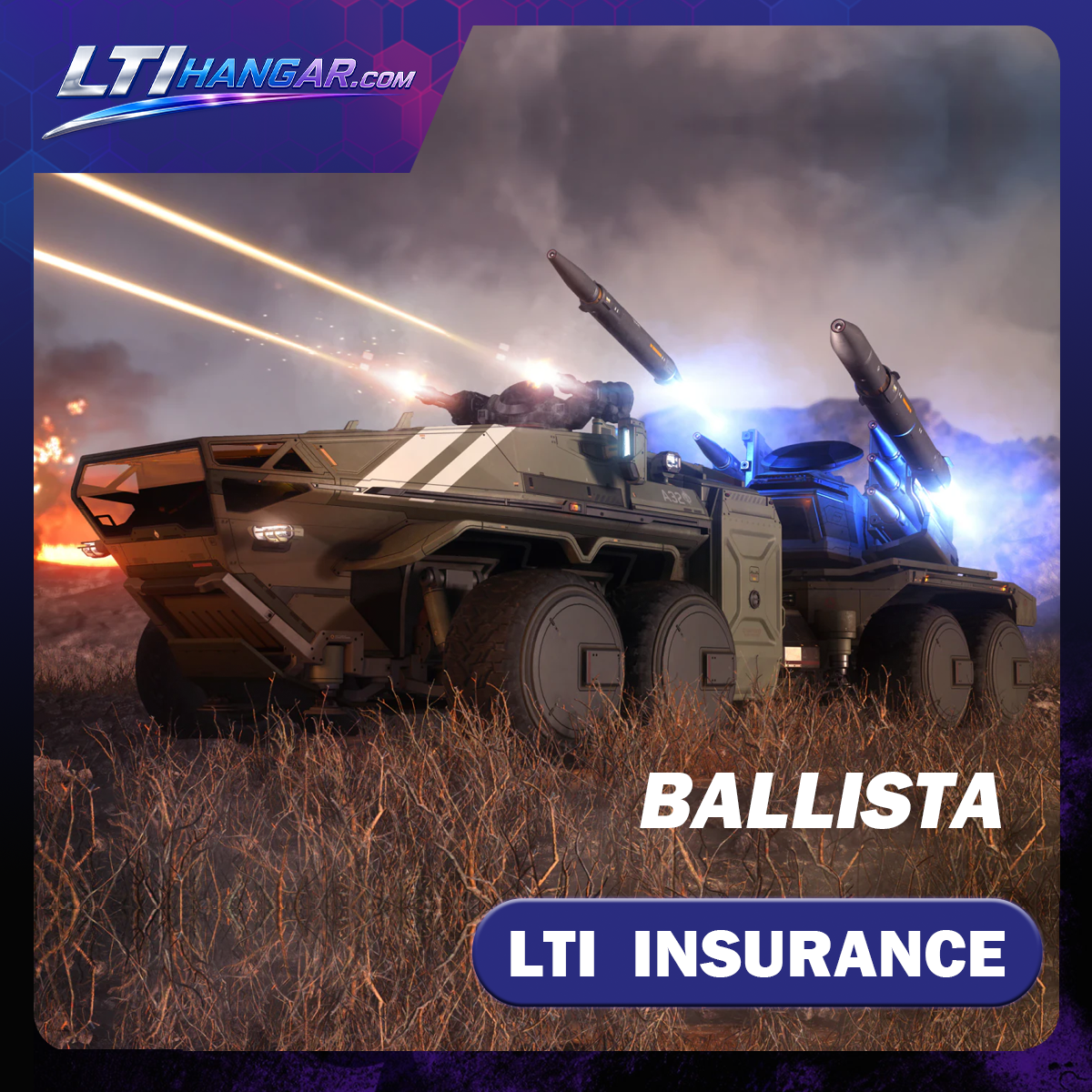
The Anvil Ballista is a two-person self-propelled air-defense vehicle built for Star Citizen players who want long-range surface-to-air missiles, protected ground positions, base defense, convoy support, and organized combined-arms gameplay.

It is not a main battle tank, troop transport, short-range gun platform, cargo vehicle, solo exploration rover, or general-purpose daily vehicle. The Ballista is best understood as the long-range anti-air member of Anvil’s Atlas Platform family: a large ground vehicle that uses heavy missiles to threaten aircraft and spacecraft before they can comfortably attack a defended position.

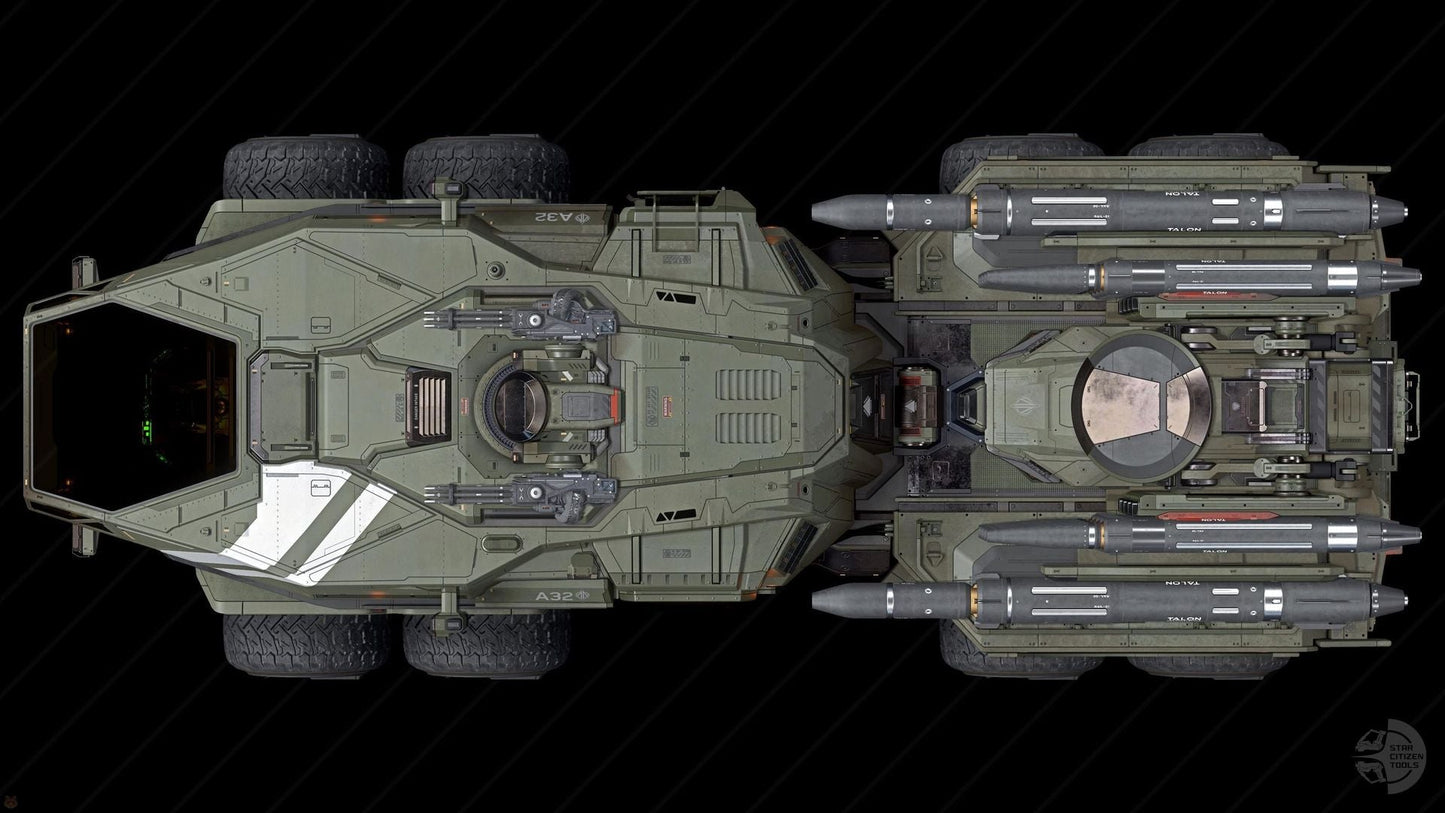
The Ballista carries eight Size 5 missiles, two Size 7 missiles, and a remotely operated turret fitted with two Size 2 ballistic Gatling guns. Its missile system can engage both airborne and ground targets when a valid lock is available, while the smaller turret provides close-range defense against enemies that move inside the missile platform’s preferred engagement distance.

The safest product-page positioning is simple:
The Ballista is the ground vehicle you choose to create long-range air-defense pressure — not for tank combat, troop transport, cargo, or independent solo roaming.

Build Your Anvil Ground-Defense Fleet with the Ballista

The Ballista is one of Star Citizen’s more specialized ground-combat vehicles. It is built around a simple strategic purpose: deploy to an important location, establish missile coverage, detect approaching threats, and force enemy pilots to respect the ground beneath them.

If you are looking to acquire this Anvil missile-defense platform, you can explore our available options in the Star Citizen Ships and Vehicles Collection.

Anvil Ballista Key Specifications

The Ballista uses the same 17-meter Atlas Platform chassis later shared with the Spartan and Centurion. Its published dimensions are 17 meters long, 7 meters wide, and 5.5 meters high, while the Atlas family’s road-speed reference is 35 m/s. Weapons, missile tracking, lock ranges, armor, signatures, targeting behavior, and component performance remain subject to current game balance.

Specification Anvil Ballista Gameplay Meaning
Manufacturer Anvil Aerospace Military-focused Human manufacturer with a clear ground-combat lineup.
Platform Atlas Platform Shares its core chassis family with the Spartan and Centurion.
Role Long-Range Ground-Based Air Defense Vehicle Built to threaten aircraft and spacecraft from prepared ground positions, not to replace tanks, rovers, or close-range anti-air vehicles.
Status Flight Ready / Driveable Available for current live gameplay.
Operational Positions Driver and missile gunner Best used by two players with clearly divided responsibilities.
Length 17 m Requires a large vehicle bay or specialist transport ship.
Width 7 m Much larger than Cyclone-class vehicles.
Height 5.5 m Tall enough to require careful carrier and garage planning.
Speed Reference 35 m/s Mobile enough to reposition, but not a fast scout or pursuit vehicle.
Primary Missiles 8× Size 5 Main anti-air ammunition for fighter and medium-target pressure.
Heavy Missiles 2× Size 7 Limited heavy ordnance for larger or more valuable targets.
Defensive Turret 2× Size 2 ballistic Gatling guns Close-range protection when enemies move inside missile range.
Missile Firing Requirement Vehicle must be stationary Requires deployment planning before combat begins.
Targeting Requirement Valid target lock No unrestricted free-fire artillery mode.
Cargo Capacity No practical cargo role Dedicated combat vehicle rather than a transport platform.
Transport Requirement Requires a large vehicle-capable ship or group deployment plan Hercules-class ships are the most practical reference, while other compatibility should be checked against current vehicle and hangar behavior.
Core Gameplay Base defense, convoy defense, area denial, anti-air ambush Best when deployed before enemy aircraft arrive.

RSI describes the Ballista as carrying eight Size 5 missiles, two Size 7 missiles, and a dual Size 2 ballistic turret. The official Q&A also confirms that the missile launcher must be stationary when firing, while the driver can operate the smaller Gatling turret while the vehicle moves. The safest way to present these numbers is as the official published Tracker Mk II configuration rather than permanent final values. RSI’s Ship Matrix states that vehicle specifications can change during design and game balancing.

What Makes the Anvil Ballista Valuable?

The Ballista is valuable because it allows a ground force to influence the airspace above it. Most ground vehicles can defend themselves only after an aircraft has already approached closely. The Ballista is designed to threaten airborne targets from farther away, forcing pilots to react before they can comfortably line up attacks against a base, convoy, or landing area.

The Ballista does not chase aircraft. It makes aircraft reconsider entering the area.

Its defining qualities are:

  • Heavy surface-to-air missile payload
  • Long-range defensive identity
  • Two missile sizes
  • Ground and airborne target capability
  • Relatively low electromagnetic-signature concept
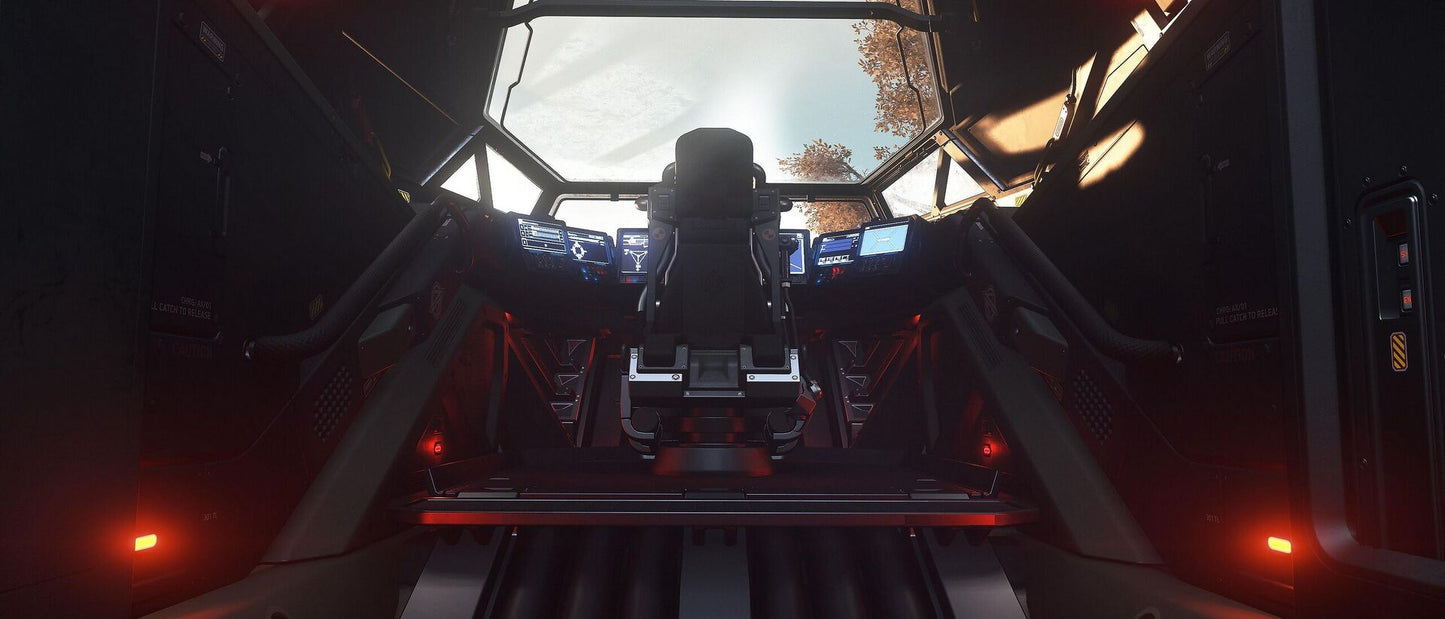
  • Armored crew cabin
  • Close-range Gatling defense
  • Mobile Atlas chassis
  • Useful combined-arms value
  • Clear area-denial role

The Ballista is not valuable because it wins every direct fight. It is valuable because it can change how enemy pilots approach the battlefield.

Long-Range Anti-Air Gameplay Role

The Ballista’s primary role is long-range air defense. Its large missiles are intended to threaten ships before they reach close attack distance. This can discourage low-altitude bombing runs, delay hostile dropships, pressure hovering gunships, and create a protected operating area for friendly infantry and vehicles.

The original Ballista Q&A gave a historical effective detection-and-engagement reference of approximately 10 kilometers against most fighters, with potentially greater distances against larger ships producing stronger infrared or electromagnetic signatures. That figure should be treated as an earlier developer reference rather than a guaranteed current lock range, because sensor and missile systems continue to change.

Defensive Use Why the Ballista Fits
Base defense Heavy missiles force approaching ships to respond before beginning an attack run.
Convoy protection Can cover cargo vehicles, troop transports, and industrial assets during movement or unloading.
Landing-zone denial Makes repeated low-altitude approaches more dangerous.
Dropship deterrence Pressures Valkyrie-, Prowler-, or similar assault operations before deployment.
Fleet staging defense Protects ships while they land, refuel, load vehicles, or organize.
Objective control Adds a long-range defensive layer around ground-based PvP objectives.
Large-target pressure Size 7 missiles provide limited heavy ordnance against higher-signature targets.
The Ballista is most useful before the enemy reaches the objective, not after hostile ships are already hovering directly above it.

Size 5 and Size 7 Missile Payload

The Ballista carries two different missile classes: eight Size 5 missiles and two Size 7 missiles. This gives the crew a limited but meaningful choice between its standard anti-air ammunition and its heavier ordnance.

Missile Group Best General Use Main Limitation
8× Size 5 missiles Fighters, dropships, medium ships, repeated defensive launches Ammunition can disappear quickly during a prolonged engagement.
2× Size 7 missiles Larger targets or higher-value attack opportunities Only two are carried, so poor launches are expensive.
The Ballista carries heavy missiles, but it does not carry enough ammunition to fire carelessly.

The Ballista’s missile turret is bespoke. RSI stated that the turret type and core launcher configuration were not planned to be replaced with completely different weapon systems, although missile-loadout customization was intended to provide some flexibility.

Stationary Firing Requirement

The Ballista must be parked before firing its main missile artillery. This restriction is central to the vehicle’s gameplay. The crew cannot simply drive at full speed while launching heavy missiles like a lighter combat rover.

The Ballista is mobile between firing positions, but it becomes a deployed weapon system when the missiles are needed.

A practical deployment sequence looks like this:

  • Transport the Ballista to the operational area.
  • Move away from the carrier or unloading point.
  • Select terrain with a clear view of likely approaches.
  • Avoid exposing the vehicle directly on the highest visible ridge.
  • Stop the vehicle.
  • Allow the gunner to search for and lock targets.
  • Fire only when the launch path is safe.
  • Reposition after the position has been discovered.
  • Return for rearming when ammunition becomes too limited.

Target Lock and Line-of-Sight Expectations

The Ballista is not a traditional free-fire artillery vehicle. Its missiles currently require a target lock. The original design Q&A also stated that both airborne and ground targets required sufficient signature and line of sight for the Ballista to lock them. CIG discussed future target-data sharing through ships or forward operators, but that should not be marketed as guaranteed current functionality.

The Ballista fires guided missiles at identified targets; it does not blindly bombard any point on the map.

Low-Signature Ambush Potential

The original Ballista promotion emphasized its relatively small electromagnetic signature for a vehicle carrying such heavy ordnance. That concept allows the platform to function as more than a visible missile tower placed on open ground.

The Ballista can be difficult to notice before it fires, but launching missiles usually reveals that the area is defended.

Close-Range Gatling Defense

The Ballista includes a remotely operated turret fitted with two Size 2 ballistic Gatling guns. These weapons exist to protect the crew when an enemy moves too close for the main missile role, when infantry or light vehicles approach, or when the Ballista must defend itself while changing positions.

Gatling-Turret Strength Practical Meaning
Dual Size 2 ballistic weapons Provides real close-range defensive fire.
Driver-controlled The vehicle retains some combat capability while the gunner focuses on missiles.
Can operate while moving Useful during withdrawal or repositioning.
Remote operation Crew members remain inside the protected cabin.
Limited size Not a replacement for the Centurion’s dedicated anti-air gun turret.
Ballistic ammunition Requires ammunition awareness and eventual resupply.
The Gatling turret helps the Ballista survive close contact; it does not turn the vehicle into a frontline gun tank.

Driver and Gunner Gameplay

The Ballista is best used by two players. The driver manages movement, terrain, concealment, vehicle positioning, withdrawal, and the close-defense turret. The gunner manages target search, missile selection, locks, launch timing, and ammunition discipline.

Crew Position Main Responsibilities
Driver Drives, selects terrain, controls positioning, manages escape routes, and operates the defensive Gatling turret.
Missile Gunner Searches for contacts, selects missiles, establishes locks, confirms firing lanes, and controls the primary launcher.
The Ballista works best when the driver thinks about survival and the gunner thinks about airspace control.

Solo Gameplay Expectations

The Ballista can be moved and partially defended by one player, but it is not an ideal solo combat vehicle. A solo operator must choose between driving and using the dedicated missile station. This creates delays whenever the vehicle needs to move, stop, change seats, search for targets, fire, and then return to the driver position.

Solo Ballista is possible for prepared defense, but two-player Ballista is the practical combat configuration.

Real Player Use: Where the Ballista Feels Good

The Ballista feels best when the crew has time to prepare. A real player does not experience it as a missile tank that can be driven into any random battle and immediately control the fight. Its value appears when the crew understands where the enemy is likely to approach, unloads the vehicle before combat begins, finds a concealed firing position, and coordinates with friendly forces.

The Ballista feels powerful when the battlefield comes toward it; it feels cumbersome when it is forced to chase the battlefield.

When the Ballista’s Advantage Becomes Less Important

The Ballista should not be presented as a universal solution to every ground battle. Its specialist advantage becomes less useful when there are no aircraft present, terrain blocks target locks, or the target is already directly overhead.

When there is no airspace to defend, the Ballista becomes a slow ground vehicle with a small defensive turret and limited practical purpose.

Armor and Survivability Expectations

The Ballista uses a heavily fortified cabin intended to keep its operators protected during combat. However, it should not be treated as a main battle tank simply because it is large and armored.

The Ballista is armored enough to operate in a combat zone, but it should avoid becoming the center of the ground fight.

Ammunition and Rearming Expectations

The Ballista’s most useful weapons are expendable. Once its ten main missiles have been used, the vehicle loses the primary capability that defines it.

The Ballista is threatening while loaded, but every deployment needs an ammunition and recovery plan.

Transport and Deployment Requirements

The Ballista cannot travel between planets by itself. It requires a spacecraft with enough internal vehicle space or another suitable transport solution. RSI originally identified the Hercules and Idris series as the ships specifically designed to carry the Ballista securely inside with their doors closed.

Buying a Ballista is also a transport decision.
Transport Option Ballista Use
C2 Hercules Practical heavy transport with substantial vehicle space.
M2 Hercules Armored military transport for deploying vehicles into more dangerous areas.
A2 Hercules Can deploy one heavy vehicle while also serving as a bombing platform.
Idris Series Capital-scale military transport and fleet deployment.
Liberator / Asgard Planned light transport carrier options with large flat-bed vehicle surfaces. Supports heavy layouts.
890 Jump Historically described as physically capable across the rear platform, but not optimized for military deploy roles.

Cargo and Daily Utility Expectations

The Ballista is not a cargo vehicle. Its interior is designed around the driver, missile operator, military systems, and crew protection rather than freight movement, delivery missions, habitation, or civilian utility.

The Ballista carries missiles and crew, not cargo.

Direct Vehicle Comparisons

Anvil Ballista vs Anvil Centurion

Both vehicles use the Anvil Atlas Platform and defend ground forces from airborne threats. However, the Ballista is a long-range missile platform, while the Centurion is a shorter-range gun-based anti-air vehicle.

Vehicle Best For Main Difference
Anvil Ballista Long-range anti-air and heavy missile attacks Carries 8× Size 5 and 2× Size 7 missiles. Deterring aircraft before they approach.
Anvil Centurion Short-range sustained anti-air gunfire Uses four Size 4 laser repeaters instead of limited heavy missiles. Fighting aircraft near the position.
Choose the Ballista if you want long-range missile defense. Choose the Centurion if you want sustained short-range anti-air gunfire.

Anvil Ballista vs Tumbril Storm AA & Cyclone AA

Vehicle Best For Main Difference
Anvil Ballista Heavy long-range anti-air area denial Larger Size 5 and Size 7 missiles with higher individual strike value on an Atlas hull.
Tumbril Storm AA Compact missile-based air defense More compact tracked platform; trades individual missile size for greater ammo quantity.
Tumbril Cyclone AA Fast light mobile anti-air support Lightweight buggy footprint; easier transport and repositioning but minimal payload.
Choose the Cyclone AA for small-team mobility. Choose the Storm AA for compact missile defense. Choose the Ballista if you want heavy long-range missile coverage.

Anvil Ballista vs Tumbril Nova & Anvil Spartan

Vehicle Best For Main Difference
Anvil Ballista Anti-air and anti-space defense from ground Uses heavy guided missiles; completely lacks direct-fire armor-piercing anti-tank guns.
Tumbril Nova Heavy armor frontline ground combat Main battle tank platform utilizing tracked artillery and heavy direct-fire ground shell arrays.
Anvil Spartan Armored personnel troop transport Replaces the entire weapon bay assembly with armored jump-seats for up to eight infantry passengers.
Choose the Spartan to deliver troops safely. Choose the Nova to fight ground vehicles. Choose the Ballista to defend the airspace above your ground force.

Anvil Ballista vs Ground Air-Defense Family

Ground Air-Defense Option Best For Main Difference
Anvil Ballista Heavy long-range missile defense Larger missiles, stronger single-launch threat, and more logistical requirements.
Anvil Centurion Sustained short-range anti-air gunfire Energy repeaters and closer defensive coverage with infinite ammo capacity.
Tumbril Storm AA Smaller missile-based air defense More compact tracked chassis with more, smaller missiles.
Tumbril Cyclone AA Light mobile anti-air support Easier to transport and reposition, but much lighter threat profile.
Choose the Ballista when you want heavy missiles and area denial. Choose the Centurion when you want sustained close-range anti-air gunfire. Choose the Storm AA when you want a smaller missile vehicle with more shots. Choose the Cyclone AA when mobility and easy transport matter more than heavy missile threat.

Explore Anvil Ballista Upgrade Paths

Players who prefer to build toward the Ballista from another pledge can explore available Star Citizen Ballista CCU Upgrades and plan an Anvil ground-combat or combined-arms fleet over time.

Before purchasing, buyers should confirm whether the listing is a standalone vehicle, an original pledge, or a CCU-upgraded pledge. Standard variants, Snowblind editions, or Dunestalker livery packages use the same baseline specifications.

Anvil Ballista vs Other Star Citizen Ground Vehicles

Vehicle Fleet Option Primary Core Role Compared with the Ballista
Anvil Ballista Long-Range Missile Air Defense Good for heavy surface-to-air missiles and area denial.
Anvil Centurion Short-Range Gun Air Defense Better for sustained close-range aircraft engagement.
Tumbril Storm AA Compact Missile Air Defense Smaller and carries more, lighter missiles.
Tumbril Cyclone AA Light Mobile Air Defense Faster and easier to transport, but less threatening.
Tumbril Nova Main Battle Tank Better for heavy armored ground combat.
Anvil Spartan Armored Personnel Carrier Better for transporting infantry forces.
Greycat ROC Mining Vehicle Better for ground-resource extraction.
RSI Ursa Rover Exploration Rover Better for general travel, crew transport, and exploration. Fits variants like the Ursa Fortuna or Medivac.

Anvil Ballista Strengths and Limitations

Strategic Strengths Operational Limitations
Eight Size 5 and two Size 7 missiles Only ten primary missiles before rearming is required.
Clear long-range anti-air role Much less useful when no airborne targets are present.
Can threaten both airborne and locked ground targets Requires target lock and suitable line of sight. No blind artillery bombardment.
Creates area denial around bases and objectives Cannot pursue aircraft effectively. Slow top road speed reference.
Relatively low-signature defensive concept Firing can reveal the defended area and launch direction.
Heavily protected crew cabin Not a main battle tank and vulnerable to dedicated heavy ground attacks.
Dual Size 2 Gatling defensive turret Close-defense turret is weaker than specialist gun platforms.
Driver and gunner can divide responsibilities Solo operation requires inconvenient seat changes between stations.
Mobile between firing positions Main missiles require the vehicle to be completely stationary.
Works well with Centurion, Nova, and infantry support Needs combined-arms support when enemies reach close range.

Who Should Buy the Anvil Ballista?

The Anvil Ballista is best for players who want a dedicated long-range ground-based missile-defense platform. It is especially suitable for organized PvP groups, player organizations, base-defense crews, ground-combat teams, convoy operators, and owners of large logistics ships.

It is also a useful fleet addition for players who already have transport and ground-support roles covered. A Hercules can deliver it, a Centurion can cover its close-air gap, a Nova can protect it from tanks, and infantry can prevent enemy ground teams from reaching the launcher. New players who operate entirely alone or lack large vehicle logistics should evaluate standard starters first.

Anvil Ballista FAQ

Is the Anvil Ballista worth buying in Star Citizen?

Yes, if you want long-range surface-to-air missiles, base defense, convoy protection, and combined-arms gameplay. It is not ideal if you want a versatile daily vehicle, tank combat, cargo, fast scouting, or easy solo operation.

Is the Anvil Ballista Flight Ready?

Yes. The Ballista is Flight Ready and remains part of Anvil’s current playable military lineup. It was originally released directly into Alpha 3.6 and continues to appear in RSI’s current event listings.

What is the main role of the Ballista?

The Ballista is a self-propelled air-defense system designed for terrestrial anti-air and anti-space operations. Its primary purpose is to protect ground positions from airborne attacks.

How many missiles does the Ballista carry?

The Ballista carries eight Size 5 missiles and two Size 7 missiles.

How many crew members does the Ballista need?

It is best operated by two players: one driver and one missile gunner. The driver controls movement and can operate the defensive Gatling turret, while the gunner controls the main missile launcher.

Can the Ballista be used solo?

Yes, but solo operation is less efficient. One player must move between the driving and missile-control positions, making rapid repositioning and engagement more difficult.

Can the Ballista fire while moving?

Its main missile launcher requires the vehicle to be stationary. The driver can still operate the defensive Gatling turret while driving.

Can the Ballista shoot ground targets?

Yes, provided the target produces sufficient signature, has a valid lock, and meets current targeting requirements. The Ballista does not have unrestricted free-fire bombardment.

What is the Ballista’s missile range?

An older developer Q&A gave an effective reference of around 10 kilometers against most fighters, with potentially greater detection and engagement distance against larger, higher-signature ships. Current practical range can differ because sensors, signatures, missiles, and targeting systems continue to change.

Does the Ballista have cargo space?

It has no meaningful cargo role. Its internal space is dedicated to crew, combat systems, and missile equipment rather than freight transport.

Which ships can carry the Ballista?

The Hercules series (C2, M2, A2) was specifically identified by RSI as being designed to transport the Ballista fully inside with the doors closed. The Idris, Liberator, and Asgard are also designed to accommodate vehicles in this heavy size class.

Ballista or Centurion: which should I choose?

Choose the Ballista for long-range missile defense. Choose the Centurion for sustained short-range anti-air fire using laser repeaters. RSI describes the two as complementary defensive systems.

Ballista or Nova: which should I choose?

Choose the Ballista to fight aircraft and spacecraft from the ground. Choose the Nova for heavy direct combat against ground vehicles and fortified positions.

Is the Ballista good for base defense?

Yes. Base and outpost defense are among its clearer uses because the crew can prepare a concealed firing position and cover likely aircraft approaches.

Is the Ballista Snowblind a different vehicle?

No. Snowblind is a special Ballista presentation or paint package rather than a different combat variant. The core missiles, crew roles, chassis, and gameplay purpose remain those of the standard Ballista.

Recently viewed products

Your recently viewed is empty

Continuer mes achats