Contact our Discord live support; we are online 24/7.
Por qué los jugadores eligen LTI Hangar
Entrega rápida de naves, soporte real y un proceso claro mediante RSI Gift — diseñado para jugadores de Star Citizen que quieren comprar de forma más fácil, segura y sin complicaciones.
Entrega media en 20–30 minutos
Soporte en Discord 24/7
Equipo gamer con más de 10 años de experiencia
Compra segura: stock propio, sin vendedores externos
Soporte posventa fiable
Seguimiento del pedido en tiempo real
Preguntas frecuentes
¿Cuánto suele tardar la entrega?
Los pedidos de naves, CCU, pinturas e items de Star Citizen normalmente se entregan en 20–30 minutos.
En casos raros, la entrega puede tardar hasta 12 horas por alta demanda, límites de RSI Gift, estado de la cuenta o verificaciones manuales.
Normalmente, no permitimos que la entrega de una nave supere las 12 horas, salvo que haya un problema excepcional, como limitaciones del sistema de RSI, restricciones de la cuenta o una verificación pendiente del cliente.
¿Mi pedido de nave está protegido?
Sí. La seguridad y la fiabilidad son nuestra prioridad.
Todas las naves de LTI Hangar salen de nuestro propio stock. No trabajamos con vendedores externos ni con proveedores terceros desconocidos.
Cada entrega queda registrada de forma clara, para que el proceso pueda revisarse y rastrearse si necesitas soporte. También ofrecemos 6 meses de protección posventa para problemas elegibles relacionados con la entrega.
Este control de stock propio, entrega trazable y protección posventa no es algo habitual en muchos marketplaces de terceros. Por eso, muchos jugadores eligen LTI Hangar para comprar naves de Star Citizen de forma más segura y con mayor tranquilidad.
¿Qué es la protección posventa de 6 meses?
Si ocurre algún problema con un item durante la entrega o dentro de los 6 meses posteriores a la entrega completada, investigaremos el caso.
Si confirmamos que el problema fue responsabilidad nuestra, te ofreceremos un reemplazo o un reembolso.
Para revisar el caso, puede que necesitemos pruebas como capturas de tu RSI Hangar, detalles del pedido o registros del RSI Hangar Log.
El RSI Hangar Log nos ayuda a comprobar el historial de la nave, por ejemplo si fue reclamada, melted, transferida, intercambiada o modificada después de la entrega.
¿Por qué otros marketplaces no suelen ofrecer esto?
Muchos marketplaces dependen de vendedores externos o de inventario mezclado, lo que dificulta rastrear cada entrega con claridad.
En LTI Hangar, todas las naves salen de nuestro propio stock y cada pedido tiene registros claros de entrega. Por eso podemos ofrecer un soporte más seguro, fiable y con protección posventa de hasta 6 meses.
¿Puedo pedir un reembolso después de reclamar la nave, CCU, pintura o item?
Una vez reclamado el RSI Gift, la nave, CCU, pintura o item queda vinculado a la cuenta RSI que lo ha aceptado.
Por las limitaciones del sistema de regalos de Star Citizen, un item reclamado normalmente no puede volver a enviarse, devolverse, revertirse ni transferirse a otra cuenta. Por eso, los items ya reclamados normalmente no pueden cancelarse ni reembolsarse.
Solo podremos ofrecer una corrección, reemplazo o reembolso si confirmamos que el problema fue responsabilidad nuestra, por ejemplo si se envió un item incorrecto, hubo un error de entrega o existe otro problema de entrega verificado causado por nosotros.
Antes de hacer clic en “Claim Gift”, asegúrate de estar conectado a la cuenta RSI correcta. Si el regalo se reclama en una cuenta equivocada, normalmente no podrá moverse a otra cuenta.
¿Qué pasa si recibo una nave, CCU, pintura o item equivocado?
Si comprobamos que el item incorrecto fue entregado por un error nuestro, revisaremos el caso y te ofreceremos una solución: corrección, reemplazo o reembolso, según corresponda.
Para poder revisarlo, contáctanos con tu número de pedido, el email usado al finalizar la compra y capturas claras de tu RSI Hangar.
Why are the names of the Star Citizen ships I received different?
Una nave o vehículo Standalone CCU’ed es una nave o vehículo completo. ¡No es una mejora!
CCU’ed simplemente significa que se creó mejorando una nave o vehículo más pequeño hasta convertirlo en el modelo que estás comprando.
Ten en cuenta también que, en el correo de regalo, solo aparecerá el nombre de la nave utilizada como base para la mejora. No te preocupes: la nave real que verás en tu hangar será exactamente la que has pedido.
Por ejemplo, así es como se ve una Polaris CCU’ed en el hangar del sitio web de RSI.
CÓMO FUNCIONA
Rápido, sencillo y seguro. Descubre cómo funciona.
Anvil Hurricane Standalone Ship Gameplay Guide
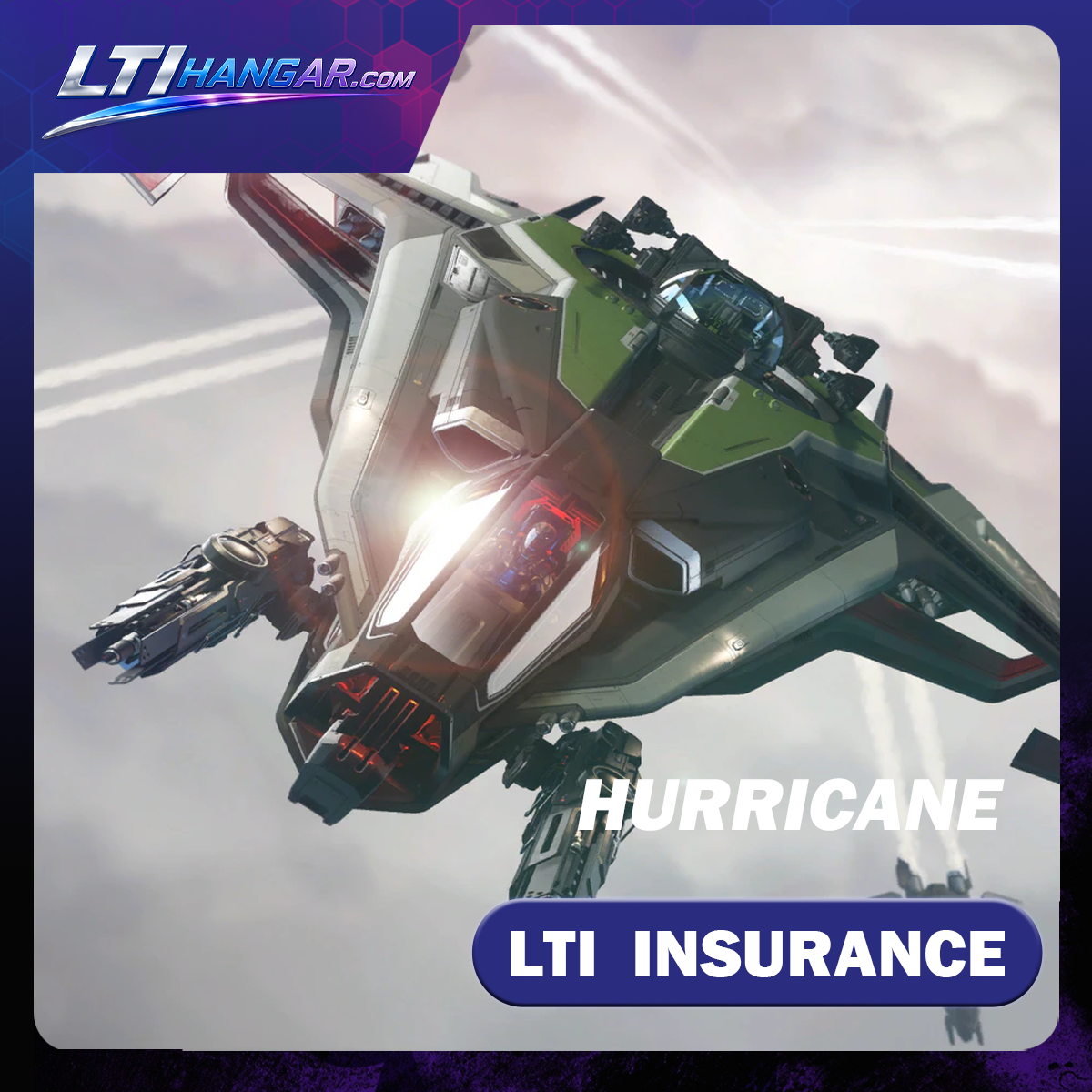
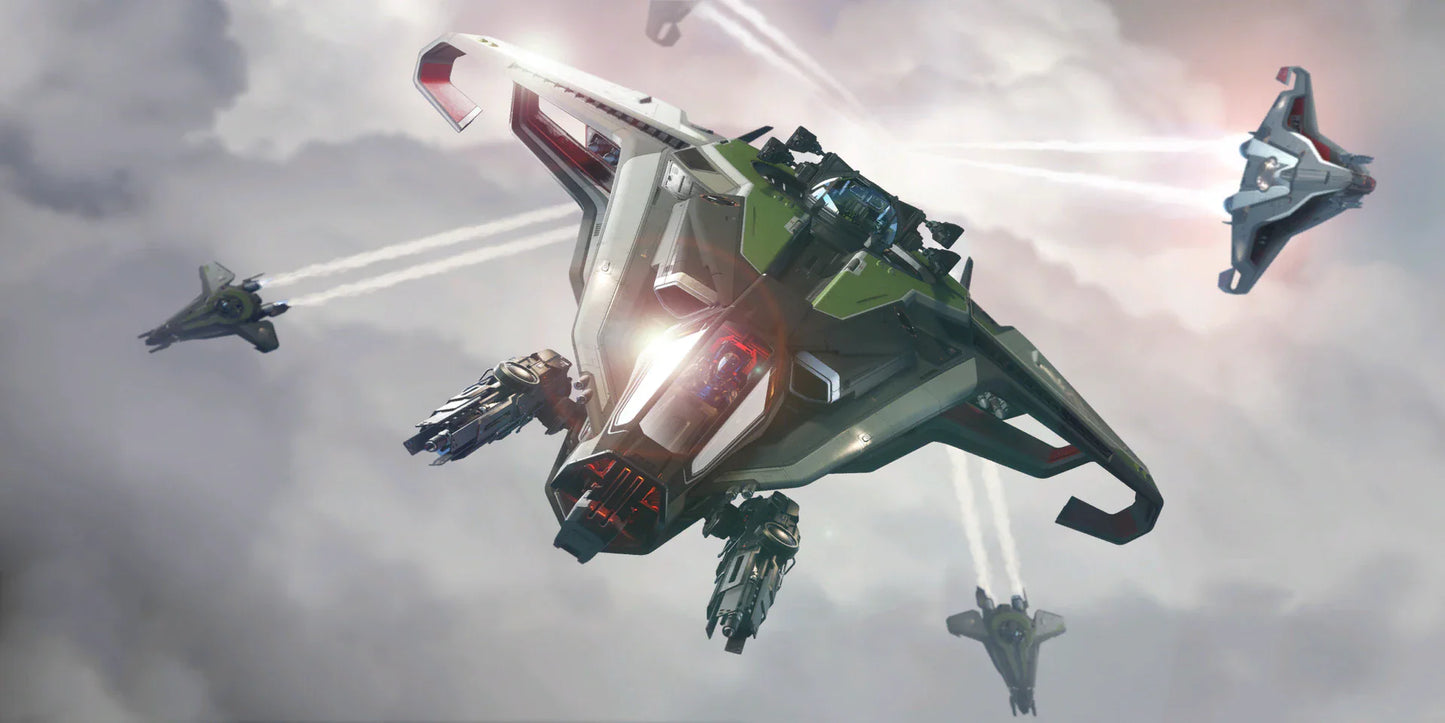
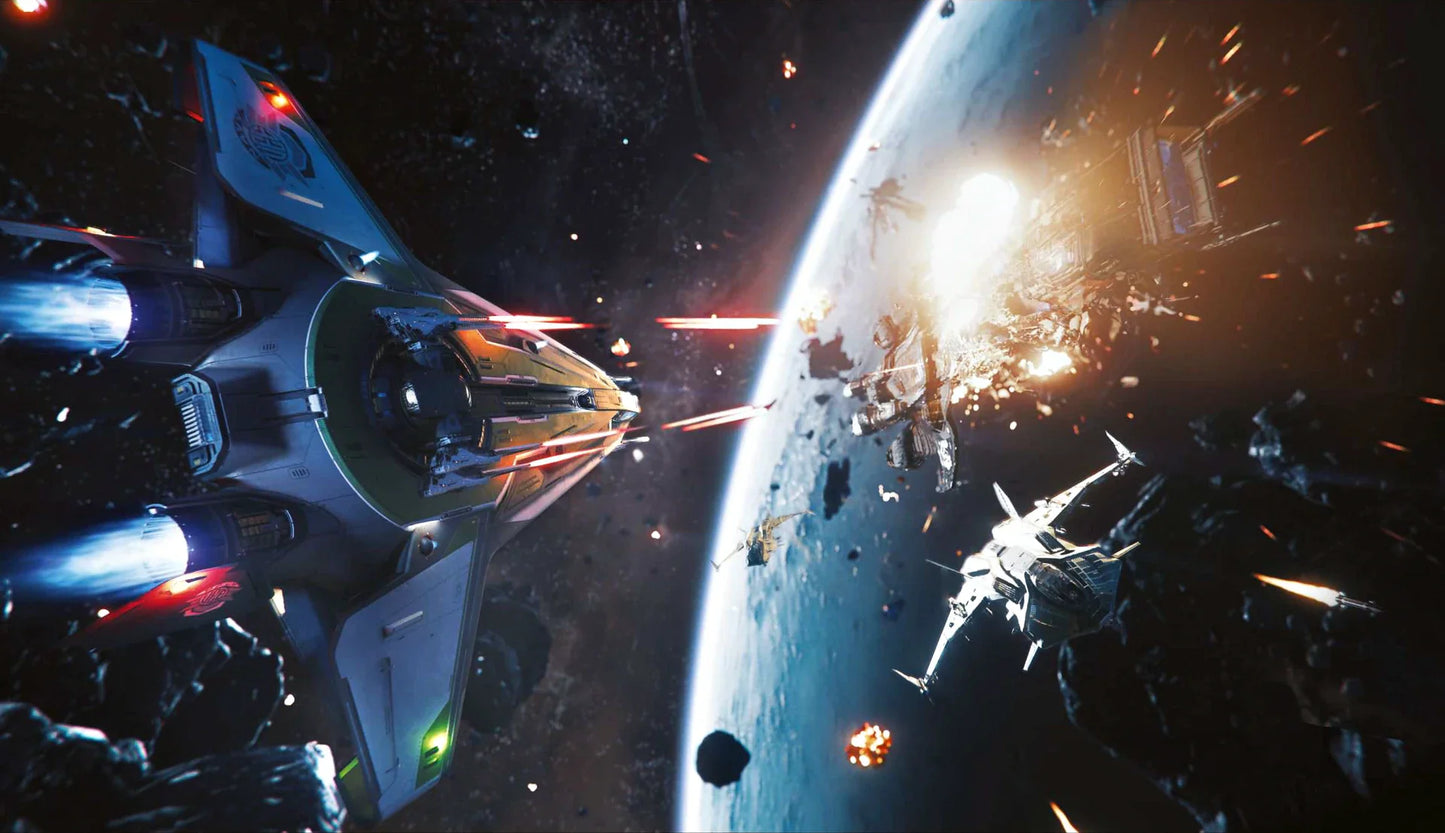
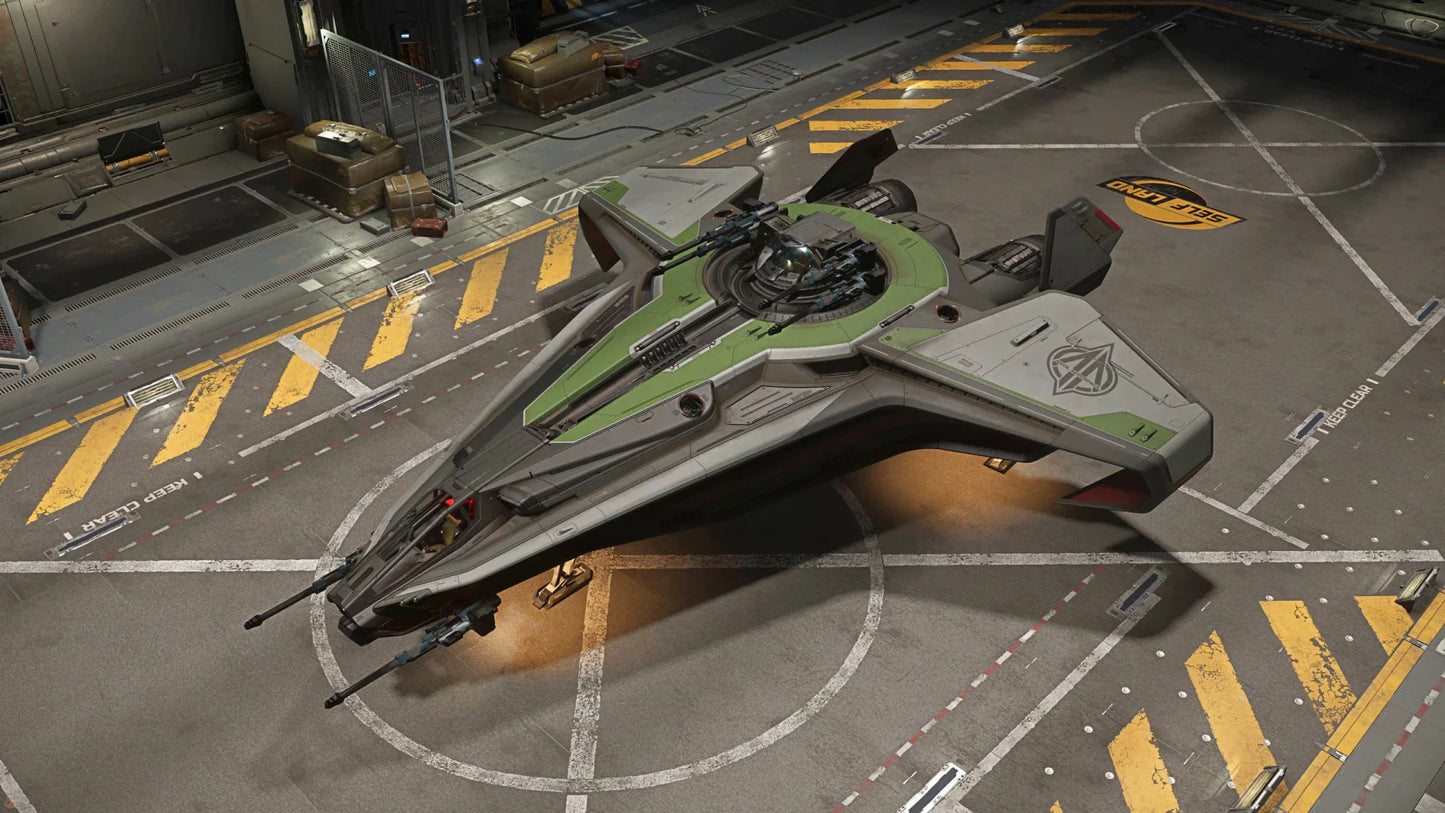
The Anvil Hurricane is a Flight Ready compact two-seat heavy fighter built for Star Citizen players who want pilot-and-gunner teamwork, high short-window gun pressure, and a high-risk combat style. It is not a cargo ship, stealth fighter, long-range patrol ship, solo dogfighter, bomber, or luxury combat craft. The Hurricane is best understood as a glass hammer: small, dangerous, heavily armed, and much more useful when both seats are filled.
Official RSI material describes the Hurricane as a ship that is faster than it is nimble, designed to rush in, hit hard, and then disengage instead of staying in a turning dogfight. RSI also says the Hurricane is at its best with a coordinated pilot and turret gunner, because the pilot focuses on survival and positioning while the gunner keeps pressure on the target.
The safest product-page positioning is simple:
The Hurricane is the Anvil fighter you choose when you have a reliable gunner and want high short-window damage — not when you want solo comfort, cargo utility, or long-range endurance.
Build Your Anvil Fighter Fleet with the Hurricane
The Hurricane is a good choice for players who want a compact combat ship that becomes much more useful with two players. If you are looking to acquire this Anvil heavy fighter, you can explore our available options in the Star Citizen Ships and Vehicles Collection.
Hurricane Key Specifications
| Specification | Anvil Hurricane | Gameplay Meaning |
|---|---|---|
| Manufacturer | Anvil Aerospace | Human military fighter manufacturer with clear fighter and combat identity. |
| Role | Heavy Fighter | Current reference data lists the Hurricane as a heavy fighter, despite its small frame. |
| Status | Flight Ready | Current reference data lists the Hurricane as Flight Ready, with Flight Ready history from Alpha 3.2.0. |
| Crew | 2 / pilot + turret gunner focus | The Hurricane can be flown solo, but its real value depends heavily on having a coordinated gunner. |
| Cargo | 0 SCU combat-only reference | No cargo, box-running, trade, exploration, or daily utility role; this is a focused combat ship. |
| Dimensions | 22m length / 18.2m width / 6m height | Compact heavy fighter footprint with large gun output. |
| Current SCM / Max Speed Reference | 214 m/s SCM / 1,125 m/s max | Current live reference values; fighter balance can change by patch. |
| Pilot Weapons | 2× Size 4 guns current reference | Heavy forward pressure controlled by the pilot. |
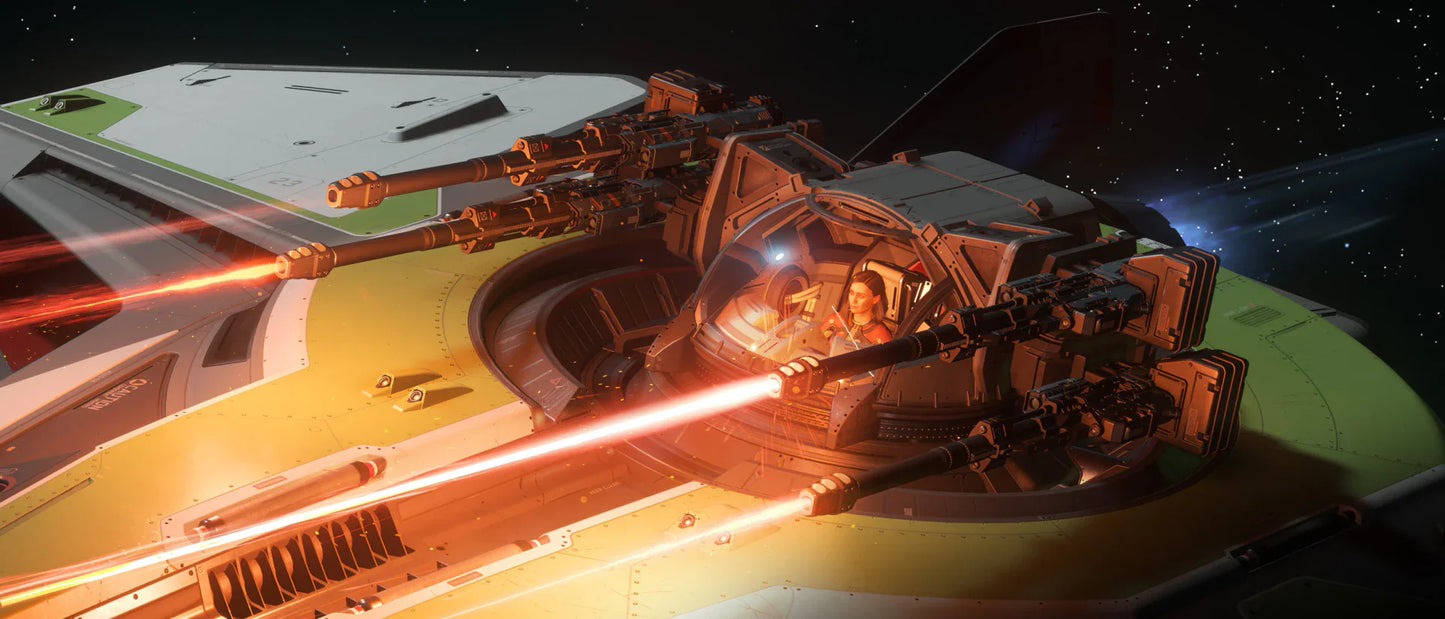
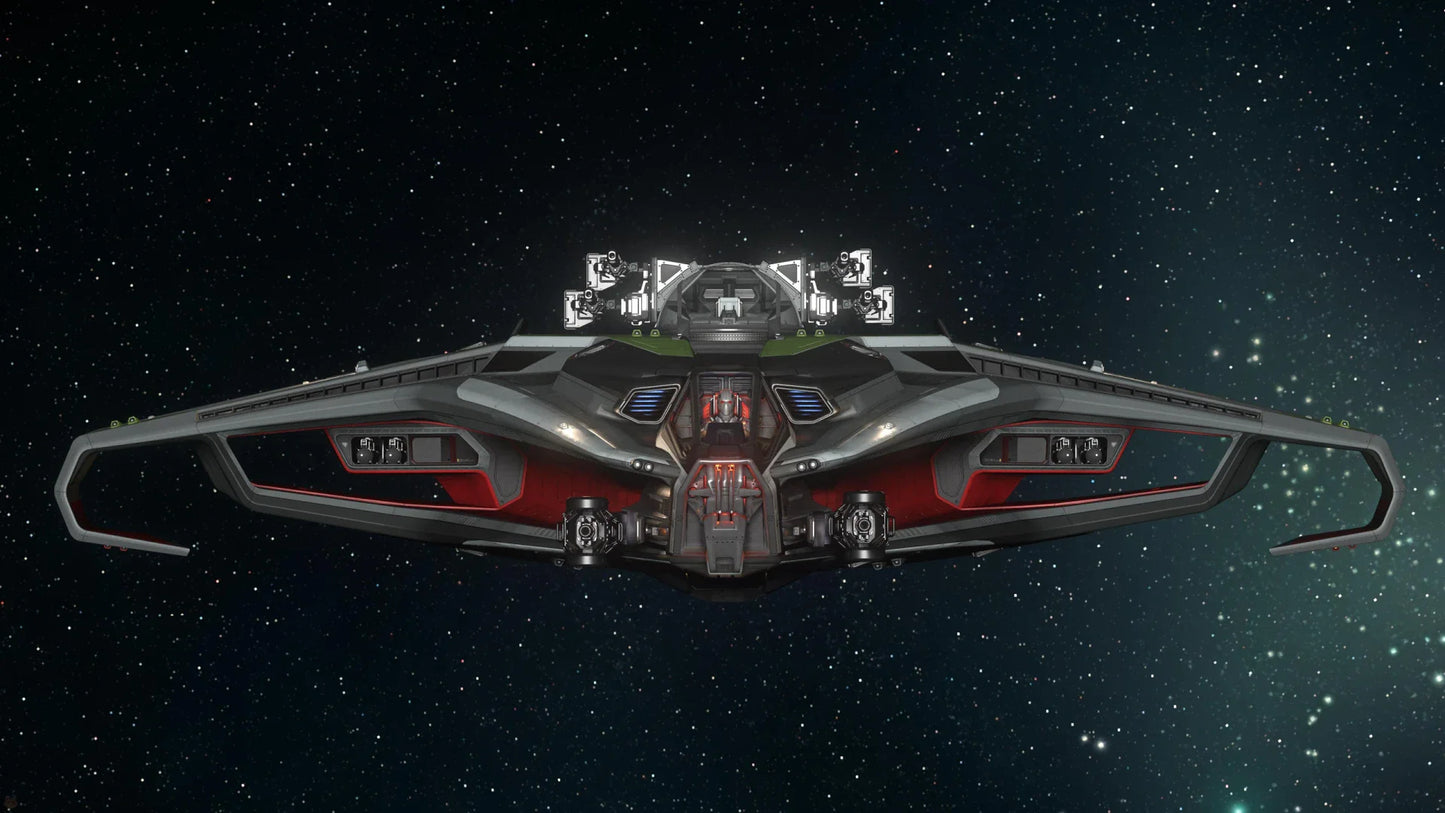
| Manned Turret | 4× Size 3 guns current reference | Main reason the Hurricane becomes dangerous with a gunner. |
| Missiles | 4× Size 2 missiles current reference | Small missile layer; guns define the ship more than missiles. |
| Core Gameplay | Two-seat burst damage, attack runs, target focus, group fighter support | Best for coordinated short-window damage and target pressure, not prolonged solo dogfighting or long-range patrol. |
Note: Star Citizen weapon balance, turret behavior, armor, shields, power management, flight model, and fighter matchups can change between patches. Treat exact values as current gameplay-reference information rather than permanent final numbers.
What Makes the Hurricane Valuable?
The Hurricane is valuable because it concentrates a lot of firepower into a very small combat frame. RSI’s Q&A describes the ship as having high performance potential with significant risk management as the price of entry. That is the best way to explain the ship to buyers: it can hit very hard, but it does not forgive careless flying.
The Hurricane is not the safest fighter. It is the fighter you bring when two players want to apply heavy pressure before the target can properly respond.
That is the core buyer message. The Hurricane is not a flexible daily ship. It is a focused combat tool.
Two-Seat Heavy Fighter Gameplay Role
The Hurricane’s main role is coordinated two-seat combat. The pilot chooses the attack angle, controls the ship’s movement, and keeps the Hurricane alive. The turret gunner adds the pressure that makes the ship dangerous.
In practical gameplay, the Hurricane fits several roles:
| Gameplay Use | Why the Hurricane Fits |
|---|---|
| Two-player combat | The pilot and gunner both have meaningful jobs. |
| Attack runs | RSI describes the Hurricane as suited to rushing in, hitting hard, and regrouping. |
| Focused target pressure | The ship is built around concentrated firepower rather than long defensive staying power. |
| Fleet fighter support | It works better with allies than when isolated. |
| Gunship-style strafing | RSI notes that the turret can be useful for strafing planetside targets or suppressing enemies while the pilot focuses on flying. |
| High-risk PvP / PvE combat | Useful when the crew picks targets carefully and avoids bad engagements. |
The Hurricane should be described as a two-seat burst-damage fighter, not a simple solo dogfighter.
Glass Hammer Combat Identity
RSI’s Q&A directly explains the Hurricane’s “glass cannon” or “glass hammer” identity: high damage output at the cost of low durability. The same answer says the Hurricane is most effective with other ships and that an isolated Hurricane becomes much more vulnerable.
The Hurricane can hit above its size, but it survives by timing, teamwork, and disengagement — not by soaking damage.
This is important for customer expectations. The Hurricane should not be sold like a Vanguard or Scorpius that can stay in a fight comfortably. It is much more about focused aggression.
Pilot and Gunner Teamwork
The Hurricane’s value depends heavily on crew coordination. RSI says the ship shines best with a dual crew: the pilot handles demanding maneuvers, situational awareness, and power management, while the gunner keeps pressure on the target and can help with radar and missile locks.
A practical Hurricane crew may include:
| Crew Role | Purpose |
|---|---|
| Pilot | Controls approach, escape, positioning, and main forward weapons. |
| Turret Gunner | Keeps pressure on the target and covers angles the pilot cannot. |
| Escort Wing | Helps prevent the Hurricane from being isolated. |
| Target Caller | Chooses which enemy should be pressured first. |
| Support Ship | Helps the Hurricane disengage, repair, or rearm after hard fights. |
The Hurricane is not just a fighter with a spare seat. It is a fighter where the second player is the reason the ship exists.
A practical Hurricane fight should feel like two players trying to create a short damage window, not one pilot trying to win a long solo duel. The pilot has to choose the approach, keep the ship from being isolated, and break away before the Hurricane takes too much return fire. The gunner is responsible for keeping pressure on the target when the pilot turns, overshoots, or resets the attack angle. In real use, the Hurricane rewards crews who communicate clearly, call targets quickly, and disengage at the right time. It feels dangerous when pilot and gunner act together, but much less forgiving when flown alone or trapped in a messy fight.
Weapon Layout and Damage Pressure
Current reference data lists the Hurricane with 2× Size 4 pilot guns, a manned turret carrying 4× Size 3 guns, and 4× Size 2 missiles. That gives the ship a very direct damage profile: the pilot brings heavy forward guns, while the gunner brings the main turret pressure.
| Weapon Layer | Gameplay Meaning |
|---|---|
| 2× S4 pilot guns | Heavy forward attack power for the pilot. |
| 4× S3 turret guns | Main reason the Hurricane is dangerous with a gunner. |
| 4× S2 missiles | Light missile support, not the ship’s defining feature. |
The Hurricane is a gun platform first. Missiles support the fight, but Coordinated gunfire is the reason to buy it.
Attack Runs, Not Turning Fights
The Hurricane is not designed to sit in a prolonged turning dogfight. RSI says it is faster than it is nimble and warns that trying to keep pace in the middle of the fray does not play to the Hurricane’s strengths. RSI also frames it as a ship that picks a target, pressures it quickly, and repeats.
A practical buyer explanation:
The Hurricane wants clean attack windows. It does not want messy, extended fights where every enemy can focus it.
This gives the ship a very clear style:
- approach fast,
- focus fire,
- break away,
- reset,
- repeat with allies.
That is why the Hurricane feels different from a Gladius, Hornet, or Sabre.
Range and Endurance Expectations
The Hurricane is not a long-range patrol fighter like the Vanguard. RSI’s Q&A describes it as more mid-range, closer to Gladius than Vanguard, with enough range to find trouble but not the deep-space endurance profile of a dedicated long-range heavy fighter.
The Hurricane has enough range for combat operations, but it is not the ship you choose for deep-space patrol or long independent deployments.
Players who want long-range endurance should compare Vanguard Warden, Guardian, or Defender.
Power Management and Loadout Expectations
RSI’s Hurricane Q&A says the ship is understocked in power by modern standards, meaning pilots need to make power-management choices between thrusters, shields, and weapons. It also says ballistic weapons are expected to be a natural loadout direction because they reduce energy demand, while energy weapons can be used but create more pressure on the ship’s power resources.
The Hurricane rewards crews who understand loadouts and power management, not players who expect every system to run comfortably at maximum output.
This makes the ship more interesting but also more demanding.
Solo Gameplay Expectations
The Hurricane can be flown solo, but solo use misses the point. RSI says a solo Hurricane pilot will naturally focus firepower forward, while the ship still shines best with two crew.
Solo Hurricane ownership is possible, but buying a Hurricane for solo play is like buying half of the ship’s real value.
Solo pilots who want strong fighter performance may prefer F7A Hornet Mk II, Gladius, Sabre, Mirai Guardian, Vanguard Warden, or F8C Lightning. The Hurricane is much more easy to recommend when the buyer has a regular gunner.
Cargo and Utility Expectations
The Hurricane has 0 SCU and no meaningful utility role. It is not for box missions, trade, exploration, medical support, towing, mining, salvage, or daily logistics. Its job is combat.
Buy the Hurricane for firepower, not convenience.
If the buyer wants everyday usefulness, a Cutlass Black, C1 Spirit, Zeus CL, Taurus, or Avenger Titan makes more sense.
Direct Vehicle Comparisons
Hurricane vs Scorpius
This is one of the most important comparisons because both are two-seat fighters. Choose the Hurricane if you want compact damage with a trusted gunner. Choose the Scorpius if you want a more flexible two-seat heavy fighter.
| Ship | Best For | Main Difference |
|---|---|---|
| Hurricane | Compact two-seat burst damage | Smaller, more glass-hammer focused, less forgiving. |
| RSI Scorpius | Two-seat heavy fighter with flexible turret coverage | More modern turret-fighter feel and broader utility. |
Hurricane vs Super Hornet Mk II & F7A Hornet Mk II
The Super Hornet Mk II is a two-seat Hornet, while the F7A Mk II is a solo military Hornet.
| Ship | Best For | Main Difference |
|---|---|---|
| Hurricane | Pilot + gunner teamwork and attack runs | More specialized turret-damage platform and glass-hammer identity. |
| Super Hornet Mk II | Two-seat Hornet teamwork | More conventional Anvil fighter layout and balanced identity. |
| F7A Hornet Mk II | Solo military fighter gameplay | Better if the buyer wants all core firepower under one pilot. |
Choose the Super Hornet Mk II if you want a classic two-seat fighter. Choose the F7A Hornet Mk II if you usually fly alone. Choose the Hurricane if you want the more specialized two-seat damage ship with a reliable gunner.
Hurricane vs Hornet
RSI’s Q&A gives a useful comparison: the Hornet is like a boxer that can trade hits, while the Hurricane believes combat should be shorter — pick a target, pressure it, and move on.
| Ship | Best For | Main Difference |
|---|---|---|
| Hurricane | High-risk target pressure | Hits hard but does not want prolonged trading. |
| Hornet | More traditional medium-fighter combat | Better if the buyer wants a tougher, more conventional fighter that can trade. |
Choose the Hornet if you want a fighter that can trade hits. Choose the Hurricane if you want a fighter that tries to end the trade quickly.
Hurricane vs Gladius & Sabre
The Gladius is a light dogfighter, while the Sabre is stealth / attack oriented. RSI’s Hurricane Q&A says the Hurricane does not get the natural stealth advantages of a ship like the Sabre.
| Ship | Best For | Main Difference |
|---|---|---|
| Hurricane | Two-seat firepower and attack runs | Much more dependent on teamwork, turret focus, and target selection. |
| Aegis Gladius | Solo light-fighter dogfighting | Better for pilots who want agility and solo control. |
| Aegis Sabre | Stealthier attack-fighter gameplay | Better if the buyer wants lower-signature style rather than coordinated burst pressure. |
Choose the Gladius for solo dogfighting. Choose the Sabre if you want stealth flavor. Choose the Hurricane for direct, visible, two-player firepower.
Hurricane vs Vanguard Warden & Mirai Guardian
The Vanguard Warden is a human long-range heavy fighter, while the Guardian is a newer heavy fighter with stronger solo-pilot identity. RSI explicitly says the Hurricane is closer to the Gladius than the Vanguard in range.
| Ship | Best For | Main Difference |
|---|---|---|
| Hurricane | Compact two-seat burst damage | More dangerous in a short window, but less durable and less long-range. More dependent on a gunner. |
| Aegis Vanguard Warden | Long-range heavy-fighter endurance | Better for patrol, travel comfort, durability, and staying power. |
| Mirai Guardian | Heavy solo firepower and range | Better if the buyer wants heavy fighter power mostly in the pilot's hands with fewer crew dependencies. |
Choose the Vanguard if you want endurance. Choose the Mirai Guardian if you want heavy solo firepower. Choose the Hurricane if you want compact, short-window two-player turret damage.
Hurricane vs Defender, Buccaneer & Ares
The Defender is a Banu long-range escort fighter, the Buccaneer is a scrappy solo light attacker, and the Ares variants are single-seat anti-large-target fighters.
| Ship | Best For | Main Difference |
|---|---|---|
| Hurricane | Two-seat fighter pressure against selected targets | More aggressive and short-window focused. Flexible against fighter-sized threats with a gunner. |
| Banu Defender | Long-range alien escort | Better for convoy escort, range, and Banu identity. |
| Drake Buccaneer | Solo aggressive light / medium fighter feel | More solo-friendly, Drake-styled, and built for scrappy solo attacking. |
| Ares Ion / Inferno | Anti-large-ship pressure | More specialized around big-target engagement rather than sub-capital focus. Built around the single-seat platforms Ares Ion and Ares Inferno. |
Choose the Defender for alien escort range. Choose the Drake Buccaneer if you want a scrappy solo attacker. Choose the Ares Ion or Ares Inferno if your target is large. Choose the Hurricane if your target is something your pilot and gunner can quickly pressure.
Combat, Profit, and Practical Expectations
The Hurricane is specialized. It should not be sold as a universal ship.
If the buyer wants:
- solo dogfighting, compare Gladius, F7A Mk II, Sabre, or F8C.
- two-player firepower, choose Hurricane, Scorpius, or Super Hornet.
- long-range heavy fighter use, compare Vanguard or Guardian.
- cargo or daily missions, choose a practical multi-role ship.
- stealth, compare Sabre or Eclipse.
- compact damage with a gunner, choose Hurricane.
The Hurricane is valuable because it does one job very aggressively, not because it replaces every fighter.
Explore Hurricane Upgrade Paths
If you prefer to build toward the Hurricane from another ship, you can view our Star Citizen Hurricane CCU Upgrades and plan a more flexible Anvil fighter, two-seat fighter, or heavy-fighter upgrade path over time.
For the Hurricane specifically, buyers should check whether the listing is standalone, upgraded, Warbond, store-credit, referral-related, or part of a package, because current reference data lists its normal sale availability as time-limited.
Hurricane vs Other Star Citizen Fighters
| Ship Fleet Option | Primary Core Role | Compared with Hurricane |
|---|---|---|
| Hurricane | Two-seat glass-hammer heavy fighter | Best for coordinated pilot + gunner burst damage. |
| Scorpius | Two-seat heavy fighter | More flexible turret-fighter feel; Hurricane is more compact and extreme. |
| Super Hornet Mk II | Two-seat Medium Fighter | More conventional Anvil fighter; Hurricane is more turret-damage focused. |
| F7A Hornet Mk II | Solo Military Medium Fighter | Better solo choice; Hurricane wants a gunner. |
| Hornet | Traditional Medium Fighter | Better for trading hits; Hurricane wants short fights. |
| Gladius | Light Dogfighter | Better solo agility; Hurricane has stronger two-seat damage. |
| Sabre | Stealth / Attack Fighter | More stealth flavor; Hurricane is direct firepower. |
| Vanguard Warden | Long-Range Heavy Fighter | Better endurance; Hurricane is shorter-range and more explosive. |
| Mirai Guardian | Heavy Fighter | More pilot-focused; Hurricane is more crew-dependent. |
| Defender | Alien Escort Fighter | Better range and escort flavor; Hurricane is pure damage pressure. |
| Buccaneer | Aggressive Drake Fighter | More solo-friendly; Hurricane is stronger with two players. |
Hurricane vs Scorpius
The Scorpius is better for players who want a more flexible two-seat heavy fighter with broader turret coverage and a more modern RSI feel. The Hurricane is better for players who want a smaller, more aggressive glass-hammer fighter built around pilot-and-gunner burst damage. Choose the Scorpius for flexibility. Choose the Hurricane for compact two-seat firepower.
Hurricane vs Super Hornet Mk II
The Super Hornet Mk II is better for players who want a more conventional two-seat Hornet with Anvil fighter identity and broader solo-friendly handling. The Hurricane is better for players who want the gunner to be central to the ship’s damage output. Choose the Super Hornet Mk II for a classic two-seat fighter. Choose the Hurricane for a more specialized turret-damage platform.
Hurricane vs F7A Hornet Mk II
The F7A Hornet Mk II is better for players who usually fly alone and want military Hornet firepower under one pilot. The Hurricane is better for players who have a reliable gunner and want coordinated two-seat damage. Choose the F7A Mk II for solo fighter control. Choose the Hurricane for pilot-and-gunner teamwork.
Hurricane vs Vanguard Warden
The Vanguard Warden is better for players who want long-range heavy-fighter endurance, durability, and patrol comfort. The Hurricane is better for players who want shorter-range, high-pressure two-seat combat in a smaller frame. Choose the Vanguard Warden for endurance. Choose the Hurricane for compact burst damage.
Hurricane Strengths and Limitations
| Strategic Strengths | Operational Limitations |
|---|---|
| High compact firepower. | Low durability compared with its damage output. |
| Useful two-player combat value. | Much less attractive if flown solo. |
| 4× S3 turret guns give the gunner real impact. | Requires communication and target discipline. |
| 2× S4 pilot guns add heavy forward pressure. | Pilot still needs to avoid prolonged turning fights. |
| Small heavy-fighter footprint. | Not a long-range Vanguard-style patrol fighter. |
| Good attack-run identity. | Can be punished badly if isolated. |
| Clear Anvil combat flavor. | No cargo, bed, interior comfort, exploration, or utility role. |
Who Should Buy the Hurricane?
The Hurricane is best for players who have a reliable gunner and want a compact ship with high damage output. It is especially suitable for Anvil fans, two-player combat crews, small fighter teams, PvE bounty pairs, PvP pilots who like coordinated attacks, and buyers who want a dangerous ship that feels different from normal solo fighters.
It is also a good choice for players who already own practical ships. The Hurricane works best as a fleet combat piece: cargo ships make money, daily ships handle errands, long-range ships travel, and the Hurricane comes out when two players want to focus on fighting.
Players who fly alone most of the time should compare the F7A Hornet Mk II, Gladius, Sabre, Mirai Guardian, or Vanguard Warden. Players who want a more flexible two-seat fighter should compare the Scorpius or Super Hornet Mk II. But for buyers who want a compact Anvil ship with high two-player damage pressure, the Anvil Hurricane remains one of Star Citizen’s more direct glass-hammer fighters.
Hurricane FAQ
Is the Anvil Hurricane worth buying in Star Citizen?
Yes, if you have a reliable gunner and want a compact two-seat fighter with high damage output. It is not ideal if you mainly fly solo, want cargo, need long-range endurance, or prefer forgiving ships.
Is the Hurricane Flight Ready?
Yes. Current reference data lists the Hurricane as Flight Ready, with Flight Ready history from Alpha 3.2.0.
What is the main role of the Hurricane?
The Hurricane is a heavy fighter focused on high damage output. RSI describes it as a ship that packs a dangerous punch into a small fuselage and compensates for lack of comfort with powerful armament.
How many crew does the Hurricane need?
The Hurricane is built for 2 crew: pilot and turret gunner. Current reference data lists its crew as 2, and RSI’s Q&A says the ship is at its best when pilot and gunner coordinate well.
Can the Hurricane be flown solo?
Yes, but it loses much of its value. RSI says solo Hurricane pilots tend to focus mainly forward, while the ship shines best with a dual crew.
Does the Hurricane have cargo?
No. RSI’s older technical overview lists cargo capacity as 0, and the Hurricane should be treated as a combat-only ship.
How big is the Hurricane?
Current reference data lists the Hurricane at 22m length, 18.2m width, and 6m height.
What weapons does the Hurricane have?
Current reference data lists 2× Size 4 pilot guns, a manned turret with 4× Size 3 guns, and 4× Size 2 missiles.
Is the Hurricane a glass cannon?
Yes. RSI’s Q&A describes the Hurricane’s glass cannon / glass hammer identity as high damage output at the cost of low durability.
Is the Hurricane good for dogfighting?
It can fight, but it is not meant to behave like a nimble turning dogfighter. RSI says the Hurricane is faster than it is nimble and should not try to stay in the middle of a prolonged turning fight.
Should I choose the Hurricane or Scorpius?
Choose the Hurricane if you have a reliable gunner and want a compact glass-hammer fighter focused on short-window damage, target pressure, and aggressive attack runs. Choose the Scorpius if you want a more flexible two-seat heavy fighter with broader turret coverage, a more modern layout, and a slightly more forgiving feel. The Hurricane is the more extreme two-seat damage ship, while the Scorpius is the more flexible two-seat fighter.
Is the Hurricane good for PvE bounty missions?
Yes, especially with a gunner. It can deliver strong damage quickly, but the crew should choose targets carefully and avoid taking unnecessary return fire.
Is the Hurricane good for PvP?
It can be dangerous in PvP with a skilled pilot and gunner, but it should not be marketed as a guaranteed meta ship. Its value depends on teamwork, target selection, patch balance, and matchup.
Is the Hurricane better than the Scorpius?
The Hurricane is better if you want a compact, focused glass-hammer fighter. The Scorpius is better if you want a more flexible two-seat heavy fighter with a different turret style.
Is the Hurricane better than the Super Hornet Mk II?
The Hurricane is better for specialized two-seat burst damage. The Super Hornet Mk II is better if the buyer wants a more conventional two-seat Hornet.
Is the Hurricane better than the F7A Hornet Mk II?
The Hurricane is better if you have a gunner and want two-player firepower. The F7A Hornet Mk II is better if you want a solo military fighter.
Is the Hurricane better than the Gladius?
The Gladius is better for solo light-fighter dogfighting. The Hurricane is better for two-player damage pressure.
Is the Hurricane better than the Sabre?
The Sabre is better if the buyer wants stealth-style attack gameplay. The Hurricane is better if the buyer wants direct two-seat firepower.
Is the Hurricane better than the Vanguard Warden?
The Vanguard Warden is better for long-range heavy-fighter endurance. The Hurricane is better for compact, short-window damage with a gunner.
Is the Hurricane better than the Defender?
The Defender is better for alien escort range and Banu fleet identity. The Hurricane is better for compact Anvil burst damage.
Does the Hurricane have stealth advantages?
No special stealth advantage should be assumed. RSI’s Q&A says the Hurricane does not get natural advantages like the Sabre; stealthy use depends on the player’s signature management.
Does the Hurricane have good long-term value?
Yes, for the right buyer. The Hurricane has useful long-term value for two-player combat crews, Anvil collectors, and players who enjoy high-risk, high-damage fighter gameplay. Its main limitation is clear: it is much less appealing without a gunner and has no cargo, utility, or long-range comfort role.