


From Banu | Max Crew8 | In-Game Status In Development
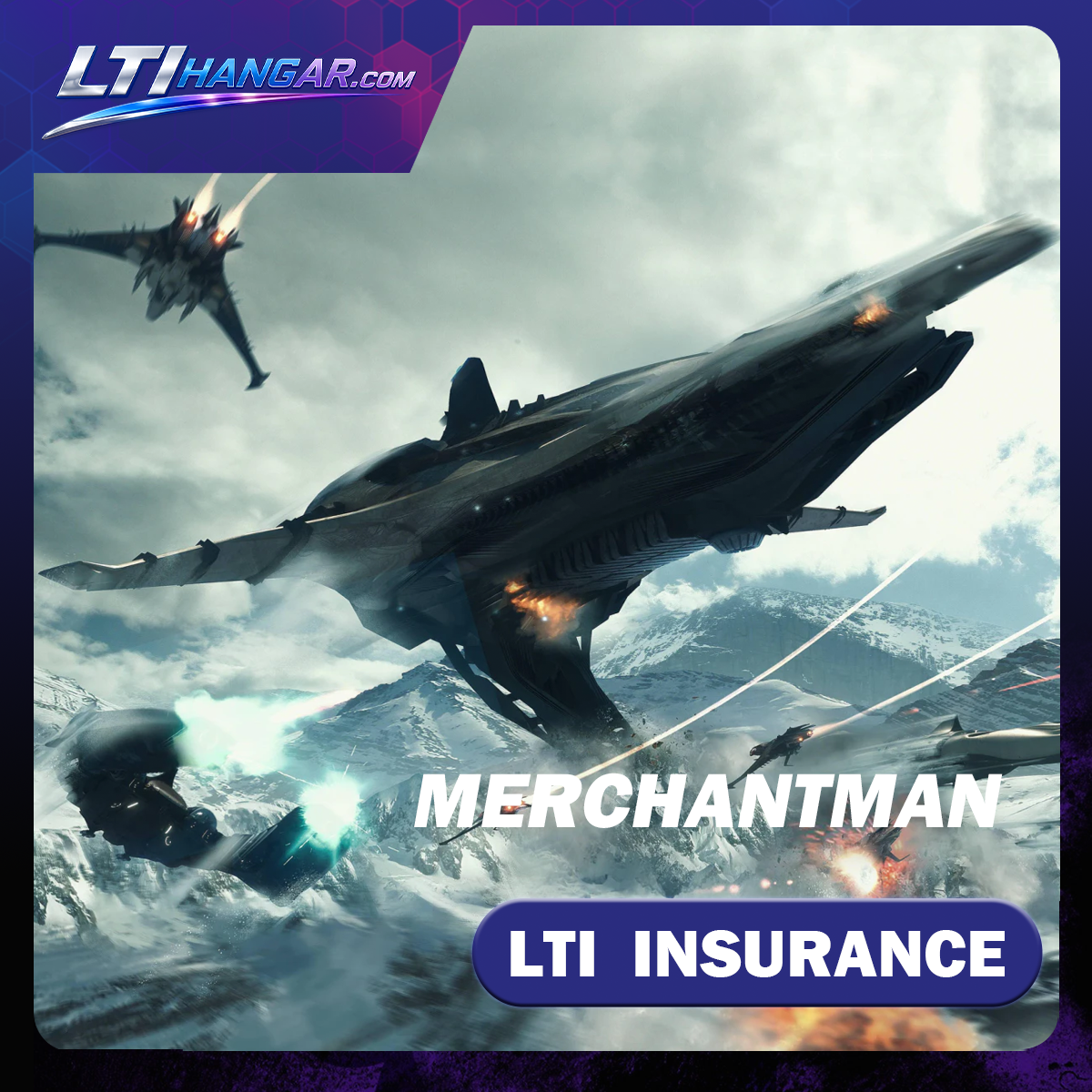
Merchantman - Standalone Ship
Bitte beachte unsere Lieferzeiten.
- Star Citizen Schiffe: meist 20–30 Minuten; maximal 12 Stunden.
- Star Citizen aUEC: Lieferung in 3–5 Minuten.
- Star Citizen CCU-Upgrades: meist 20–30 Minuten; maximal 12 Stunden.
- Star Citizen Schiff-Lackierungen: meist 5 Minuten; maximal 12 Stunden.
- Star Citizen Items: meist 5 Minuten; maximal 12 Stunden.
So löst du Star Citizen Schiffe, CCUs, Paints und Items ein
Um diesen Artikel anzunehmen, benötigst du ein Konto auf robertsspaceindustries.com. Für den Zugang zu Star Citizen benötigst du außerdem ein Game Package.
Alle Bestellungen werden an die E-Mail-Adresse gesendet, die du beim Checkout angegeben hast. Du erhältst eine E-Mail mit dem Betreff „Someone sent you a gift from Roberts Space Industries“ von no-reply@robertsspaceindustries.com. Öffne diese E-Mail und klicke auf den blauen „claim gift“-Button, um deine Bestellung einzulösen.
Wenn deine Bestellung auf einem RSI-Konto landen soll, das nicht mit der von dir angegebenen E-Mail-Adresse verbunden ist, logge dich einfach vor dem Einlösen in einem separaten Tab in das richtige RSI-Konto ein. Bitte aktualisiere die RSI-Seite noch einmal, um sicherzugehen, dass du im richtigen Konto angemeldet bist.
Wenn du diesen Artikel als Geschenk kaufst, klicke mit der rechten Maustaste auf den blauen „claim gift“-Button und kopiere die Link-Adresse. Stelle dabei sicher, dass du aus deinem eigenen RSI-Konto ausgeloggt bist, damit du das Geschenk nicht versehentlich selbst einlöst.
Wichtige Sicherheitshinweise
Achtung: Alle Schiffe und Items können nur einmal verschenkt bzw. eingelöst werden. Sobald der Artikel eingelöst wurde, ist er dauerhaft an das RSI-Konto gebunden, das das Geschenk angenommen hat. Das gilt für Schiffe, CCUs, Paints, Rüstungen, Waffen und andere Items.
Bitte stelle sicher, dass du vor dem Einlösen der Geschenk-E-Mail im selben Browser in genau dem RSI-Konto angemeldet bist, auf dem du den Artikel erhalten möchtest.
Wir übernehmen keine Verantwortung, wenn der Artikel auf dem falschen RSI-Konto eingelöst wird.
So wendest du ein CCU-Upgrade an
Wenn du ein Cross Chassis Upgrade (CCU) gekauft hast, um ein Schiff auf ein anderes Schiff upzugraden, kannst du es über deinen RSI Hangar anwenden.
Zuerst musst du das CCU über die oben beschriebenen Lieferanweisungen einlösen, damit es in deinem RSI Hangar erscheint. Gehe anschließend auf der RSI-Website zu „My Hangar“.
Klicke dort auf den Pfeil neben deinem CCU, um die Details zu öffnen. Danach klickst du auf „Apply Upgrade“, wählst das gewünschte „Source Ship“ aus und gibst dein RSI-Passwort ein, um das Upgrade abzuschließen.
Wichtig: Die Versicherung, z. B. LTI, sowie andere Boni deines ursprünglichen Basisschiffs werden auf das neue Schiff übertragen.
Bei Upgrades von einem günstigeren Schiff auf ein teureres Schiff können mehrere CCUs notwendig sein.
Beispiel: Wenn du ein Upgrade von einer Merchantman auf eine Polaris kaufst, erhältst du zwei CCUs: Merchantman → Hammerhead und Hammerhead → Polaris. Je größer der Preisunterschied, desto mehr CCUs können im Upgrade-Pfad enthalten sein.
Sicher einkaufen: Kundenschutz bei LTI Hangar
Käuferschutz
Wenn du auf unserer Website kaufst, garantieren wir dir, dass du den richtigen Artikel genau wie beschrieben erhältst. Falls wir den Artikel nicht liefern können, bieten wir dir entweder einen Ersatz oder eine vollständige Rückerstattung an. Du kannst selbst wählen, welche Option du bevorzugst.
After-Sale-Schutz
Alle Artikel, die wir verkaufen, stammen aus unserem eigenen Bestand und sind durch unseren After-Sale-Schutz abgedeckt.
Sollte während der Lieferung oder innerhalb von bis zu 6 Monaten nach abgeschlossener Lieferung ein Problem mit einem Artikel auftreten, prüfen wir den Fall sorgfältig. Wenn festgestellt wird, dass der Fehler bei uns liegt, bieten wir dir entweder einen Ersatz oder eine Rückerstattung an.
In den meisten Fällen bedeutet das eine vollständige Ersatzlieferung, eine vollständige Rückerstattung oder ein Upgrade auf einen besseren Artikel, falls ein identischer Ersatz nicht verfügbar ist.
24/7-Kundenservice
Erlebe zuverlässigen Support mit unserem 24/7 Online-Kundenservice! Egal ob du Fragen hast, Hilfe benötigst oder eine schnelle Lösung brauchst – unser Team ist jederzeit für dich da.
Ganz gleich, zu welcher Uhrzeit oder an welchem Tag: Wir sind nur einen Klick entfernt und helfen dir genau dann, wenn du Unterstützung brauchst.
Tritt jetzt unserem Discord bei und erlebe den LTI Hangar Unterschied!
Auf Lager · RSI-Geschenk-Lieferung · Ø 20 Min. Lieferzeit

Contact our Discord live support; we are online 24/7.

Warum Star-Citizen-Spieler LTI Hangar wählen
Schnelle Lieferung für Schiffe, echter Support und ein klarer RSI-Geschenkprozess – für Star-Citizen-Spieler, die einfacher und sicherer kaufen möchten.
Ø 20–30 Min. Lieferzeit
24/7 Discord-Support
Ein Team aus Gamern mit über 10 Jahren Erfahrung.
Sicher einkaufen · Eigener Bestand, keine Drittanbieter-Angebote
Zuverlässiger Support nach dem Kauf
Bestellung in Echtzeit verfolgen
Häufig gestellte Fragen
Wie lange dauert die Lieferung in der Regel?
Star Citizen Schiffe, CCUs, Paints und Items werden normalerweise innerhalb von 20–30 Minuten geliefert.
In seltenen Fällen kann die Lieferung bis zu 12 Stunden dauern – zum Beispiel bei hohem Bestellvolumen, RSI-Gifting-Limits, Account-Status-Problemen oder wenn eine manuelle Prüfung erforderlich ist.
Schiff-Lieferungen überschreiten in der Regel nicht 12 Stunden, außer es gibt besondere Gründe wie RSI-Systemlimits, Account-Einschränkungen oder eine notwendige Kundenverifizierung.
Ist meine Schiff-Bestellung abgesichert?
Ja. Sicherheit und Zuverlässigkeit stehen bei uns an erster Stelle.
Alle Schiffe, die du bei LTI Hangar kaufst, stammen aus unserem eigenen Bestand – ohne externe Verkäufer oder unbekannte Drittanbieter.
Jede Schiff-Bestellung wird mit klaren Liefernachweisen bearbeitet. So kann der Ablauf bei Support-Anfragen überprüft und nachvollzogen werden. Für berechtigte Probleme im Zusammenhang mit der Lieferung bieten wir außerdem einen 6-monatigen After-Sale-Schutz.
Diese Kombination aus eigenem Bestand, nachvollziehbarer Lieferung und After-Sale-Schutz bieten viele Drittanbieter-Marktplätze nicht in dieser Form. Genau deshalb wählen viele Kunden LTI Hangar für sicherere Star Citizen Schiff-Käufe.
Was bedeutet unser 6-monatiger After-Sale-Schutz?Warum bieten viele andere Marktplätze diesen Schutz nicht an?
In dem äußerst seltenen Fall, dass während der Lieferung oder innerhalb von bis zu 6 Monaten nach abgeschlossener Lieferung ein Problem mit einem Item auftritt, prüfen wir den Fall sorgfältig.
Wenn festgestellt wird, dass das Problem durch einen Fehler unsererseits verursacht wurde, bieten wir entweder einen Ersatz oder eine Rückerstattung an.
Damit wir den Fall korrekt prüfen können, kann es erforderlich sein, dass du uns relevante Nachweise zur Verfügung stellst, z. B. Screenshots aus deinem RSI Hangar, Bestelldetails und Einträge aus dem RSI Hangar Log.
Das RSI Hangar Log kann dabei helfen, den Status und die Historie eines Schiffs nachzuvollziehen – zum Beispiel, ob das Item geclaimt, getauscht, gemeltet, übertragen oder nach der Lieferung anderweitig verändert wurde.
Wir prüfen die von dir bereitgestellten Nachweise, um die Ursache des Problems zu bestimmen.
Dieses Maß an Schutz wird von vielen Drittanbieter-Marktplätzen nicht in dieser Form angeboten, da sie häufig mit externen Verkäufern oder gemischten Inventarquellen arbeiten.
Bei LTI Hangar stammen alle Schiffe aus unserem eigenen Bestand, und jede Bestellung verfügt über klare Liefernachweise. Dadurch können wir sichereren und zuverlässigeren Support bieten.
Kann ich nach dem Einlösen von Schiffen, CCUs, Paints oder Items eine Rückerstattung beantragen?
Sobald das RSI-Geschenk eingelöst wurde, sind das Schiff, die CCU, der Paint oder das Item an das empfangende RSI-Konto gebunden. Aufgrund der Einschränkungen des Star Citizen Gifting-Systems kann ein eingelöstes Schiff normalerweise nicht erneut verschenkt, zurückgegeben, rückgängig gemacht oder erneut geliefert werden.
Aus diesem Grund sind bereits eingelöste Items normalerweise nicht für eine Stornierung oder Rückerstattung berechtigt.
Eine Korrektur, ein Ersatz oder eine Rückerstattung kann nur angeboten werden, wenn wir bestätigen, dass das Problem durch uns verursacht wurde – zum Beispiel durch einen falsch gesendeten Artikel, einen Lieferfehler oder ein anderes nachweisbares Lieferproblem auf unserer Seite.
Bitte stelle vor dem Einlösen des RSI-Geschenks sicher, dass du im richtigen RSI-Konto angemeldet bist. Sobald das Geschenk auf dem falschen Konto eingelöst wurde, kann es normalerweise nicht auf ein anderes Konto übertragen werden.
Was passiert, wenn ein falsches Schiff, eine falsche CCU, ein falscher Paint oder ein falsches Item geliefert wurde?
Wenn wir bestätigen, dass aufgrund eines Fehlers unsererseits ein falsches Item geliefert wurde, prüfen wir den Fall und bieten – sofern zutreffend – eine Korrektur, einen Ersatz oder eine Rückerstattung an.
Bitte kontaktiere uns mit deiner Bestellnummer, der beim Checkout verwendeten E-Mail-Adresse und klaren Screenshots aus deinem RSI Hangar.
Warum sehe ich andere Schiffsnamen in meinem RSI Hangar?
Standalone CCU’d Ship
Ein Standalone CCU’d Ship ist ein vollständiges Ship oder Vehicle. Es ist kein Upgrade!
CCU’d bedeutet nur, dass dieses Ship erstellt wurde, indem ein kleineres Ship oder Vehicle auf das Ship upgegradet wurde, das du kaufst.
Bitte beachte außerdem: In der Gift-E-Mail wird möglicherweise nur das Base Ship angezeigt, das für das Upgrade verwendet wurde.
Keine Sorge – das tatsächliche Ship, das du in deinem Hangar siehst, ist das Ship, das du bestellt hast.
Zum Beispiel sieht ein CCU’d Polaris im Hangar auf der RSI-Website so aus:
SO FUNKTIONIERT ES
Schnell, einfach und sicher – erfahre, wie es funktioniert!

IST DER KAUF SICHER?
Sicherheit hat für uns höchste Priorität.
Im Gegensatz zu vielen anderen Websites verkaufen wir ausschließlich unseren eigenen Bestand. Wir erlauben keine externen Verkäufer auf unserer Plattform.
So stellen wir maximale Sicherheit, ein gutes Gefühl beim Kauf und besonders schnelle Lieferungen sicher.

SO FUNKTIONIERT DIE LIEFERUNG
Das Item wird über das RSI-Gifting-System geliefert. Nach deiner Bestellung senden wir das Item an die E-Mail-Adresse, die du beim Checkout angegeben hast.
Sobald du die Gift-E-Mail erhalten hast, öffne sie einfach und klicke auf „Claim“. Das Item wird dann dem RSI-Konto hinzugefügt, in dem du gerade eingeloggt bist.

After-Sale-Schutz
Alle Items, die wir verkaufen, stammen aus unserem eigenen Bestand und sind durch unseren After-Sale-Schutz abgedeckt.
Sollte während der Lieferung oder innerhalb von bis zu 6 Monaten nach abgeschlossener Lieferung ein Problem mit einem Item auftreten, prüfen wir den Fall sorgfältig.
Wenn festgestellt wird, dass der Fehler bei uns liegt, bieten wir entweder einen Ersatz oder eine Rückerstattung an.

Kontakt aufnehmen
*Star Citizen* ist ein komplexes Universum! Wenn du Fragen hast, helfen wir dir jederzeit gerne weiter. Wir sind 24/7 online, um dich zu unterstützen.
Außerdem findest du in unserem Discord-Channel zusätzliche Rabattcodes und Giveaways!
Banu Merchantman Standalone Ship Gameplay Guide
The Banu Merchantman is a large alien trading ship built for Star Citizen players who want long-range commerce, mobile marketplace gameplay, and a ship that feels more like a traveling business than a standard freighter. Created by the Banu, the Merchantman is not just a cargo vessel. It is designed as a mobile bazaar, a trade platform, a home, and a symbol of merchant culture.
Unlike traditional cargo ships that focus only on moving boxes from one station to another, the Merchantman is built around the idea of trade as an experience. It can carry large amounts of cargo, operate as a mobile shop, support negotiation-focused gameplay, and give players a very different path from combat, mining, or standard hauling.
Build Your Alien Trade Fleet with the Merchantman
The Banu Merchantman remains one of the most recognizable alien trade ships in Star Citizen. If you are looking to acquire this Banu trading ship, you can explore our available options in the Star Citizen Ships and Vehicles Collection.
Merchantman Key Specifications
The Merchantman combines heavy freight capacity with mobile marketplace utility. Its specifications show why it is valued not only as a large cargo ship, but also as a future trade hub for players who want merchant-focused gameplay.
| Specification | Banu Merchantman | Gameplay Meaning |
|---|---|---|
| Manufacturer | Banu Souli / Banu | Alien manufacturer identity with a strong trading and merchant-culture background. |
| Role | Heavy Freight / Mobile Trading Bazaar | Built for cargo movement, ship-based selling, negotiation, and long-range commerce. |
| Status | Concept / Not Flight Ready | Not currently flyable; final gameplay and specifications may change before release. |
| Crew | 4–8 | Designed for organized multi-crew trade operations rather than simple solo hauling. |
| Cargo Capacity | 2,880 SCU* | Large freight potential for trade goods, stock, and large-scale commercial routes. |
| Dimensions | Approx. 237m length / 203m width / 80m height* | Capital-scale physical presence with major landing, docking, and logistics requirements. |
| Marketplace Utility | Onboard enclosed bazaar | Allows the ship to function as a traveling marketplace rather than only a cargo hauler. |
| Negotiation Area | Dedicated negotiation space | Supports the Merchantman’s identity as a serious trade and business platform. |
| Defensive Identity | Concealed weapons / durable alien hull concept | Designed to protect valuable cargo and escape danger, not to act as a main warship. |
*Current reference figures for the Merchantman may change as CIG continues development. The original official concept page listed older dimensions, while current community references track the later enlarged design, so the safest product-page wording is to treat all specs as concept-stage reference values.
What Makes the Merchantman Valuable?
The Merchantman is valuable because it offers a gameplay identity that very few ships can match. It is not just about cargo capacity. Its real appeal comes from the idea of owning a ship that can travel between systems, carry valuable goods, open its doors, and operate like a player-run market.
For players who enjoy trading, rare goods, roleplay, organization logistics, and long-term economy gameplay, the Merchantman has clear appeal. It feels less like a normal hauler and more like a ship built around commerce instead of combat.
The Merchantman also stands out because of its Banu design. Many Star Citizen ships feel industrial, military, or human-made. The Merchantman has a different cultural identity: exotic, merchant-driven, and built around the idea that trade is a way of life. That makes it especially attractive for collectors and players who want a ship with personality, not just numbers.
Mobile Marketplace Gameplay
The Merchantman’s core gameplay promise is its onboard marketplace. Instead of simply delivering cargo to a terminal, the ship is designed to let players present goods directly to customers. In future trade loops, this could make the Merchantman useful for rare item sales, player-to-player commerce, organization supply events, and mobile shop-style gameplay.
This is the biggest difference between the Merchantman and normal cargo ships. A Hull C moves huge volumes. A Caterpillar offers modular freight flexibility. A C2 Hercules handles vehicle and cargo transport. The Merchantman is different because it adds a business-facing layer on top of cargo.
That also means the Merchantman’s value depends heavily on future economy systems. The more important player trading, rare goods, NPC customers, and mobile commerce become, the more valuable the Merchantman’s unique design becomes.
Heavy Freight and Trade Role
As a heavy freighter, the Merchantman should be understood as a high-value logistics ship. With its large cargo potential, it can support long-distance trading, organization supply chains, bulk inventory movement, and commercial fleet operations.
However, the Merchantman is not a simple “load cargo and go” ship. Its size means it will require route planning, landing awareness, docking access, escort consideration, and crew coordination. A ship carrying valuable cargo and operating as a mobile shop will naturally become a target.
This makes the Merchantman best suited for players who enjoy planning and risk management. The ship is not only about how much it can carry. It is about where you take it, what goods you stock, who you sell to, and how safely you can complete the route.
Multi-Crew Gameplay
The Merchantman is designed for multi-crew gameplay. A practical crew could include a pilot, co-pilot, cargo manager, shop operator, security crew, turret operators, and players handling negotiation or customer interaction.
A practical Merchantman crew would likely start with a pilot, a cargo or stock manager, one player handling shop or customer interaction, and at least one security or turret-focused crew member. With only one player, the ship may still work as a long-term trade goal, but most of its real value comes from having people manage inventory, route safety, customer access, and defense while the ship is operating as a mobile marketplace.
This makes the ship especially attractive for organizations. One player can manage the flight path, another can handle stock, another can watch for threats, and others can interact with buyers. Instead of every player flying separately, the Merchantman creates a shared commercial space where the crew works together.
Solo players may still like the Merchantman as a long-term fleet goal, but it should not be treated like a casual solo daily driver. Its scale, future market systems, cargo value, and defensive needs all point toward group-focused gameplay.
Explore Merchantman Upgrade Paths
If you prefer to build toward the Merchantman from an existing ship, you can view our Star Citizen Merchantman CCU Upgrades and plan a more flexible fleet upgrade path over time.
Merchantman vs Other Large Star Citizen Ships
The Merchantman occupies a very specific position among large Star Citizen ships. It is more commerce-focused than the C2, more marketplace-oriented than the Hull C, and much smaller than the Kraken Privateer, while still offering a useful mobile trade identity.
| Ship Fleet Option | Primary Core Role | Compared with Banu Merchantman |
|---|---|---|
| Hull C | Bulk Cargo Transport | The Hull C is stronger for pure cargo movement. The Merchantman adds onboard marketplace and player-facing trade identity. |
| C2 Hercules | Heavy Cargo / Vehicle Transport | The C2 is more practical and flight-ready for current cargo gameplay. The Merchantman is more ambitious, larger, and focused on future mobile commerce. |
| Caterpillar | Modular Cargo / Utility | The Caterpillar offers flexible cargo gameplay and easier current use. The Merchantman has a more premium alien-trader identity and much larger commercial ambition. |
| Kraken Privateer | Capital Retail Platform | The Kraken Privateer is a much larger independent retail platform with landing pads. The Merchantman is smaller and more focused on traveling merchant gameplay. |
| Odyssey | Long-Range Exploration | The Odyssey supports exploration and self-sufficient travel. The Merchantman supports trade, freight, and mobile market operations. |
| Polaris | Corvette / Torpedo Capital Ship | The Polaris is a combat-focused fleet ship. The Merchantman is a civilian commercial platform with defensive capability, not a warship. |
Merchantman vs Hull C
The Hull C is better for pure cargo movement and large-volume freight routes. The Merchantman is different because it adds a marketplace layer on top of freight. If your goal is efficient cargo hauling, the Hull C is more practical. If you want a future trade ship with onboard selling, negotiation, and merchant-focused gameplay, the Merchantman has the stronger identity.
Merchantman vs C2 Hercules
The C2 Hercules is easier to use today because it is flight-ready, practical, and strong for cargo and vehicle transport. The Merchantman is larger, not currently flight-ready, and more dependent on future economy systems. The C2 is the safer choice for current utility, while the Merchantman is the better fit for players buying into long-term mobile marketplace gameplay.
Merchantman vs Kraken Privateer
The Kraken Privateer is a much larger retail platform with landing pads and broader station-like utility. The Merchantman is smaller and more focused on traveling merchant gameplay. If you want a large retail base, the Kraken Privateer has the bigger scale. If you want an alien trade ship that can move between markets and operate like a traveling bazaar, the Merchantman is the more focused choice.
Merchantman Strengths and Limitations
| Strategic Strengths | Operational Limitations |
|---|---|
| Unique mobile marketplace identity gives the Merchantman a role few ships can replace. | Not currently Flight Ready, so buyers must accept concept-ship waiting risk. |
| Large cargo potential supports large-scale trading and organization logistics. | Final cargo, dimensions, layout, and gameplay systems may still change. |
| Alien Banu design makes it highly collectible and visually distinct. | Large size means docking, landing, route planning, and escort support matter. |
| Onboard bazaar creates future player-trade and roleplay potential. | Its best gameplay depends on future economy and shop systems. |
| Useful long-term trade value for trade-focused players and organizations. | Not ideal for players who only want immediate gameplay today. |
| Can serve as a trade flagship for a merchant fleet. | Not a dedicated combat ship despite having defensive weapons. |
Who Should Buy the Merchantman?
The Merchantman is best for players who want a long-term trade flagship. It is ideal for traders, collectors, organization logistics leaders, roleplay groups, rare-goods sellers, and players who want to build a fleet around economy gameplay rather than combat.
It is also a strong choice for players who like the idea of a ship that feels alive inside. The Merchantman is not just a cockpit and cargo grid. Its onboard bazaar, negotiation areas, alien styling, and merchant-focused design make it feel like a traveling business.
Players who mainly want immediate cargo profit may prefer the C2 or Hull C. Players who want a combat flagship may prefer the Polaris. But for players who want a future-facing trade ship with a clear identity, the Merchantman remains one of the most interesting concept ships in Star Citizen.
Merchantman FAQ
Is the Merchantman worth buying in Star Citizen?
The Merchantman is worth buying if you want a long-term trade-focused ship with mobile marketplace gameplay, large cargo capacity, and a unique alien identity. It is not ideal for players who want an immediately flyable ship or a simple daily-use hauler. Its value comes from future economy systems, onboard shop gameplay, large-scale trade, and its status as one of Star Citizen’s most recognizable alien trade ships.
Can the Merchantman be used solo?
The Merchantman should not be treated as a true solo ship. Its size, cargo value, marketplace systems, and defensive needs make much more sense with a crew. A solo owner may be able to move it or use it in limited ways depending on final implementation, but its full value will come from multi-crew trade operations.
What is the main role of the Merchantman?
The main role of the Merchantman is heavy freight and mobile commerce. It is designed to move valuable goods and operate as a traveling marketplace where players can display, negotiate, and sell items. Unlike a standard hauler, the Merchantman is built around the idea of trade as a full ship-based experience.
Is the Merchantman Flight Ready?
No, the Merchantman is not currently Flight Ready. It remains a concept ship, and owners receive loaner ships while waiting for the final version. CIG’s current loaner matrix lists the Merchantman with Hull C, Defender, and C2 Hercules loaners, which confirms that it is still unavailable in the live PU.
What makes the Merchantman different from the Hull C?
The Hull C is better for pure cargo movement and large-volume freight routes. The Merchantman is different because it is not only a cargo ship. It is designed as a mobile bazaar, with onboard commercial space and a stronger player-facing trade identity. The Hull C is a freight machine. The Merchantman is a traveling business.
Is the Merchantman better than the C2 Hercules?
The Merchantman is not simply better than the C2 because they serve different needs. The C2 Hercules is flight-ready, practical, and useful for current cargo and vehicle transport gameplay. The Merchantman is larger, more specialized, and focused on future mobile marketplace gameplay. For current utility, the C2 is easier. For long-term trade fantasy, the Merchantman is more distinctive.
How is the Merchantman different from the Kraken Privateer?
The Kraken Privateer is a much larger capital retail platform with landing pads and broader independent station-like utility. The Merchantman is smaller and more focused on traveling merchant gameplay. Official Q&A for the Kraken Privateer describes the Merchantman as roughly one-third smaller than the Privateer at that time, which shows that the two ships are related in theme but very different in scale.
Does the Merchantman have good long-term value?
Yes, the Merchantman has useful long-term trade value for players who believe in Star Citizen’s economy, trading, rare goods, and player-to-player commerce. Its value depends heavily on future systems, but its role is clear and difficult to replace. For a trade-focused fleet, it can become a trade centerpiece rather than just another cargo ship.


