


From RSI | Max Crew2 | In-Game Status Flight Ready
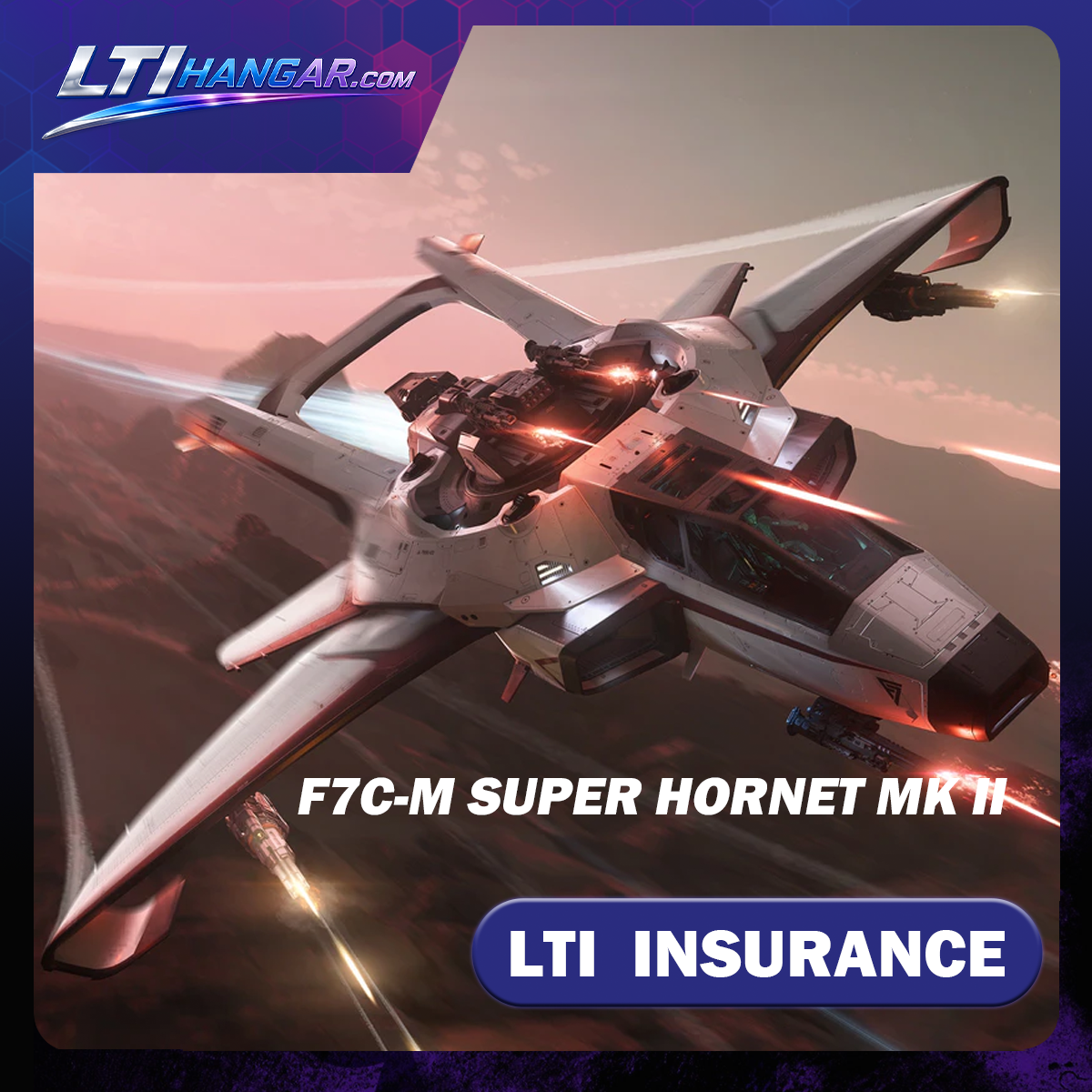
F7C-M Super Hornet MK II - Standalone Ship
Correo electrónico
Consulta los tiempos de entrega de cada tipo de producto.
Star Citizen aUEC: entrega en 3–5 minutos.
Naves de Star Citizen: normalmente se entregan en 20–30 minutos; máximo 12 horas.
CCU de Star Citizen: normalmente se entregan en 20–30 minutos; máximo 12 horas.
Pinturas de Star Citizen: normalmente se entregan en 5 minutos; máximo 12 horas.
Items de Star Citizen: normalmente se entregan en 5 minutos; máximo 12 horas.
Cómo reclamar naves, CCUs, pinturas e items de Star Citizen
Para aceptar este item, debes tener una cuenta en robertsspaceindustries.com. Ten en cuenta que el acceso a Star Citizen requiere un Game Package.
Todos los pedidos se enviarán al correo electrónico que introduzcas al finalizar la compra. Recibirás un email de no-reply@robertsspaceindustries.com con el asunto “Someone sent you a gift from Roberts Space Industries”.
Abre el email y haz clic en el botón azul “Claim Gift” para reclamar tu pedido.
Si quieres que tu pedido se añada a una cuenta RSI diferente de la asociada al correo electrónico que nos proporcionaste, solo tienes que iniciar sesión en la cuenta RSI correcta en otra pestaña antes de reclamar el item. Te recomendamos actualizar la página de RSI para asegurarte de que estás conectado a la cuenta correcta.
Si estás comprando este item como regalo, haz clic derecho en el botón azul “Claim Gift” y copia la dirección del enlace. Asegúrate de haber cerrado sesión en tu cuenta RSI para evitar reclamarlo por accidente.
Instrucciones de seguridad importantes
ATENCIÓN: Todas las naves e items solo se pueden regalar una vez. Una vez reclamado, el item —nave, CCU, pintura, armadura, arma, etc.— quedará vinculado de forma permanente a la cuenta que lo haya aceptado.
Por este motivo, asegúrate de haber iniciado sesión en la cuenta RSI correcta antes de canjear el email de regalo.
Antes de hacer clic en “Claim Gift”, confirma que estás conectado en el mismo navegador a la cuenta RSI específica donde quieres recibir el item.
No nos hacemos responsables si reclamas el item en una cuenta RSI incorrecta.
Cómo aplicar una CCU (Ship Upgrade)
Si has comprado una Cross Chassis Upgrade (CCU) para transformar una nave en otra, sigue estos pasos:
1. Reclama el item
Sigue los pasos de entrega indicados arriba para añadir la CCU a tu RSI Hangar.
2. Encuéntrala en tu Hangar
Ve a la sección “My Hangar” en el sitio web de RSI.
3. Aplica la mejora
Haz clic en la flecha junto a tu CCU para desplegar los detalles.
Después, haz clic en el botón “Apply Upgrade”.
Selecciona la “Source Ship” que quieres mejorar e introduce tu contraseña de RSI para finalizar el proceso.
Nota importante:
El seguro, como LTI, y otros bonus de la nave base original se transferirán a la nueva nave.
Mejorar una nave de menor valor a una nave de mayor valor puede requerir varias CCUs.
Por ejemplo: si compras una mejora de Merchantman a Polaris, te enviaremos dos CCUs: una de Merchantman a Hammerhead y otra de Hammerhead a Polaris.
Cuanto mayor sea la diferencia de precio entre las naves, mayor puede ser el número de CCUs que recibirás.
Compra con confianza: Política de protección al cliente
Protección de compra
Al comprar en nuestro sitio web, tienes garantizado que recibirás el item correcto exactamente tal y como aparece en la descripción del producto.
Si no podemos entregar el item, te ofreceremos un reemplazo o un reembolso completo. Podrás elegir la opción que prefieras.
Protección posventa
Todos los items que vendemos provienen de nuestro propio stock y están cubiertos por nuestra política de protección posventa.
Si ocurre algún problema con un item durante la entrega o dentro de los 6 meses posteriores a la entrega completada, realizaremos una investigación.
Si se determina que el problema fue responsabilidad nuestra, te ofreceremos un reemplazo o un reembolso.
En la mayoría de los casos, esto puede traducirse en un reemplazo completo, un reembolso completo o una mejora a un item superior si no hay disponible un reemplazo exacto.
Atención al cliente 24/7
Disfruta de soporte online 24/7 con nuestro equipo de atención al cliente.
Si tienes alguna pregunta, necesitas ayuda con tu pedido o buscas una solución rápida, nuestro equipo estará siempre disponible para ayudarte. Sea la hora que sea, estamos a solo un clic para darte el soporte que necesitas.
Únete ahora a nuestro Discord y vive la experiencia LTI Hangar.
En stock · Entrega mediante RSI Gift · Entrega media en 20 min
Contact our Discord live support; we are online 24/7.

Por qué los jugadores eligen LTI Hangar
Entrega rápida de naves, soporte real y un proceso claro mediante RSI Gift — diseñado para jugadores de Star Citizen que quieren comprar de forma más fácil, segura y sin complicaciones.
Entrega media en 20–30 minutos
Soporte en Discord 24/7
Equipo gamer con más de 10 años de experiencia
Compra segura: stock propio, sin vendedores externos
Soporte posventa fiable
Seguimiento del pedido en tiempo real
Preguntas frecuentes
¿Cuánto suele tardar la entrega?
Los pedidos de naves, CCU, pinturas e items de Star Citizen normalmente se entregan en 20–30 minutos.
En casos raros, la entrega puede tardar hasta 12 horas por alta demanda, límites de RSI Gift, estado de la cuenta o verificaciones manuales.
Normalmente, no permitimos que la entrega de una nave supere las 12 horas, salvo que haya un problema excepcional, como limitaciones del sistema de RSI, restricciones de la cuenta o una verificación pendiente del cliente.
¿Mi pedido de nave está protegido?
Sí. La seguridad y la fiabilidad son nuestra prioridad.
Todas las naves de LTI Hangar salen de nuestro propio stock. No trabajamos con vendedores externos ni con proveedores terceros desconocidos.
Cada entrega queda registrada de forma clara, para que el proceso pueda revisarse y rastrearse si necesitas soporte. También ofrecemos 6 meses de protección posventa para problemas elegibles relacionados con la entrega.
Este control de stock propio, entrega trazable y protección posventa no es algo habitual en muchos marketplaces de terceros. Por eso, muchos jugadores eligen LTI Hangar para comprar naves de Star Citizen de forma más segura y con mayor tranquilidad.
¿Qué es la protección posventa de 6 meses?
Si ocurre algún problema con un item durante la entrega o dentro de los 6 meses posteriores a la entrega completada, investigaremos el caso.
Si confirmamos que el problema fue responsabilidad nuestra, te ofreceremos un reemplazo o un reembolso.
Para revisar el caso, puede que necesitemos pruebas como capturas de tu RSI Hangar, detalles del pedido o registros del RSI Hangar Log.
El RSI Hangar Log nos ayuda a comprobar el historial de la nave, por ejemplo si fue reclamada, melted, transferida, intercambiada o modificada después de la entrega.
¿Por qué otros marketplaces no suelen ofrecer esto?
Muchos marketplaces dependen de vendedores externos o de inventario mezclado, lo que dificulta rastrear cada entrega con claridad.
En LTI Hangar, todas las naves salen de nuestro propio stock y cada pedido tiene registros claros de entrega. Por eso podemos ofrecer un soporte más seguro, fiable y con protección posventa de hasta 6 meses.
¿Puedo pedir un reembolso después de reclamar la nave, CCU, pintura o item?
Una vez reclamado el RSI Gift, la nave, CCU, pintura o item queda vinculado a la cuenta RSI que lo ha aceptado.
Por las limitaciones del sistema de regalos de Star Citizen, un item reclamado normalmente no puede volver a enviarse, devolverse, revertirse ni transferirse a otra cuenta. Por eso, los items ya reclamados normalmente no pueden cancelarse ni reembolsarse.
Solo podremos ofrecer una corrección, reemplazo o reembolso si confirmamos que el problema fue responsabilidad nuestra, por ejemplo si se envió un item incorrecto, hubo un error de entrega o existe otro problema de entrega verificado causado por nosotros.
Antes de hacer clic en “Claim Gift”, asegúrate de estar conectado a la cuenta RSI correcta. Si el regalo se reclama en una cuenta equivocada, normalmente no podrá moverse a otra cuenta.
¿Qué pasa si recibo una nave, CCU, pintura o item equivocado?
Si comprobamos que el item incorrecto fue entregado por un error nuestro, revisaremos el caso y te ofreceremos una solución: corrección, reemplazo o reembolso, según corresponda.
Para poder revisarlo, contáctanos con tu número de pedido, el email usado al finalizar la compra y capturas claras de tu RSI Hangar.
Why are the names of the Star Citizen ships I received different?
Una nave o vehículo Standalone CCU’ed es una nave o vehículo completo. ¡No es una mejora!
CCU’ed simplemente significa que se creó mejorando una nave o vehículo más pequeño hasta convertirlo en el modelo que estás comprando.
Ten en cuenta también que, en el correo de regalo, solo aparecerá el nombre de la nave utilizada como base para la mejora. No te preocupes: la nave real que verás en tu hangar será exactamente la que has pedido.
Por ejemplo, así es como se ve una Polaris CCU’ed en el hangar del sitio web de RSI.
CÓMO FUNCIONA
Rápido, sencillo y seguro. Descubre cómo funciona.

¿QUÉ TAN SEGURO ES?
La seguridad es nuestra máxima prioridad.
A diferencia de otras webs, solo trabajamos con stock propio. No aceptamos vendedores externos ni terceros en nuestra plataforma.
Así podemos ofrecer una experiencia de compra más segura, mayor tranquilidad y entregas mucho más rápidas.

¿QUÉ TAN SEGURO ES?
La entrega se realiza a través del sistema de RSI Gift.
Después de hacer tu pedido, enviaremos el item al email que usaste en el checkout.
Cuando recibas el correo de regalo de RSI, ábrelo y haz clic en “Claim Gift”. El item se añadirá automáticamente a la cuenta RSI en la que estés conectado.

PROTECCIÓN POSVENTA
Todos nuestros items salen de stock propio y están cubiertos por nuestra política de protección posventa.
Si ocurre algún problema durante la entrega o dentro de los 6 meses posteriores a la entrega completada, revisaremos el caso.
Si confirmamos que el problema fue causado por nuestra parte, te ofreceremos un reemplazo o un reembolso.

CONTÁCTANOS
¡Star Citizen es un universo enorme y complejo!
Si tienes alguna pregunta, nuestro equipo estará encantado de ayudarte. Estamos online 24/7 para darte soporte en cualquier momento.
Únete también a nuestro Discord para conseguir más códigos de descuento y participar en sorteos exclusivos.
Anvil F7C-M Super Hornet Mk II Standalone Ship Gameplay Guide
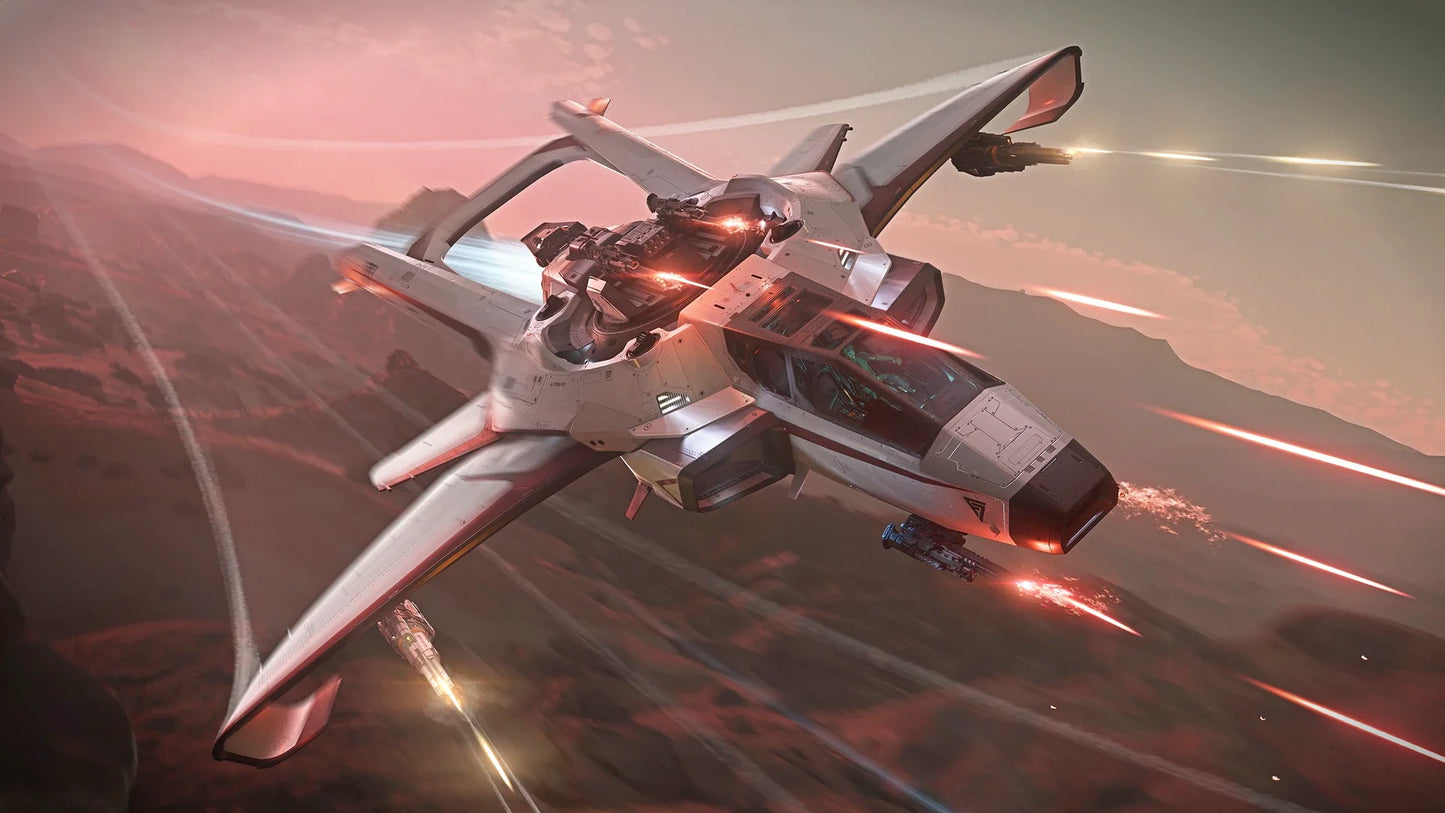
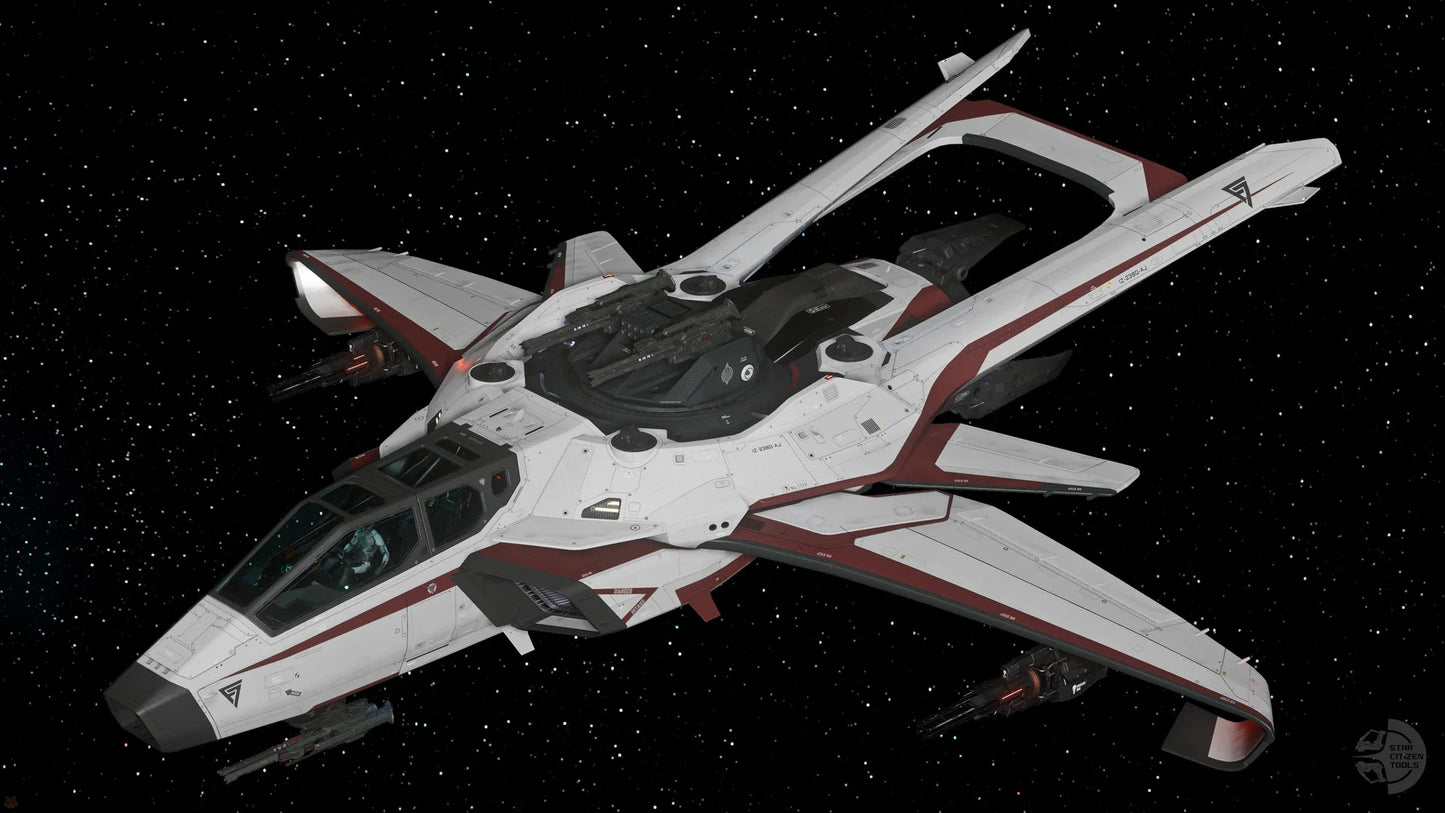
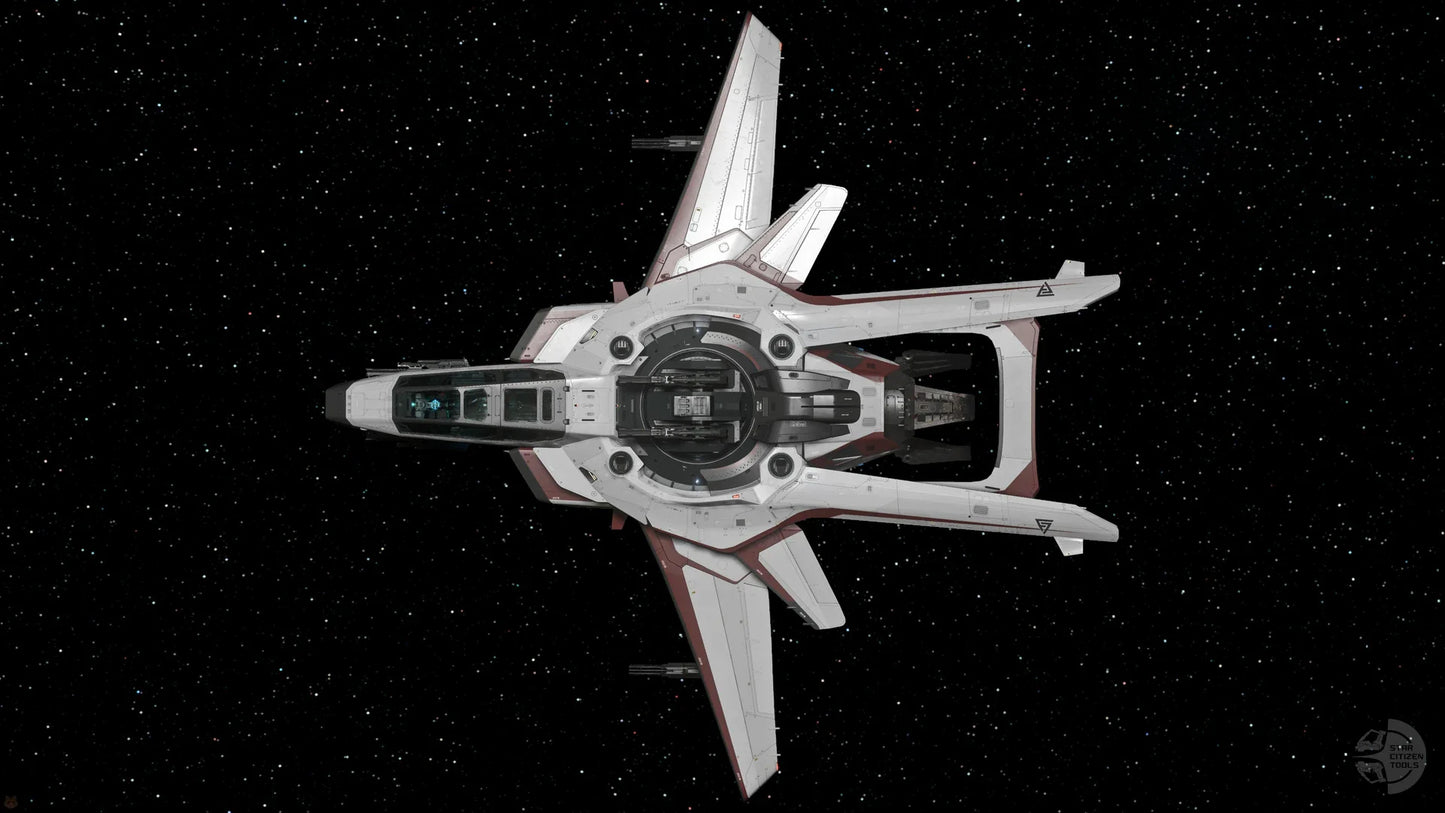
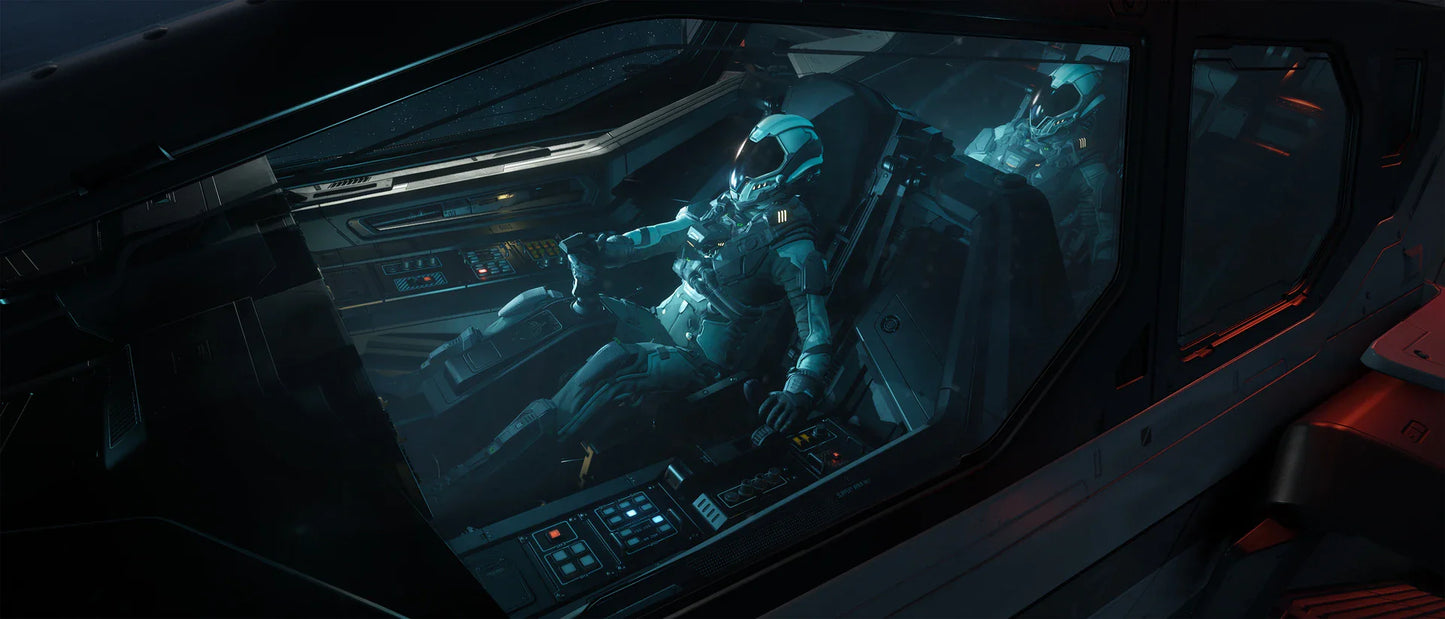
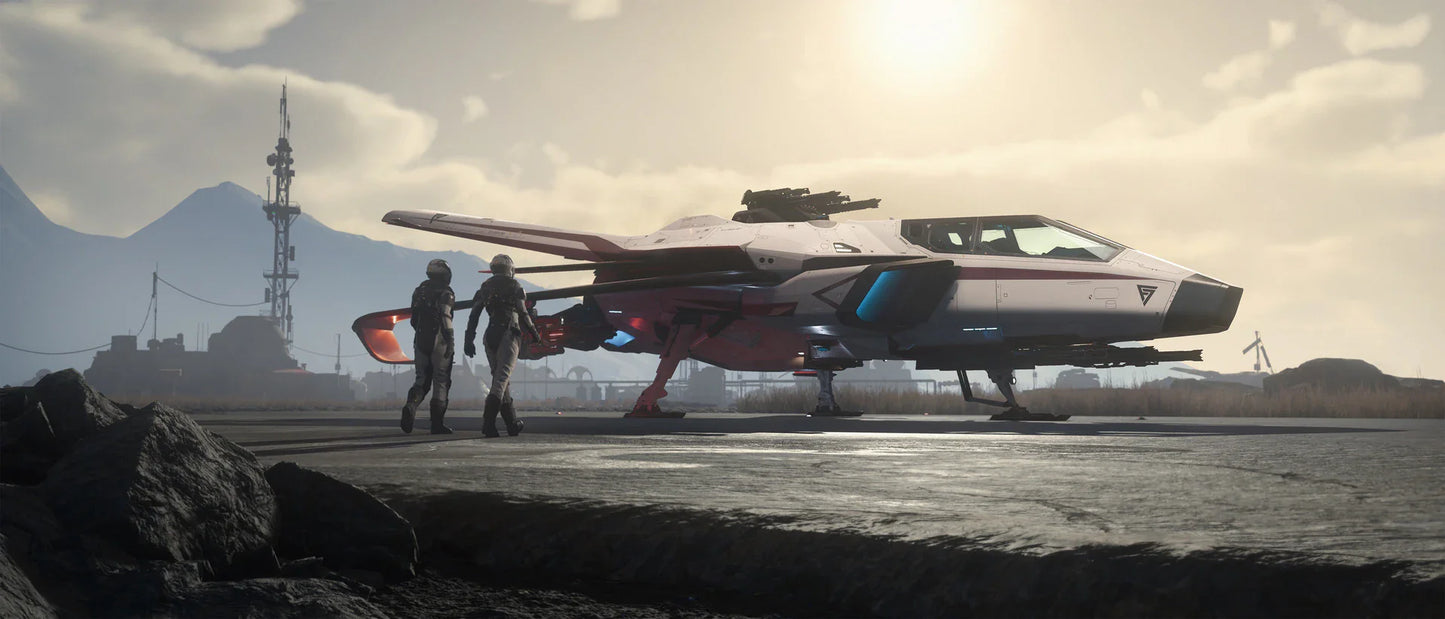
The Anvil F7C-M Super Hornet Mk II is a two-seat medium fighter built for Star Citizen players who want the classic Hornet combat feel with more crew utility, heavier fighter pressure, and a more modern Mk II frame. Designed by Anvil Aerospace, the Super Hornet Mk II is not a cargo ship, exploration ship, or long-range heavy fighter. It is a compact combat platform made for pilots who want a dedicated fighter with a second seat and a real turret role.
Unlike the standard F7C Hornet Mk II, the F7C-M Super Hornet Mk II is built around teamwork. RSI describes it as the only Hornet model with two seats, giving it a dedicated gunner’s turret for increased firepower, accuracy, and all-round combat proficiency. The official Super Hornet Mk II technical material also lists its base combat layout with pilot-controlled weapons and a dedicated remote turret, though exact weapons and balance should be treated as gameplay-reference information.
Build Your Anvil Fighter Fleet with the Super Hornet Mk II
The Super Hornet Mk II is one of the more useful choices for players who want a combat-focused Hornet with real two-player value. If you are looking to acquire this Anvil medium fighter, you can explore our available options in the Star Citizen Ships and Vehicles Collection.
F7C-M Super Hornet Mk II Key Specifications
| Specification | F7C-M Super Hornet Mk II | Gameplay Meaning |
|---|---|---|
| Manufacturer | Anvil Aerospace | A military-focused manufacturer known for durable and practical combat ships. |
| Role | Two-Seat Medium Fighter | Built for fighter combat with pilot-and-gunner teamwork. |
| Status | Current gameplay reference | Availability, loadout, and combat balance may change as Star Citizen updates. |
| Crew | 1–2 | Can be flown by one pilot, but its clearer value comes from adding a turret gunner. |
| Length | 24m reference value | Compact fighter size, easier to deploy than heavy fighters or gunships. |
| Width | 24m flight / 19m landed reference values | Folded landed profile improves hangar and landing practicality. |
| Height | 5.5m flight / 6.5m landed reference values | Small enough to remain a true fighter platform. |
| Main Weapons | Medium fighter weapon reference | Designed around pilot-controlled firepower, but exact weapons and loadouts should be treated as reference data. |
| Base Turret | Remote turret weapon reference | Gives the second seat meaningful combat value, while exact turret configuration may change with balance updates. |
| Core Gameplay | Fighter combat, escort, bounty support, two-player PvP/PvE | Best for players who want a compact fighter with extra crew firepower. |
Note: Star Citizen ship specifications may change during future patches and balance updates. For product pages, exact weapons, turret loadouts, components, and performance values should be treated as gameplay-reference information rather than permanent final numbers.
What Makes the Super Hornet Mk II Valuable?
The Super Hornet Mk II is valuable because it gives the Hornet platform something many fighters do not have: a real second-seat combat role. Most medium fighters are purely pilot-focused. The Super Hornet Mk II lets a friend contribute through the turret while the pilot focuses on positioning, target selection, and forward firepower.
Its main appeal is the combination of Mk II Hornet handling and two-seat pressure. The standard F7C Hornet Mk II already benefits from the newer Hornet frame, which RSI describes as having larger hardpoints, heavier firepower, a slimmed-down frame, smaller signature, tighter handling, and improved maneuverability. The Super Hornet Mk II builds on that foundation by adding the two-seat combat identity that made the Super Hornet name familiar.
For players who enjoy flying with one friend, this is the main reason to buy it. It is not as large or crew-heavy as a Scorpius, Hurricane, Vanguard, or Redeemer, but it still gives two players a shared fighter experience.
Two-Seat Fighter Gameplay Role
The Super Hornet Mk II’s main role is two-seat medium fighter combat. It is still a fighter, not a gunship, but the second seat makes it more flexible than a normal solo fighter.
In practical gameplay, the Super Hornet Mk II fits several roles:
| Gameplay Use | Why the Super Hornet Mk II Fits |
|---|---|
| Bounty hunting | Forward weapons and turret support help pressure tougher targets. |
| Two-player fighter gameplay | Lets one player fly while another contributes through the turret. |
| Escort missions | Useful for protecting cargo, industrial, or support ships. |
| PvE combat | More forgiving than many fragile light fighters. |
| PvP skirmishes | Turret coverage gives it more angle control than a pure single-seat fighter. |
| Anvil fighter collection | Clear classic military identity with upgraded Mk II styling. |
The Super Hornet Mk II should not be flown like a light fighter. It is not about being the smallest or most evasive ship in the fight. Its value comes from firepower, coverage, durability, and teamwork.
Firepower and Turret Utility
The Super Hornet Mk II’s weapon and turret layout is one of its clearer selling points. Official technical specs list the Super Hornet Mk II with pilot-controlled weapons and a base remote turret, giving the ship a useful mix of forward pressure and second-seat coverage.
The Super Hornet Mk II is the Hornet you choose when you want a real gunner seat, not just another solo fighter.
That turret is what separates the Super Hornet Mk II from many other medium fighters. A skilled gunner can keep pressure on targets while the pilot maneuvers, making the ship harder to ignore in a fight.
Solo and Duo Gameplay
The Super Hornet Mk II can be flown solo, but it is clearly more useful with two players. A solo pilot can still use the ship as a medium fighter, but without a gunner, the turret value is not fully used.
A practical Super Hornet Mk II fight depends on coordination between the pilot and gunner. The pilot needs to keep the target inside useful firing angles instead of constantly breaking the gunner’s line of fire, while the gunner helps maintain pressure when the target moves out of the pilot’s forward guns. In real use, the ship feels best when both players call targets, manage angles, and avoid turning the fight into a pure light-fighter duel. Without that teamwork, the Super Hornet Mk II still works as a medium fighter, but it loses the main reason to choose it over a standard F7C Hornet Mk II.
A practical Super Hornet Mk II crew may include:
| Crew Role | Purpose |
|---|---|
| Pilot | Controls movement, forward weapons, engagement timing, and target positioning. |
| Gunner | Uses the turret to maintain pressure and cover angles the pilot cannot easily hold. |
This makes the Super Hornet Mk II a good choice for players who often fly with one friend. It gives both players something useful to do without requiring a large ship or complicated crew setup.
Solo players may still prefer the standard F7C Hornet Mk II or F7A Mk II-style combat options if they only care about pilot-controlled weapons.
Mk II Platform Advantage
The Mk II Hornet family is more than a visual update. RSI describes the F7C Hornet Mk II as having larger hardpoints, heavier firepower, a slimmed-down frame, smaller signature, tighter handling, and improved maneuverability compared with older expectations of the Hornet line.
The Super Hornet Mk II keeps the classic Hornet brawler identity while updating it with the sharper Mk II platform and a proper two-seat combat role.
This matters because the Super Hornet Mk II keeps the familiar Hornet identity while feeling more modern. It is still a direct combat ship, but it benefits from the updated frame and weapon layout that make the Mk II family more appealing for current fighter players.
Heartseeker Note
The Super Hornet Mk II also has a Heartseeker version or configuration referenced in official technical material. RSI’s Super Hornet Mk II page lists the base turret separately from the Heartseeker turret configuration.
Only describe the ship as Heartseeker or mention Heartseeker-specific weapons if the exact product listing includes that version or upgrade.
For a normal F7C-M Super Hornet Mk II, the safer description is the base two-seat Super Hornet Mk II with its standard turret role and Mk II combat platform.
Explore Super Hornet Mk II Upgrade Paths
If you prefer to build toward the F7C-M Super Hornet Mk II from an existing ship, you can view our Star Citizen F7C-M Super Hornet Mk II CCU Upgrades and plan a more flexible Anvil fighter upgrade path over time.
F7C-M Super Hornet Mk II vs Other Star Citizen Fighters
| Ship Fleet Option | Primary Core Role | Compared with Super Hornet Mk II |
|---|---|---|
| F7C Hornet Mk II | Single-Seat Medium Fighter | The standard F7C is cleaner for solo pilots. The Super Hornet Mk II is better for players who want a second seat and turret value. |
| F7A Hornet Mk II | Military-Style Medium Fighter | The F7A is stronger for pure combat identity. The Super Hornet Mk II is more useful when flying with a gunner. |
| F7C-S Ghost Mk II | Stealth Fighter | The Ghost is better for lower-signature ambush and stealth-style play. The Super Hornet Mk II is more direct and crew-focused. |
| F7C-R Tracker Mk II | Radar / Tracking Fighter | The Tracker is better for detection and target tracking. The Super Hornet Mk II is better for direct combat pressure. |
| Hurricane | Two-Seat Heavy Fighter | The Hurricane is more turret-dependent and more aggressive with a gunner. The Super Hornet Mk II is smaller and keeps a classic medium-fighter feel. |
| Scorpius | Two-Seat Heavy Fighter | The Scorpius offers strong turret flexibility and heavier team-fighter identity. The Super Hornet Mk II is more compact and more classic Anvil. |
| Vanguard Warden | Long-Range Heavy Fighter | The Warden is tougher and better for long-range heavy combat. The Super Hornet Mk II is smaller, sharper, and more medium-fighter focused. |
| Mirai Guardian | Single-Seat Heavy Fighter | The Guardian is better for solo heavy firepower. The Super Hornet Mk II is better for pilot-and-gunner teamwork. |
Super Hornet Mk II vs F7C Hornet Mk II
The F7C Hornet Mk II is better for players who want a cleaner solo medium fighter. The Super Hornet Mk II is better for players who often fly with one friend and want turret support. If you only care about pilot-controlled combat, the F7C is easier to justify. If you want a Hornet with real two-seat value, the Super Hornet Mk II has the clearer role.
Super Hornet Mk II vs F7A Hornet Mk II
The F7A Hornet Mk II is better for players who want a stronger military-style Hornet combat identity. The Super Hornet Mk II is better when the second seat matters. Choose the F7A-style route if your priority is solo combat pressure. Choose the Super Hornet Mk II if your priority is pilot-and-gunner teamwork in a compact Anvil fighter.
Super Hornet Mk II vs Hurricane
The Hurricane is more aggressive as a two-seat heavy fighter and depends heavily on turret output. The Super Hornet Mk II is smaller, more compact, and keeps the classic Hornet medium-fighter feel. Choose the Hurricane if you want heavier duo firepower. Choose the Super Hornet Mk II if you want a more traditional Anvil fighter with a useful gunner seat.
Super Hornet Mk II Strengths and Limitations
| Strategic Strengths | Operational Limitations |
|---|---|
| Only Hornet model with two seats, giving it real duo gameplay value. | Less efficient for solo pilots who do not use the gunner seat. |
| Mk II weapon and turret layout gives useful fighter pressure. | Not as agile as light fighters like the Gladius or Arrow. |
| Dedicated gunner turret improves coverage and combat pressure. | Not a long-range heavy fighter like the Vanguard. |
| Compact fighter size makes it easier to deploy than larger two-seat ships. | Not a cargo, medical, exploration, or utility ship. |
| Classic Anvil fighter identity with updated Mk II styling. | Exact loadout and balance may change across patches. |
| Good for bounty hunting, escort work, and two-player fighter gameplay. | Full value depends on teamwork and crew coordination. |
Who Should Buy the Super Hornet Mk II?
The Super Hornet Mk II is best for players who want a compact two-seat fighter with useful direct combat value. It is especially suitable for Anvil fans, duo pilots, bounty hunters, escort players, PvE combat players, and anyone who likes the Hornet platform but wants more crew interaction than a standard single-seat fighter.
It is also a good choice for players who want something smaller than a Scorpius, Hurricane, or Vanguard, but more teamwork-focused than a standard Hornet. The Super Hornet Mk II gives you a clean middle ground: a real fighter with a real gunner seat.
Players who only fly solo may prefer the F7C Hornet Mk II, F7A Mk II, or Mirai Guardian. Players who want heavier two-seat combat may prefer the Hurricane or Scorpius. But for players who want a classic Anvil two-seat medium fighter, the F7C-M Super Hornet Mk II is one of the more appealing choices in Star Citizen.
Super Hornet Mk II FAQ
Is the F7C-M Super Hornet Mk II worth buying in Star Citizen?
The F7C-M Super Hornet Mk II is worth buying if you want a compact two-seat medium fighter with useful firepower, turret support, and classic Anvil combat style. It is especially appealing for players who often fly with one friend and want a fighter where the second player has a meaningful role.
Is the Super Hornet Mk II Flight Ready?
The safest product-page wording is Current gameplay reference or Flight Ready / current gameplay reference when supported by the listing. Ship status, loadout, and balance may change as Star Citizen updates.
What is the main role of the Super Hornet Mk II?
The Super Hornet Mk II’s main role is two-seat medium fighter combat. It is built for direct combat, bounty support, escort work, and pilot-and-gunner gameplay.
How many seats does the Super Hornet Mk II have?
The Super Hornet Mk II has two seats. RSI describes it as the only Hornet model with two seats, giving it a dedicated gunner’s turret for better firepower, accuracy, and all-round combat proficiency.
Can the Super Hornet Mk II be used solo?
Yes, the Super Hornet Mk II can be flown solo, but it is better with a gunner. Solo players can still use the ship as a medium fighter, but they will not fully benefit from the dedicated turret seat.
What weapons does the Super Hornet Mk II have?
Official technical material lists the Super Hornet Mk II with pilot-controlled weapons and a base remote turret. Exact weapons, turret configuration, and performance may change with patches and customization, so product pages should treat loadout details as gameplay-reference information.
Is the Super Hornet Mk II better than the F7C Hornet Mk II?
The Super Hornet Mk II is better if you want a second seat and turret support. The standard F7C Hornet Mk II is better if you want a cleaner solo fighter and do not need a gunner role.
Should I choose the Super Hornet Mk II or F7C Hornet Mk II?
Choose the F7C Hornet Mk II if you want a cleaner solo medium fighter with all value focused on the pilot. Choose the F7C-M Super Hornet Mk II if you often fly with one friend and want a dedicated gunner seat with turret support. The F7C is the better solo choice, while the Super Hornet Mk II is the better duo Hornet.
Is the Super Hornet Mk II better than the F7A Hornet Mk II?
The F7A Hornet Mk II is stronger for pure military-style combat identity, while the Super Hornet Mk II is better for two-player fighter gameplay. Choose the F7A-style route for solo combat focus. Choose the Super Hornet Mk II if you want pilot-and-gunner teamwork.
Is the Super Hornet Mk II better than the Hurricane?
The Hurricane is more aggressive as a two-seat heavy fighter and depends heavily on its turret gunner. The Super Hornet Mk II is smaller, more compact, and keeps the Hornet medium-fighter feel. Choose Hurricane for heavier duo firepower. Choose Super Hornet Mk II for a more classic Anvil fighter experience.
Is the Super Hornet Mk II better than the Scorpius?
The Scorpius is stronger as a modern two-seat heavy fighter with more turret flexibility. The Super Hornet Mk II is more compact and more traditional. Choose the Scorpius for heavier team-fighter gameplay. Choose the Super Hornet Mk II for classic Hornet style and a smaller fighter footprint.
Is the Super Hornet Mk II good for bounty hunting?
Yes, the Super Hornet Mk II can be a useful bounty hunting ship, especially when crewed by a pilot and gunner. Its forward weapons and turret support make it useful against targets that require more sustained pressure than a light fighter can provide.
Is the Super Hornet Mk II good for PvP?
Yes, but it depends on pilot skill and teamwork. The Super Hornet Mk II is not a light fighter, so it should not be flown like a Gladius or Arrow. It performs best when the pilot controls positioning and the gunner keeps pressure on the target.
Does the Super Hornet Mk II have cargo?
The Super Hornet Mk II should not be treated as a cargo ship. Its value is combat, not hauling. Players who want cargo should look at ships like the Cutlass Black, Constellation Taurus, Starlancer MAX, or C2 Hercules.
Does the Super Hornet Mk II have good long-term value?
Yes, the Super Hornet Mk II has useful long-term value for players who like Anvil fighters and two-seat combat. Its role is clear: a compact medium fighter with gunner support. It is not the most flexible ship in Star Citizen, but for duo fighter gameplay, it remains one of the more recognizable Hornet variants.


