Contact our Discord live support; we are online 24/7.
Warum Star-Citizen-Spieler LTI Hangar wählen
Schnelle Lieferung für Schiffe, echter Support und ein klarer RSI-Geschenkprozess – für Star-Citizen-Spieler, die einfacher und sicherer kaufen möchten.
Ø 20–30 Min. Lieferzeit
24/7 Discord-Support
Ein Team aus Gamern mit über 10 Jahren Erfahrung.
Sicher einkaufen · Eigener Bestand, keine Drittanbieter-Angebote
Zuverlässiger Support nach dem Kauf
Bestellung in Echtzeit verfolgen
Häufig gestellte Fragen
Wie lange dauert die Lieferung in der Regel?
Star Citizen Schiffe, CCUs, Paints und Items werden normalerweise innerhalb von 20–30 Minuten geliefert.
In seltenen Fällen kann die Lieferung bis zu 12 Stunden dauern – zum Beispiel bei hohem Bestellvolumen, RSI-Gifting-Limits, Account-Status-Problemen oder wenn eine manuelle Prüfung erforderlich ist.
Schiff-Lieferungen überschreiten in der Regel nicht 12 Stunden, außer es gibt besondere Gründe wie RSI-Systemlimits, Account-Einschränkungen oder eine notwendige Kundenverifizierung.
Ist meine Schiff-Bestellung abgesichert?
Ja. Sicherheit und Zuverlässigkeit stehen bei uns an erster Stelle.
Alle Schiffe, die du bei LTI Hangar kaufst, stammen aus unserem eigenen Bestand – ohne externe Verkäufer oder unbekannte Drittanbieter.
Jede Schiff-Bestellung wird mit klaren Liefernachweisen bearbeitet. So kann der Ablauf bei Support-Anfragen überprüft und nachvollzogen werden. Für berechtigte Probleme im Zusammenhang mit der Lieferung bieten wir außerdem einen 6-monatigen After-Sale-Schutz.
Diese Kombination aus eigenem Bestand, nachvollziehbarer Lieferung und After-Sale-Schutz bieten viele Drittanbieter-Marktplätze nicht in dieser Form. Genau deshalb wählen viele Kunden LTI Hangar für sicherere Star Citizen Schiff-Käufe.
Was bedeutet unser 6-monatiger After-Sale-Schutz?Warum bieten viele andere Marktplätze diesen Schutz nicht an?
In dem äußerst seltenen Fall, dass während der Lieferung oder innerhalb von bis zu 6 Monaten nach abgeschlossener Lieferung ein Problem mit einem Item auftritt, prüfen wir den Fall sorgfältig.
Wenn festgestellt wird, dass das Problem durch einen Fehler unsererseits verursacht wurde, bieten wir entweder einen Ersatz oder eine Rückerstattung an.
Damit wir den Fall korrekt prüfen können, kann es erforderlich sein, dass du uns relevante Nachweise zur Verfügung stellst, z. B. Screenshots aus deinem RSI Hangar, Bestelldetails und Einträge aus dem RSI Hangar Log.
Das RSI Hangar Log kann dabei helfen, den Status und die Historie eines Schiffs nachzuvollziehen – zum Beispiel, ob das Item geclaimt, getauscht, gemeltet, übertragen oder nach der Lieferung anderweitig verändert wurde.
Wir prüfen die von dir bereitgestellten Nachweise, um die Ursache des Problems zu bestimmen.
Dieses Maß an Schutz wird von vielen Drittanbieter-Marktplätzen nicht in dieser Form angeboten, da sie häufig mit externen Verkäufern oder gemischten Inventarquellen arbeiten.
Bei LTI Hangar stammen alle Schiffe aus unserem eigenen Bestand, und jede Bestellung verfügt über klare Liefernachweise. Dadurch können wir sichereren und zuverlässigeren Support bieten.
Kann ich nach dem Einlösen von Schiffen, CCUs, Paints oder Items eine Rückerstattung beantragen?
Sobald das RSI-Geschenk eingelöst wurde, sind das Schiff, die CCU, der Paint oder das Item an das empfangende RSI-Konto gebunden. Aufgrund der Einschränkungen des Star Citizen Gifting-Systems kann ein eingelöstes Schiff normalerweise nicht erneut verschenkt, zurückgegeben, rückgängig gemacht oder erneut geliefert werden.
Aus diesem Grund sind bereits eingelöste Items normalerweise nicht für eine Stornierung oder Rückerstattung berechtigt.
Eine Korrektur, ein Ersatz oder eine Rückerstattung kann nur angeboten werden, wenn wir bestätigen, dass das Problem durch uns verursacht wurde – zum Beispiel durch einen falsch gesendeten Artikel, einen Lieferfehler oder ein anderes nachweisbares Lieferproblem auf unserer Seite.
Bitte stelle vor dem Einlösen des RSI-Geschenks sicher, dass du im richtigen RSI-Konto angemeldet bist. Sobald das Geschenk auf dem falschen Konto eingelöst wurde, kann es normalerweise nicht auf ein anderes Konto übertragen werden.
Was passiert, wenn ein falsches Schiff, eine falsche CCU, ein falscher Paint oder ein falsches Item geliefert wurde?
Wenn wir bestätigen, dass aufgrund eines Fehlers unsererseits ein falsches Item geliefert wurde, prüfen wir den Fall und bieten – sofern zutreffend – eine Korrektur, einen Ersatz oder eine Rückerstattung an.
Bitte kontaktiere uns mit deiner Bestellnummer, der beim Checkout verwendeten E-Mail-Adresse und klaren Screenshots aus deinem RSI Hangar.
Warum sehe ich andere Schiffsnamen in meinem RSI Hangar?
Standalone CCU’d Ship
Ein Standalone CCU’d Ship ist ein vollständiges Ship oder Vehicle. Es ist kein Upgrade!
CCU’d bedeutet nur, dass dieses Ship erstellt wurde, indem ein kleineres Ship oder Vehicle auf das Ship upgegradet wurde, das du kaufst.
Bitte beachte außerdem: In der Gift-E-Mail wird möglicherweise nur das Base Ship angezeigt, das für das Upgrade verwendet wurde.
Keine Sorge – das tatsächliche Ship, das du in deinem Hangar siehst, ist das Ship, das du bestellt hast.
Zum Beispiel sieht ein CCU’d Polaris im Hangar auf der RSI-Website so aus:
SO FUNKTIONIERT ES
Schnell, einfach und sicher – erfahre, wie es funktioniert!
Anvil Gladiator Standalone Ship Gameplay Guide
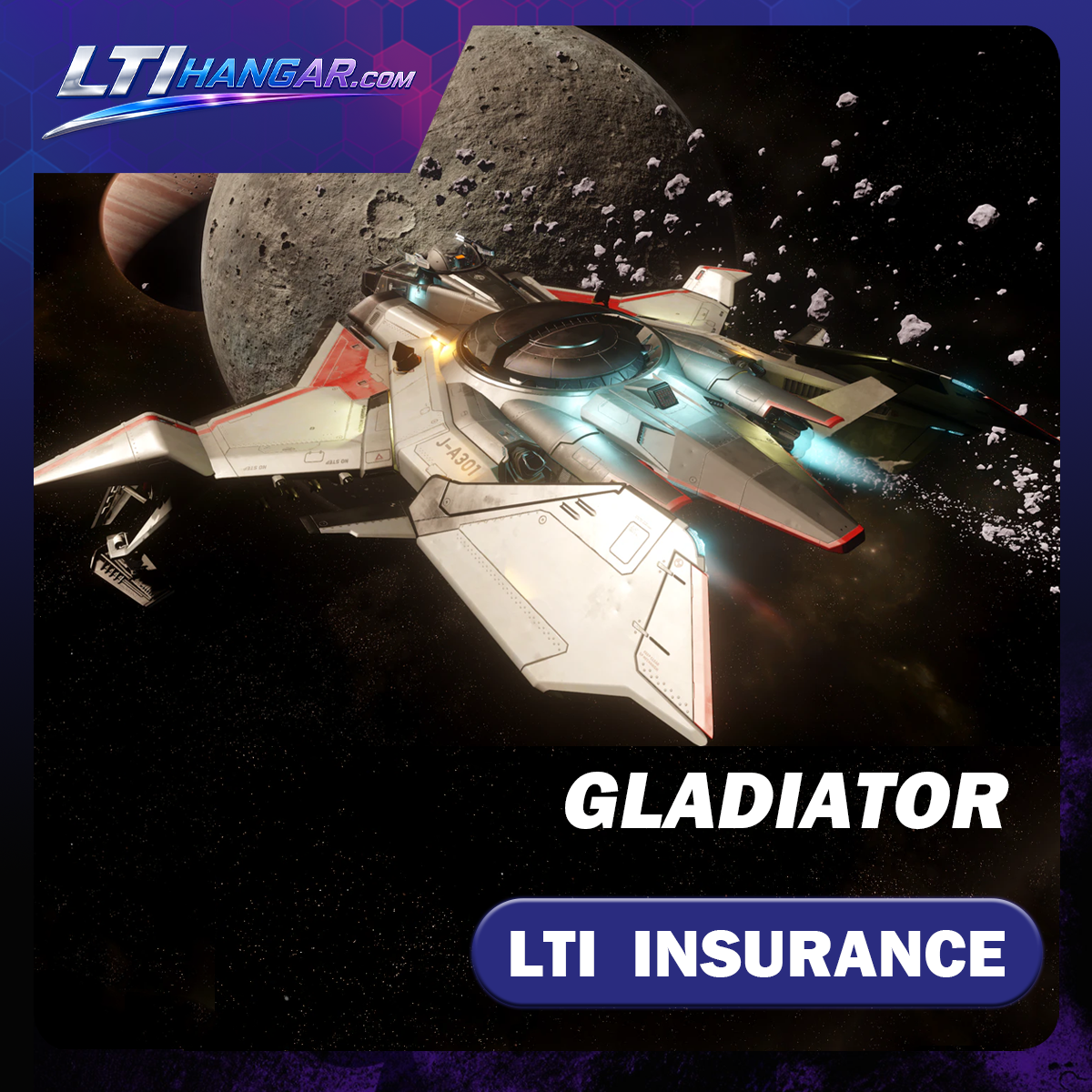
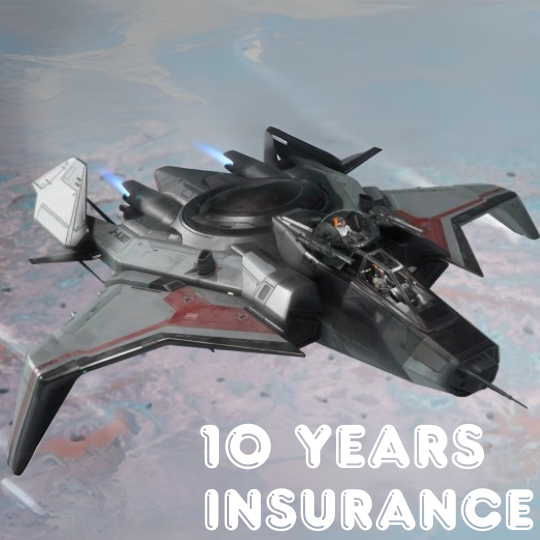
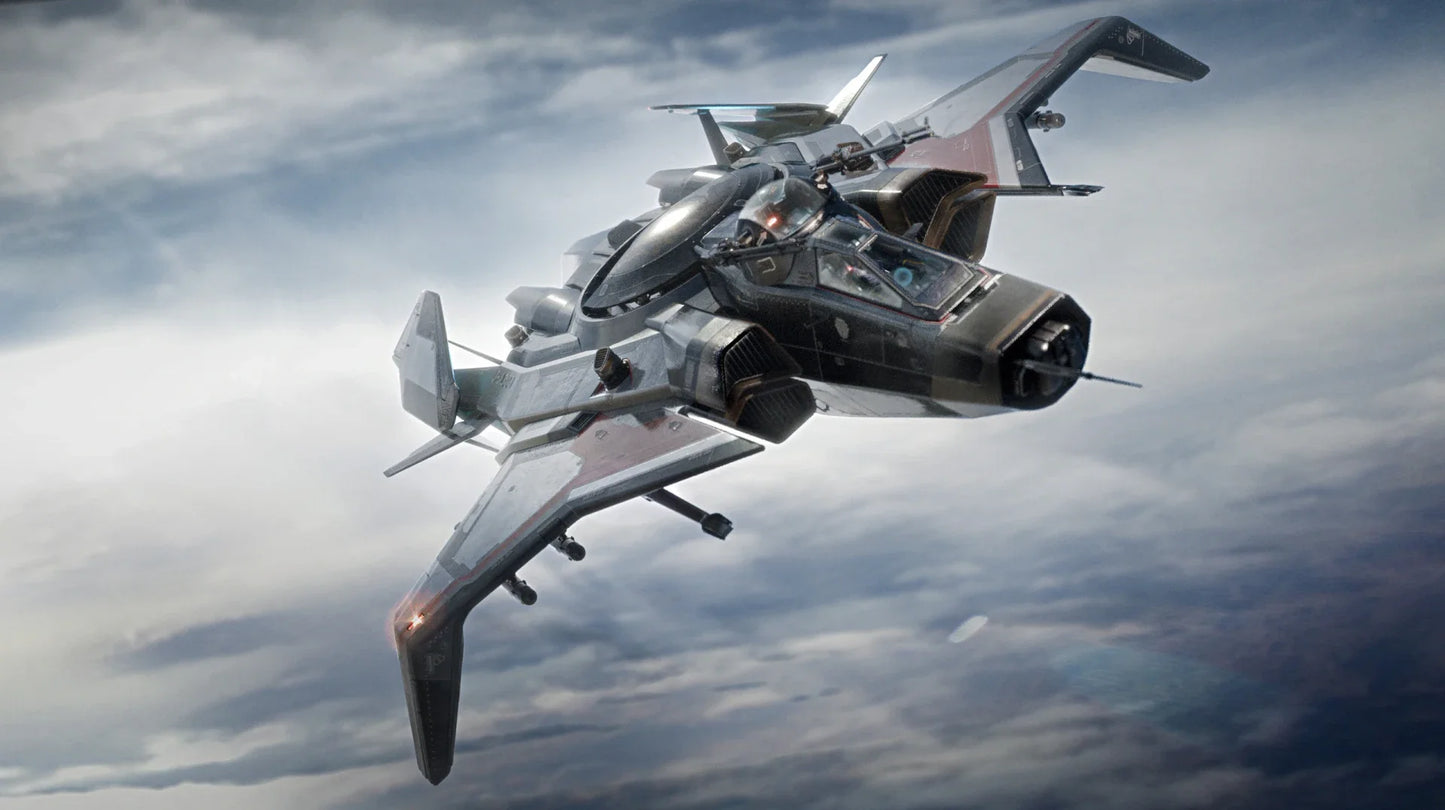
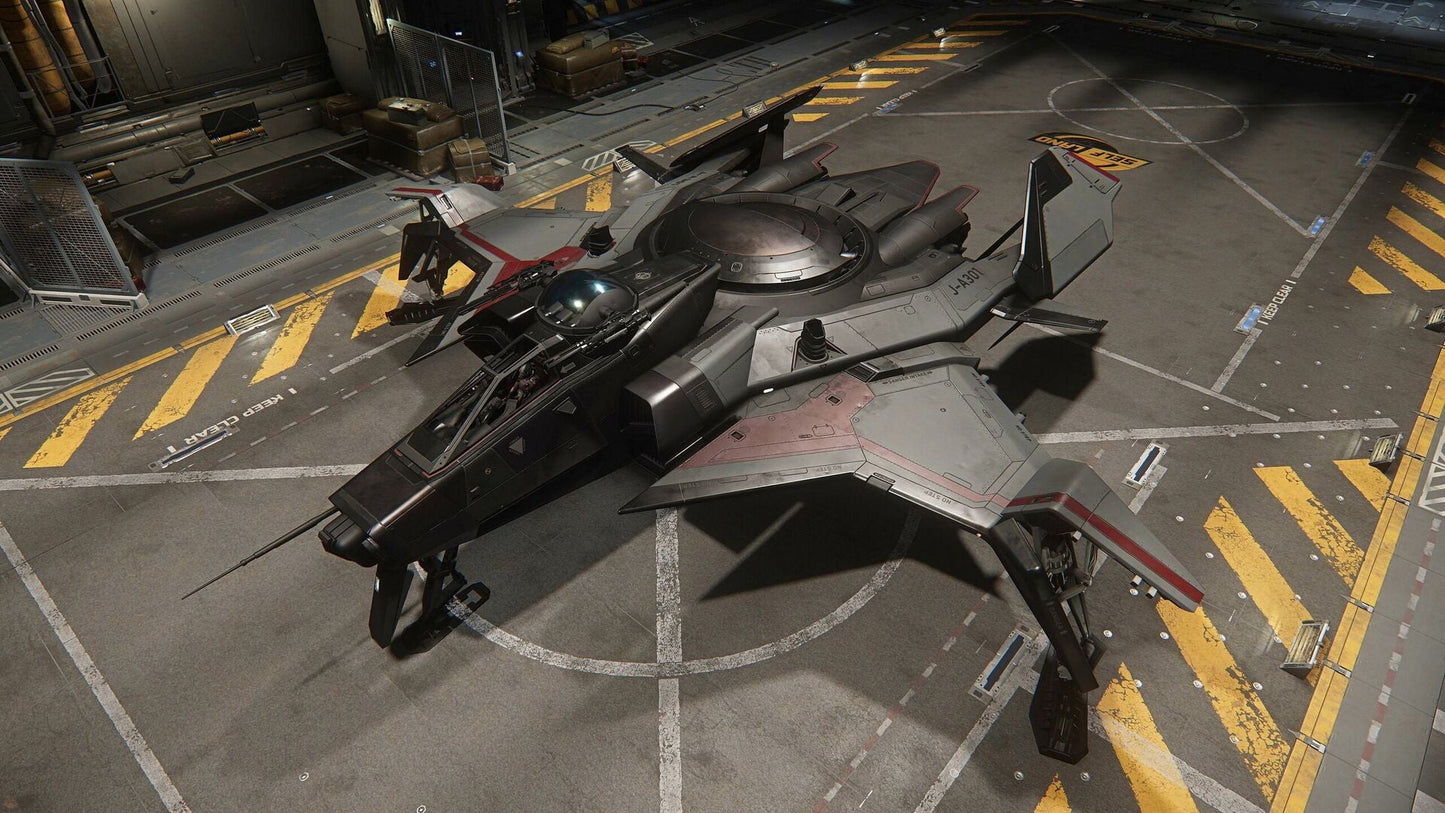
The Anvil Gladiator is a Flight Ready compact two-seat fighter-bomber built for Star Citizen players who want Anvil military styling, pilot-controlled strike weapons, a rear gunner seat, and flexible ordnance options. It is not a cargo ship, stealth bomber, light fighter, heavy gunship, long-range patrol ship, or daily utility craft. The Gladiator is best understood as a compact strike bomber: small enough to feel connected to fighter gameplay, but built around bombing runs, missile pressure, and crew coordination.
Official RSI material describes the Gladiator as the UEE Navy’s carrier-based torpedo-plane and space-to-ground dive bomber, operating with Hornet escort fighters and supporting up to two crew. Current reference data lists the Gladiator as Flight Ready, with 1–2 crew, 0 SCU cargo, 22.5m length, 22.5m width, 6m height, and live reference data under version 4.8.2.
The safest product-page positioning is simple:
The Gladiator is the Anvil ship you choose when you want a compact two-seat bomber — not when you want pure dogfighting, cargo utility, stealth torpedoes, or heavy-bomber scale.
Build Your Anvil Bomber Fleet with the Gladiator
The Gladiator is a good choice for players who like Anvil military ships, two-seat combat, old-school bomber identity, and strike gameplay that feels more tactical than simply chasing dogfights. If you are looking to acquire this Anvil fighter-bomber, you can explore our available options in the Star Citizen Ships and Vehicles Collection.
Gladiator Key Specifications
| Specification | Anvil Gladiator | Gameplay Meaning |
|---|---|---|
| Manufacturer | Anvil Aerospace | Human military manufacturer with clear fighter and carrier-based combat identity. |
| Role | Compact Fighter-Bomber | Small Anvil strike craft built around ordnance delivery, not pure dogfighting or heavy-bomber scale. |
| Status | Flight Ready | Current reference data lists the Gladiator as Flight Ready, with Flight Ready history from Alpha 1.1.1. |
| Crew | 1–2 | Pilot plus rear gunner / support role. |
| Cargo | 0 SCU current normal reference | Not a cargo ship; older modular cargo references should not be treated as stable live cargo gameplay. |
| Dimensions | 22.5m length / 22.5m width / 6m height | Compact bomber footprint, similar in size class to fighter platforms. |
| Current Speed Reference | 210 m/s SCM / 1,125 m/s max | Current live reference values; flight tuning can change by patch. |
| Pilot Weapons | 2× Size 4 pilot-operated guns | Gives the pilot useful forward firepower. |
| Rear Turret | Manned turret with 2× Size 3 guns | Gives the second crew member a real combat role. |
| Ordnance Identity | S5 missile / bomb-bay and bomb-rack reference | Main reason to buy the ship, but exact bomb racks, ordnance behavior, and supported loadouts can change by patch. |
| Availability | Time-limited pledge sales / in-game buy reference shown | Buyers should check exact listing format and insurance. |
| Core Gameplay | Planned strike runs, small-crew bombing, missile pressure, turret defense | Best for players who want a compact strike bomber, not a universal fighter or daily ship. |
Note: Star Citizen ordnance, bomb racks, missiles, armor, turret balance, bombing behavior, cargo modules, tractor-beam substitution, and flight model values can change between patches. Treat exact live values as current gameplay-reference information rather than permanent final numbers.
What Makes the Anvil Gladiator Valuable?
The Gladiator is valuable because it fills a specific role: a small crew strike ship that sits between fighter and bomber. It is not as simple as a Gladius, not as stealthy as an Eclipse, not as large as a Retaliator, and not as heavy as an A2 Hercules. Its appeal is that it gives one pilot and one gunner a compact bombing / missile-strike platform with Anvil military flavor.
RSI’s original Gladiator material framed it around two-person bomber teams taking on large freighters and capital ships together, with the gunner keeping interceptors off the bomber while the pilot focuses on dodging fire and completing the torpedo run.
The Gladiator is not the fighter you buy to win every turning fight. It is the bomber you buy to make a planned strike and survive the exit.
That is the core buyer message.
Fighter-Bomber Gameplay Role
The Gladiator’s main role is compact strike combat. It has enough fighter DNA to feel smaller and more direct than a heavy bomber, but its real identity comes from ordnance delivery.
In practical gameplay, the Gladiator fits several roles:
| Gameplay Use | Why the Gladiator Fits |
|---|---|
| Strike runs | Built around missile / bomb delivery rather than pure dogfighting. |
| Two-player combat | Pilot and rear gunner both have useful jobs. |
| Anti-large-target pressure | Original RSI material described Gladiator teams attacking large freighters and capital ships. |
| Ground-attack flavor | Official material describes the military Gladiator as a space-to-ground dive bomber. |
| Carrier-based roleplay | RSI originally tied the Gladiator to carrier-based dive and torpedo bomber inspiration. |
| Anvil collection | Good fit for players who like Anvil combat ships but want something different from Hornets, Gladius-style fighters, and normal dogfighters. |
The Gladiator should be described as a fighter-bomber, not as a general fighter or daily driver.
Ordnance and Bombing Identity
The Gladiator’s main value is its ordnance. Current reference data describes a bespoke bomb-bay designed to carry four Size 5 missiles, with possible configuration using a bespoke bomb rack for twelve Size 3 bombs or two Size 5 bombs. It also lists additional Size 4 ordnance hardpoints on the wings.
Ordnance Layer and Gameplay Meaning:
- Internal S5 missile / bomb-bay identity: Gives the Gladiator its bomber role.
- S3 / S5 bomb-rack options in current reference: Adds dedicated bombing flexibility where supported.
- Wing ordnance hardpoints: Lets the ship bring extra strike pressure.
- Pilot-forward guns: Helps the pilot contribute outside the bomb drop.
- Rear turret: Helps protect the ship during approach and exit.
The Gladiator works best when the crew knows the target before the run, chooses the right ordnance, and exits before the fight turns messy.
This is better than selling it as a normal fighter.
Weapons and Turret Gameplay
The Gladiator is not only a missile rack with wings. Current reference data lists two pilot-operated Size 4 gun hardpoints and a manned turret with two Size 3 guns. That gives the ship a clear split: the pilot handles flight, forward pressure, and strike timing; the turret gunner helps protect the ship and pressure targets outside the pilot’s forward arc.
| Weapon Layer | Gameplay Meaning |
|---|---|
| 2× S4 pilot guns | Useful forward pressure for a small bomber. |
| Rear turret with 2× S3 guns | Gives a second player a real defensive role. |
| Missile / bomb payload | Defines the ship more than its guns. |
| Small frame | Easier to bring than a large bomber, but still not a light fighter. |
The Gladiator’s guns keep it useful between strike runs, but the ordnance is why you buy it.
Pilot and Gunner Teamwork
The Gladiator works better with two players. It can be flown solo, but the second seat matters because the ship’s design assumes the pilot is busy flying the attack run while the gunner helps keep threats away.
A practical Gladiator crew may include:
| Crew Role | Purpose |
|---|---|
| Pilot / Bomber Pilot | Lines up the strike run, manages approach, launches ordnance, and exits safely. |
| Rear Gunner | Covers the ship from interceptors and pressures targets outside the pilot’s forward arc. |
| Wing Escort | Keeps enemy fighters away during the approach. |
| Target Caller | Chooses the target and timing for the strike. |
| Support Crew | Helps rearm, repair, or escort after the run. |
The Gladiator can be flown solo, but the ship makes the most sense when one player flies and one player keeps the bomber alive.
Solo Gameplay Expectations
The Gladiator is listed with 1–2 crew, so solo use is possible, but solo ownership misses part of the ship’s identity. The pilot can still fly, use forward guns, and fire ordnance, but the turret role is much weaker without a second player.
Solo Gladiator ownership is possible, but buying it only for solo dogfighting is the wrong expectation.
Solo pilots who want a cleaner fighter should compare Gladius, Arrow, Sabre, Hornet, F7A Mk II, or Mirai Guardian. The Gladiator is easier to recommend when the buyer specifically wants strike gameplay.
Modularity and Cargo Expectations
Older RSI material described the civilian Gladiator as having a modifiable frame, including the ability to choose between extra cargo hold or bomb bay, and also mentioned the possibility of converting the bomb bay for light transport.
However, current reference data still treats the normal Gladiator as a combat-focused ship with 0 SCU shown in the active data, and notes that some modular features have not yet been fully implemented in-game.
Buy the Gladiator for bombing and strike gameplay, not for cargo. Any future cargo-module value should be treated carefully until fully implemented and stable.
This avoids overpromising the old cargo-conversion concept.
Ground Attack and Anti-Ship Expectations
The Gladiator’s identity includes both dive-bomber and torpedo-plane inspiration. RSI’s original description calls the military T8A Gladiator the UEE Navy’s primary carrier-based bomber, with Gladiator squadrons divided between torpedo and dive-bomber specialties.
The Gladiator is best sold as a small strike bomber, not only as a ground bomber or only as an anti-ship missile boat. Its value depends on the mission, ordnance setup, target type, crew skill, and current patch balance.
Daily Use and Real Player Experience
The Gladiator is not a comfortable daily ship. It has no meaningful cargo role, no bed-based travel lifestyle, no medical function, no mining, no salvage, and no passenger or delivery value. It is a combat ship with a clear purpose.
The Gladiator feels best when you already know there is something worth striking. It feels less useful when you simply want to log in and do random daily missions.
A practical Gladiator session should feel like setting up a strike run, not flying a normal fighter patrol. The pilot needs to choose the approach, line up the target, release the ordnance, and leave before the fight turns into a messy turning battle. A second player makes the ship feel much more complete because the turret can cover the approach and exit while the pilot focuses on the strike. In real use, the Gladiator rewards players who enjoy planned attacks, target selection, and small-crew coordination more than players who want a simple solo dogfighter or a daily mission ship.
Direct Vehicle Comparisons
Gladiator vs Eclipse & Retaliator
Stealth drop architectures contrast heavily with traditional multi-crew torpedo operations inside the UEE bomber ranks.
| Ship | Best For | Main Difference |
|---|---|---|
| Anvil Gladiator | Two-seat strike runs with turret support | More visible, compact carrier-based old-school fighter-bomber style. |
| Esperia Eclipse | Stealth Size 9 torpedo strikes | Single-seat layout built around silent approach metrics and high-risk torpedo assassination. |
| Aegis Retaliator | Larger multi-crew torpedo bombing | Deep-space heavy structure; significantly more torpedo-focused and crew-dependent. |
Choose the Eclipse if you want stealth torpedo strikes. Choose the Retaliator if you want a larger multi-crew torpedo-bomber platform. Choose the Gladiator if you want a compact bomber with a gunner.
Gladiator vs A1 Spirit & A2 Hercules
The light bomber and heavy assault options of the Crusader line offer alternative ways to bring high-impact ordnance fields to ground objectives.
| Ship | Best For | Main Difference |
|---|---|---|
| Anvil Gladiator | Compact strike runs and military ordnance focus | Traditional carrier-sized fighter-bomber frame. Tailored for small crews. |
| Crusader A1 Spirit | Light bombing and modern interior utility | Sleeker, modern Spirit-series chassis built specifically around Size 5 ground bomb drops. |
| Crusader A2 Hercules | Heavy carpet bombing and sub-capital assault | Massive strategic gunship layout. Far more destructive and resource heavy in operation. |
Choose the A1 Spirit if you want modern Crusader bombing. Choose the A2 if you want the heavy strategic platform. Choose the Gladiator if you prefer the classic, compact Anvil fighter-bomber feel.
Gladiator vs Vanguard Harbinger & Anvil Hornet variants
RSI described the Gladiator as operating alongside Hornet escort fighters, defining a distinct line between brawlers and strike craft.
| Ship | Best For | Main Difference |
|---|---|---|
| Anvil Gladiator | Strike payload and bombing role | Ordnance-first compact platform. Relies on escort protection in deep turning fights. |
| Vanguard Harbinger | Long-range heavy fighter-bomber operations | Deep-space Vanguard durability, internal living quarters, and longer patrol endurance. |
| F7C Hornet Mk I | Traditional medium-fighter brawling | Built to trade hits directly and control dogfights with gun-heavy configurations. |
| F7A Hornet Mk II | Solo military medium-fighter dominance | Firepower fully optimized for pilot control without bomber weapon dependencies. |
Choose the Hornet or F7A Mk II if you want to fight enemy fighters directly. Choose the Vanguard Harbinger if you need deep-space flight endurance. Choose the Gladiator if you want to deliver specialized strike ordnance.
Gladiator vs Hurricane & Scorpius
Two-seat fighter designs maximize gunner coordination but shift their tactical purpose between projectile velocity fields and heavy ordnance layouts.
| Ship | Best For | Main Difference |
|---|---|---|
| Anvil Gladiator | Bombing, missile strikes, and payload delivery | Ordnance-first profile. Weapons center on structural torpedo or bomb bays. |
| Anvil Hurricane | High-risk gunner turret pressure | Glass hammer gun platform configuration. Highly agile, centered on turret DPS. |
| RSI Scorpius | Two-player heavy fighter flexibility | Modern rail-guided turret fighter. Maximizes firing arcs across turning duels. |
Choose the Hurricane or Scorpius if you want heavy two-seat gunfire pressure. Choose the Gladiator if you want two-seat strike payload delivery.
Gladiator vs Gladiator Bomb Rack Kits
Current reference material lists dedicated Gladiator weapon kits that can replace the default bomb bay layout to optimize your ordnance delivery style.
| Setup | Best For | Main Difference |
|---|---|---|
| Standard Gladiator | General fighter-bomber ownership | Core baseline configuration ship platform. |
| S3 Bomb Rack Kit | Multiple small bomb drops | Configured for twelve Size 3 bombs; better for multiple smaller ground passes. |
| S5 Bomb Rack Kit | Heavy single-drop impact | Configured for two Size 5 bombs; maximizes individual structural strike values. |
The Gladiator’s bomb-rack setup should always be checked against the exact listing and current patch, because the ship platform and weapon kit are not always the same item.
Cargo, Combat, and Practical Expectations
The Gladiator is specialized. It should not be sold as a universal ship.
If the buyer wants:
- compact bombing, the Gladiator makes sense.
- stealth torpedoes, compare Eclipse.
- large torpedo bombing, compare Retaliator.
- modern light bombing, compare A1 Spirit.
- heavy bombing, compare A2 Hercules.
- pure dogfighting, compare Gladius, Hornet, Sabre, or F7A Mk II.
- cargo or daily missions, choose a practical multi-role ship.
The Gladiator is valuable because it gives you a small bomber role, not because it replaces every fighter or daily ship.
Explore Gladiator Upgrade Paths
If you prefer to build toward the Gladiator from another ship, you can view our Star Citizen Gladiator CCU Upgrades and plan a more flexible Anvil, bomber, or fighter-bomber upgrade path over time.
For the Gladiator specifically, buyers should check whether the listing is standalone, upgraded, Warbond, store-credit, time-limited, includes a bomb-rack kit, or is only the base ship. Current reference data lists the Gladiator under time-limited pledge sales, with in-game purchase data shown separately.
Gladiator vs Other Star Citizen Bombers and Fighters
| Ship Fleet Option | Primary Core Role | Compared with Gladiator |
|---|---|---|
| Anvil Gladiator | Small Fighter-Bomber | Good for classic Anvil compact bomber gameplay. |
| Eclipse | Stealth Torpedo Bomber | Better for stealth S9 torpedo strikes. |
| Retaliator | Multi-Crew Torpedo Bomber | Larger and more torpedo-focused. |
| A1 Spirit | Light Bomber | Newer Crusader bomber with modern layout. |
| A2 Hercules | Heavy Bomber / Gunship | Much larger and heavier in bombing role. |
| Vanguard Harbinger | Long-Range Fighter-Bomber | Better endurance and heavier fighter feel. |
| Hornet / F7A Mk II | Medium Fighter | Better for direct fighter combat. Maps to F7C Hornet Mk I and F7A Hornet Mk II hulls. |
| Hurricane | Two-Seat Damage Fighter | Better for turret gun pressure. |
| Gladius | Light Fighter | Better for solo dogfighting. |
| Sabre | Stealth Fighter | Better for low-profile solo fighter work. |
| Scorpius | Two-Seat Heavy Fighter | Better for turret fighter teamwork. |
Gladiator vs Eclipse
The Eclipse is better for players who want stealth torpedo strikes and a more focused assassination-style bomber. The Gladiator is better for players who want a visible two-seat fighter-bomber with turret support and more old-school carrier-bomber flavor. Choose the Eclipse for stealth torpedoes. Choose the Gladiator for small-crew strike gameplay.
Gladiator vs A1 Spirit
The A1 Spirit is better for players who want a newer Crusader light bomber with a more modern interior and Spirit-series feel. The Gladiator is better for players who want Anvil military styling, two-seat turret support, and a more traditional fighter-bomber identity. Choose the A1 for modern light bombing. Choose the Gladiator for classic Anvil strike runs.
Gladiator vs Retaliator
The Retaliator is better for players who want a larger torpedo-bomber platform with more multi-crew identity. The Gladiator is better for players who want a smaller, easier-to-bring fighter-bomber with a pilot and gunner. Choose the Retaliator for larger torpedo work. Choose the Gladiator for compact bombing.
Gladiator vs Gladius
The Gladius is better for players who want a simple solo light fighter and dogfighting platform. The Gladiator is better for players who want bombing, missile pressure, and a second-seat turret role. Choose the Gladius to dogfight. Choose the Gladiator to strike targets.
Gladiator Strengths and Limitations
| Strategic Strengths | Operational Limitations |
|---|---|
| Clear Anvil fighter-bomber identity. | Not a pure fighter and not ideal for dogfighting. |
| Flight Ready and usable now. | Older ship design may feel less modern than newer bombers. |
| 1–2 crew gives solo or gunner-supported play. | More useful with a second player. |
| 2× S4 pilot guns plus turret support. | Turret value depends on having a gunner. |
| Size 5 missile / bomb-bay identity. | Ordnance behavior and bomb-rack setup can change by patch. |
| Compact bomber footprint. | Less payload scale than Retaliator or A2. |
| Old-school carrier-based bomber flavor. | No cargo, bed, daily utility, medical, mining, or salvage role. |
| Potential modular history around cargo / tractor options. | Some modular features should not be overpromised as fully live gameplay. |
Who Should Buy the Gladiator?
The Gladiator is best for players who want a compact Anvil bomber with a clear strike role. It is especially suitable for Anvil fans, small bomber crews, players who enjoy planned attack runs, pilots who want something different from normal fighters, and buyers who like old-school military bomber style.
It is also a good choice for players who already own practical ships. The Gladiator works best as the combat strike piece in a larger fleet: cargo ships make money, fighters escort, support ships repair and rearm, and the Gladiator comes out when there is a target worth hitting.
Players who want solo dogfighting should compare Gladius, Sabre, Hornet, or F7A Mk II. Players who want stealth torpedoes should compare Eclipse. Players who want a bigger bomber should compare Retaliator or A2. Players who want a newer light bomber should compare A1 Spirit. But for buyers who want the classic Anvil fighter-bomber, the Anvil Gladiator is the more direct choice.
Gladiator FAQ
Is the Anvil Gladiator worth buying in Star Citizen?
Yes, if you want a compact Anvil fighter-bomber with two-seat gameplay, strike payload, and old-school bomber identity. It is not ideal if you want pure dogfighting, stealth torpedoes, daily utility, cargo, or heavy-bomber scale.
Is the Gladiator Flight Ready?
Yes. Current reference data lists the Gladiator as Flight Ready, with Flight Ready history from Alpha 1.1.1 and live reference data under version 4.8.2.
What is the main role of the Gladiator?
The Gladiator is a fighter-bomber. RSI’s original material describes it as the UEE Navy’s carrier-based torpedo-plane and space-to-ground dive bomber, while current reference data classifies the civilian Gladiator as a fighter-bomber.
How many crew does the Gladiator need?
Current reference data lists the Gladiator with 1–2 crew. It can be flown solo, but the rear turret makes the second player valuable.
Does the Gladiator have cargo?
Current reference data shows the Gladiator as 0 SCU, so it should not be sold as a cargo ship. Older RSI material mentioned possible cargo-module conversion, but that should be treated carefully because some modular features are not fully implemented in normal live use.
How big is the Gladiator?
Current reference data lists the Gladiator at 22.5m length, 22.5m width, and 6m height.
What weapons does the Gladiator have?
Current reference data lists two pilot-operated Size 4 gun hardpoints, a manned turret with two Size 3 guns, wing ordnance hardpoints, and an internal Size 5 missile / bomb-bay identity.
Does the Gladiator have bombs?
Current reference data says the Gladiator’s bomb bay can be configured with bespoke bomb racks for twelve Size 3 bombs or two Size 5 bombs, depending on the rack. Buyers should check the exact listing and current patch support.
Is the Gladiator a torpedo bomber?
It has strong torpedo-plane and missile-strike heritage in RSI’s original description, but the current safest product wording is fighter-bomber / strike bomber because the exact ordnance setup can change with live balance and weapon kits.
Should I choose the Gladiator or Eclipse?
Choose the Gladiator if you want a compact two-seat fighter-bomber with a rear turret, Anvil military style, and more visible strike-run gameplay. Choose the Eclipse if you want a stealth torpedo bomber built around hidden approach, S9 torpedo attacks, and high-risk single-seat assassination-style strikes. The Gladiator is the better choice for small-crew bomber gameplay, while the Eclipse is the better choice for stealth torpedo gameplay.
Is the Gladiator good for solo players?
It can be flown solo, but it is better with a gunner. Solo pilots can use forward guns and ordnance, but they lose much of the rear turret’s defensive value.
Is the Gladiator good for PvE?
Yes, if the mission supports strike gameplay or if the target profile suits its ordnance. It is less ideal for general daily missions where cargo, bed, or utility matter.
Is the Gladiator good for PvP?
It can be useful in organized PvP or group fights, but it should not be marketed as a guaranteed meta ship. Its value depends on ordnance balance, target type, crew coordination, escorts, and current patch tuning.
Is the Gladiator better than the Eclipse?
The Gladiator is better if you want a visible two-seat fighter-bomber with turret support. The Eclipse is better if you want stealth torpedo strikes.
Is the Gladiator better than the Retaliator?
The Gladiator is better if you want a smaller and easier bomber. The Retaliator is better if you want a larger torpedo-bomber platform with more multi-crew identity.
Is the Gladiator better than the A1 Spirit?
The Gladiator is better if you want the old-school Anvil fighter-bomber feel. The A1 Spirit is better if you want a newer Crusader light bomber with a more modern layout.
Is the Gladiator better than the A2 Hercules?
No, not for heavy bombing. The A2 is much larger and better for heavy bombing. The Gladiator is better if you want a smaller bomber that is easier to bring and crew.
Is the Gladiator better than the Vanguard Harbinger?
The Gladiator is better if you want compact Anvil bomber style. The Harbinger is better if you want long-range heavy fighter-bomber endurance.
Is the Gladiator better than the Hornet?
The Gladiator is better for strike payload. The Hornet is better for direct fighter combat.
Is the Gladiator better than the F7A Hornet Mk II?
The Gladiator is better if you want bomber gameplay. The F7A Mk II is better if you want a solo military fighter.
Is the Gladiator better than the Hurricane?
The Gladiator is better for strike runs and ordnance. The Hurricane is better for two-seat gun damage and turret pressure.
Is the Gladiator better than the Gladius?
No, not for dogfighting. The Gladius is a dedicated light fighter. The Gladiator is a fighter-bomber.
Is the Gladiator better than the Sabre?
The Gladiator is better for bombing and payload delivery. The Sabre is better for stealth-flavored solo fighter gameplay.
Is the Gladiator time-limited?
Current reference data lists the Gladiator under time-limited sales for pledge availability, while also showing in-game purchase data separately. Buyers should check the exact listing format before purchase.
Does the Gladiator have good long-term value?
Yes, for the right buyer. The Gladiator has role-focused long-term value for Anvil fans, bomber pilots, small strike crews, and players who want a classic two-seat fighter-bomber. Its main limitation is clear: it is specialized, older in design, not a cargo ship, and less flexible than everyday multi-role ships.