Contact our Discord live support; we are online 24/7.
Warum Star-Citizen-Spieler LTI Hangar wählen
Schnelle Lieferung für Schiffe, echter Support und ein klarer RSI-Geschenkprozess – für Star-Citizen-Spieler, die einfacher und sicherer kaufen möchten.
Ø 20–30 Min. Lieferzeit
24/7 Discord-Support
Ein Team aus Gamern mit über 10 Jahren Erfahrung.
Sicher einkaufen · Eigener Bestand, keine Drittanbieter-Angebote
Zuverlässiger Support nach dem Kauf
Bestellung in Echtzeit verfolgen
Häufig gestellte Fragen
Wie lange dauert die Lieferung in der Regel?
Star Citizen Schiffe, CCUs, Paints und Items werden normalerweise innerhalb von 20–30 Minuten geliefert.
In seltenen Fällen kann die Lieferung bis zu 12 Stunden dauern – zum Beispiel bei hohem Bestellvolumen, RSI-Gifting-Limits, Account-Status-Problemen oder wenn eine manuelle Prüfung erforderlich ist.
Schiff-Lieferungen überschreiten in der Regel nicht 12 Stunden, außer es gibt besondere Gründe wie RSI-Systemlimits, Account-Einschränkungen oder eine notwendige Kundenverifizierung.
Ist meine Schiff-Bestellung abgesichert?
Ja. Sicherheit und Zuverlässigkeit stehen bei uns an erster Stelle.
Alle Schiffe, die du bei LTI Hangar kaufst, stammen aus unserem eigenen Bestand – ohne externe Verkäufer oder unbekannte Drittanbieter.
Jede Schiff-Bestellung wird mit klaren Liefernachweisen bearbeitet. So kann der Ablauf bei Support-Anfragen überprüft und nachvollzogen werden. Für berechtigte Probleme im Zusammenhang mit der Lieferung bieten wir außerdem einen 6-monatigen After-Sale-Schutz.
Diese Kombination aus eigenem Bestand, nachvollziehbarer Lieferung und After-Sale-Schutz bieten viele Drittanbieter-Marktplätze nicht in dieser Form. Genau deshalb wählen viele Kunden LTI Hangar für sicherere Star Citizen Schiff-Käufe.
Was bedeutet unser 6-monatiger After-Sale-Schutz?Warum bieten viele andere Marktplätze diesen Schutz nicht an?
In dem äußerst seltenen Fall, dass während der Lieferung oder innerhalb von bis zu 6 Monaten nach abgeschlossener Lieferung ein Problem mit einem Item auftritt, prüfen wir den Fall sorgfältig.
Wenn festgestellt wird, dass das Problem durch einen Fehler unsererseits verursacht wurde, bieten wir entweder einen Ersatz oder eine Rückerstattung an.
Damit wir den Fall korrekt prüfen können, kann es erforderlich sein, dass du uns relevante Nachweise zur Verfügung stellst, z. B. Screenshots aus deinem RSI Hangar, Bestelldetails und Einträge aus dem RSI Hangar Log.
Das RSI Hangar Log kann dabei helfen, den Status und die Historie eines Schiffs nachzuvollziehen – zum Beispiel, ob das Item geclaimt, getauscht, gemeltet, übertragen oder nach der Lieferung anderweitig verändert wurde.
Wir prüfen die von dir bereitgestellten Nachweise, um die Ursache des Problems zu bestimmen.
Dieses Maß an Schutz wird von vielen Drittanbieter-Marktplätzen nicht in dieser Form angeboten, da sie häufig mit externen Verkäufern oder gemischten Inventarquellen arbeiten.
Bei LTI Hangar stammen alle Schiffe aus unserem eigenen Bestand, und jede Bestellung verfügt über klare Liefernachweise. Dadurch können wir sichereren und zuverlässigeren Support bieten.
Kann ich nach dem Einlösen von Schiffen, CCUs, Paints oder Items eine Rückerstattung beantragen?
Sobald das RSI-Geschenk eingelöst wurde, sind das Schiff, die CCU, der Paint oder das Item an das empfangende RSI-Konto gebunden. Aufgrund der Einschränkungen des Star Citizen Gifting-Systems kann ein eingelöstes Schiff normalerweise nicht erneut verschenkt, zurückgegeben, rückgängig gemacht oder erneut geliefert werden.
Aus diesem Grund sind bereits eingelöste Items normalerweise nicht für eine Stornierung oder Rückerstattung berechtigt.
Eine Korrektur, ein Ersatz oder eine Rückerstattung kann nur angeboten werden, wenn wir bestätigen, dass das Problem durch uns verursacht wurde – zum Beispiel durch einen falsch gesendeten Artikel, einen Lieferfehler oder ein anderes nachweisbares Lieferproblem auf unserer Seite.
Bitte stelle vor dem Einlösen des RSI-Geschenks sicher, dass du im richtigen RSI-Konto angemeldet bist. Sobald das Geschenk auf dem falschen Konto eingelöst wurde, kann es normalerweise nicht auf ein anderes Konto übertragen werden.
Was passiert, wenn ein falsches Schiff, eine falsche CCU, ein falscher Paint oder ein falsches Item geliefert wurde?
Wenn wir bestätigen, dass aufgrund eines Fehlers unsererseits ein falsches Item geliefert wurde, prüfen wir den Fall und bieten – sofern zutreffend – eine Korrektur, einen Ersatz oder eine Rückerstattung an.
Bitte kontaktiere uns mit deiner Bestellnummer, der beim Checkout verwendeten E-Mail-Adresse und klaren Screenshots aus deinem RSI Hangar.
Warum sehe ich andere Schiffsnamen in meinem RSI Hangar?
Standalone CCU’d Ship
Ein Standalone CCU’d Ship ist ein vollständiges Ship oder Vehicle. Es ist kein Upgrade!
CCU’d bedeutet nur, dass dieses Ship erstellt wurde, indem ein kleineres Ship oder Vehicle auf das Ship upgegradet wurde, das du kaufst.
Bitte beachte außerdem: In der Gift-E-Mail wird möglicherweise nur das Base Ship angezeigt, das für das Upgrade verwendet wurde.
Keine Sorge – das tatsächliche Ship, das du in deinem Hangar siehst, ist das Ship, das du bestellt hast.
Zum Beispiel sieht ein CCU’d Polaris im Hangar auf der RSI-Website so aus:
SO FUNKTIONIERT ES
Schnell, einfach und sicher – erfahre, wie es funktioniert!
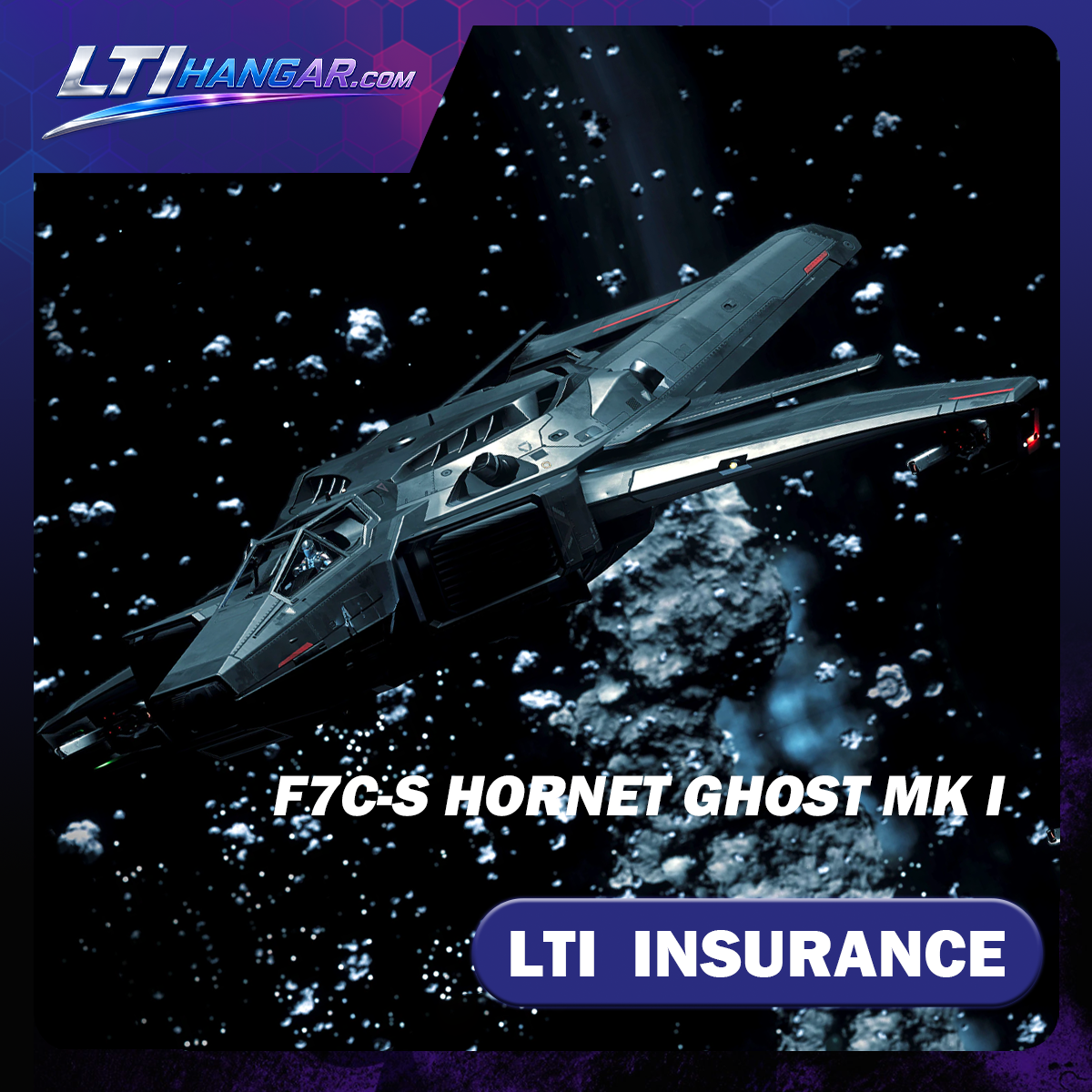
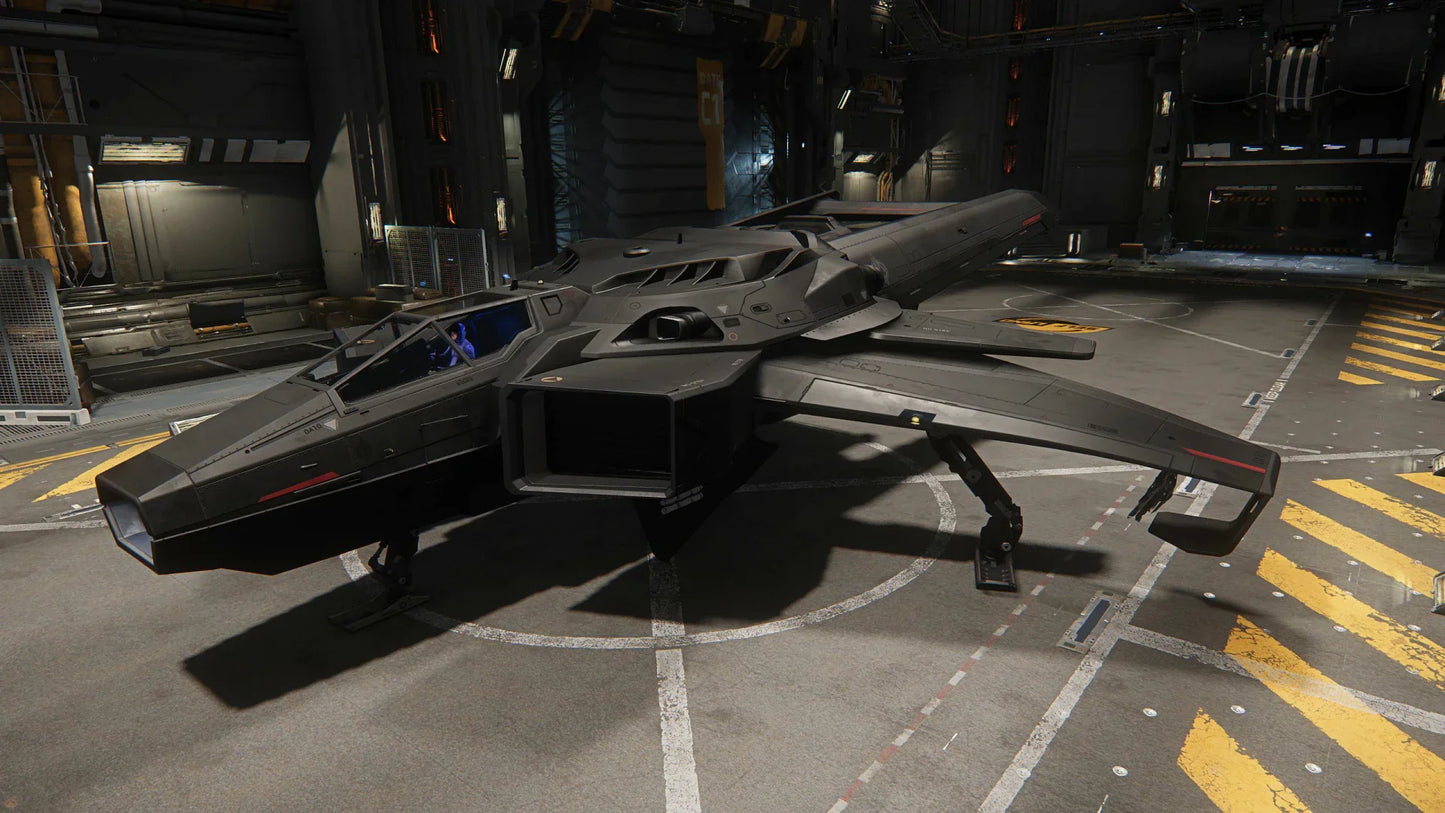
Anvil F7C-S Hornet Ghost Mk I Standalone Ship Gameplay Guide
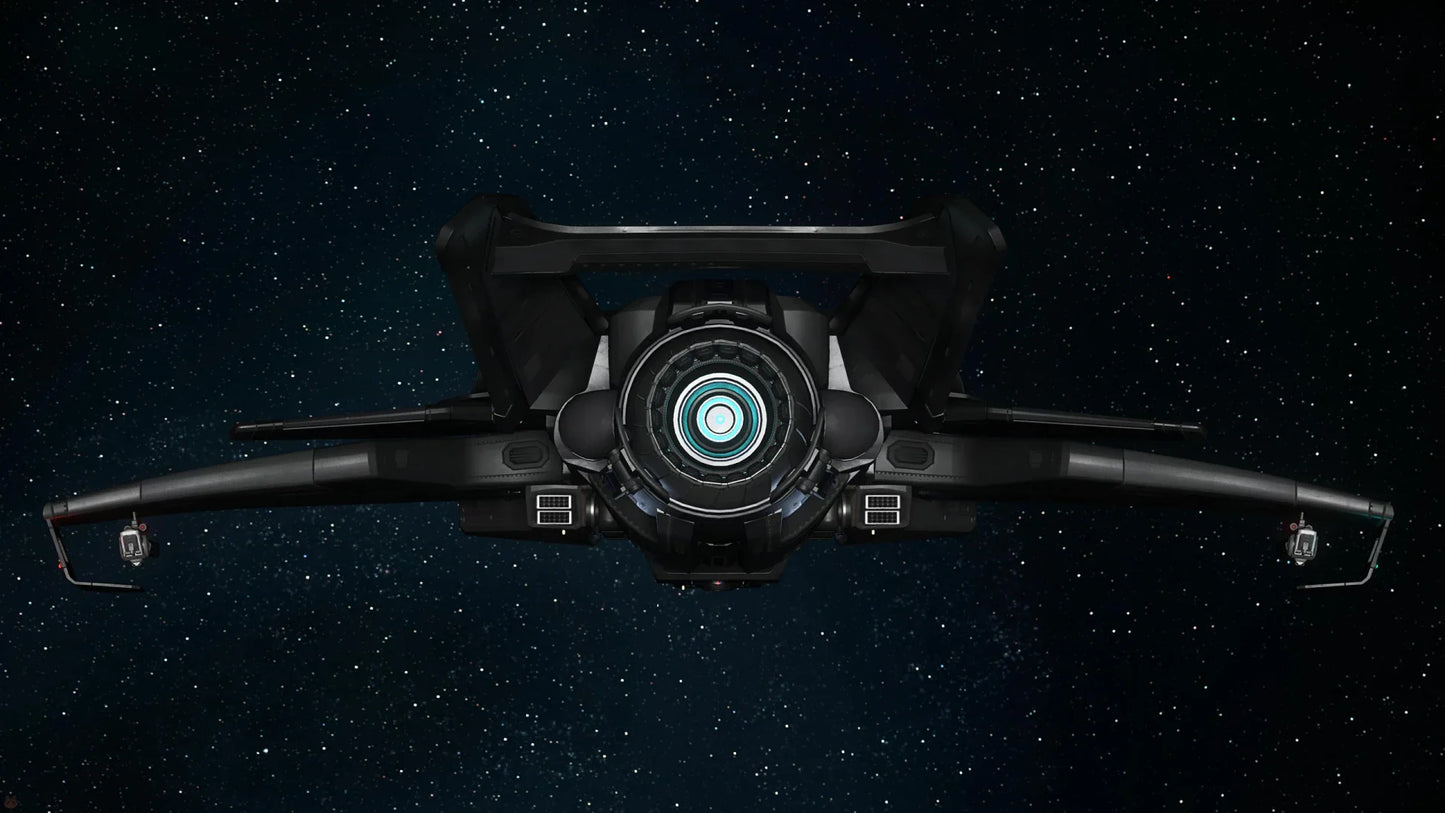
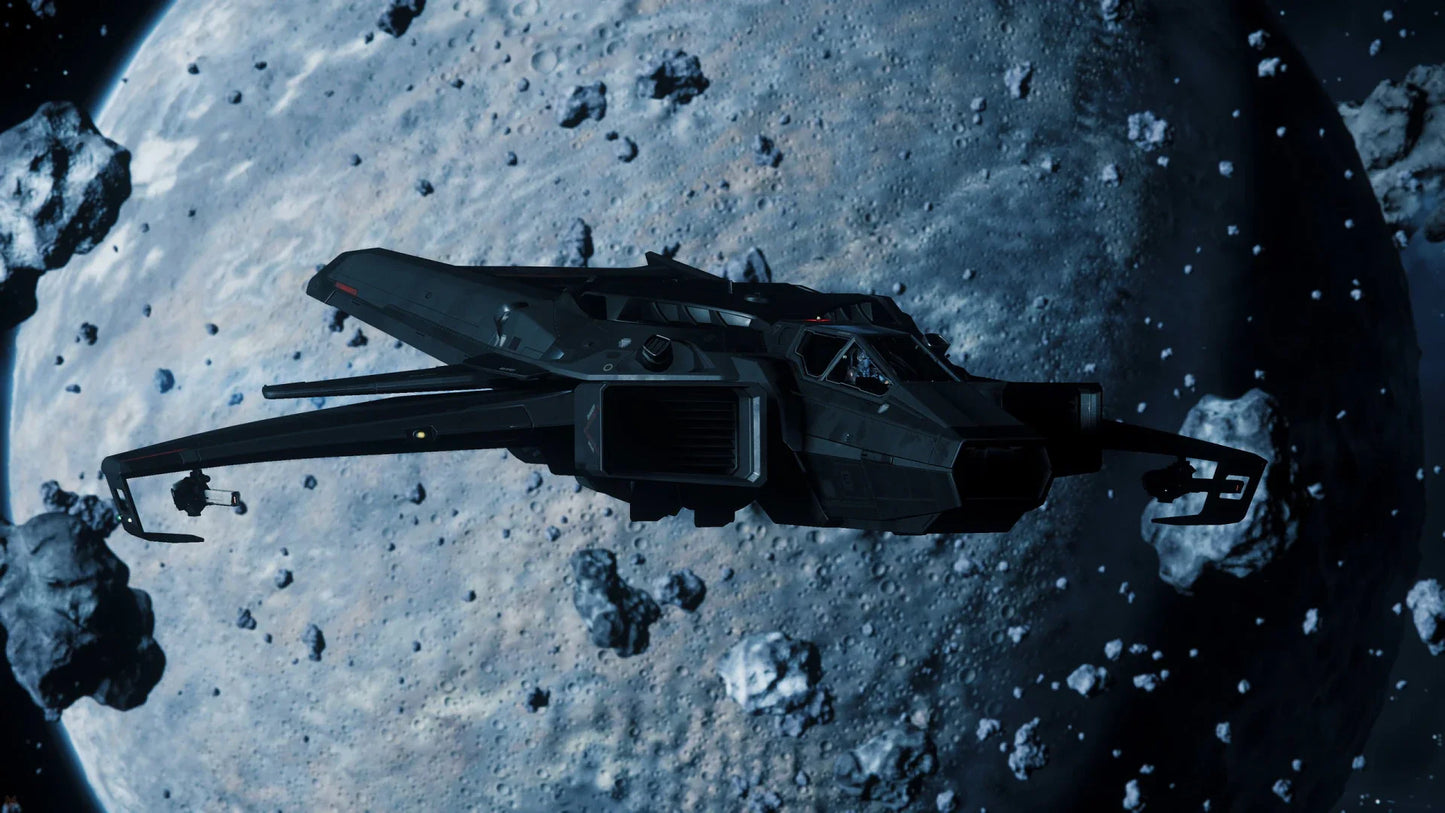
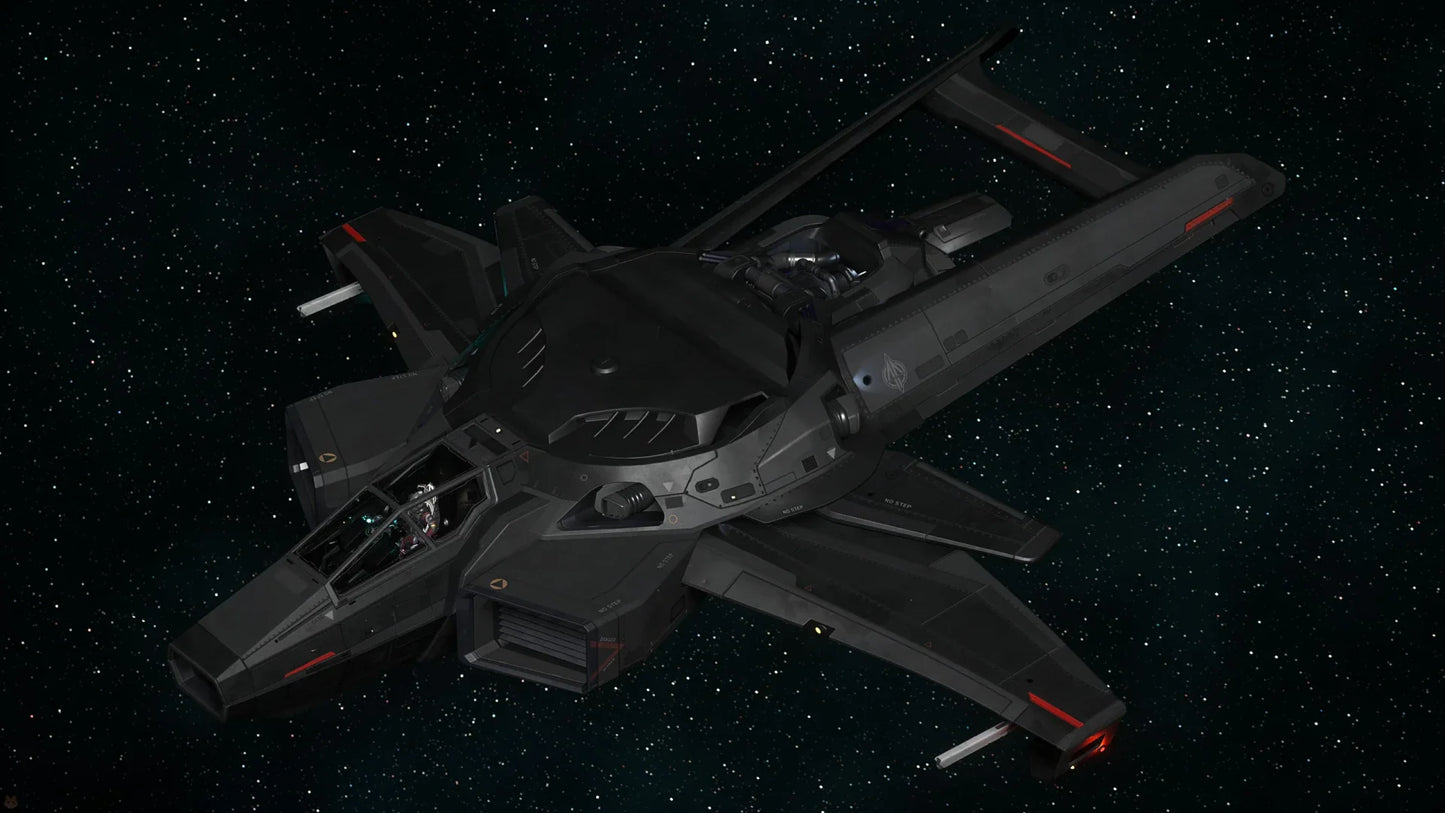
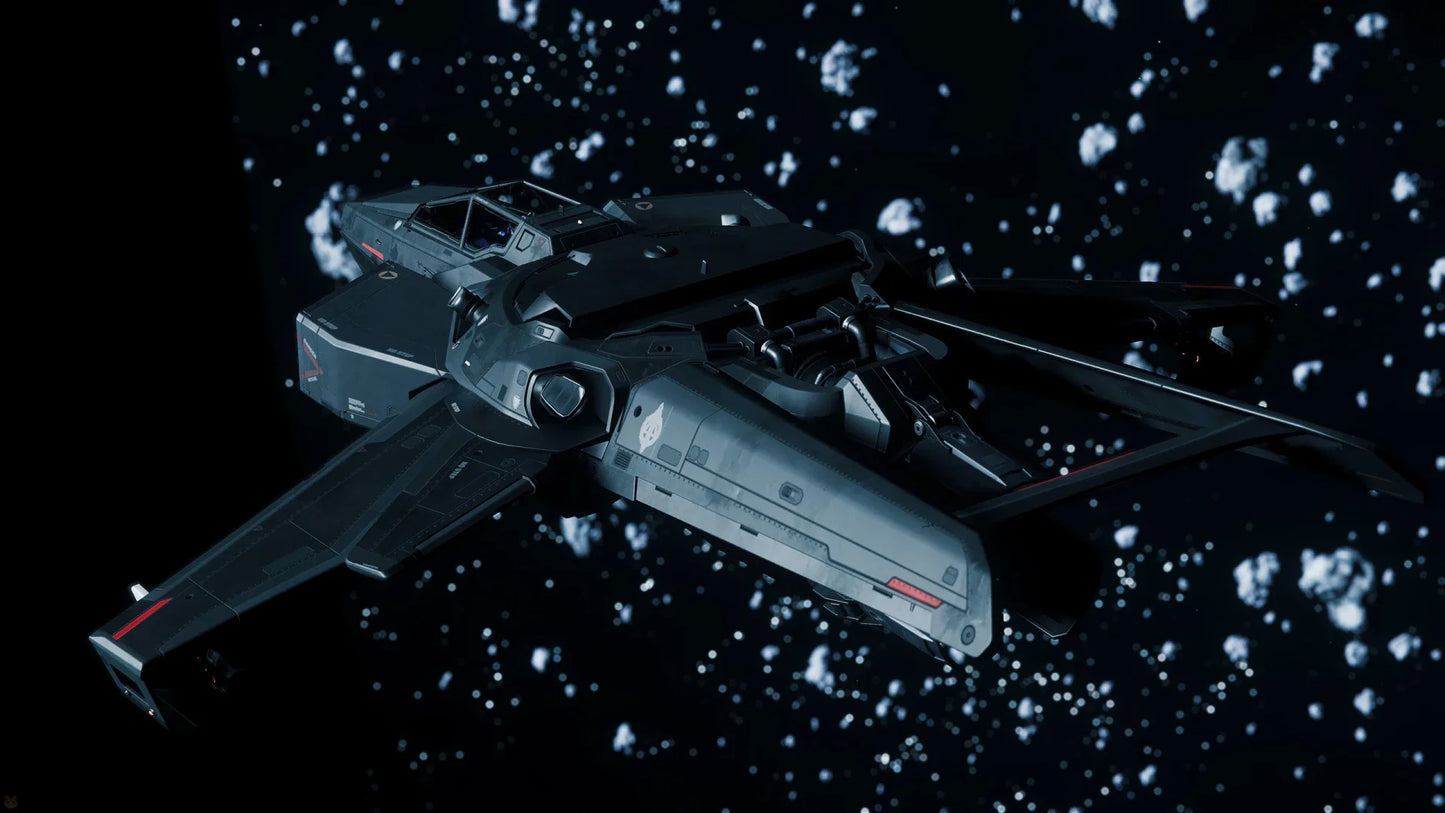
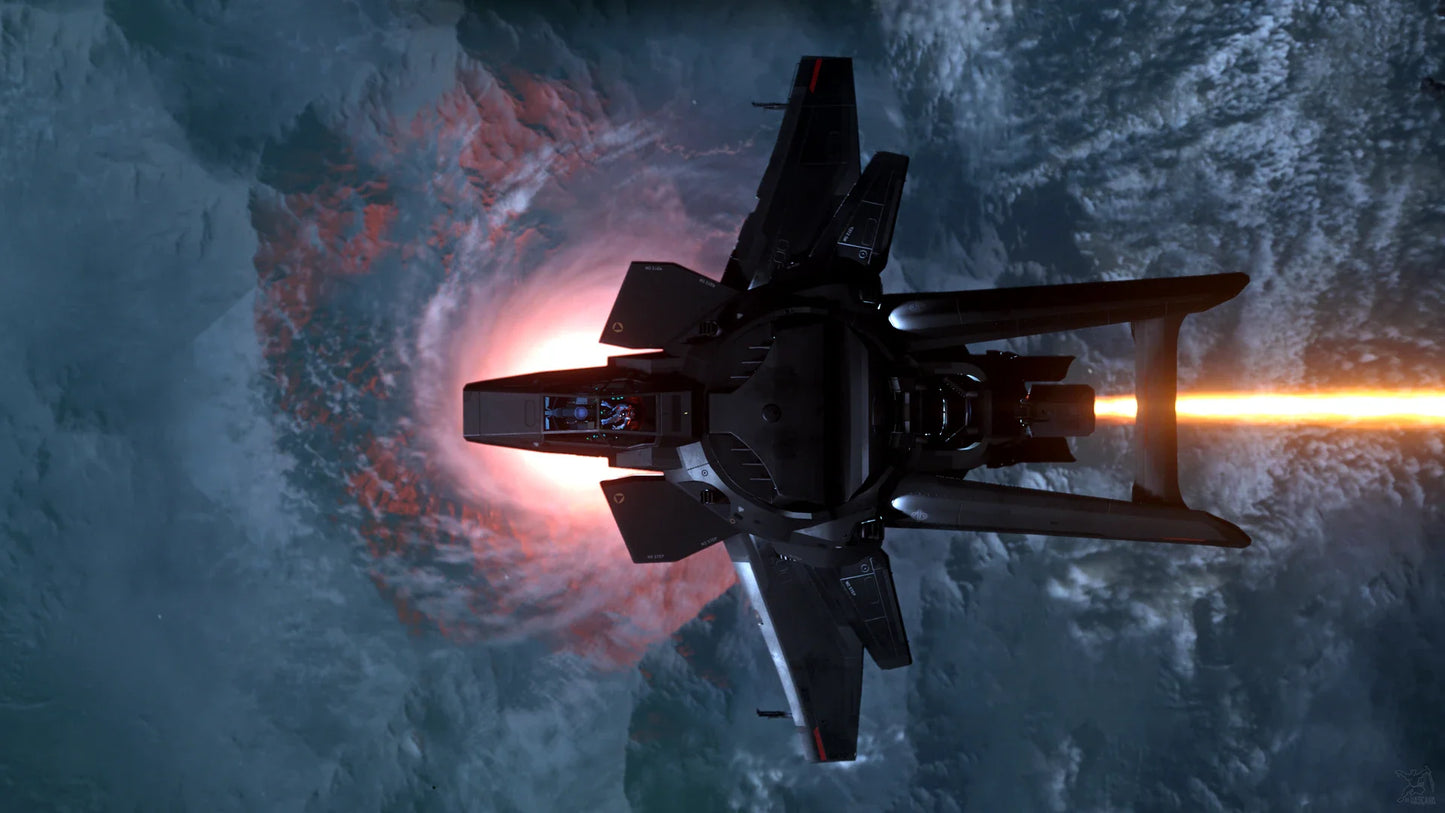
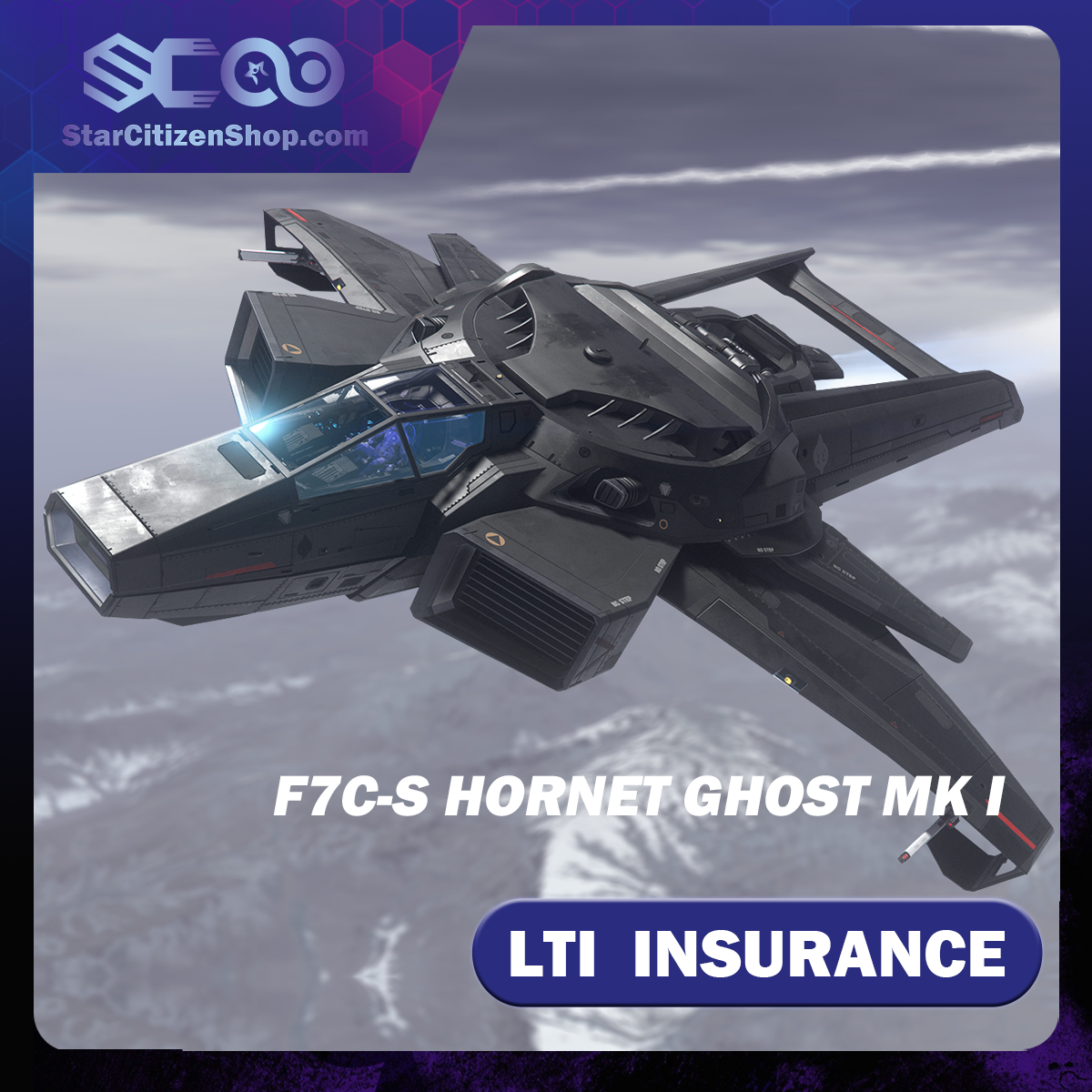
The Anvil F7C-S Hornet Ghost Mk I is a single-seat stealth fighter built for Star Citizen players who want the original Hornet Mk I chassis, lower-emission equipment, reconnaissance capability, ambush-oriented combat, and the collector appeal of the retired civilian Mk I lineup.
It is not the standard cargo-equipped F7C Hornet Mk I, the radar-focused Tracker Mk I, the two-seat Super Hornet Mk I, the military F7A Mk I, or the newer Ghost Mk II. The Ghost Mk I is best understood as the classic stealth Hornet: a civilian Hornet variant that gives up the standard center utility or turret configuration in favor of equipment designed to reduce its detectability.
RSI describes the Ghost’s original stealth package as a combination of low-emission drives, low-draw weapons, and Void Armor technology capable of diffusing scans. The ship was designed for pilots who wanted to maintain a low profile while completing reconnaissance, infiltration, or combat objectives.
The safest product-page positioning is simple:
The F7C-S Hornet Ghost Mk I is the Hornet you choose for classic low-signature gameplay, solo reconnaissance, ambushes, and Mk I collector value — not for maximum Hornet firepower, cargo, advanced radar, or the newer Mk II platform.
Build Your Classic Anvil Stealth Fleet with the Ghost Mk I
The Ghost Mk I is one of the more specialized ships in the original Hornet family. The standard F7C Mk I provides the civilian Hornet baseline. The Tracker sacrifices the center turret position for enhanced radar equipment. The Super Hornet adds a second seat and a heavier combat configuration. The Ghost uses its specialized equipment to reduce emissions and make the ship more difficult to detect.
If you are looking to acquire this classic Anvil stealth fighter, you can explore our available options in the Star Citizen Ships and Vehicles Collection.
F7C-S Hornet Ghost Mk I Key Specifications
The Ghost Mk I belongs to the original single-seat Hornet platform. Its exact weapons, installed components, signatures, speeds, and handling can change through live-game balancing, so buyers should distinguish the ship’s permanent stealth role from any temporary factory loadout or detection number. RSI’s Ship Matrix also warns that vehicle specifications may change during design and balancing.
| Specification | F7C-S Hornet Ghost Mk I | Gameplay Meaning |
|---|---|---|
| Manufacturer | Anvil Aerospace | Part of Anvil’s classic civilian Hornet family. |
| Role | Stealth Fighter | Designed around reduced detectability, reconnaissance, and controlled attacks. |
| Generation | Hornet Mk I | Uses the original civilian Hornet frame rather than the newer Mk II chassis. |
| Status | Flight Ready / Supported Legacy Ship | Remains playable and supported after the normal Mk I sales retirement. |
| Crew | 1 | Fully operated by one pilot with no gunner or co-pilot requirement. |
| Cargo Role | No standard cargo capacity in the factory Ghost configuration | Center equipment is dedicated to stealth rather than the standard F7C utility box. |
| Center Configuration | Ghost stealth equipment | Replaces the normal center utility or combat configuration. |
| Stealth Technology | Low-emission drives, low-draw weapons, and Void Armor | The defining reason to choose the Ghost variant, but not a guarantee of invisibility or permanent radar immunity. |
| Pilot Weapons | Hornet Mk I wing and nose weapon positions | Provides conventional fighter firepower without a center ball turret. |
| Missile Capability | Fighter-class missile support | Secondary pressure rather than a dedicated missile-fighter role. |
| Shielding | Hornet Mk I fighter protection | Useful protection, but not heavy-fighter durability. |
| Interior | Single cockpit | No walkable living space, bed, or multicrew facilities. |
| Core Gameplay | Reconnaissance, stealth approaches, ambushes, interception, solo combat | Best when the pilot uses detection management before direct engagement. |
| Availability Context | Retired civilian Mk I lineup | More legacy and collector appeal than a normally available civilian fighter. |
RSI consistently presented the Ghost Mk I as a low-profile Hornet using stealth-focused equipment rather than as the most heavily armed member of the family.
What Makes the F7C-S Hornet Ghost Mk I Valuable?
The Ghost Mk I is valuable because it combines three distinct qualities: the original Hornet Mk I design, a dedicated stealth configuration, and supported legacy/collector status. The ship is not simply a standard Hornet painted black. Its role is built around lowering emissions and diffusing scans through specialized components and armor technology.
The Ghost Mk I is not the Hornet with the most weapons — it is the classic Hornet designed to be noticed later.
The Ghost Mk I should not be marketed as permanently invisible. Its advantage is reduced detectability under suitable conditions, not immunity from radar, scanning, visual contact, or disciplined enemy pilots.
Classic Mk I Stealth Identity
The Ghost Mk I’s identity comes from its low-emission equipment and Void Armor. RSI describes Void Armor as scan-diffusing technology used alongside low-draw weapons and low-emission drives to help the Ghost maintain a reduced profile.
The Ghost Mk I reduces the signals an opponent can detect; it does not remove the ship from the game world.
A pilot who runs every system at maximum output, boosts continuously, and fires from close range will lose much of the benefit associated with the Ghost’s equipment. The ship is therefore best described as a low-signature fighter, not an invisible fighter.
Void Armor and Low-Emission Equipment
The Ghost Mk I was built around three connected stealth ideas: low-emission drives, low-draw weapons, and Void Armor.
| Stealth Feature | Intended Benefit |
|---|---|
| Low-emission drives | Reduces the propulsion-related signature created during controlled flight. |
| Low-draw weapons | Limits unnecessary power use and emissions from the factory combat setup. |
| Void Armor | Helps diffuse or reduce the effectiveness of incoming scans. |
The Ghost’s stealth comes from the complete configuration, so replacing every component with a louder high-output alternative may reduce the advantage that defines the ship.
This creates an important loadout trade-off. The best Ghost loadout is not always the loadout with the highest theoretical damage.
Center Stealth Configuration
The original Hornet family was designed around configurable center equipment. The standard civilian F7C could use the center section for cargo or other utility equipment. The Tracker used the position for advanced radar, while the Super Hornet returned the military-style ball turret. The Ghost’s configuration was built around reducing its signature.
| Hornet Mk I Center Role | Main Benefit | Main Trade-Off |
|---|---|---|
| Ghost stealth configuration | Lower-profile operation | No standard cargo box or center combat turret. |
| Standard F7C cargo configuration | Light utility and small cargo use | No dedicated Ghost stealth package. |
| Tracker radar configuration | Enhanced scanning and contact detection | Detects others rather than reducing its own profile. |
| Super Hornet ball turret | Additional combat firepower | Larger combat and crew focus. |
| F7A military configuration | Military weapon coverage | Different acquisition and military identity. |
The Ghost uses the center of the Hornet to avoid attention rather than carry cargo, search farther, or mount another turret.
Weapons and Combat Expectations
The Ghost Mk I remains a combat-capable Hornet. Its pilot can use the original Hornet wing and nose weapon positions, allowing the ship to engage light and medium targets after the stealth approach has ended.
The Ghost Mk I carries enough weapons to exploit a good opening, but it gives up the center turret that makes other Hornets more focused on raw damage.
Missile Capability
The Ghost Mk I retains fighter-class missile support, but missiles are not the main reason to choose the ship.
The Ghost’s missiles support the stealth attack; they do not turn the ship into a dedicated missile fighter.
Buyers who want a missile-focused stealth ship should compare the Sabre Firebird. Buyers who want heavy torpedoes should compare the Esperia Eclipse or Vanguard Harbinger.
Solo Gameplay Expectations
The F7C-S Ghost Mk I is a true single-seat fighter. One pilot manages flight, weapons, missiles, shields, power, radar, scanning, countermeasures, signature management, quantum travel, target selection, and disengagement.
The Ghost Mk I gives one pilot the complete stealth fighter, but also makes that pilot responsible for every system that keeps the ship hidden and alive.
Reconnaissance and Scouting Gameplay
The Ghost Mk I can support reconnaissance by approaching areas with a lower profile than a louder conventional fighter.
The Ghost scouts by remaining less noticeable while it observes — not by carrying the Tracker’s enhanced radar suite.
The Ghost is not the Hornet with the best sensor package. The Tracker is the specialist designed to seek hidden contacts and provide greater situational awareness.
Ambush and Controlled-Engagement Gameplay
The Ghost Mk I performs best when the pilot controls the beginning of the fight.
The Ghost is designed to improve the first attack, not guarantee the final result.
Once the target has identified the Ghost, the ship still needs to fight like a Hornet. Stealth does not replace aim, movement, shield management, countermeasures, or disengagement discipline.
Shields and Survivability
The Ghost Mk I uses fighter-level defensive systems rather than heavy-fighter armor or oversized shielding.
The Ghost survives best by preventing the enemy from beginning a clean attack, not by absorbing repeated direct hits.
Cargo, Interior, and Daily Utility Expectations
The Ghost Mk I is a cockpit fighter. Its factory stealth configuration should not be treated as a cargo platform, delivery ship, vehicle carrier, or general-purpose daily vessel.
The Ghost carries a pilot and combat equipment — not the practical utility expected from a ship with a walkable interior and cargo grid.
Players seeking a practical daily ship should compare the Drake Cutlass Black, Crusader C1 Spirit, MISC Freelancer, or another ship with an accessible interior and cargo capacity.
Mk I Legacy and Retirement Context
The Ghost Mk I belongs to the retired civilian Hornet Mk I lineup. During Invictus Launch Week 2954, RSI announced the wind-down of the classic civilian Mk I lineup as the Mk II became the new direction.
The Ghost Mk I is a supported classic ship with legacy value — not an abandoned fighter that has been removed from gameplay.
Real Player Use: Where the Ghost Mk I Feels Good
The Ghost Mk I feels best before the fight becomes crowded. A real player notices its specialist value when approaching a bounty location, observing a group, selecting the correct target, and beginning the engagement before every nearby ship has reacted.
The Ghost Mk I feels special when you fight with its whole movement system; it feels like an under-armed Hornet when flown directly into every fight.
A practical Ghost Mk I session also includes moments where the stealth advantage disappears quickly. If the pilot boosts too early, fires too soon, keeps shields and weapons fully active, or enters a fight where every target already knows the ship is present, the Ghost can feel like a Hornet missing its center combat option.
When the Ghost Mk I Advantage Becomes Less Important
The Ghost Mk I should not be presented as automatically superior because it has stealth equipment.
When every ship already sees the Ghost, its missing center turret becomes more noticeable than its stealth equipment.
Direct Vehicle Comparisons
F7C-S Hornet Ghost Mk I vs Standard F7C Hornet Mk I & Super Hornet Mk I
Original Hornet variants are easiest to explain by structural combat balance and cockpit seating arrays.
| Ship | Best For | Main Difference |
|---|---|---|
| Anvil F7C-S Ghost Mk I | Stealth, reconnaissance, and ambushes | Low-emission equipment and Void Armor replace the standard center utility role. |
| F7C Hornet Mk I | General solo fighter use | Broader civilian baseline and greater configuration flexibility. Traces into Wildfire editions. |
| F7C-M Super Hornet Mk I | Two-seat direct crewed combat | Adds a second seat, center ball turret, and near-military civilian setup. Prepped variants match the Heartseeker Mk I. |
Choose the Ghost Mk I if you want the classic stealth Hornet. Choose the standard F7C Hornet Mk I if you want the classic general-purpose civilian Hornet. Choose the Super Hornet Mk I if you want two-seat crewed combat.
F7C-S Hornet Ghost Mk I vs Ghost Mk II & F7A line
Generation parameters split the Hornet platform across classic legacy lines and modernized frame setups.
| Ship | Best For | Main Difference |
|---|---|---|
| F7C-S Ghost Mk I | Classic design and Mk I collection | Original Hornet platform with Void Armor and legacy retirement context. |
| F7C-S Ghost Mk II | Newer-generation stealth Hornet gameplay | Updated modern Mk II chassis and current signature-reducing module. |
| Military F7A Setup | UEE Navy direct combat firepower | Concentrated frontline gun array. Fits classic F7A Hornet Mk I metrics or modernized F7A Hornet Mk II builds. |
Choose the Ghost Mk I for the classic stealth Hornet. Choose the Ghost Mk II for the newer stealth Hornet platform. Choose the F7A Hornet Mk II for front-line military firepower.
F7C-S Hornet Ghost Mk I vs Tracker Mk I & Aegis Sabre
| Ship | Best For | Main Difference |
|---|---|---|
| F7C-S Ghost Mk I | Concealment and stealth approach loops | Reduces the ship's own profile within the single-seat Hornet platform. |
| F7C-R Tracker Mk I | Scanning and contact detection tracking | Uses advanced radar modules to locate and monitor other contacts. Maps to the modern Tracker Mk II. |
| Aegis Sabre | Purpose-built stealth operations | Dedicated Aegis stealth chassis designed completely around a low signature profile; fits alternative choices like the Sabre Comet or Sabre Firebird. |
Choose the Ghost if you want to be harder to find. Choose the Tracker Mk I if you want to find other ships more effectively. Choose the Aegis Sabre if you want a dedicated purpose-built stealth platform.
F7C-S Hornet Ghost Mk I vs Razor EX & Light Fighters
| Ship | Best For | Main Difference |
|---|---|---|
| F7C-S Ghost Mk I | Stealth combat and single-seat scouting | Fighter chassis with full weapon hardpoints and classic medium fighter tolerance. |
| MISC Razor EX | Fast low-signature travel and infiltration | Ultra-compact racing hull built around speed metrics and low-draw components; minimal combat capability. |
| Light Fighter Platform | Agile turning dogfights | Traditional maneuvering layouts like the Aegis Gladius or Anvil Arrow. Lacks signature suppression tools. |
Choose the Ghost Mk I if you want stealth combat inside a proper fighter. Choose the Razor EX for fast covert infiltration loops. Choose the Gladius or Arrow for traditional open maneuvering.
F7C-S Hornet Ghost Mk I vs Stealth Fighter and Hornet Family
The Ghost Mk I sits firmly within a specialized segment balancing legacy generation frames against multi-role support loops.
| Ship / Family Option | Best For | Main Difference |
|---|---|---|
| F7C-S Hornet Ghost Mk I | Classic stealth Hornet gameplay | Original Mk I chassis, low-emission equipment, Void Armor, and legacy appeal. |
| F7C-S Hornet Ghost Mk II | Newer stealth Hornet platform loops | Modern updated Mk II framework and modern signature-reducing design direction. |
| F7C Hornet Mk I | General civilian baseline flight | Broader baseline general utility layout without the Ghost's stealth focus. |
| F7C-R Tracker Mk I | Radar and scanning target detection | Finds other vessels effectively rather than reducing its own emissions footprint. |
| F7C-M Super Hornet Mk I | Two-seat direct combat engagements | Adds a second bridge seat, copilot controls, and center ball turret. |
| F7A Hornet Mk I | Legacy military fighter ownership | UEE Navy historical configuration and focused forward hardpoints. |
| Aegis Sabre | Purpose-built stealth-fighter combat | Dedicated Aegis stealth framework built outside the Hornet family line entirely. |
Choose the Ghost Mk I when you want the original stealth Hornet. Choose the Ghost Mk II when you want the newer Hornet stealth platform. Choose the Tracker Mk I when finding other ships matters more than hiding your own. Choose the Sabre when you want a dedicated stealth fighter outside the Hornet family.
Combat, Stealth, and Practical Expectations
The Ghost Mk I is specialized. It should not be sold as the best Hornet or stealth fighter for every buyer.
If the buyer wants:
- Classic Hornet stealth gameplay, choose the Ghost Mk I.
- The newer stealth Hornet, choose the Ghost Mk II.
- General Mk I fighter flexibility, choose the standard F7C Mk I.
- Enhanced radar, choose the Tracker Mk I.
- Two-seat Hornet combat, choose the Super Hornet Mk I.
- Classic military Hornet ownership, choose the F7A Mk I.
- A purpose-built Aegis stealth fighter, choose the Sabre.
- Fast low-signature travel, choose the Razor EX.
- Straightforward dogfighting, choose the Gladius.
- Cargo or daily utility, choose a ship with a real interior and cargo grid.
The Ghost Mk I is valuable because it is the original stealth Hornet — not because it replaces every fighter, scout, or daily-use ship.
Explore F7C-S Hornet Ghost Mk I Upgrade Paths
Players who prefer to build toward the Ghost Mk I from another pledge can explore available Star Citizen F7C-S Hornet Ghost Mk I CCU Upgrades and plan a Hornet Mk I, Anvil, stealth-fighter, or collector upgrade path over time.
The normal civilian Mk I pledge cycle ended during Invictus Launch Week 2954. For full selection options, browse the Star Citizen Ships and Vehicles Collection.
Ghost Mk I vs Other Star Citizen Fighters
| Ship Fleet Option | Primary Core Role | Compared with the Ghost Mk I |
|---|---|---|
| F7C-S Hornet Ghost Mk I | Classic Stealth Hornet | Good for original Hornet stealth identity and Mk I collector value. |
| F7C-S Hornet Ghost Mk II | Modern Stealth Hornet | Better for buyers who want the newer chassis and Mk II family direction. |
| F7C Hornet Mk I | General Civilian Fighter | Better for standard Mk I flexibility and broader baseline use. |
| F7C-R Tracker Mk I | Sensor / Radar Hornet | Better for locating and following contacts. Upgrades to Tracker Mk II profiles. |
| F7C-M Super Hornet Mk I | Two-Seat Combat Hornet | Better for crewed combat and turret firepower. Variant sets map into Heartseeker Mk I lines. |
| F7A Hornet Mk I | Military Fighter | Better for classic military Hornet identity. Scales to F7A Hornet Mk II units. |
| Aegis Sabre | Purpose-Built Stealth Fighter | Better for a dedicated stealth-platform experience. Supports options like the Sabre Firebird. |
| MISC Razor EX | Stealth Racer / Courier | Better for speed and low-signature travel profiles. |
| Aegis Gladius | Light Fighter | Better for direct dogfighting and conventional fighter training loops. Supports Gladius Valiant variants. |
| Anvil Arrow | Agile Light Fighter | Better for compact agility and a micro visual combat profile. |
| Aegis Eclipse | Stealth Torpedo Bomber | Better for heavy anti-ship ordnance delivery. |
F7C-S Hornet Ghost Mk I vs Ghost Mk II
The Ghost Mk II is better for buyers who want the newer Hornet chassis and the modern Mk II platform direction. The Ghost Mk I is better for buyers who specifically value the original Hornet generation, Mk I retirement context, and classic Anvil silhouette. Choose the Mk II for the newer platform. Choose the Mk I for classic stealth Hornet identity.
F7C-S Hornet Ghost Mk I vs Tracker Mk I
The Tracker Mk I is better when the mission is about finding contacts using sensor sweeps. The Ghost is better when the pilot wants to reduce their own signatures to delay detection. Choose the Tracker for radar work. Choose the Ghost for lower-profile approaches.
F7C-S Hornet Ghost Mk I vs Super Hornet Mk I
The Super Hornet Mk I is better for two-seat direct combat and turret firepower. The Ghost is better for solo stealth, reconnaissance, and controlled engagement openings. Choose the Super Hornet for a more combat-forward Hornet. Choose the Ghost for a lower-signature Hornet.
F7C-S Hornet Ghost Mk I vs Aegis Sabre
The Aegis Sabre is better for players who want a purpose-built Aegis stealth fighter. The Ghost Mk I is better for players who specifically want a stealth version of the classic Hornet platform. Choose the Sabre for dedicated stealth-fighter identity. Choose the Ghost Mk I for stealth Hornet identity and legacy appeal.
F7C-S Hornet Ghost Mk I Strengths and Limitations
| Strategic Strengths | Operational Limitations |
|---|---|
| Original stealth member of the Hornet Mk I family | Older platform than the Ghost Mk II. |
| Low-emission drives and low-draw equipment identity | High-output replacement components may weaken signature control. |
| Void Armor designed to diffuse scans | Does not make the ship invisible. Permanent invisibility is impossible. |
| Single-seat operation simplicity | No co-pilot, gunner, or dedicated systems operator. | Combat-capable Hornet platform | Less total factory firepower than turret-equipped Hornets. No center gun. |
| Useful for reconnaissance and ambushes | No enhanced Tracker radar package installed. |
| Can select favorable engagement openings | Advantage decreases after sustained combat and shield draw begins. |
| Supported legacy ship context | No longer part of the normal civilian Mk I pledge cycle. |
Who Should Buy the F7C-S Hornet Ghost Mk I?
The F7C-S Hornet Ghost Mk I is best for players who specifically want the original stealth Hornet. It is especially suitable for Hornet Mk I collectors, Anvil Aerospace fans, solo stealth pilots, and reconnaissance players who prefer the classic silhouette over newer frames.
It is a useful fleet addition for players who already have cargo, industrial, exploration, and direct-combat roles covered. The Ghost can remain a specialist choice rather than being forced to serve as a versatile all-purpose daily driver.
F7C-S Hornet Ghost Mk I FAQ
Is the F7C-S Hornet Ghost Mk I worth buying in Star Citizen?
Yes, if you want the original single-seat stealth Hornet, Mk I collector value, reconnaissance capability, and lower-profile combat. It is not ideal if you want maximum firepower, cargo, advanced radar, or the newest Hornet platform.
Is the Ghost Mk I Flight Ready?
Yes. The Ghost Mk I remains flyable and supported as part of the classic Hornet Mk I lineup. RSI confirmed that retired Mk I Hornets would continue receiving support and bug fixes.
What is the main role of the Ghost Mk I?
It is a stealth fighter designed for pilots who want to maintain a lower profile during reconnaissance, infiltration, or combat operations.
What makes the Ghost Mk I stealthy?
RSI describes it as using low-emission drives, low-draw weapons, and Void Armor technology capable of diffusing scans.
How many crew members does the Ghost Mk I need?
It is a single-seat fighter operated by one pilot.
Does the Ghost Mk I have cargo?
The factory Ghost configuration prioritizes stealth equipment rather than the standard F7C center cargo box. It should not be purchased as a cargo or delivery ship.
Can the Ghost Mk I still fight effectively?
Yes. It remains a combat-capable Hornet with pilot-controlled weapon positions. However, it has less factory weapon coverage than combat-heavy Hornet configurations using a center turret.
Ghost Mk I or standard F7C Mk I: which should I choose?
Choose the Ghost Mk I for stealth and reconnaissance. Choose the standard F7C Mk I for a broader and more flexible classic civilian Hornet.
Is the Ghost Mk I retired?
The normal civilian Mk I pledge cycle ended during Invictus Launch Week 2954, and RSI stated that the lineup would be removed from upcoming in-game dealerships. The ships remain flyable and supported.
Will the Ghost Mk I receive future updates?
RSI stated that Hornet Mk I ships would continue receiving bug fixes and were planned for a future gold-standard pass.