


From Anvil Aerospace | Max Crew2 | In-Game Status Flight Ready
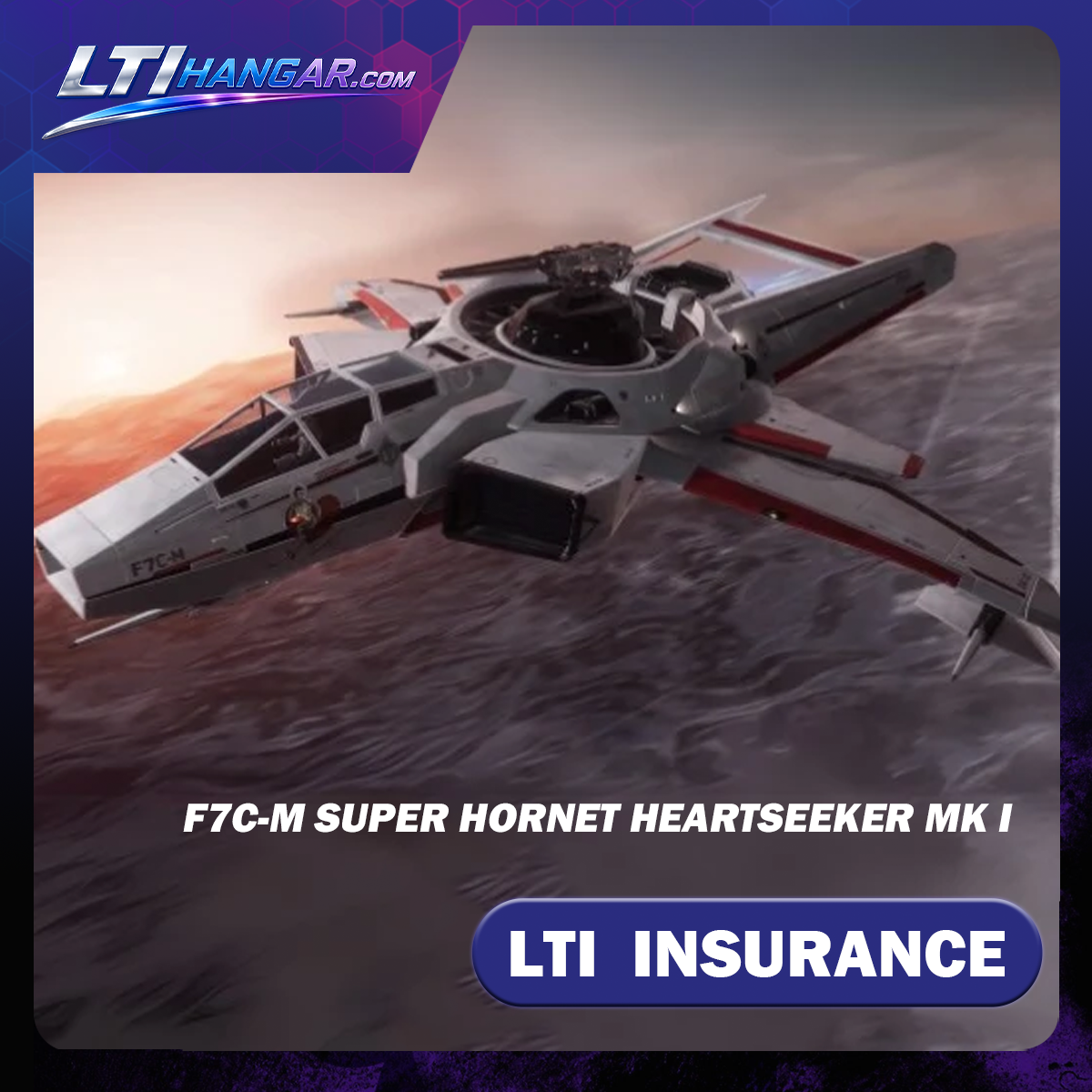
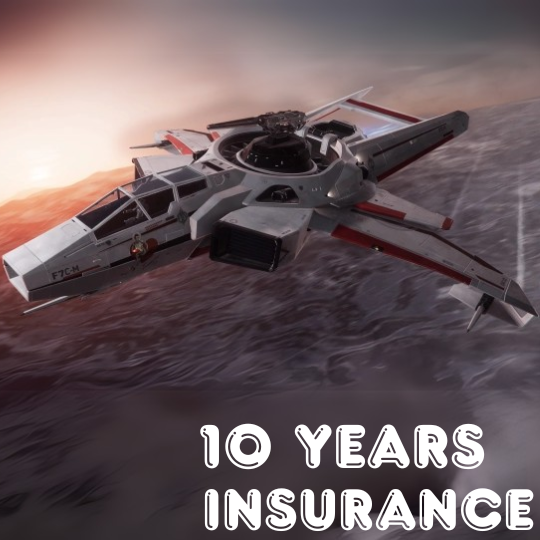
F7C-M Super Hornet Heartseeker Mk I - Standalone Ship
Bitte beachte unsere Lieferzeiten.
- Star Citizen Schiffe: meist 20–30 Minuten; maximal 12 Stunden.
- Star Citizen aUEC: Lieferung in 3–5 Minuten.
- Star Citizen CCU-Upgrades: meist 20–30 Minuten; maximal 12 Stunden.
- Star Citizen Schiff-Lackierungen: meist 5 Minuten; maximal 12 Stunden.
- Star Citizen Items: meist 5 Minuten; maximal 12 Stunden.
So löst du Star Citizen Schiffe, CCUs, Paints und Items ein
Um diesen Artikel anzunehmen, benötigst du ein Konto auf robertsspaceindustries.com. Für den Zugang zu Star Citizen benötigst du außerdem ein Game Package.
Alle Bestellungen werden an die E-Mail-Adresse gesendet, die du beim Checkout angegeben hast. Du erhältst eine E-Mail mit dem Betreff „Someone sent you a gift from Roberts Space Industries“ von no-reply@robertsspaceindustries.com. Öffne diese E-Mail und klicke auf den blauen „claim gift“-Button, um deine Bestellung einzulösen.
Wenn deine Bestellung auf einem RSI-Konto landen soll, das nicht mit der von dir angegebenen E-Mail-Adresse verbunden ist, logge dich einfach vor dem Einlösen in einem separaten Tab in das richtige RSI-Konto ein. Bitte aktualisiere die RSI-Seite noch einmal, um sicherzugehen, dass du im richtigen Konto angemeldet bist.
Wenn du diesen Artikel als Geschenk kaufst, klicke mit der rechten Maustaste auf den blauen „claim gift“-Button und kopiere die Link-Adresse. Stelle dabei sicher, dass du aus deinem eigenen RSI-Konto ausgeloggt bist, damit du das Geschenk nicht versehentlich selbst einlöst.
Wichtige Sicherheitshinweise
Achtung: Alle Schiffe und Items können nur einmal verschenkt bzw. eingelöst werden. Sobald der Artikel eingelöst wurde, ist er dauerhaft an das RSI-Konto gebunden, das das Geschenk angenommen hat. Das gilt für Schiffe, CCUs, Paints, Rüstungen, Waffen und andere Items.
Bitte stelle sicher, dass du vor dem Einlösen der Geschenk-E-Mail im selben Browser in genau dem RSI-Konto angemeldet bist, auf dem du den Artikel erhalten möchtest.
Wir übernehmen keine Verantwortung, wenn der Artikel auf dem falschen RSI-Konto eingelöst wird.
So wendest du ein CCU-Upgrade an
Wenn du ein Cross Chassis Upgrade (CCU) gekauft hast, um ein Schiff auf ein anderes Schiff upzugraden, kannst du es über deinen RSI Hangar anwenden.
Zuerst musst du das CCU über die oben beschriebenen Lieferanweisungen einlösen, damit es in deinem RSI Hangar erscheint. Gehe anschließend auf der RSI-Website zu „My Hangar“.
Klicke dort auf den Pfeil neben deinem CCU, um die Details zu öffnen. Danach klickst du auf „Apply Upgrade“, wählst das gewünschte „Source Ship“ aus und gibst dein RSI-Passwort ein, um das Upgrade abzuschließen.
Wichtig: Die Versicherung, z. B. LTI, sowie andere Boni deines ursprünglichen Basisschiffs werden auf das neue Schiff übertragen.
Bei Upgrades von einem günstigeren Schiff auf ein teureres Schiff können mehrere CCUs notwendig sein.
Beispiel: Wenn du ein Upgrade von einer Merchantman auf eine Polaris kaufst, erhältst du zwei CCUs: Merchantman → Hammerhead und Hammerhead → Polaris. Je größer der Preisunterschied, desto mehr CCUs können im Upgrade-Pfad enthalten sein.
Sicher einkaufen: Kundenschutz bei LTI Hangar
Käuferschutz
Wenn du auf unserer Website kaufst, garantieren wir dir, dass du den richtigen Artikel genau wie beschrieben erhältst. Falls wir den Artikel nicht liefern können, bieten wir dir entweder einen Ersatz oder eine vollständige Rückerstattung an. Du kannst selbst wählen, welche Option du bevorzugst.
After-Sale-Schutz
Alle Artikel, die wir verkaufen, stammen aus unserem eigenen Bestand und sind durch unseren After-Sale-Schutz abgedeckt.
Sollte während der Lieferung oder innerhalb von bis zu 6 Monaten nach abgeschlossener Lieferung ein Problem mit einem Artikel auftreten, prüfen wir den Fall sorgfältig. Wenn festgestellt wird, dass der Fehler bei uns liegt, bieten wir dir entweder einen Ersatz oder eine Rückerstattung an.
In den meisten Fällen bedeutet das eine vollständige Ersatzlieferung, eine vollständige Rückerstattung oder ein Upgrade auf einen besseren Artikel, falls ein identischer Ersatz nicht verfügbar ist.
24/7-Kundenservice
Erlebe zuverlässigen Support mit unserem 24/7 Online-Kundenservice! Egal ob du Fragen hast, Hilfe benötigst oder eine schnelle Lösung brauchst – unser Team ist jederzeit für dich da.
Ganz gleich, zu welcher Uhrzeit oder an welchem Tag: Wir sind nur einen Klick entfernt und helfen dir genau dann, wenn du Unterstützung brauchst.
Tritt jetzt unserem Discord bei und erlebe den LTI Hangar Unterschied!
Auf Lager · RSI-Geschenk-Lieferung · Ø 20 Min. Lieferzeit
Contact our Discord live support; we are online 24/7.

Warum Star-Citizen-Spieler LTI Hangar wählen
Schnelle Lieferung für Schiffe, echter Support und ein klarer RSI-Geschenkprozess – für Star-Citizen-Spieler, die einfacher und sicherer kaufen möchten.
Ø 20–30 Min. Lieferzeit
24/7 Discord-Support
Ein Team aus Gamern mit über 10 Jahren Erfahrung.
Sicher einkaufen · Eigener Bestand, keine Drittanbieter-Angebote
Zuverlässiger Support nach dem Kauf
Bestellung in Echtzeit verfolgen
Häufig gestellte Fragen
Wie lange dauert die Lieferung in der Regel?
Star Citizen Schiffe, CCUs, Paints und Items werden normalerweise innerhalb von 20–30 Minuten geliefert.
In seltenen Fällen kann die Lieferung bis zu 12 Stunden dauern – zum Beispiel bei hohem Bestellvolumen, RSI-Gifting-Limits, Account-Status-Problemen oder wenn eine manuelle Prüfung erforderlich ist.
Schiff-Lieferungen überschreiten in der Regel nicht 12 Stunden, außer es gibt besondere Gründe wie RSI-Systemlimits, Account-Einschränkungen oder eine notwendige Kundenverifizierung.
Ist meine Schiff-Bestellung abgesichert?
Ja. Sicherheit und Zuverlässigkeit stehen bei uns an erster Stelle.
Alle Schiffe, die du bei LTI Hangar kaufst, stammen aus unserem eigenen Bestand – ohne externe Verkäufer oder unbekannte Drittanbieter.
Jede Schiff-Bestellung wird mit klaren Liefernachweisen bearbeitet. So kann der Ablauf bei Support-Anfragen überprüft und nachvollzogen werden. Für berechtigte Probleme im Zusammenhang mit der Lieferung bieten wir außerdem einen lebenslangen After-Sale-Schutz.
Diese Kombination aus eigenem Bestand, nachvollziehbarer Lieferung und After-Sale-Schutz bieten viele Drittanbieter-Marktplätze nicht in dieser Form. Genau deshalb wählen viele Kunden LTI Hangar für sicherere Star Citizen Schiff-Käufe.
Was bedeutet unser lebenslanger After-Sale-Schutz?Warum bieten viele andere Marktplätze diesen Schutz nicht an?
In dem äußerst seltenen Fall, dass während der Lieferung oder zu irgendeinem Zeitpunkt nach abgeschlossener Lieferung ein Problem mit einem Item auftritt, prüfen wir den Fall sorgfältig.
Wenn festgestellt wird, dass das Problem durch einen Fehler unsererseits verursacht wurde, bieten wir entweder einen Ersatz oder eine Rückerstattung an.
Damit wir den Fall korrekt prüfen können, kann es erforderlich sein, dass du uns relevante Nachweise zur Verfügung stellst, z. B. Screenshots aus deinem RSI Hangar, Bestelldetails und Einträge aus dem RSI Hangar Log.
Das RSI Hangar Log kann dabei helfen, den Status und die Historie eines Schiffs nachzuvollziehen – zum Beispiel, ob das Item geclaimt, getauscht, gemeltet, übertragen oder nach der Lieferung anderweitig verändert wurde.
Wir prüfen die von dir bereitgestellten Nachweise, um die Ursache des Problems zu bestimmen.
Dieses Maß an Schutz wird von vielen Drittanbieter-Marktplätzen nicht in dieser Form angeboten, da sie häufig mit externen Verkäufern oder gemischten Inventarquellen arbeiten.
Bei LTI Hangar stammen alle Schiffe aus unserem eigenen Bestand, und jede Bestellung verfügt über klare Liefernachweise. Dadurch können wir sichereren und zuverlässigeren Support bieten.
Kann ich nach dem Einlösen von Schiffen, CCUs, Paints oder Items eine Rückerstattung beantragen?
Sobald das RSI-Geschenk eingelöst wurde, sind das Schiff, die CCU, der Paint oder das Item an das empfangende RSI-Konto gebunden. Aufgrund der Einschränkungen des Star Citizen Gifting-Systems kann ein eingelöstes Schiff normalerweise nicht erneut verschenkt, zurückgegeben, rückgängig gemacht oder erneut geliefert werden.
Aus diesem Grund sind bereits eingelöste Items normalerweise nicht für eine Stornierung oder Rückerstattung berechtigt.
Eine Korrektur, ein Ersatz oder eine Rückerstattung kann nur angeboten werden, wenn wir bestätigen, dass das Problem durch uns verursacht wurde – zum Beispiel durch einen falsch gesendeten Artikel, einen Lieferfehler oder ein anderes nachweisbares Lieferproblem auf unserer Seite.
Bitte stelle vor dem Einlösen des RSI-Geschenks sicher, dass du im richtigen RSI-Konto angemeldet bist. Sobald das Geschenk auf dem falschen Konto eingelöst wurde, kann es normalerweise nicht auf ein anderes Konto übertragen werden.
Was passiert, wenn ein falsches Schiff, eine falsche CCU, ein falscher Paint oder ein falsches Item geliefert wurde?
Wenn wir bestätigen, dass aufgrund eines Fehlers unsererseits ein falsches Item geliefert wurde, prüfen wir den Fall und bieten – sofern zutreffend – eine Korrektur, einen Ersatz oder eine Rückerstattung an.
Bitte kontaktiere uns mit deiner Bestellnummer, der beim Checkout verwendeten E-Mail-Adresse und klaren Screenshots aus deinem RSI Hangar.
Warum sehe ich andere Schiffsnamen in meinem RSI Hangar?
Standalone CCU’d Ship
Ein Standalone CCU’d Ship ist ein vollständiges Ship oder Vehicle. Es ist kein Upgrade!
CCU’d bedeutet nur, dass dieses Ship erstellt wurde, indem ein kleineres Ship oder Vehicle auf das Ship upgegradet wurde, das du kaufst.
Bitte beachte außerdem: In der Gift-E-Mail wird möglicherweise nur das Base Ship angezeigt, das für das Upgrade verwendet wurde.
Keine Sorge – das tatsächliche Ship, das du in deinem Hangar siehst, ist das Ship, das du bestellt hast.
Zum Beispiel sieht ein CCU’d Polaris im Hangar auf der RSI-Website so aus:
SO FUNKTIONIERT ES
Schnell, einfach und sicher – erfahre, wie es funktioniert!

IST DER KAUF SICHER?
Sicherheit hat für uns höchste Priorität.
Im Gegensatz zu vielen anderen Websites verkaufen wir ausschließlich unseren eigenen Bestand. Wir erlauben keine externen Verkäufer auf unserer Plattform.
So stellen wir maximale Sicherheit, ein gutes Gefühl beim Kauf und besonders schnelle Lieferungen sicher.

SO FUNKTIONIERT DIE LIEFERUNG
Das Item wird über das RSI-Gifting-System geliefert. Nach deiner Bestellung senden wir das Item an die E-Mail-Adresse, die du beim Checkout angegeben hast.
Sobald du die Gift-E-Mail erhalten hast, öffne sie einfach und klicke auf „Claim“. Das Item wird dann dem RSI-Konto hinzugefügt, in dem du gerade eingeloggt bist.

After-Sale-Schutz
Alle Items, die wir verkaufen, stammen aus unserem eigenen Bestand und sind durch unseren After-Sale-Schutz abgedeckt.
Sollte während der Lieferung oder innerhalb von bis zu 6 Monaten nach abgeschlossener Lieferung ein Problem mit einem Item auftreten, prüfen wir den Fall sorgfältig.
Wenn festgestellt wird, dass der Fehler bei uns liegt, bieten wir entweder einen Ersatz oder eine Rückerstattung an.

Kontakt aufnehmen
*Star Citizen* ist ein komplexes Universum! Wenn du Fragen hast, helfen wir dir jederzeit gerne weiter. Wir sind 24/7 online, um dich zu unterstützen.
Außerdem findest du in unserem Discord-Channel zusätzliche Rabattcodes und Giveaways!
Anvil F7C-M Super Hornet Heartseeker Mk I Standalone Ship Gameplay Guide
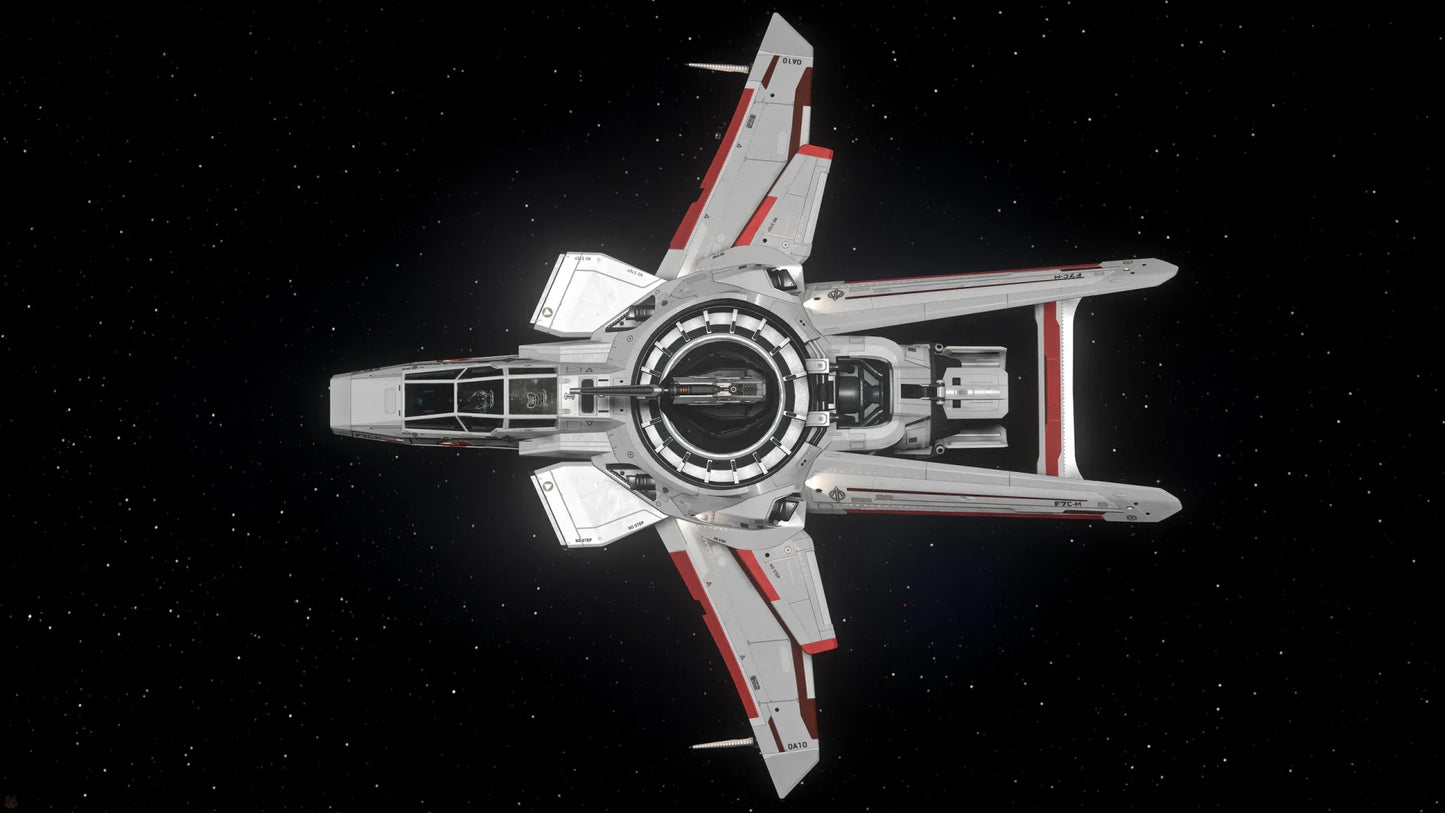
The Anvil F7C-M Super Hornet Heartseeker Mk I is a two-seat medium fighter built for Star Citizen players who want the classic Super Hornet combat platform, strong fighter firepower, optional multi-crew gameplay, and a distinctive factory combat loadout. Developed by Anvil Aerospace, the Heartseeker is based on the F7C-M Super Hornet Mk I and keeps the same basic identity as one of the most combat-focused civilian Hornets.
Unlike specialized Hornet variants such as the Ghost or Tracker, the Heartseeker is focused almost entirely on direct combat. Its identity comes from the Super Hornet's two-seat layout, ball-turret configuration, near military-spec equipment, and a factory setup built around four Behring laser cannons. It does not add cargo, scanning, stealth, or another profession. It is a fighter designed for players who want to fight.
Official Anvil material lists the original Super Hornet Mk I platform at 25.5m length, 24m beam, 6.5m height, two crew, and 0 SCU cargo. The Heartseeker was introduced as a limited-edition F7C-M variant and became flyable with Star Citizen Alpha 3.5.
Build Your Anvil Fighter Fleet with the Heartseeker
The Heartseeker Mk I remains one of the distinctive original-generation Hornets for players who want a serious medium fighter with two-seat capability. If you are looking to acquire this classic Anvil fighter, you can explore our available options in the Star Citizen Ships and Vehicles Collection.
F7C-M Super Hornet Heartseeker Mk I Key Specifications
Engineered around the proven Super Hornet platform, the Heartseeker combines direct fighter firepower with a second seat and a special Behring energy-weapon loadout.
| Specification | F7C-M Super Hornet Heartseeker Mk I | Gameplay Meaning |
|---|---|---|
| Manufacturer | Anvil Aerospace | A combat-focused Human manufacturer closely associated with UEE military spacecraft. |
| Role | Medium Fighter | Built for dogfighting, interception, escort, and direct spacecraft combat. |
| Status | Flight Ready | The Heartseeker became flyable with Alpha 3.5. |
| Length | 25.5m platform reference | Compact enough for normal fighter operations and hangar use. |
| Crew | 1–2 | Can be flown solo while also supporting a second crew member. |
| Cargo Capacity | 0 SCU | A dedicated combat fighter rather than a cargo or general-purpose ship. |
| Special Weapon Package | 4 Behring laser cannons | Gives the Heartseeker its distinctive factory energy-weapon identity. |
| Turret Utility | Super Hornet ball turret | Adds weapon flexibility and supports the two-seat combat layout. |
| Platform | F7C-M Super Hornet Mk I | Uses the classic two-seat civilian Hornet combat chassis. |
| Core Gameplay | Dogfighting, bounty hunting, escort, fighter combat | Best used as a dedicated medium fighter rather than a multi-role spacecraft. |
Note: Star Citizen ship specifications may change during future patches and balance updates. Exact weapons, shields, components, speeds, capacitors, and flight values should be treated as gameplay-reference information rather than permanent final numbers.
What Makes the Heartseeker Mk I Valuable?
The Heartseeker Mk I is valuable because it combines the combat-focused Super Hornet platform with a distinctive factory weapon package. It keeps the qualities that made the original F7C-M attractive while giving the ship a stronger individual identity than the standard Super Hornet.
Its main appeal starts with the Super Hornet chassis. The F7C-M was designed as one of the closest civilian Hornets to a military-style configuration, adding a second seat, restoring the ball turret, and using near military-spec equipment.
The Heartseeker builds on that foundation with four Behring laser cannons. This gives the ship a clear energy-weapon identity while preserving the flexibility of the Hornet platform.
The second seat is also important. The Heartseeker does not require a second player for normal operation, but owners have the option to bring another player into the fighter instead of being locked into permanent solo gameplay.
That combination makes the Heartseeker appealing to both active fighter pilots and players who want one of the more distinctive variants of the original Hornet family.
Medium Fighter Combat Gameplay Role
The Heartseeker Mk I's main role is direct medium-fighter combat. It is built for dogfighting, bounty hunting, interception, escort missions, and fighter-wing operations.
The Super Hornet platform is more combat-focused than profession-specific Hornet variants. The Ghost gives up some direct-combat focus for stealth. The Tracker emphasizes enhanced detection and scanning. The Heartseeker keeps the F7C-M's straightforward fighter identity.
| Gameplay Use | Why the Heartseeker Fits |
|---|---|
| Dogfighting | Dedicated fighter platform and concentrated weapons suit direct spacecraft combat. |
| PvE bounty hunting | Energy weapons and solo capability support repeated combat missions. |
| Interception | Medium-fighter design works well for pursuing and engaging hostile spacecraft. |
| Escort operations | Can stay close to valuable ships and respond to approaching fighters. |
| Two-player combat | Second seat provides an additional crew option when another player is available. |
| Organization events | Fits naturally into coordinated fighter wings and combat groups. |
| Arena-style combat | The Heartseeker's entire design is centered on direct fighter engagements. |
The Heartseeker should not be treated as a heavy fighter. Ships such as the Vanguard Warden or Scorpius are larger platforms with different durability, range, and crew expectations.
The Heartseeker remains a medium fighter. Its strength comes from bringing concentrated Hornet firepower into a relatively compact combat platform.
Behring Laser Cannon Firepower
The Heartseeker's defining factory feature is its set of four Behring laser cannons.
This weapon package gives the ship a clear energy-combat identity. Instead of relying on ballistic ammunition, laser cannons draw from the ship's available energy system and allow the pilot to continue fighting without returning to a station simply to replenish main-gun ammunition.
Laser cannons also reward deliberate firing windows.
A Heartseeker pilot should focus on creating clean attack angles, placing accurate bursts into the target, and repositioning instead of holding the trigger without considering weapon energy or accuracy.
The Heartseeker is at its best when the pilot combines the Hornet's fighter positioning with controlled, accurate energy fire.
This makes energy and capacitor management important during longer engagements. The pilot needs to balance offensive output with the defensive and maneuvering demands of the fight.
The factory Behring loadout also gives the Heartseeker a more recognizable stock identity than a normal Super Hornet fitted entirely around the owner's preferred aftermarket weapons.
Ball Turret and Combat Utility
The Heartseeker inherits the ball-turret architecture of the F7C-M Super Hornet Mk I.
The turret is one of the features that separates the Super Hornet platform from simpler civilian Hornet configurations. It provides additional weapon-mounting flexibility and supports the ship's more aggressive combat identity.
This matters because the Heartseeker is not simply an F7C with special paint. It begins with the F7C-M platform, which was already designed as a more heavily equipped two-seat civilian fighter.
The turret complements the ship's forward-combat style by increasing the amount of weaponry that can be integrated into the Hornet chassis.
It also gives the second crew position more relevance during cooperative gameplay.
The exact behavior of turret control, weapon assignments, and automation can change as Star Citizen's crew and computer systems develop, but the physical turret remains an important part of what separates the Super Hornet family from other Hornets.
Two-Seat Gameplay
One of the strongest reasons to choose the Heartseeker over a normal single-seat Hornet is its second seat.
The original Super Hornet was designed to allow two players to divide combat and logistical responsibilities. At the same time, the second seat is optional, so the Heartseeker does not become unusable when another player is unavailable.
This creates useful flexibility.
A solo player can take the Heartseeker into normal combat missions without waiting for another crew member. When a friend is available, the same ship can support cooperative fighter gameplay.
A practical two-player Heartseeker operation still depends on communication. The pilot remains responsible for positioning, target selection, movement, and keeping the spacecraft in a useful firing situation. The second player can support combat duties and reduce the amount of work handled entirely by the pilot.
| Crew Role | Purpose |
|---|---|
| Pilot | Handles flight, positioning, primary combat, and target selection. |
| Second Crew Member | Supports the Super Hornet's secondary combat and crew functions. |
| Pilot Target Management | Chooses priority targets and creates useful firing opportunities. |
| Weapon Coordination | Keeps the ship's available weapon systems focused on the same engagement. |
| Energy Management | Balances offensive output with shields and other ship systems. |
| Situational Awareness | Tracks additional threats during multi-ship engagements. |
| Disengagement | Coordinates retreat when the fighter loses a favorable combat position. |
This is why the Heartseeker works particularly well for players who alternate between solo and small-group gameplay.
Solo Gameplay
The Heartseeker Mk I can be used solo.
The second seat is not required for normal flight, and the pilot retains the core functionality needed to operate the fighter. This is important because many players interested in the Super Hornet platform do not have a permanent second crew member available.
A practical solo Heartseeker engagement usually begins with target selection and positioning rather than simply trading damage.
The pilot should create a useful firing angle, apply controlled energy fire, and reposition when the opponent begins returning too much pressure.
Against light fighters, tracking and maneuvering become especially important. The Heartseeker may have a stronger combat package than a basic civilian Hornet, but smaller fighters can still create difficult engagements through agility.
Against other medium fighters, the Heartseeker can use its concentrated combat setup more directly.
Against heavy fighters, the pilot should avoid turning the battle into a pure durability contest. The Heartseeker is still a medium fighter and benefits more from movement and repeated attack opportunities than from remaining stationary in front of heavier guns.
The Heartseeker does not require a second player to be useful, which makes it much easier to own as an everyday combat fighter than a ship built around mandatory multi-crew stations.
This solo flexibility remains one of the Super Hornet platform's strongest practical advantages.
Energy Weapons and Repeated Combat
The Heartseeker's Behring laser-cannon identity gives it useful value for repeated combat missions.
Ballistic weapons can provide strong damage characteristics, but ammunition eventually becomes a logistical limitation. Energy weapons remove that specific problem and instead place more emphasis on power availability and firing discipline.
For PvE bounty hunting, this can make the Heartseeker convenient.
A pilot can move between several combat encounters without watching a physical ammunition count disappear after every engagement. Weapon energy still needs time to recover, but the ship is not permanently consuming ammunition every time the trigger is pulled.
That changes the way the Heartseeker fits into longer combat sessions.
The ship works naturally for players who want to leave a station, complete several fighter engagements, and continue operating until fuel, repairs, or another resource creates a reason to return.
This does not make energy weapons automatically better than ballistic weapons.
It simply gives the Heartseeker a different combat rhythm.
Hornet Mk I Fighter Design
The Heartseeker belongs to the original Hornet Mk I generation.
This is important because newer Hornet Mk II spacecraft now exist alongside the original models. The Heartseeker Mk I should therefore be understood as part of the classic Hornet family rather than confused with newer Super Hornet Mk II variants or Heartseeker-related Mk II equipment.
The classic Super Hornet Mk I platform measures 25.5m long and uses a two-seat cockpit combined with the familiar Hornet modular fighter design.
Its role is straightforward.
There is no dedicated cargo grid, habitation area, medical bay, vehicle storage, or industrial equipment. The spacecraft exists almost entirely to support fighter combat.
That simplicity remains useful.
Players who buy the Heartseeker know what they are getting: a compact Anvil combat ship designed around guns, maneuvering, and fighter missions.
The Heartseeker Mk I is a classic Hornet first and a special edition second. Its lasting value comes from the fact that the underlying Super Hornet combat role is easy to understand.
That distinction keeps the ship relevant beyond its appearance or limited-edition history.
Explore Heartseeker Mk I Upgrade Paths
If you prefer to build toward the Heartseeker from an existing ship, you can view our Star Citizen F7C-M Super Hornet Heartseeker Mk I CCU Upgrades and plan a more flexible Hornet upgrade path over time.
Heartseeker Mk I vs Other Star Citizen Ships
When choosing between the Heartseeker and other fighters, the main question is whether you want the classic two-seat Super Hornet platform, a military Hornet, a newer Mk II chassis, stealth capability, or a different fighter weight class.
| Ship Fleet Option | Primary Core Role | Compared with Heartseeker Mk I |
|---|---|---|
| F7C-M Super Hornet Mk I | Two-Seat Medium Fighter | Shares the same basic platform. The Heartseeker adds its special Behring weapon package and limited-edition identity. |
| F7A Hornet Mk I | Military Medium Fighter | Has the stronger military identity. The Heartseeker offers the civilian Super Hornet's two-seat configuration. |
| F7C-M Super Hornet Mk II | Two-Seat Medium Fighter | Uses the newer Hornet Mk II platform. The Heartseeker represents the classic Mk I generation. Fits F7A Mk II. |
| F7C Hornet Mk I | Medium Fighter | Simpler single-seat civilian Hornet. The Heartseeker adds the F7C-M's heavier combat and two-seat identity. |
| F7C Hornet Wildfire Mk I | Special-Edition Medium Fighter | Another combat-oriented special Mk I. The Heartseeker is based on the two-seat Super Hornet rather than the standard F7C. |
| F7C-S Hornet Ghost Mk I | Stealth Fighter | Better for lower-signature combat. The Heartseeker focuses more directly on firepower and conventional fighter engagements. |
| Vanguard Warden | Heavy Fighter | Offers more range, durability, and interior utility. The Heartseeker is smaller and more focused on medium-fighter combat. |
Heartseeker Mk I vs Super Hornet Mk I
The F7C-M Super Hornet Mk I is the closest comparison because the Heartseeker is based directly on that ship.
Both use the same general two-seat Super Hornet platform. Both are medium fighters with no dedicated cargo role, and both are designed around stronger combat capability than the basic civilian Hornet.
The biggest difference is identity and factory configuration.
The Heartseeker was released as a special version of the Super Hornet with four Behring laser cannons and its own distinctive presentation. The standard Super Hornet represents the base F7C-M platform without that special-edition focus.
If you simply want the classic two-seat Super Hornet experience, the standard F7C-M Mk I has the clearer role.
If you want the same general platform with the Heartseeker's distinctive factory combat package and special identity, choose the Heartseeker Mk I.
Heartseeker Mk I vs F7A Hornet Mk I
The F7A Hornet Mk I represents the military side of the original Hornet family.
The Heartseeker comes from the civilian F7C-M Super Hornet platform. That platform was designed to get as close to a military-style Hornet configuration as legally possible for civilian ownership, but it remains different from the F7A.
The Heartseeker's advantage is its two-seat Super Hornet configuration and distinctive special-edition identity.
The F7A's advantage is its clearer military lineage and more direct connection to the combat Hornets used by the UEE Navy.
If you want a classic civilian two-seat Hornet, choose the Heartseeker. If you want the military Hornet Mk I identity, the F7A is the clearer option.
Heartseeker Mk I vs Super Hornet Mk II
The Super Hornet Mk II represents the newer generation of Anvil's two-seat Hornet concept.
It carries the familiar idea forward onto the newer Mk II chassis, giving players a more modern version of the Super Hornet platform.
The Heartseeker Mk I offers something different.
It preserves the original Hornet generation and the classic F7C-M design. Its Behring laser-cannon configuration and original Heartseeker identity further separate it from the newer aircraft.
If you want the newer two-seat Hornet platform, choose the Super Hornet Mk II.
If you specifically want the classic Super Hornet generation and original Heartseeker identity, choose the Heartseeker Mk I.
F7C-M Super Hornet Heartseeker Mk I Strengths and Limitations
| Strategic Strengths | Operational Limitations |
|---|---|
| Classic Super Hornet platform provides a clear medium-fighter combat role. | Offers almost no non-combat profession utility. |
| Four Behring laser cannons give the Heartseeker a distinctive energy-weapon identity. | Energy weapons still require careful capacitor and power management. |
| Two-seat layout provides optional cooperative fighter gameplay. | Players who only want pure solo combat may prefer a dedicated single-seat fighter. |
| Can still be operated effectively by one pilot. | Second-seat value depends on current crew and turret mechanics. |
| Ball-turret architecture adds combat flexibility. | Exact weapon behavior and balance can change between patches. |
| 0 SCU reinforces a pure combat design without unnecessary role compromises. | Cannot replace a general-purpose ship for cargo or delivery gameplay. |
| Flight Ready and already usable in current gameplay. | Mk I platform is older than the newer Hornet Mk II family. |
| Distinctive Heartseeker identity separates it from the standard Super Hornet. | Special-edition status does not automatically make it stronger than every other Hornet. |
Who Should Buy the F7C-M Super Hornet Heartseeker Mk I?
The Heartseeker Mk I is best for players who want a classic Anvil medium fighter with two-seat capability and a strong direct-combat identity.
It is especially suitable for Hornet pilots, PvE bounty hunters, fighter-wing players, Anvil collectors, players who sometimes bring a second crew member, and players who prefer energy weapons for repeated combat sessions.
It is also a good choice for players who specifically prefer the original Hornet generation.
The Heartseeker retains the familiar Mk I Super Hornet chassis while adding a factory weapon setup and identity that distinguish it from the standard F7C-M.
Players who mainly want the standard Super Hornet experience may prefer the regular F7C-M Mk I. Players who want a military Hornet should compare the F7A Mk I. Players who prefer the newest Hornet platform should compare the Super Hornet Mk II. Players who want stealth should look at the Hornet Ghost.
But for players who want a two-seat classic Hornet with four Behring laser cannons, near military-spec character, solo usability, and a distinctive place in the original Hornet family, the F7C-M Super Hornet Heartseeker Mk I remains one of the clearer special-edition fighter choices in Star Citizen.
F7C-M Super Hornet Heartseeker Mk I FAQ
Is the F7C-M Super Hornet Heartseeker Mk I worth buying in Star Citizen?
The Heartseeker Mk I is worth buying if you want a classic two-seat Super Hornet with a dedicated combat role, energy-weapon identity, and distinctive special-edition configuration. It is less suitable for players who need cargo, an interior, industrial gameplay, or general-purpose utility.
Is the Heartseeker Mk I Flight Ready?
Yes. The F7C-M Super Hornet Heartseeker Mk I is Flight Ready. It was introduced in 2019 and became flyable with Star Citizen Alpha 3.5.
What is the main role of the Heartseeker Mk I?
The Heartseeker Mk I is a medium fighter designed for direct combat. Its main uses include dogfighting, bounty hunting, interception, escort missions, and fighter-wing operations.
Who manufactures the Heartseeker Mk I?
The F7C-M Super Hornet Heartseeker Mk I is manufactured by Anvil Aerospace. It is based on Anvil's original F7C-M Super Hornet platform.
How much cargo does the Heartseeker Mk I have?
The Heartseeker Mk I has 0 SCU of dedicated cargo capacity. It is a pure combat fighter rather than a cargo or multi-role spacecraft.
How many crew does the Heartseeker Mk I support?
The Heartseeker is based on the two-seat F7C-M Super Hornet platform and supports up to two crew members. It can also be operated by one pilot.
Can the Heartseeker Mk I be used solo?
Yes. The Heartseeker Mk I can be flown solo. The second seat is optional, so one player can handle normal flight and combat without requiring another crew member.
What weapons make the Heartseeker Mk I special?
The Heartseeker was introduced with four Behring laser cannons as its signature factory weapon package. This gives the ship a clear energy-combat identity compared with a standard Super Hornet configuration.
Does the Heartseeker Mk I use ballistic ammunition?
Its signature factory combat package is built around Behring laser cannons, so those primary Heartseeker weapons do not depend on ballistic ammunition. They instead rely on the ship's available weapon energy and capacitor behavior.
Does the Heartseeker Mk I have a turret?
Yes. The Heartseeker is based on the F7C-M Super Hornet Mk I platform, which includes the characteristic Super Hornet ball-turret configuration.
Is the Heartseeker Mk I better than the standard Super Hornet Mk I?
The Heartseeker is not automatically better in every combat situation. Both use the same basic F7C-M platform. The Heartseeker adds its special Behring laser-cannon configuration and distinctive identity, while the standard Super Hornet is the cleaner version of the core two-seat platform.
Should I choose the Heartseeker Mk I or Super Hornet Mk I?
Choose the Heartseeker Mk I if you want the special factory weapon setup and distinctive Heartseeker identity. Choose the standard Super Hornet Mk I if you mainly want the classic two-seat F7C-M platform. Their fundamental combat roles are very similar.
Is the Heartseeker Mk I better than the F7A Hornet Mk I?
The Heartseeker is better for players who want a two-seat civilian Super Hornet with a special factory configuration. The F7A Mk I is better for players who specifically value the military Hornet identity. Choose the Heartseeker for two-seat civilian combat and the F7A for the military Hornet lineage.
Should I choose the Heartseeker Mk I or Super Hornet Mk II?
Choose the Heartseeker Mk I if you want the original Super Hornet generation, classic Mk I styling, and original Heartseeker identity. Choose the Super Hornet Mk II if you prefer the newer two-seat Hornet platform. The Heartseeker is the classic option, while the Mk II is the newer interpretation of the Super Hornet role.
Is the Heartseeker Mk I good for dogfighting?
Yes. Dogfighting is one of the Heartseeker's main roles. It is a dedicated medium fighter built around the Super Hornet combat platform and a factory energy-weapon package.
Is the Heartseeker Mk I good for bounty hunting?
Yes. The Heartseeker can be a useful PvE bounty fighter. Its solo capability and energy weapons make it suitable for repeated combat engagements without depending on ballistic ammunition for its signature weapon package.
Is the Heartseeker Mk I a heavy fighter?
No. The Heartseeker Mk I is a medium fighter. It should not be treated like larger heavy fighters such as the Vanguard Warden, Scorpius, or Ares series.
Is the Heartseeker Mk I the same as the Heartseeker Mk II?
No. The Heartseeker Mk I belongs to the original F7C-M Super Hornet generation. Newer Heartseeker-related Mk II options belong to the newer Hornet Mk II platform. Buyers should check the exact Mk I or Mk II product name before purchasing.
Is the Heartseeker Mk I a limited-edition ship?
Yes. Anvil introduced the Heartseeker as a limited-edition version of the F7C-M Super Hornet. Its special identity and factory Behring laser-cannon package distinguish it from the standard Super Hornet.
Does the F7C-M Super Hornet Heartseeker Mk I have good long-term value?
The Heartseeker Mk I has useful long-term value for players who enjoy classic Hornet combat, two-seat fighter gameplay, and the original Super Hornet platform. Its exact performance may change with balance updates, but its core identity remains clear: a combat-focused two-seat medium fighter with a distinctive Heartseeker configuration.


