Contact our Discord live support; we are online 24/7.
Why Players Choose LTI Hangar
Fast ship delivery, real support, and a clear RSI gifting process — built for Star Citizen players who want a smoother buying experience.
Average 20–30 minute delivery
24/7 Discord customer support
A team formed by gamers with over ten years of experience.
Secure Shopping,Own stock, not third-party listings
Reliable After-Sale Support
Orders can be tracked in real time.
Frequently Asked Questions
How long does delivery usually take?
- Star Citizen ship,ccu,paints,items orders are usually delivered within 20–30 minutes. In rare cases, delivery may take up to 12 hours due to order volume, RSI gifting limits, account status, or manual verification requirements.
- In most cases, we do not allow ship deliveries to exceed 12 hours unless there is an exceptional issue such as RSI system limitations, account restrictions, or required customer verification.
Is my ship order protected?
- Yes. Security and reliability are our top priorities. All ships sold by LTI Hangar come from our own inventory, with no external sellers or unknown third-party suppliers involved.
- Each ship order is handled with clear delivery records, allowing the delivery process to be reviewed and traced if support is ever needed. We also provide 6-month after-sale protection for eligible delivery-related issues.
- This level of own-stock control, traceable delivery, and after-sale protection is not commonly offered by many third-party marketplaces, which is why many customers choose LTI Hangar for safer Star Citizen ship purchases.
What is the 6-month after-sale protection?Why Other Marketplaces Cannot Offer This?
- In the extremely rare event that an issue occurs with an item during delivery or within up to 6 months after delivery has been completed, we will conduct an investigation. If it is determined that the issue was caused by our fault, we will provide either a replacement or a refund.
- To help us review the case accurately, you may be required to assist us by providing relevant evidence, such as RSI Hangar screenshots, order details, and RSI Hangar Log records.
- The RSI Hangar Log can help track the status and history of each ship, including whether the item was claimed, exchanged, melted, transferred, or otherwise changed after delivery. We will review the evidence you provide to determine the cause of the issue.
- This level of protection is not commonly offered by many third-party marketplaces because they often rely on external sellers or mixed inventory sources. At LTI Hangar, all ships come from our own inventory, and each order has clear delivery records, allowing us to provide safer and more reliable support.
Can I request a refund after claiming the ship,ccu,paints,items?
- Once the RSI gift has been claimed, the ship,ccu,paints,items becomes bound to the receiving RSI account. Due to the limitations of the Star Citizen gifting system, a claimed ship normally cannot be gifted again, returned, reversed, or re-delivered. For this reason, claimed items are normally not eligible for cancellation or refund.
- A correction, replacement, or refund may only be provided if we confirm that the issue was caused by our side, such as a wrong item being sent, an order delivery error, or another verified delivery issue caused by us.
- Before claiming the RSI gift, please make sure you are logged into the correct RSI account. Once the gift is claimed to the wrong account, it normally cannot be moved to another account.
What happens if the wrong ship,ccu,paints,items is delivered?
If we confirm that the wrong item was delivered due to our error, we will review the case and provide a correction, replacement, or refund where applicable. Please contact us with your order number, checkout email, and clear screenshots of your RSI Hangar.
Why are the names of the Star Citizen ships I received different?
Standalone CCU'ed is a complete ship or vehicle. It is not an upgrade! CCU'ed simply means that it was created by upgrading a smaller ship or vehicle to the one you are buying. Please also note that in the gift email, only the ship that was used as the base for upgrading will be named. Please don't worry, the actual ship you will see in your hangar will be the one you've ordered.
For example, this is how a CCU'ed Polaris looks like in hangar on RSI website.


HOW IT WORKS
Fast simple and secure, learn how it works!
MISC Hull E Standalone Ship Future Gameplay Guide
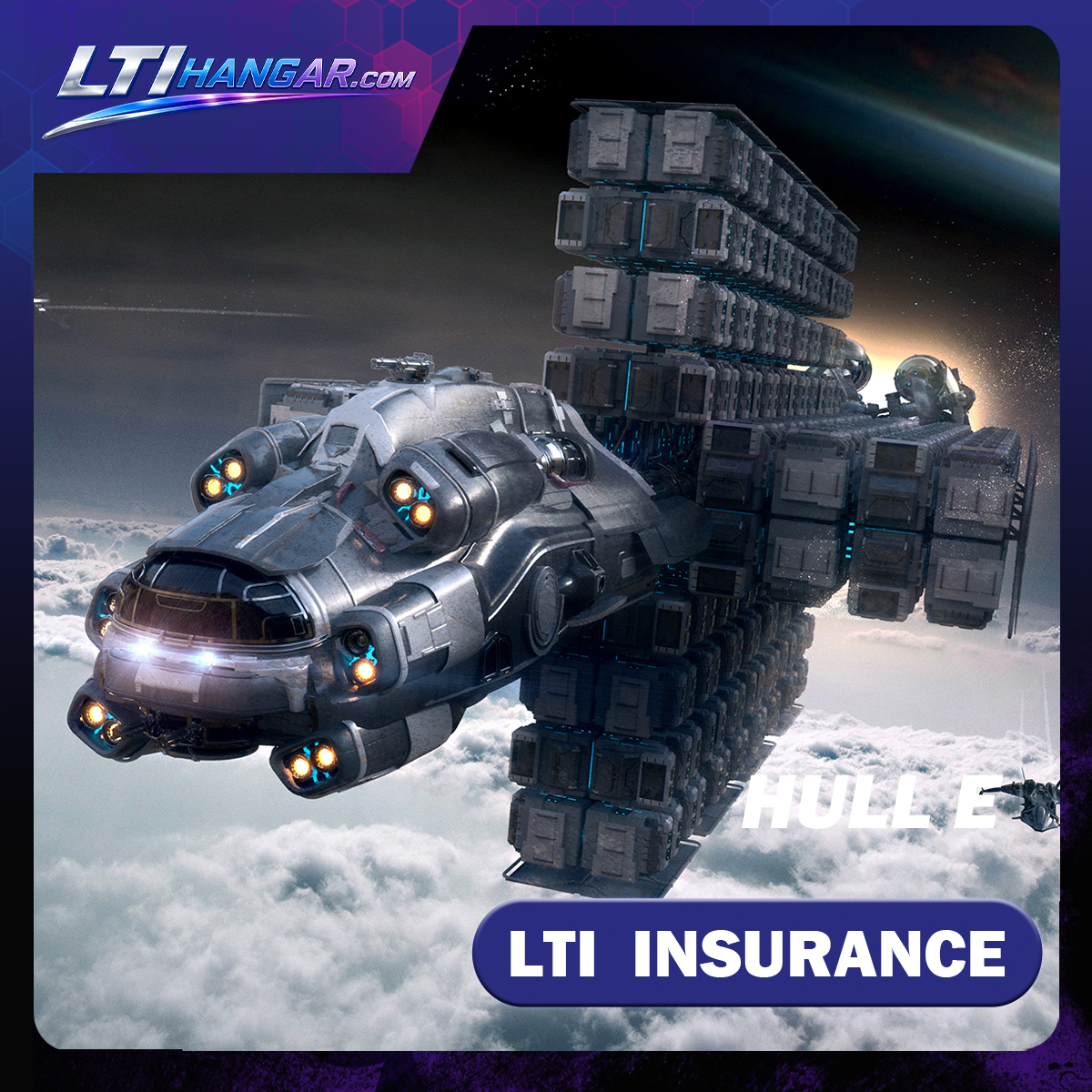
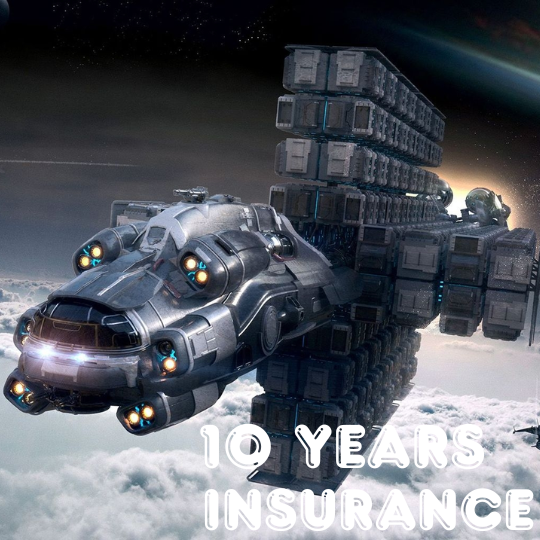
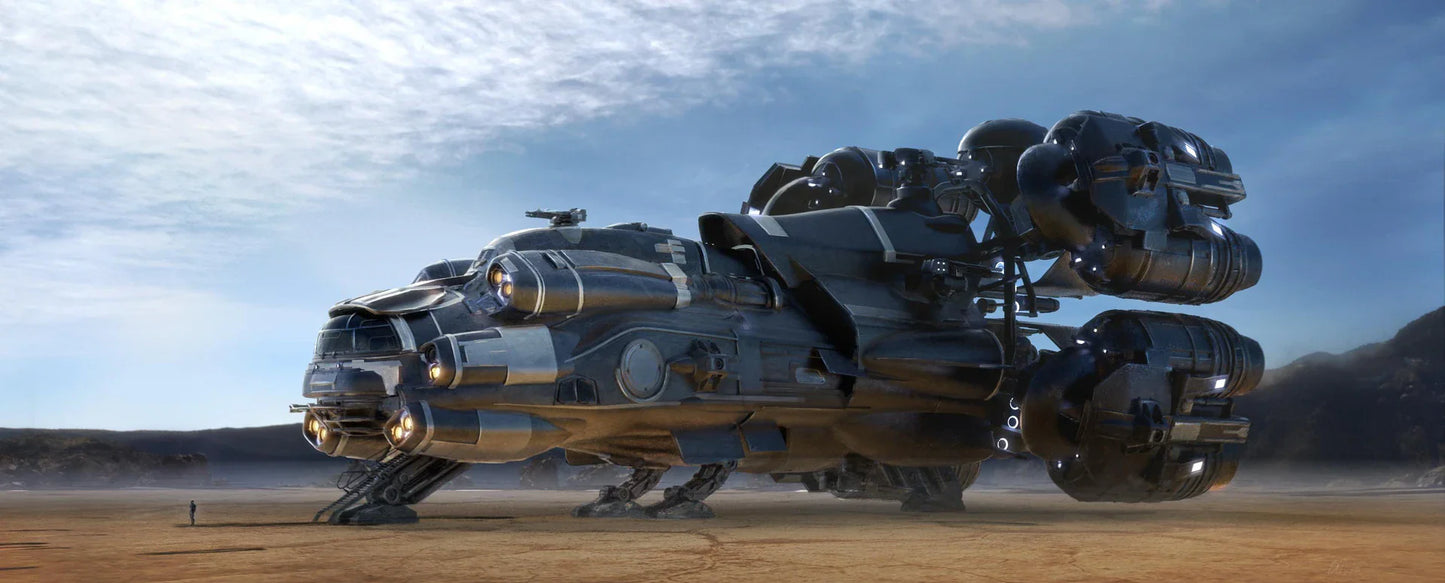
The MISC Hull E is a concept-stage capital heavy freighter built for Star Citizen players who want the largest end of the Hull-series cargo fantasy: large-scale logistics, very large external cargo capacity, escorted freight operations, and long-range industrial transport. It is not a starter hauler, solo daily ship, vehicle carrier, combat ship, luxury ship, or simple replacement for the Hull C. The Hull E is best understood as a future large-organization cargo platform for players who want to build around large-scale freight operations.
The Hull E is still In Concept. RSI’s official loaner matrix lists Hull D and Hull E owners receiving a Hull C and Hercules C2 as loaners until those ships become Flight Ready. RSI also defines Flight Ready as the point where a ship can fly with full operations, physics, interactions, systems, fuel, cargo, and more.
The safest product-page positioning is simple:
The Hull E is the super-freighter you choose for future large-scale cargo gameplay, not for current solo convenience or normal daily hauling.
Build Your MISC Freight Fleet with the Hull E
The Hull E is one of the most ambitious cargo ships in Star Citizen. It is for players who want the top end of the MISC Hull line and are comfortable with concept-stage planning, loaner ships, escort needs, and future cargo-system development. If you are looking to acquire this capital-class MISC freighter, you can explore our available options in the Star Citizen Ships and Vehicles Collection.
Hull E Key Specifications
| Specification | MISC Hull E | Gameplay Meaning |
|---|---|---|
| Manufacturer | Musashi Industrial and Starflight Concern / MISC | Industrial manufacturer strongly associated with freight, logistics, and practical transport. |
| Role | Heavy Freight / Capital Cargo | Built for large-scale cargo transport, not combat, exploration, medical, mining, or salvage. |
| Status | In Concept / future gameplay reference | Not currently Flight Ready; buyers use loaners until the final Hull E becomes playable. |
| Loaners | Hull C + Hercules C2 temporary loaner reference | Gives current cargo gameplay access, but loaners are temporary and should not be treated as permanent included ships. |
| Crew | 4–5 | Built for coordinated cargo operations, not casual solo hauling. |
| Cargo Capacity | 12,288 SCU current concept reference | Represents future top-end freight scale, but final cargo systems, loading time, route economics, and balance may change before release. |
| Dimensions | 372m length / 104m beam / 104m height | Capital-scale footprint; not a normal landing-pad or small-port ship. |
| Core System | Telescoping Hull spindle | Hull-series ships use a manned cab, drive unit, and telescoping cargo spindle that expands when loaded and retracts when unloaded. |
| Landing Expectation | Orbital cargo-infrastructure expectation | Best described as a station / orbital-yard freight ship rather than a fully loaded planet-surface hauler. |
| Core Gameplay | Large-scale logistics, bulk freight, escorted trade routes, cargo fleet operations | Best for players who want future large-scale hauling and organization-level logistics. |
Note: The Hull E is still a concept-stage ship. Cargo capacity, container sizes, loading systems, defensive systems, handling, landing behavior, and final gameplay may change before release.
What Makes the Hull E Valuable?
The Hull E is valuable because it represents the top end of the MISC cargo philosophy. The Hull A is personal freight. The Hull B is smaller commercial freight. The Hull C is the major playable freight hauler. The Hull D moves into very large industrial logistics. The Hull E is the top-end freight fantasy.
RSI’s Hull-series article describes the Hull E as the largest specialized freighter available on the market, generally owned by major corporations and operated with a high degree of planning. It also warns that its lack of maneuverability means owners should consider turrets and escorts, while its load and modularity are described as unmatched.
The Hull E is not a bigger daily hauler. It is a future logistics platform for players who want to think like a shipping company.
That is the core buyer message. The Hull E is not about casual convenience. It is about cargo scale, planning, escorts, market timing, and future organization-level gameplay.
Heavy Freight Gameplay Role
The Hull E’s main role is large-scale freight transport. RSI’s Q&A compares Hull E operations to a pure space truck: the owner or corporation operates the cab, picks up cargo, and moves it on behalf of other parties.
In practical future gameplay, the Hull E fits several roles:
| Gameplay Use | Why the Hull E Fits |
|---|---|
| Large cargo routes | Built for major freight movement rather than small personal jobs. |
| Organization logistics | Crew, escort, loading, and route planning make it an organization-scale ship. |
| Bulk commodity hauling | 12,288 SCU current reference gives it very large cargo potential. |
| Safe-sector trade routes | RSI warns Hull E operation is risky and typically safer in protected trade routes. |
| Large-contract hauling | RSI’s Q&A says some cargo loads may be too large or unsuitable to break down into smaller pieces. |
| Long-term freight fleet building | Works best as part of a larger cargo, escort, and logistics fleet. |
The Hull E should be described as a future capital heavy freighter, not a present-day money printer.
12,288 SCU Cargo Capacity
Current RSI technical data lists the Hull E with 12,288 SCU of cargo capacity. Current community reference also lists the same 12,288 SCU figure and describes the ship as able to transport up to 384 32-SCU containers.
This places the Hull E far above normal daily haulers and well beyond ships like the C2, Caterpillar, Taurus, Railen, and Starlancer MAX.
The Hull E is for players who want cargo scale first, convenience second.
That is important because very large cargo capacity creates very large responsibility. A full load may require serious capital, protection, route planning, and time.
Cargo Capacity Expectation: Do Not Use Old 98,304 SCU Blindly
Older Hull E discussions often mention 98,304 SCU, but current reference data has moved to 12,288 SCU. Current community documentation notes that during a 2025 Star Citizen Live episode, larger Hull-series capacities were re-evaluated because the original figures would create excessive loading and unloading issues, and the Hull E was adjusted from 98,304 to 12,288 SCU.
Use 12,288 SCU as the current reference, and avoid marketing the Hull E around the older 98,304 SCU figure unless you are clearly discussing historical concept numbers.
This is especially important for SEO and buyer trust. Customers looking at current ship data may notice the difference.
Telescoping Spindle and External Cargo Identity
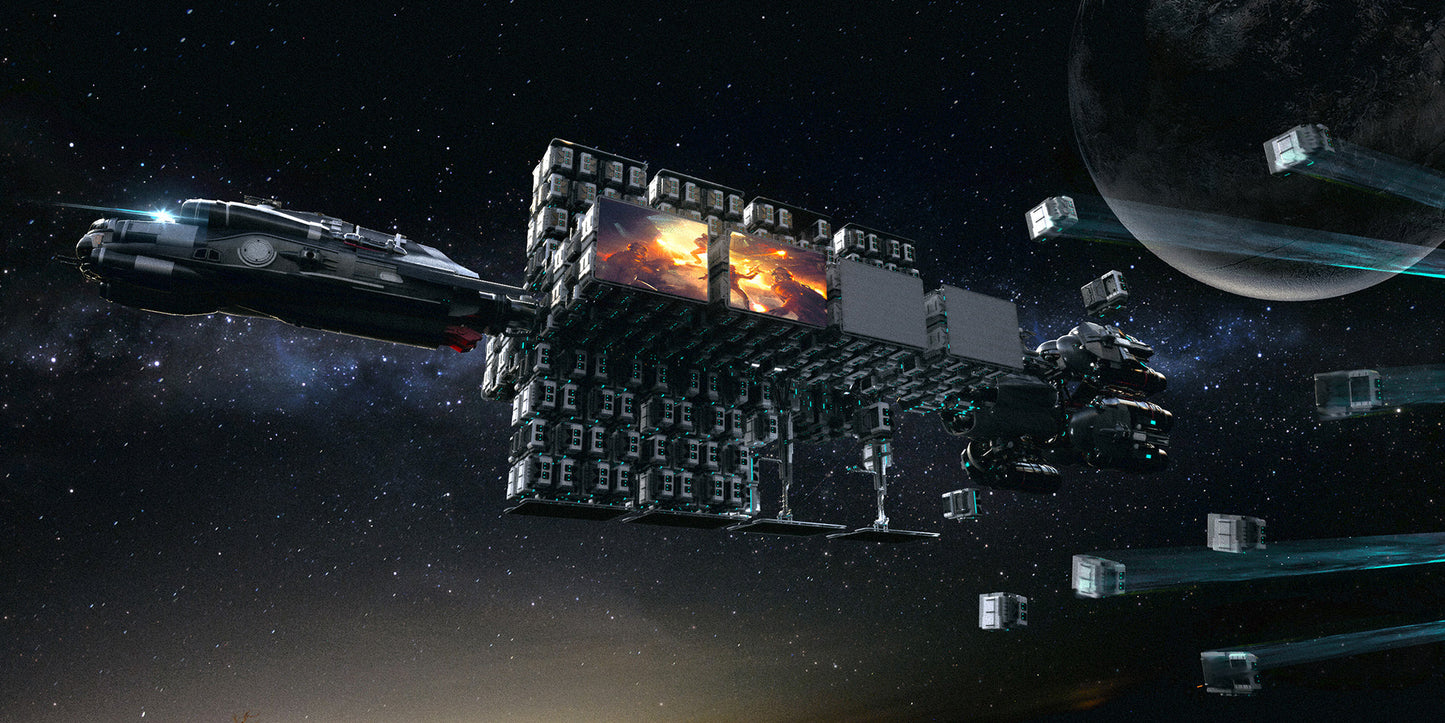
The Hull series uses a very different cargo design from internal-ramp ships. RSI describes the Hull line as built around a manned cab, drive unit, and telescoping cargo spindle. When loaded, the spindle expands to accept cargo pallets; when unloaded, it retracts for faster and more maneuverable travel.
This makes the Hull E different from ships like the C2 or Caterpillar. It is not a vehicle bay. It is not a walk-in warehouse. It is a cargo-frame superstructure designed around external freight attachment.
The Hull E is not a ship with a cargo room. It is a cargo spine with a ship built around it.
Loading, Unloading, and Automation
The Hull E is too large to treat like a small hand-loaded cargo ship. RSI’s Hull E Q&A says players can load the ship manually if desired, but for something as large as a Hull E, loading can be done automatically through mobiGlas under normal circumstances, with cargo organized through a console interface.
The Hull E’s gameplay is not just flying from A to B. It is planning cargo, loading cargo, protecting cargo, and getting paid for moving cargo safely.
Landing and Orbital Cargo Operations
The Hull E should not be described as a normal planet-surface cargo ship. RSI’s Hull-series article says every Hull ship can make a planetary landing while contracted, but the Hull C, D, and E typically deposit cargo at automated orbital yards before landing to dock.
The Hull E is expected to operate around orbital cargo infrastructure, not casually land fully loaded like a small freighter.
This separates it from C2 Hercules, Caterpillar, Taurus, Starlancer MAX, and Freelancer MAX. Those ships feel more practical for surface cargo and vehicle-oriented gameplay.
Defense and Escort Expectations
The Hull E is not defenseless, but it is not a combat ship. RSI’s Hull-series material specifically warns that Hull E owners should be careful about turrets and escorts because of its size and lack of maneuverability. The same article says Hull E operation is typically safer in protected trade routes and that a full cargo load can become extremely valuable. Current community reference also describes the Hull E as having remote gun and missile turrets plus large industrial shields, but this should be treated as defensive support, not warship identity.
The Hull E should travel with planning, insurance, and escorts — not confidence that its size alone will keep it safe.
Crew Gameplay and Organization Value
The Hull E is listed with 4–5 crew, which immediately separates it from smaller solo haulers.
A practical future Hull E crew may include:
| Crew Role | Purpose |
|---|---|
| Captain / Pilot | Handles route planning, docking, movement, and high-level decisions. |
| Cargo Manager | Manages contracts, loading, unloading, and cargo organization. |
| Systems Operator | Watches ship status, shields, power, and logistics systems. |
| Turret / Defense Crew | Uses defensive stations and coordinates with escorts. |
| Escort Wing | Protects the Hull E during dangerous routes and station approach. |
| Trade Planner | Chooses profitable routes and avoids risky markets. |
The Hull E becomes interesting when you treat it like a business operation, not a solo spaceship.
A practical Hull E purchase should feel like buying into a future logistics business, not buying a normal hauler for daily use. Right now, the ownership experience is mostly about loaners, long-term planning, and deciding whether the buyer wants to commit to the largest end of the Hull-series cargo fantasy. When the Hull E eventually arrives, its value will depend on more than the 12,288 SCU number: route safety, loading workflow, cargo contracts, escort coverage, insurance risk, station access, and market timing will all matter. A full Hull E run should feel like an organized freight operation with planning and support, not a quick solo trade loop. In real use, the Hull E rewards players who enjoy logistics strategy and organization-scale hauling more than simple convenience.
Solo players who want simple cargo work may prefer smaller, easier ships. Players with friends or an organization will get more from the Hull E.
Solo Gameplay Expectations
The Hull E is not a good solo-first purchase. Even if one player can move it in the future, the ship’s size, cargo value, loading workflow, escort needs, and concept-stage uncertainty make it a poor choice for players who want easy daily gameplay.
Solo players can own the Hull E, but they should buy it for long-term freight ambition, not everyday convenience.
Solo cargo players should usually compare the Hull A, Hull B, Hull C, Taurus, Freelancer MAX, C1, RAFT, Railen, or Starlancer MAX first.
Direct Vehicle Comparisons
Hull E vs Hull D
The Hull D is already a very large freighter. The Hull E is the top-end super-freighter.
| Ship | Best For | Main Difference |
|---|---|---|
| Hull E | Top-end Hull-series freight scale | Larger, more corporate, and more demanding to operate. |
| Hull D | Very large cargo operations | Still very large, but more manageable than the Hull E. |
Choose the Hull D if you want very large cargo without going all the way to the top. Choose the Hull E if you want the biggest Hull-series logistics fantasy.
Hull E vs Hull C
The Hull C is the practical comparison because it is already the active large Hull-series ship for many players.
| Ship | Best For | Main Difference |
|---|---|---|
| Hull E | Future capital-scale cargo operations | Much larger, concept-stage, and more organization-focused. |
| Hull C | Current large cargo gameplay | Flyable, more practical, and already used as a loaner for Hull E owners. |
Choose the Hull C if you want large cargo gameplay now. Choose the Hull E if you are buying into future super-freighter scale.
Hull E vs C2 Hercules
The C2 Hercules is a vehicle-friendly heavy transport. The Hull E is a future external-cargo super-freighter.
| Ship | Best For | Main Difference |
|---|---|---|
| Hull E | Very large external freight | Better for future large-scale cargo operations. |
| C2 Hercules | Internal cargo and vehicle transport | Better for current practical hauling, vehicles, and surface logistics. |
Choose the C2 if you want practical cargo and vehicle use now. Choose the Hull E if you want future bulk freight at a much larger scale.
Hull E vs Caterpillar
The Caterpillar is a rugged Drake cargo ship with walkable internal sections. The Hull E is a super-freighter.
| Ship | Best For | Main Difference |
|---|---|---|
| Hull E | Large-scale bulk freight | Far larger cargo identity and more dependent on infrastructure and escorts. |
| Caterpillar | Drake cargo gameplay and modular personality | More hands-on, smaller, and more practical for current gameplay. |
Choose the Caterpillar for a rugged cargo ship you can use more directly. Choose the Hull E for future large-scale freight operations.
Hull E vs Railen
The Railen and Hull E are both cargo ships, but they serve very different buyers.
| Ship | Best For | Main Difference |
|---|---|---|
| Hull E | Top-end Human industrial freight scale | Very large external-cargo logistics platform. |
| Railen | Alien cargo hauling with crew comfort | Smaller, more characterful, and more focused on Xi’an design. |
Choose the Railen if you want a distinctive alien cargo ship. Choose the Hull E if you want MISC super-freighter scale.
Hull E vs Merchantman & Kraken Privateer
The Banu Merchantman and Kraken Privateer focus on different retail commerce mechanics compared to the infrastructure shipping model of the Hull E.
| Ship | Best For | Main Difference |
|---|---|---|
| Hull E | Bulk freight movement | Moves large cargo volumes from place to place. |
| Banu Merchantman | Alien commerce and marketplace fantasy | More about trade, selling, Banu culture, and onboard commercial space. |
| Kraken Privateer | Mobile marketplace and carrier-style commerce | More social, shop-based, and fleet-support oriented. |
Choose the Hull E if you want to move goods. Choose the Merchantman if you want to trade and sell goods. Choose the Kraken Privateer for mobile-marketplace gameplay.
Cargo Profit and Risk Expectations
The Hull E should not be marketed as guaranteed profit. A ship this large creates equally large risk. RSI’s Hull-series article warns that operating a Hull E at full capacity requires significant credit investment, and a single load may be worth more than the ship itself.
The Hull E has large future earning potential, but only if cargo economy, route safety, escort support, and loading systems make the operation worth the risk.
Explore Hull E Upgrade Paths
If you prefer to build toward the Hull E from an existing ship, you can view our Star Citizen CCU Upgrades and plan a long-term MISC cargo, freight, or capital logistics upgrade path over time.
For the Hull E specifically, buyers should check the exact listing carefully because it is a concept-stage, time-limited sale ship, and current gameplay access is through loaners rather than the final released ship.
Hull E vs Other Star Citizen Cargo Ships
| Ship Fleet Option | Primary Core Role | Compared with Hull E |
|---|---|---|
| Hull C | Large current freight | Flyable and practical now; Hull E is future capital-scale freight. |
| Hull D | Very large heavy freight | Smaller than Hull E, but still a major organization hauler. |
| C2 Hercules | Internal cargo / vehicle transport | Better for current surface cargo and vehicles. Hull E is external super-freight. |
| Caterpillar | Drake cargo / modular style | More practical and hands-on; Hull E is much larger and more infrastructure-dependent. |
| Railen | Alien cargo hauler | More distinctive and smaller; Hull E is industrial-scale MISC freight. |
| Starlancer MAX | Modern medium cargo | Better for daily cargo; Hull E is not a daily ship. |
| Taurus | Multi-role cargo gunship | More solo-friendly and flexible; Hull E is pure freight scale. |
| Banu Merchantman | Alien commerce | Merchantman is marketplace/trade identity; Hull E is bulk transport. |
| Kraken Privateer | Mobile marketplace | Privateer is shop/carrier commerce; Hull E is shipping-company logistics. |
Hull E vs Hull C
The Hull C is better for players who want large cargo gameplay that is already available through current loaner / live gameplay. The Hull E is better for players who want future top-end Hull-series freight scale and are comfortable with concept-stage waiting. Choose the Hull C for large cargo gameplay now. Choose the Hull E for future super-freighter planning.
Hull E vs Hull D
The Hull D is better for players who want very large freight capacity without going all the way to the largest Hull-series platform. The Hull E is better for players who want the top-end Hull fantasy, larger organization logistics, and the biggest long-term MISC freight goal. Choose the Hull D for a very large heavy freighter. Choose the Hull E for the future top-end MISC super-freighter.
Hull E vs C2 Hercules
The C2 Hercules is better for players who want practical cargo and vehicle transport that can be used now, especially with internal cargo space, ramps, and surface logistics. The Hull E is better for players who want future bulk freight scale, external cargo-spindle identity, and organization-level logistics. Choose the C2 for current practical transport. Choose the Hull E for future large-scale freight.
Hull E vs Caterpillar
The Caterpillar is better for players who want a rugged Drake cargo ship with walkable internal sections and more hands-on current cargo gameplay. The Hull E is better for players who want much larger future freight scale, orbital cargo operations, and MISC industrial logistics identity. Choose the Caterpillar for current practical cargo personality. Choose the Hull E for future super-freighter scale.
Hull E Strengths and Limitations
| Strategic Strengths | Operational Limitations |
|---|---|
| Top-end MISC Hull-series cargo fantasy. | Still In Concept and not currently Flight Ready. |
| 12,288 SCU current reference capacity. | Old 98,304 SCU discussions should not be used as current product copy. |
| Designed for large-scale freight and major cargo contracts. | Poor fit for casual solo players. |
| Telescoping spindle gives it a distinct external cargo identity. | Not a ramp-loaded internal cargo ship or vehicle carrier. |
| Large-scale modularity and cargo platform potential. | Final systems may change before release. |
| Loaners provide current gameplay access through Hull C and C2. | Loaners are temporary and not permanent additions. |
| Useful long-term organization logistics appeal. | Needs escorts, planning, capital, and infrastructure to make sense. |
Who Should Buy the Hull E?
The Hull E is best for players who want a long-term capital freight ship and understand that it is still a concept-stage purchase. It is especially suitable for cargo organizations, logistics-focused players, MISC collectors, large fleet owners, merchant guilds, and players who want to build a future shipping-company style operation.
It is also a good choice for buyers who already own practical ships. The Hull E should not be the only ship a player relies on. Smaller haulers are better for daily cargo, C2 is better for current internal freight and vehicles, Hull C is better for current Hull-series gameplay, and Taurus or Starlancer MAX are better for flexible solo use.
Players who want a ship they can fly now should compare the Hull C or C2. Players who want vehicle transport should choose the C2, M2 Hercules, or other ramp ships. Players who want smaller cargo should compare Taurus, Starlancer MAX, Railen, or Caterpillar. But for players who want the future top end of MISC industrial shipping, the Hull E is one of Star Citizen’s more direct super-freighter choices.
Hull E FAQ
Is the Hull E worth buying in Star Citizen?
The Hull E is worth buying if you want a long-term capital freight ship and understand that it is still In Concept. It is not ideal if you want a ship you can fully fly today, solo daily utility, vehicle transport, or combat gameplay.
Is the Hull E Flight Ready?
No. Current reference data lists the Hull E as In Concept, and RSI’s official loaner matrix lists Hull D and Hull E owners receiving temporary loaners until the ships become Flight Ready.
What loaners does the Hull E currently have?
RSI’s official loaner matrix lists Hull D, E → Hull C, Hercules C2. Loaners are temporary and are removed once the purchased ship becomes Flight Ready.
What is the main role of the Hull E?
The Hull E’s main role is heavy freight. RSI describes it as the largest specialized freighter available on the market, usually owned by major corporations and operated with careful planning.
How much cargo does the Hull E carry?
Current RSI technical data lists the Hull E with 12,288 SCU of cargo capacity. Current community reference also lists 12,288 SCU.
Did the Hull E used to have 98,304 SCU?
Older discussions used 98,304 SCU, but current reference data uses 12,288 SCU. Current community documentation notes that the larger Hull-series capacities were re-evaluated because the original loading and unloading scale would be excessive.
How many crew does the Hull E need?
RSI technical data lists the Hull E with 4 minimum crew and 5 maximum crew. This makes it a small-team or organization logistics ship, not a simple solo hauler.
How big is the Hull E?
RSI technical data lists the Hull E at 372m length, 104m beam, and 104m height, with a mass of 1,652,000 kg.
Can the Hull E land on planets?
RSI’s Hull-series article says Hull-series ships can land while contracted, but Hull C, D, and E typically deposit cargo at automated orbital yards before landing to dock.
Can the Hull E land while fully loaded?
Product pages should not sell the Hull E as a fully loaded planet-surface hauler. RSI’s Hull-series article indicates the larger Hull C, D, and E normally handle cargo through orbital yards before landing.
Is the Hull E good for solo players?
Not really. The Hull E is a concept-stage capital freight ship with 4–5 crew, major cargo scale, escort needs, and infrastructure expectations. Solo players should usually look at smaller haulers first.
Is the Hull E better than the Hull C?
The Hull E is better for future maximum cargo scale. The Hull C is better for current gameplay because it is already the Hull-series loaner and active large freight option for Hull E owners.
Should I choose the Hull E or Hull C?
Choose the Hull C if you want large cargo gameplay you can use now through current live / loaner gameplay. Choose the Hull E if you want the future top end of the Hull-series freight line, much larger long-term cargo scale, and organization-level logistics planning. The Hull C is the better current-use cargo ship, while the Hull E is the better long-term super-freighter goal.
Is the Hull E better than the Hull D?
The Hull E is the larger top-end super-freighter. The Hull D is still very large but may be more manageable for players who want large cargo without going to the largest Hull-series option.
Is the Hull E better than the C2 Hercules?
The Hull E is better for future bulk freight scale. The C2 is better for current practical cargo, vehicle transport, surface access, and internal-ramp gameplay.
Is the Hull E better than the Caterpillar?
The Hull E is better for future super-freighter logistics. The Caterpillar is better for current Drake cargo gameplay, walkable internal sections, and more hands-on freight use.
Is the Hull E better than the Railen?
The Hull E is better if you want very large Human industrial freight scale. The Railen is better if you want a smaller alien cargo ship with Xi’an design and stronger ship personality.
Is the Hull E better than the Merchantman?
They serve different roles. The Hull E is a bulk freight transport. The Merchantman is a Banu commercial ship with a broader trade and marketplace fantasy.
Can the Hull E carry ships?
RSI’s Hull E Q&A says anything that fits in a crate can be carried, and it discusses smaller fighters and ship transport concepts. However, product pages should treat this as future / concept-system information rather than a guaranteed current live feature.
Does the Hull E need escorts?
Yes, escorts are strongly recommended. RSI’s Hull-series article warns that the Hull E’s size and lack of maneuverability make planning, defensive equipment, and escort support important.
Is the Hull E a combat ship?
No. It may have defensive systems, but its role is heavy freight. Current community reference notes remote gun and missile turrets plus industrial shields, but this should be treated as cargo protection rather than warship identity.
Does the Hull E have good long-term value?
Yes, for the right buyer. The Hull E has logistics-focused long-term value for cargo organizations, logistics players, MISC collectors, and players who want future large-scale hauling. Its main limitation is clear: it is still In Concept and will require crew, escorts, capital, and cargo infrastructure to be used properly.