


From Anvil Aerospace | Max Crew1 | In-Game Status Flight Ready
F7A Hornet Mk I - Standalone Ship
Controlla i tempi di consegna stimati.
Navi Star Citizen: tempo medio 20–30 minuti; massimo 12 ore.
Star Citizen aUEC: consegna entro 3–5 minuti.
CCU Star Citizen: tempo medio 20–30 minuti; massimo 12 ore.
Paint Star Citizen: tempo medio 5 minuti; massimo 12 ore.
Oggetti Star Citizen: tempo medio 5 minuti; massimo 12 ore.
Come riscattare navi, CCU, paint e oggetti di Star Citizen
Per accettare questo oggetto, devi avere un account su robertsspaceindustries.com. Per accedere a Star Citizen, è necessario possedere un game package.
Tutti gli ordini verranno inviati all’indirizzo email inserito al momento del checkout. Riceverai un’email da no-reply@robertsspaceindustries.com con oggetto “Someone sent you a gift from Roberts Space Industries”.
Apri l’email e clicca sul pulsante blu “Claim Gift” per riscattare il tuo ordine.
Se vuoi ricevere l’ordine su un account diverso da quello collegato all’email fornita, ti basta accedere all’account RSI corretto in un’altra scheda prima di riscattare l’oggetto. Ti consigliamo di aggiornare la pagina RSI per assicurarti di essere connesso all’account giusto.
Se stai acquistando questo oggetto come regalo, clicca con il tasto destro sul pulsante blu “Claim Gift” e copia l’indirizzo del link. Assicurati di essere uscito dal tuo account RSI, così da non riscattare accidentalmente il regalo sul tuo account.
Istruzioni di sicurezza importanti
ATTENZIONE: tutte le navi e gli oggetti possono essere regalati una sola volta. Una volta riscattato, l’oggetto — nave, CCU, paint, armatura, arma o altro item — sarà collegato in modo permanente all’account che lo ha accettato.
Per questo motivo, prima di riscattare l’email regalo, assicurati di essere connesso allo specifico account RSI su cui vuoi ricevere l’oggetto, usando lo stesso browser.
Non siamo responsabili se l’oggetto viene riscattato sull’account RSI sbagliato.
Come applicare una CCU (Ship Upgrade)
Se hai acquistato una Cross Chassis Upgrade (CCU) per trasformare una nave in un’altra, segui questi passaggi:
Riscatta la CCU
Segui i passaggi di consegna indicati sopra per aggiungere la CCU al tuo RSI Hangar.
Trova la CCU nel tuo hangar
Vai nella sezione “My Hangar” sul sito RSI e cerca la CCU che hai ricevuto.
Applica l’upgrade
Clicca sulla freccia accanto alla CCU per aprire i dettagli.
Poi clicca sul pulsante “Apply Upgrade”.
Seleziona la “Source Ship”, cioè la nave di partenza che vuoi usare per l’upgrade, e inserisci la password del tuo account RSI per completare l’operazione.
Nota importante
L’assicurazione, come ad esempio LTI, e gli eventuali bonus della nave base verranno trasferiti alla nuova nave dopo l’upgrade.
In alcuni casi, per passare da una nave di valore più basso a una nave di valore più alto, l’upgrade può essere composto da più CCU in sequenza.
Ad esempio: se acquisti un upgrade da Merchantman a Polaris, potremmo inviarti due CCU: una da Merchantman a Hammerhead e una da Hammerhead a Polaris.
Più grande è la differenza di prezzo tra la nave di partenza e quella finale, maggiore potrebbe essere il numero di CCU che riceverai.
Acquista in sicurezza: protezione cliente
Protezione sull’acquisto
Acquistando sul nostro sito, hai la garanzia di ricevere l’item corretto, esattamente come descritto nella pagina prodotto.
Se per qualsiasi motivo non fossimo in grado di consegnare l’item acquistato, ti offriremo una sostituzione oppure un rimborso completo. Potrai scegliere l’opzione che preferisci.
Protezione post-vendita
Tutti gli item che vendiamo provengono dal nostro inventario diretto e sono coperti dalla nostra protezione post-vendita.
Se si verifica un problema con un item durante la consegna o entro 6 mesi dal completamento della consegna, effettueremo una verifica. Se il problema risulta essere causato da un nostro errore, forniremo una sostituzione oppure un rimborso.
Nella maggior parte dei casi, questo significa una sostituzione completa, un rimborso completo oppure, se lo stesso item non è più disponibile, un upgrade a un item migliore.
Assistenza clienti 24/7
Ricevi supporto quando ne hai bisogno con il nostro servizio clienti online 24/7.
Che tu abbia domande, abbia bisogno di assistenza o voglia una soluzione rapida, il nostro team è sempre pronto ad aiutarti. A qualsiasi ora e in qualsiasi giorno, siamo a portata di click per offrirti il supporto di cui hai bisogno.
Unisciti ora al nostro Discord e scopri la differenza di LTI Hangar!
Disponibile · Invio tramite RSI Gift · Consegna media 20 min
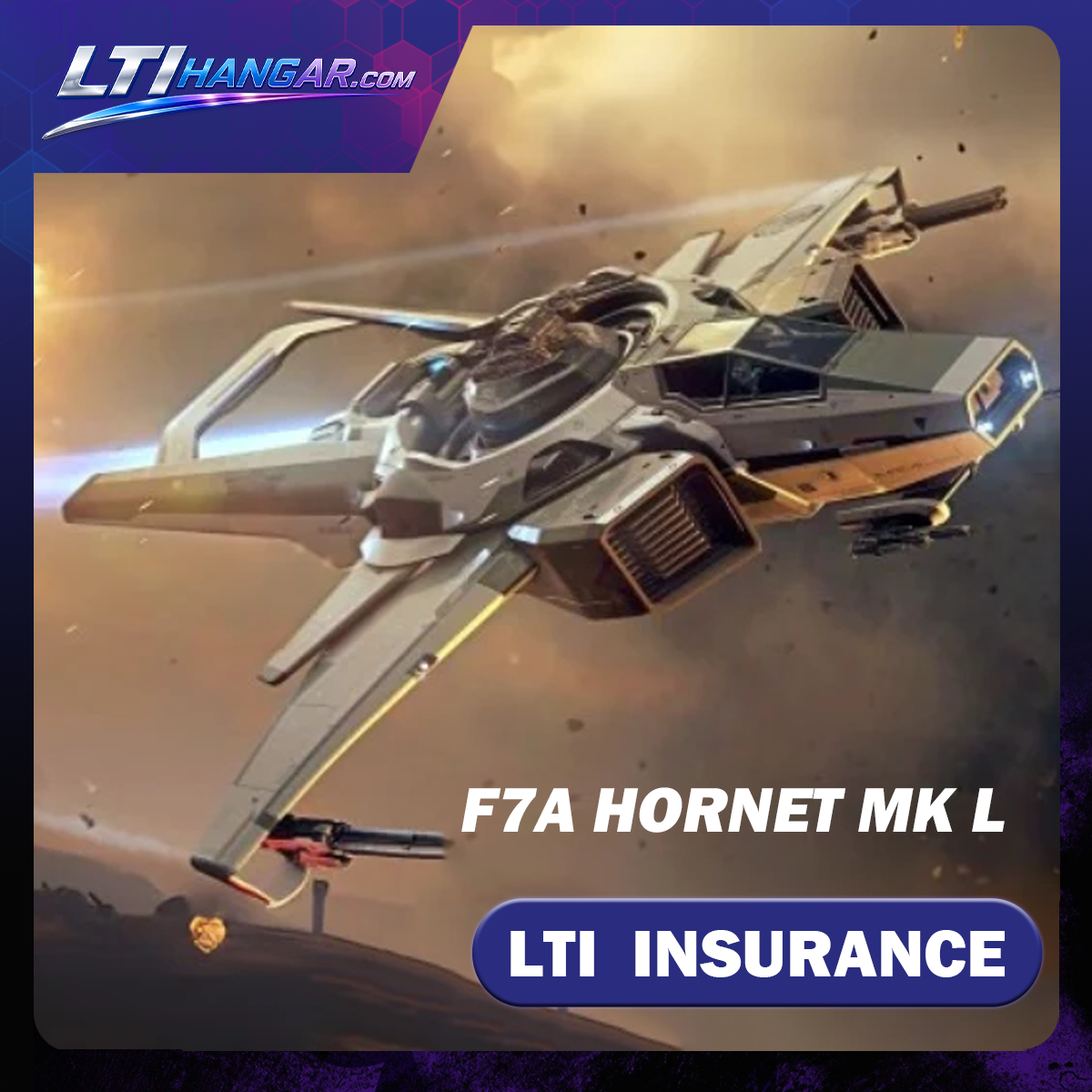
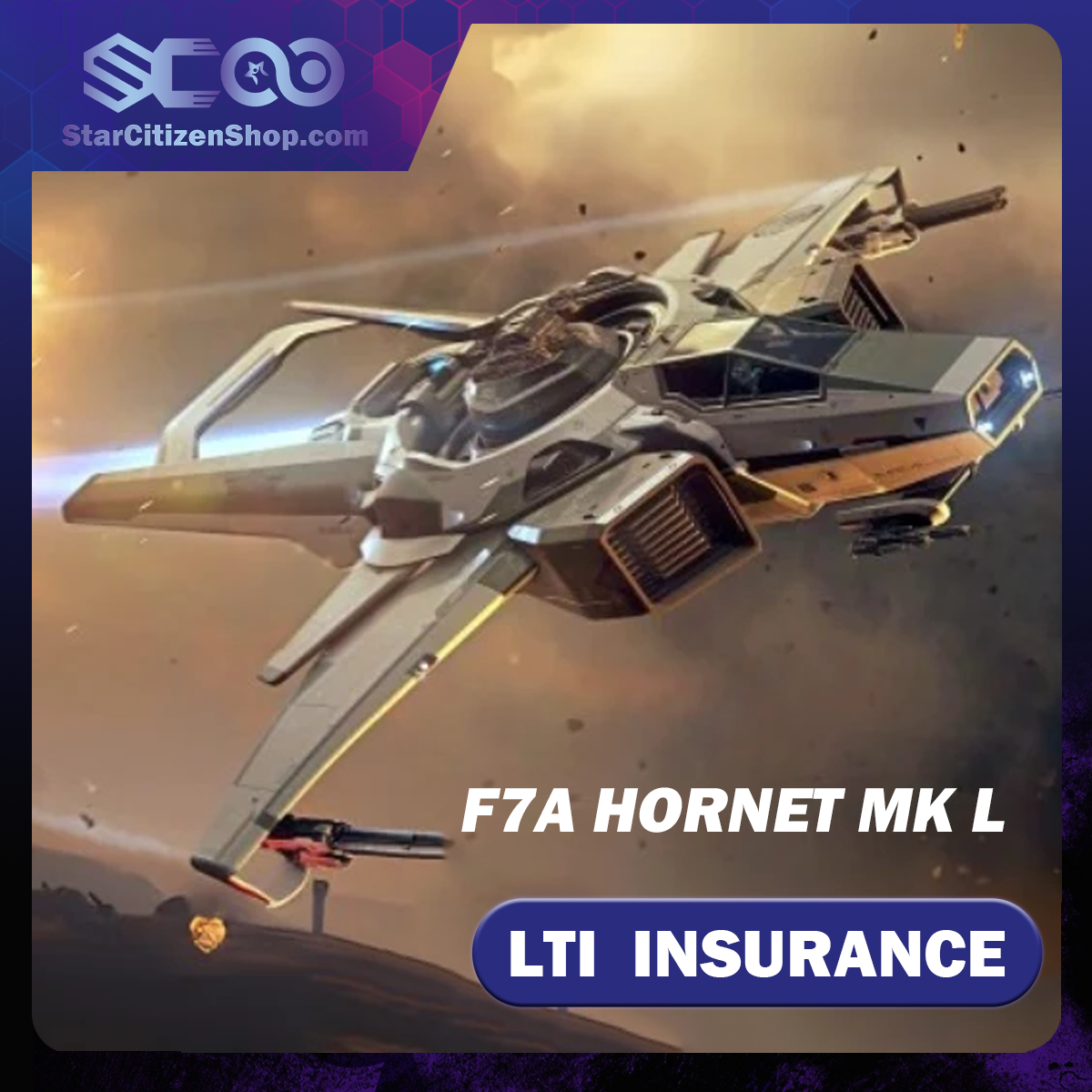
Contact our Discord live support; we are online 24/7.

Perché i player scelgono LTI Hangar
Consegna rapida delle navi, supporto reale e una procedura RSI Gift chiara — pensato per i player di Star Citizen che vogliono un’esperienza d’acquisto più semplice e fluida.
Consegna media 20–30 min
Supporto Discord 24/7
Un team di gamer con oltre 10 anni di esperienza nel settore.
Acquisto sicuro, Vendiamo solo dal nostro stock, senza seller esterni o inserzioni di terze parti.
Supporto post-vendita affidabile
Segui il tuo ordine in tempo reale.
Domande frequenti
Quanto tempo richiede di solito la consegna?
Gli ordini di navi, CCU, paint e item di Star Citizen vengono solitamente consegnati entro 20–30 minuti.
In rari casi, la consegna può richiedere fino a 12 ore a causa del volume degli ordini, dei limiti RSI per l’invio dei gift, dello stato dell’account o di eventuali verifiche manuali necessarie.
Nella maggior parte dei casi, cerchiamo di non superare le 12 ore per la consegna delle navi, salvo problemi eccezionali come limitazioni del sistema RSI, restrizioni dell’account o verifiche richieste al cliente.
Il mio ordine della nave è protetto?
Sì. Sicurezza e affidabilità sono tra le nostre priorità principali.
Tutte le navi vendute da LTI Hangar provengono dal nostro stock diretto, senza seller esterni o fornitori terzi sconosciuti.
Ogni ordine viene gestito con registri di consegna chiari, così il processo può essere verificato e tracciato in caso di bisogno di supporto.
Offriamo inoltre una protezione post-vendita a vita per eventuali problemi idonei legati alla consegna.
Questo controllo tramite stock diretto, insieme alla consegna tracciabile e alla protezione post-vendita, è uno dei motivi per cui molti clienti scelgono LTI Hangar per acquistare navi Star Citizen in modo più sicuro.
Che cos’è la protezione post-vendita a vita?Perché altri marketplace non possono offrire questo livello di protezione?
Nel rarissimo caso in cui si verifichi un problema con un item durante la consegna o in qualsiasi momento dopo il completamento della consegna, effettueremo una verifica.
Se dalla verifica risulta che il problema è stato causato da un nostro errore, forniremo una sostituzione oppure un rimborso.
Per aiutarci a controllare il caso in modo accurato, potremmo chiederti di fornirci prove rilevanti, come screenshot del tuo RSI Hangar, dettagli dell’ordine e registri dell’RSI Hangar Log.
L’RSI Hangar Log può aiutare a tracciare lo stato e la cronologia di ogni nave, incluso se l’item è stato riscattato, scambiato, meltato, trasferito o modificato in altro modo dopo la consegna.
Esamineremo le prove fornite per determinare la causa del problema.
Questo livello di protezione non è comunemente offerto da molti marketplace di terze parti, perché spesso si affidano a seller esterni o a fonti di stock miste.
Su LTI Hangar, invece, tutte le navi provengono dal nostro stock diretto e ogni ordine dispone di registri di consegna chiari. Questo ci permette di offrire un supporto più sicuro, tracciabile e affidabile.
Posso richiedere un rimborso dopo aver riscattato una nave, CCU, paint o item?
Una volta che l’RSI Gift è stato riscattato, la nave, CCU, paint o item viene collegato all’account RSI che lo ha ricevuto.
A causa delle limitazioni del sistema di gifting di Star Citizen, un item già riscattato normalmente non può essere regalato di nuovo, restituito, annullato o riconsegnato.
Per questo motivo, gli item già riscattati normalmente non sono idonei alla cancellazione o al rimborso.
Una correzione, sostituzione o rimborso può essere fornito solo se confermiamo che il problema è stato causato da noi, ad esempio l’invio di un item sbagliato, un errore nella consegna dell’ordine o un altro problema di consegna verificato e causato dal nostro lato.
Prima di riscattare l’RSI Gift, assicurati di essere connesso all’account RSI corretto.
Una volta che il gift viene riscattato sull’account sbagliato, normalmente non può essere spostato su un altro account.
Cosa succede se viene consegnata la nave, CCU, paint o item sbagliato?
Se confermiamo che l’item sbagliato è stato consegnato a causa di un nostro errore, esamineremo il caso e forniremo una correzione, una sostituzione o un rimborso, ove applicabile.
Ti invitiamo a contattarci fornendo il numero d’ordine, l’email usata al checkout e screenshot chiari del tuo RSI Hangar.
Perché la nave Star Citizen che ho ricevuto mostra un nome diverso?
Una Standalone CCU’ed è una nave o un veicolo completo. Non è un upgrade!
“CCU’ed” significa semplicemente che la nave o il veicolo è stato creato partendo da un modello più piccolo e facendo upgrade fino a quello che stai acquistando.
Tieni presente che, nell’email regalo RSI, potrebbe comparire solo il nome della nave usata come base per l’upgrade. È normale, non devi preoccuparti: la nave effettiva che vedrai nel tuo hangar sarà esattamente quella che hai ordinato.
Ad esempio, ecco come appare una Polaris CCU’ed nell’hangar sul sito RSI.

COME FUNZIONA
Veloce, semplice e sicuro: scopri come funziona!

QUANTO È SICURO?
La sicurezza è la nostra priorità numero uno.
A differenza di altri siti, vendiamo solo dal nostro stock diretto. Non permettiamo seller esterni sulla nostra piattaforma.
Questo garantisce maggiore sicurezza, più tranquillità per il cliente e consegne molto più rapide.

COME CONSEGNIAMO?
L’item verrà consegnato tramite il sistema RSI Gift.
Dopo aver effettuato l’ordine, invieremo l’item all’indirizzo email inserito al checkout.
Quando ricevi l’email regalo, ti basterà aprirla e cliccare su “Claim”: l’item verrà aggiunto all’account RSI su cui sei già connesso.

PROTEZIONE POST-VENDITA
Tutti gli item che vendiamo provengono dal nostro stock diretto e sono coperti dalla nostra policy di protezione post-vendita.
Se si verifica un problema con un item durante la consegna o entro 6 mesi dal completamento della consegna, effettueremo una verifica.
Se viene confermato che il problema è stato causato da un nostro errore, forniremo una sostituzione oppure un rimborso.

CONTATTACI
Star Citizen è un universo complesso! Se hai domande, siamo sempre felici di aiutarti.
Siamo online 24 ore su 24 per offrirti supporto quando ne hai bisogno.
In più, sul nostro canale Discord puoi trovare ancora più codici sconto e giveaway!
Anvil F7A Hornet Mk I Standalone Ship Gameplay Guide
The Anvil F7A Hornet Mk I is a military medium fighter built for Star Citizen players who want concentrated firepower, single-seat combat, carrier-fighter handling, and one of the most recognizable UEE military spacecraft platforms in the game. Developed by Anvil Aerospace, the F7A is the military version of the original Hornet design and was created for front-line fighter operations rather than cargo, exploration, or general-purpose utility.
Unlike civilian Hornets such as the F7C, Ghost, or Tracker, the F7A Hornet Mk I is focused almost entirely on combat. Its main identity comes from two Size 4 wing weapon mounts, a nose turret carrying two Size 2 weapons, a central ball turret carrying two Size 3 weapons, missile support, and a compact single-pilot layout. Current 4.9 reference data continues to list this military weapon configuration on the F7A Mk I.
The F7A Hornet Mk I remains Flight Ready and continues to be supported alongside the newer Hornet Mk II family. RSI has specifically confirmed that the Hornet Mk I series will remain flyable and receive continued support, including bug fixes and its planned gold-standard pass.
Build Your Anvil Fighter Fleet with the F7A Hornet Mk I
The F7A Hornet Mk I remains one of the key Anvil fighters for players who want the original military Hornet experience. If you are looking to acquire this classic UEE combat fighter, you can explore our available options in the Star Citizen Ships and Vehicles Collection.
F7A Hornet Mk I Key Specifications
Engineered for front-line fighter combat, the F7A Hornet Mk I combines multiple weapon positions, missile support, and a compact single-seat layout.
| Specification | Anvil F7A Hornet Mk I | Gameplay Meaning |
|---|---|---|
| Manufacturer | Anvil Aerospace | A military-focused Human manufacturer closely associated with UEE combat spacecraft. |
| Role | Medium Fighter / Military Fighter | Built for dogfighting, interception, escort, and space-superiority combat. |
| Status | Flight Ready | The F7A Mk I remains flyable and supported alongside the newer Mk II family. |
| Crew | 1 pilot | Designed for dedicated solo fighter operation without a required gunner. |
| Cargo Capacity | 0 SCU dedicated cargo | A pure combat fighter rather than a cargo or general-purpose ship. |
| Wing Weapons | 2 Size 4 mounts | Provides the largest individual weapon positions on the Mk I fighter. |
| Nose Turret | 2 Size 2 weapons | Adds additional forward firepower to the main attack package. |
| Ball Turret | 2 Size 3 weapons | Gives the F7A strong central weapon coverage and concentrated gun pressure. |
| Missile Loadout | Size 1 and Size 2 missiles | Adds secondary pressure during fighter engagements and interception. |
| Core Gameplay | Dogfighting, interception, escort, bounty combat | Best used as a dedicated single-seat combat fighter. |
Current 4.9 reference data lists two Size 4 wing mounts, two Size 3 weapons on the Mk I ball turret, two Size 2 weapons on the F7A nose turret, and a mixed Size 1 and Size 2 missile package. Note: Star Citizen ship specifications may change during future patches and balance updates. Exact weapons, missiles, shields, components, speeds, and flight values should be treated as gameplay-reference information rather than permanent final numbers.
What Makes the F7A Hornet Mk I Valuable?
The F7A Hornet Mk I is valuable because it concentrates a substantial amount of fighter firepower into a compact single-seat platform. Instead of depending on one oversized weapon or a second crew member, the F7A spreads its offensive capability across wing weapons, a nose turret, and a central ball turret.
Its military identity is also important. The F7A was the UEE Navy's premier space-superiority Hornet before the newer F7A Mk II replaced it in front-line service. The original Mk I platform was built for combat air patrol, interception, escort, strike missions, and other military fighter operations.
The F7A also has useful long-term value because its role is simple. It does not need cargo systems, crew facilities, industrial equipment, or another profession to justify its existence. It is a fighter designed to fight, which makes it easy to understand for players building a dedicated combat fleet.
Medium Fighter Combat Gameplay Role
The F7A Hornet Mk I's main role is space-superiority fighter combat. It is designed to engage enemy spacecraft, intercept threats, escort larger fleet assets, and add a compact military fighter to coordinated combat operations.
The Hornet platform was primarily developed for carrier operations and military combat missions. The F7A Mk I combines enough firepower to pressure other fighters with a small enough chassis to remain focused on traditional fighter engagements rather than heavy-ship combat.
| Gameplay Use | Why the F7A Hornet Mk I Fits |
|---|---|
| Dogfighting | Multiple pilot-controlled weapons create strong direct fighter pressure. |
| Interception | Military fighter design works naturally for pursuing and engaging hostile ships. |
| Escort operations | Can protect larger ships from fighters and nearby threats. |
| PvE bounty hunting | Single-seat combat package works well for repeated fighter missions. |
| Organization events | Fits naturally into coordinated fighter wings and fleet combat. |
| Carrier operations | Compact military fighter design supports deployment alongside larger fleet assets. |
| High-risk combat zones | Multiple weapon positions give the pilot useful offensive flexibility. |
The F7A should not be treated like a smaller heavy fighter. Ships such as the Vanguard or Scorpius offer different combinations of range, durability, crew, and firepower. The F7A is a medium fighter built around concentrated weapons, maneuvering, and direct combat.
Military Weapon Firepower
The F7A Hornet Mk I's signature feature is its military weapon layout. Current reference data gives the ship two Size 4 wing mounts, a nose turret with two Size 2 weapons, and a central ball turret carrying two Size 3 weapons.
This gives the pilot several weapon sources working toward the same combat objective. Instead of relying entirely on two wing guns, the F7A can combine its wing, nose, and central weapons during a favorable forward attack.
That concentration makes positioning important. A good F7A pilot should create firing windows where several weapons can stay on the same target rather than simply trading damage from a poor angle.
The F7A Hornet Mk I is not built around one oversized gun. Its strength comes from combining several military weapon positions on one compact fighter.
This makes the ship attractive for players who want traditional fighter combat with a heavier weapon package than a basic civilian Hornet.
Nose and Ball Turret Utility
The nose turret and central ball turret are two of the clearest features separating the F7A Mk I from simpler Hornet configurations.
The dedicated F7A nose turret carries two Size 2 weapons, adding another pair of guns directly into the fighter's forward combat package. The central Mk I ball turret carries two Size 3 weapons and occupies the modular position that helps define the Hornet family.
Together, these turrets allow the F7A to place more weapons on target without requiring a second player.
This is particularly useful in solo combat. The pilot can manage the complete weapon package from one cockpit instead of depending on another crew member to reach the ship's intended basic combat output.
The turret layout also reinforces the difference between the military F7A and more flexible civilian Hornets. Civilian variants can use the Hornet platform for different purposes, while the F7A commits its available equipment space to combat.
Missile and Combat Support
The F7A Hornet Mk I carries a mixed missile package alongside its guns. Current reference data lists Size 1 and Size 2 missiles, giving the pilot another way to create pressure during an engagement.
Missiles are useful during an approach, when chasing a target, or when forcing an opponent to react before the F7A commits to its main gun attack.
They can also help create firing opportunities. A target using countermeasures or changing direction to avoid a missile may give the Hornet pilot a better angle for the wing, nose, and turret weapons.
The F7A is still primarily a gunfighter.
Its missiles support the main weapon package rather than defining the entire ship. Players who want torpedo-focused strike gameplay should look at dedicated bombers such as the Eclipse or Vanguard Harbinger.
The F7A's missiles create additional pressure, but its main identity remains concentrated fighter gunfire.
This keeps the ship focused on direct combat rather than specialized missile attacks.
Solo Gameplay
The F7A Hornet Mk I is a true single-seat fighter. One pilot controls flight, weapons, missiles, shields, positioning, and target selection.
That makes the F7A easy to deploy compared with fighters that depend heavily on another player. There is no turret gunner or co-pilot that needs to be available before the ship can perform its intended basic combat role.
A practical F7A engagement usually begins with target selection rather than immediately firing every weapon. The pilot needs to decide whether the opponent can be pressured aggressively, whether a missile should be used during the approach, and how to establish an angle where the complete gun package can stay on target.
Against light fighters, the challenge is tracking. Smaller ships may be harder to keep in front of the Hornet, so movement and firing discipline become important.
Against medium fighters, the F7A can make greater use of its concentrated firepower.
Against heavy fighters, the pilot should avoid turning the fight into a simple durability contest. The Hornet's advantage comes from fighter positioning rather than trying to absorb more damage than a larger ship.
| Pilot Role | Purpose |
|---|---|
| Target Selection | Prioritizes opponents that suit the F7A's medium-fighter role. |
| Positioning | Creates firing angles for the wing, nose, and turret weapons. |
| Weapon Management | Keeps the different weapon groups working efficiently together. |
| Missile Timing | Adds pressure or forces an opponent to change its flight path. |
| Shield Management | Supports survival during longer fighter engagements. |
| Situational Awareness | Tracks additional threats and avoids becoming isolated. |
| Disengagement | Leaves unfavorable fights instead of relying entirely on durability. |
This is why the F7A Mk I remains attractive to dedicated solo combat pilots. Its entire basic fighter identity is available from one seat.
Explore F7A Hornet Mk I Upgrade Paths
If you prefer to build toward the F7A Hornet Mk I from an existing ship, you can view our Star Citizen F7A Hornet Mk I options and explore other Hornet ships and upgrade paths for your Anvil combat fleet.
F7A Hornet Mk I vs Other Star Citizen Ships
When comparing the F7A Hornet Mk I with other fighters, the main question is whether you want the original military Hornet, the newer Mk II platform, a civilian Hornet, two-seat combat, stealth, or a heavier fighter.
| Ship Fleet Option | Primary Core Role | Compared with F7A Hornet Mk I |
|---|---|---|
| F7A Hornet Mk II | Military Medium Fighter | Uses the newer Hornet Mk II platform. The F7A Mk I offers the original military Hornet design and classic combat layout. Fits F7C Mk II. |
| F7C Hornet Mk I | Civilian Medium Fighter | More flexible civilian platform. The F7A is more directly committed to military combat. |
| F7C-M Super Hornet Mk I | Two-Seat Medium Fighter | Adds a second seat and near military-spec civilian equipment. The F7A is the dedicated single-seat military model. Fits Heartseeker. |
| F7C-S Hornet Ghost Mk I | Stealth Fighter | Better for lower-signature combat. The F7A focuses on conventional military firepower. |
| F8C Lightning | Heavy Fighter | Offers heavier pilot-controlled combat capability. The F7A is smaller and more focused on the classic medium-fighter role. |
| Sabre | Stealth Fighter | Emphasizes stealth and lower signatures. The F7A emphasizes direct military fighter combat. Fits Comet or Firebird. |
| Hurricane | Two-Seat Heavy Fighter | Offers major pilot-and-gunner firepower. The F7A gives one pilot access to its complete basic combat package. |
F7A Hornet Mk I vs F7A Hornet Mk II
The F7A Hornet Mk II is the closest modern comparison because it is the direct successor to the original F7A military fighter.
The Mk II uses the newer Hornet chassis and represents the current generation of Anvil's military space-superiority fighter. The F7A Mk I represents the original platform that served as the UEE Navy's premier Hornet before the Mk II replaced it in front-line service.
The difference therefore goes beyond simple weapon statistics.
If you want the newer military Hornet platform, the F7A Mk II has the clearer role. If you specifically want the original military Hornet design and classic Mk I combat experience, the F7A Mk I remains the more distinctive choice.
F7A Hornet Mk I vs F7C Hornet Mk I
The F7C Hornet Mk I is the civilian version of the original Hornet concept.
The F7C gives private pilots access to the Hornet platform with more civilian flexibility. Depending on the variant and installed equipment, civilian Hornets can emphasize cargo, stealth, scanning, or combat.
The F7A is more focused.
Its military weapon configuration uses the Hornet platform specifically for direct fighter combat, giving the pilot additional nose and central weapon capability instead of using those areas for another profession.
If you want a flexible classic Hornet, choose the F7C Mk I.
If you want the original single-seat military Hornet with a stronger dedicated combat identity, choose the F7A Mk I.
F7A Hornet Mk I vs Super Hornet Mk I
The F7C-M Super Hornet Mk I was designed as the civilian Hornet that came closest to a military-style loadout. It restores the ball turret, uses near military-spec equipment, and adds a second seat for shared combat and logistical duties.
The F7A takes a different approach.
It is the military single-seat Hornet rather than a civilian approximation of one. One pilot controls the fighter's combat role without depending on a second crew member.
If you want a classic Hornet with two-seat gameplay, the Super Hornet Mk I has the clearer advantage.
If you want the original military Hornet and prefer dedicated solo fighter combat, choose the F7A Mk I.
F7A Hornet Mk I Strengths and Limitations
| Strategic Strengths | Operational Limitations |
|---|---|
| Military weapon configuration gives the F7A a clear dedicated combat role. | Almost no meaningful non-combat profession utility. |
| Two Size 4 wing mounts provide substantial fighter firepower. | Larger weapons still depend on good tracking and firing opportunities. |
| Nose turret adds two additional Size 2 weapons. | Multiple weapon groups require sensible weapon and capacitor management. |
| Ball turret adds two Size 3 weapons to the central combat package. | Exact weapon performance can change significantly with balance updates. |
| Single-seat layout gives one pilot access to the ship's core combat systems. | No second crew member can provide additional combat support. |
| Mixed missile package provides useful secondary pressure. | Not a dedicated missile or torpedo fighter. |
| Flight Ready and still officially supported alongside the Mk II family. | Older Mk I platform may appeal less to players who want the newest Hornet design. |
| Original military Hornet identity gives it a distinctive place in the Anvil lineup. | Military heritage does not make it ideal against every fighter or target class. |
Who Should Buy the F7A Hornet Mk I?
The F7A Hornet Mk I is best for players who want a dedicated single-seat military medium fighter and specifically enjoy the original Hornet generation.
It is especially suitable for Hornet pilots, PvE bounty hunters, organization fighter wings, escort pilots, military-ship collectors, and players who want several pilot-controlled weapon positions without depending on a gunner.
It is also a good choice for players who want a ship with a very clear purpose. The F7A does not try to haul cargo, support exploration, carry a crew, or perform an industrial profession. Its entire layout is centered on fighter combat.
Players who want the newer military Hornet should compare the F7A Mk II. Players who want a more flexible civilian Hornet may prefer the F7C Mk I. Players who want two-seat Hornet gameplay should compare the Super Hornet Mk I. Players who want a larger heavy fighter may prefer the F8C Lightning, Vanguard, or Scorpius.
But for players who want the original Anvil military Hornet with a single-seat layout, strong wing weapons, dedicated nose and ball turrets, missile support, and a straightforward space-superiority role, the F7A Hornet Mk I remains one of the clearest classic fighter choices in Star Citizen.
F7A Hornet Mk I FAQ
Is the F7A Hornet Mk I worth buying in Star Citizen?
The F7A Hornet Mk I is worth buying if you want a dedicated single-seat military medium fighter with strong weapon coverage and the classic Hornet Mk I design. It is less suitable for players who need cargo, multi-crew gameplay, or general-purpose utility.
Is the F7A Hornet Mk I Flight Ready?
Yes. The F7A Hornet Mk I is Flight Ready and remains supported in current Star Citizen development. RSI has confirmed that the Hornet Mk I series will remain flyable and receive continued support.
What is the main role of the F7A Hornet Mk I?
The F7A Hornet Mk I is a military medium fighter designed for space-superiority combat, interception, escort, combat patrol, and strike operations.
Is the F7A Hornet Mk I a military ship?
Yes. The F7A is the military version of the original Hornet platform and was used by the UEE Navy before the newer F7A Hornet Mk II became its direct successor.
How much cargo does the F7A Hornet Mk I have?
The F7A Hornet Mk I has 0 SCU of dedicated cargo capacity. It is a pure combat fighter rather than a cargo or general-purpose spacecraft.
What weapons does the F7A Hornet Mk I have?
Current reference data lists two Size 4 wing weapon mounts, a nose turret carrying two Size 2 weapons, and a Size 5 ball-turret mount carrying two Size 3 weapons.
Does the F7A Hornet Mk I have a ball turret?
Yes. The F7A Hornet Mk I uses an Anvil Size 5 ball-turret mount capable of carrying two Size 3 ship weapons.
Does the F7A Hornet Mk I have a nose turret?
Yes. The F7A Hornet Mk I has a dedicated nose turret carrying two Size 2 weapons in its current reference configuration.
Does the F7A Hornet Mk I have missiles?
Yes. The F7A Hornet Mk I carries a mixed missile package using Size 1 and Size 2 missiles. Missiles provide secondary pressure while the ship's guns remain its main combat tools.
Can the F7A Hornet Mk I be used solo?
Yes. The F7A Hornet Mk I is a single-seat fighter designed for one pilot. The pilot controls the ship's core weapons, missiles, movement, and defensive systems without requiring another crew member.
Is the F7A Hornet Mk I better than the F7C Hornet Mk I?
The F7A Mk I is better for players who want a dedicated military combat configuration. The F7C Mk I is better for players who want the classic Hornet platform with more civilian flexibility. Choose the F7A for combat focus and the F7C for the civilian Hornet experience.
Should I choose the F7A Hornet Mk I or F7C Hornet Mk I?
Choose the F7A Hornet Mk I if your priority is concentrated military fighter firepower. Choose the F7C Hornet Mk I if you prefer a civilian Hornet with more flexibility. The F7A is the dedicated military fighter, while the F7C is the civilian platform.
Is the F7A Hornet Mk I better than the Super Hornet Mk I?
The F7A Mk I is better for players who want a dedicated single-seat military Hornet. The Super Hornet Mk I is better for players who want optional two-player gameplay and the civilian Hornet platform closest to military specification.
Should I choose the F7A Hornet Mk I or Super Hornet Mk I?
Choose the F7A Mk I if you want one pilot to control the fighter's core combat role. Choose the Super Hornet Mk I if you want a second seat and cooperative Hornet gameplay. The F7A is the military single-seat fighter, while the Super Hornet is the two-seat civilian combat model.
Is the F7A Hornet Mk I better than the F7A Hornet Mk II?
The F7A Mk II uses the newer Hornet platform and represents the later generation of Anvil's military fighter. The F7A Mk I offers the original Hornet design and classic military fighter experience. Neither choice should be based only on one weapon statistic because combat balance can change between patches.
Should I choose the F7A Hornet Mk I or F7A Hornet Mk II?
Choose the F7A Mk I if you specifically want the original military Hornet and classic Mk I platform. Choose the F7A Mk II if you prefer the newer military Hornet design. Both are dedicated combat fighters, but they represent different generations of the Hornet family.
Is the F7A Hornet Mk I good for dogfighting?
Yes. Dogfighting is one of the F7A Hornet Mk I's primary uses. Its compact medium-fighter layout and multiple pilot-controlled weapon positions are designed around direct spacecraft combat.
Is the F7A Hornet Mk I good for bounty hunting?
Yes. The F7A Mk I can be a strong PvE bounty fighter because its core combat package is controlled by one pilot and does not depend on a second crew member.
Is the F7A Hornet Mk I a heavy fighter?
No. The F7A Hornet Mk I is a medium fighter. Ships such as the Vanguard, Scorpius, Hurricane, and F8C operate in different fighter roles with different combinations of durability, range, crew, and firepower.
Does the F7A Hornet Mk I have good long-term value?
The F7A Hornet Mk I has useful long-term value for players who enjoy dedicated military fighter gameplay and the original Hornet platform. RSI has confirmed continued support for the Mk I series, while the ship's basic role remains clear: single-seat space-superiority combat, interception, escort, and direct fighter engagements.


