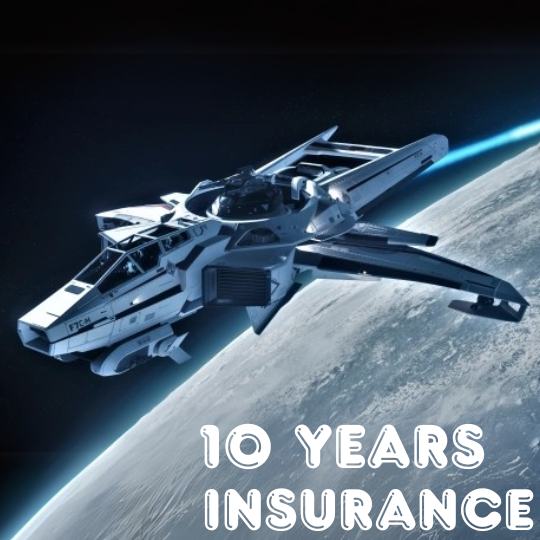
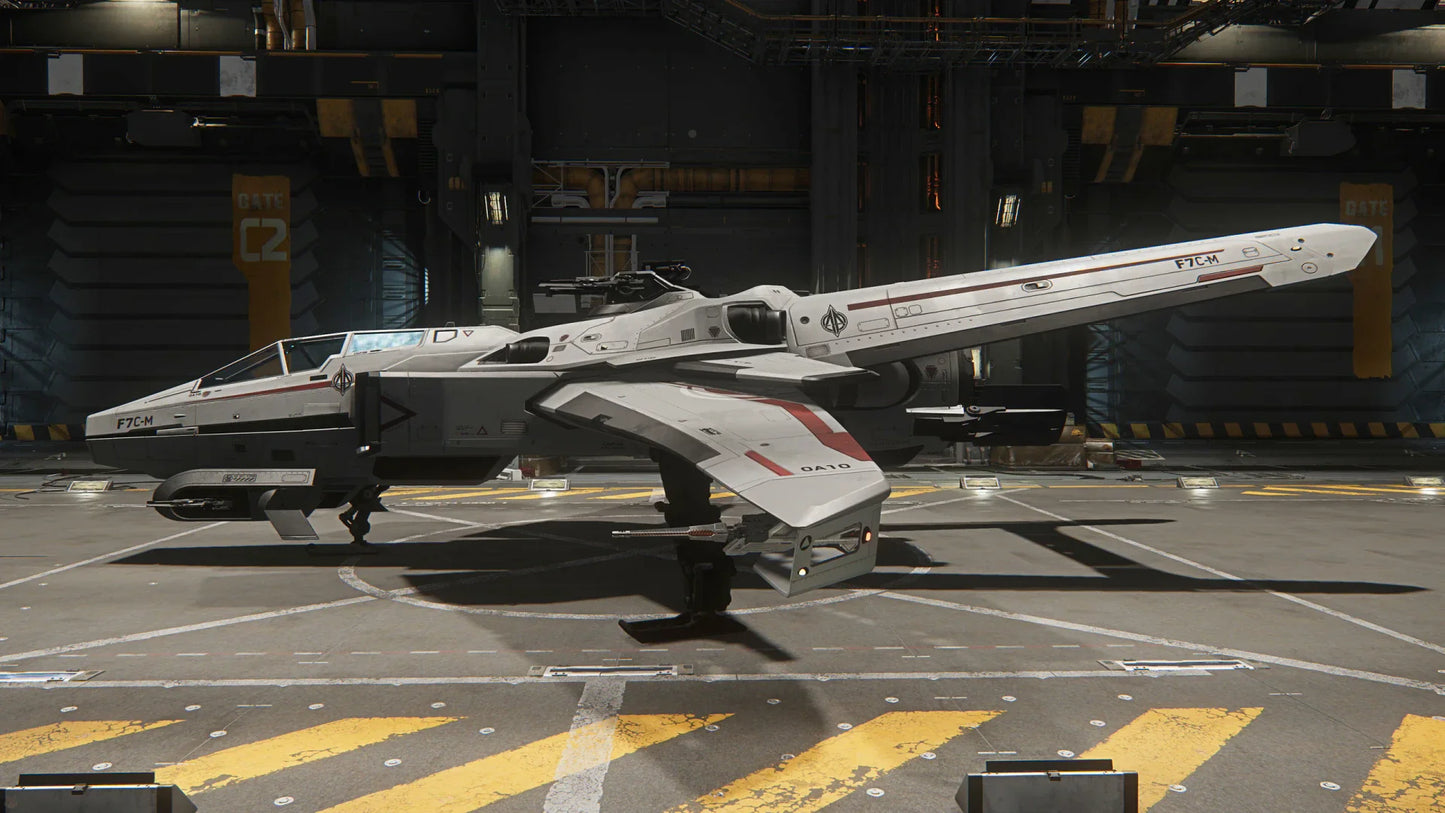
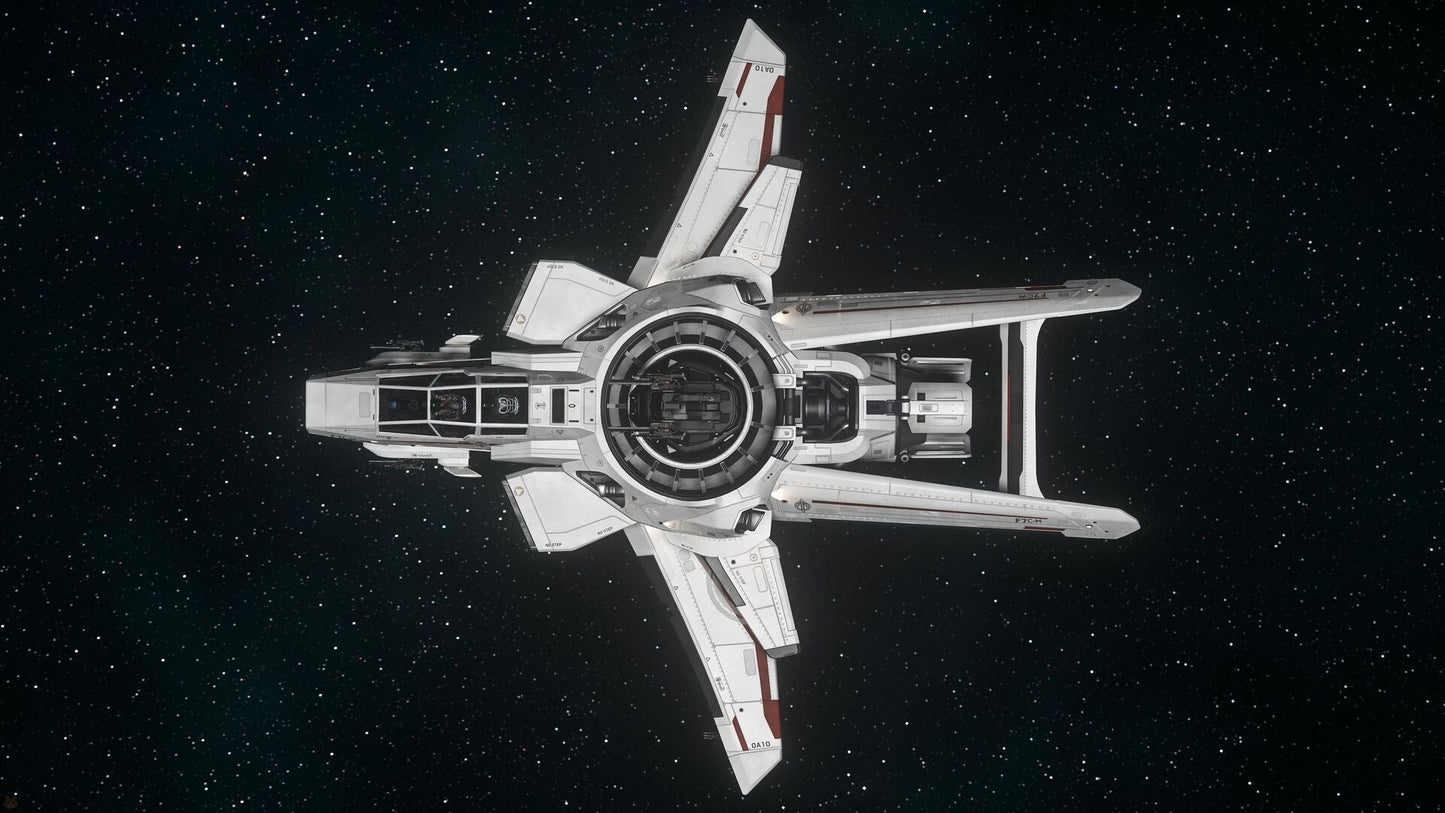
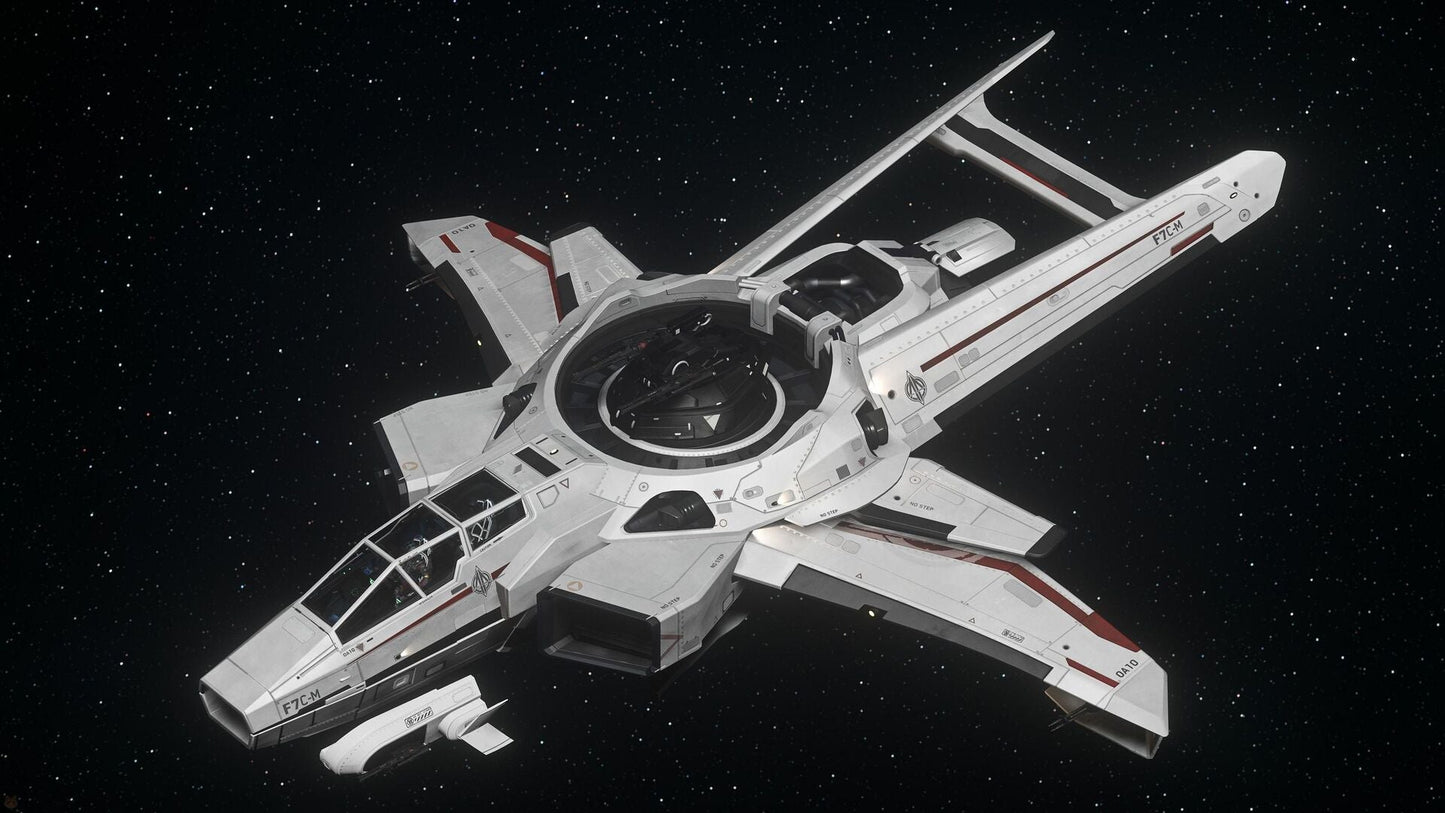
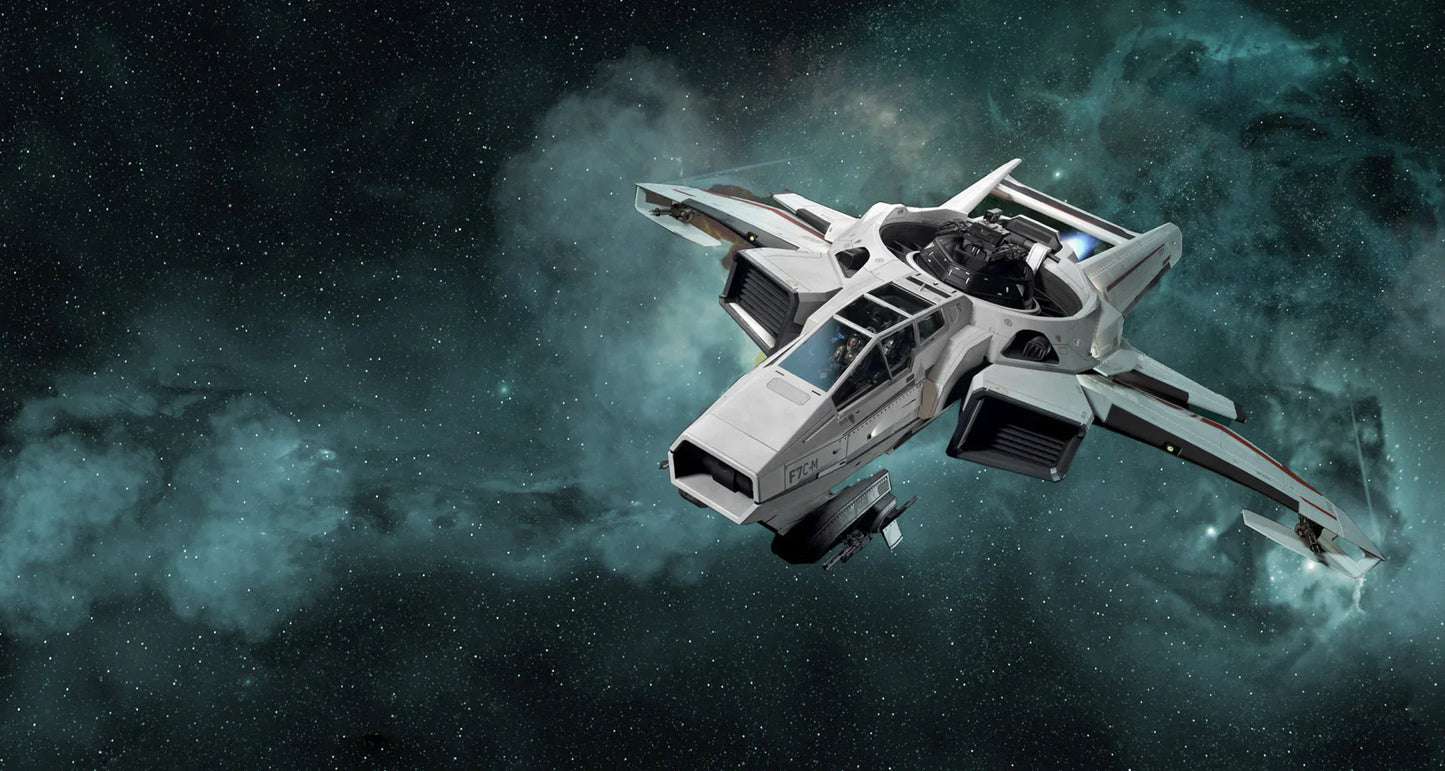
From Anvil Aerospace | Max Crew2 | In-Game Status Flight Ready

F7C-M Super Hornet Mk I - Standalone Ship

Prezzo normale $196.99 USD
Prezzo di vendita $196.99 USD
SOLD OUT

CCU'ed-Insurance: LTI

Email

Controlla i tempi di consegna stimati.

Navi Star Citizen: tempo medio 20–30 minuti; massimo 12 ore.

Star Citizen aUEC: consegna entro 3–5 minuti.

CCU Star Citizen: tempo medio 20–30 minuti; massimo 12 ore.

Paint Star Citizen: tempo medio 5 minuti; massimo 12 ore.

Oggetti Star Citizen: tempo medio 5 minuti; massimo 12 ore.

Come riscattare navi, CCU, paint e oggetti di Star Citizen

Per accettare questo oggetto, devi avere un account su robertsspaceindustries.com. Per accedere a Star Citizen, è necessario possedere un game package.

Tutti gli ordini verranno inviati all’indirizzo email inserito al momento del checkout. Riceverai un’email da no-reply@robertsspaceindustries.com con oggetto “Someone sent you a gift from Roberts Space Industries”.

Apri l’email e clicca sul pulsante blu “Claim Gift” per riscattare il tuo ordine.

Se vuoi ricevere l’ordine su un account diverso da quello collegato all’email fornita, ti basta accedere all’account RSI corretto in un’altra scheda prima di riscattare l’oggetto. Ti consigliamo di aggiornare la pagina RSI per assicurarti di essere connesso all’account giusto.

Se stai acquistando questo oggetto come regalo, clicca con il tasto destro sul pulsante blu “Claim Gift” e copia l’indirizzo del link. Assicurati di essere uscito dal tuo account RSI, così da non riscattare accidentalmente il regalo sul tuo account.

Istruzioni di sicurezza importanti

ATTENZIONE: tutte le navi e gli oggetti possono essere regalati una sola volta. Una volta riscattato, l’oggetto — nave, CCU, paint, armatura, arma o altro item — sarà collegato in modo permanente all’account che lo ha accettato.

Per questo motivo, prima di riscattare l’email regalo, assicurati di essere connesso allo specifico account RSI su cui vuoi ricevere l’oggetto, usando lo stesso browser.

Non siamo responsabili se l’oggetto viene riscattato sull’account RSI sbagliato.

Come applicare una CCU (Ship Upgrade)

Se hai acquistato una Cross Chassis Upgrade (CCU) per trasformare una nave in un’altra, segui questi passaggi:

Riscatta la CCU

Segui i passaggi di consegna indicati sopra per aggiungere la CCU al tuo RSI Hangar.

Trova la CCU nel tuo hangar

Vai nella sezione “My Hangar” sul sito RSI e cerca la CCU che hai ricevuto.

Applica l’upgrade

Clicca sulla freccia accanto alla CCU per aprire i dettagli.

Poi clicca sul pulsante “Apply Upgrade”.

Seleziona la “Source Ship”, cioè la nave di partenza che vuoi usare per l’upgrade, e inserisci la password del tuo account RSI per completare l’operazione.

Nota importante

L’assicurazione, come ad esempio LTI, e gli eventuali bonus della nave base verranno trasferiti alla nuova nave dopo l’upgrade.

In alcuni casi, per passare da una nave di valore più basso a una nave di valore più alto, l’upgrade può essere composto da più CCU in sequenza.

Ad esempio: se acquisti un upgrade da Merchantman a Polaris, potremmo inviarti due CCU: una da Merchantman a Hammerhead e una da Hammerhead a Polaris.

Più grande è la differenza di prezzo tra la nave di partenza e quella finale, maggiore potrebbe essere il numero di CCU che riceverai.

Acquista in sicurezza: protezione cliente

Protezione sull’acquisto

Acquistando sul nostro sito, hai la garanzia di ricevere l’item corretto, esattamente come descritto nella pagina prodotto.

Se per qualsiasi motivo non fossimo in grado di consegnare l’item acquistato, ti offriremo una sostituzione oppure un rimborso completo. Potrai scegliere l’opzione che preferisci.

Protezione post-vendita

Tutti gli item che vendiamo provengono dal nostro inventario diretto e sono coperti dalla nostra protezione post-vendita.

Se si verifica un problema con un item durante la consegna o entro 6 mesi dal completamento della consegna, effettueremo una verifica. Se il problema risulta essere causato da un nostro errore, forniremo una sostituzione oppure un rimborso.

Nella maggior parte dei casi, questo significa una sostituzione completa, un rimborso completo oppure, se lo stesso item non è più disponibile, un upgrade a un item migliore.

Assistenza clienti 24/7

Ricevi supporto quando ne hai bisogno con il nostro servizio clienti online 24/7.

Che tu abbia domande, abbia bisogno di assistenza o voglia una soluzione rapida, il nostro team è sempre pronto ad aiutarti. A qualsiasi ora e in qualsiasi giorno, siamo a portata di click per offrirti il supporto di cui hai bisogno.

Unisciti ora al nostro Discord e scopri la differenza di LTI Hangar!

Disponibile · Invio tramite RSI Gift · Consegna media 20 min
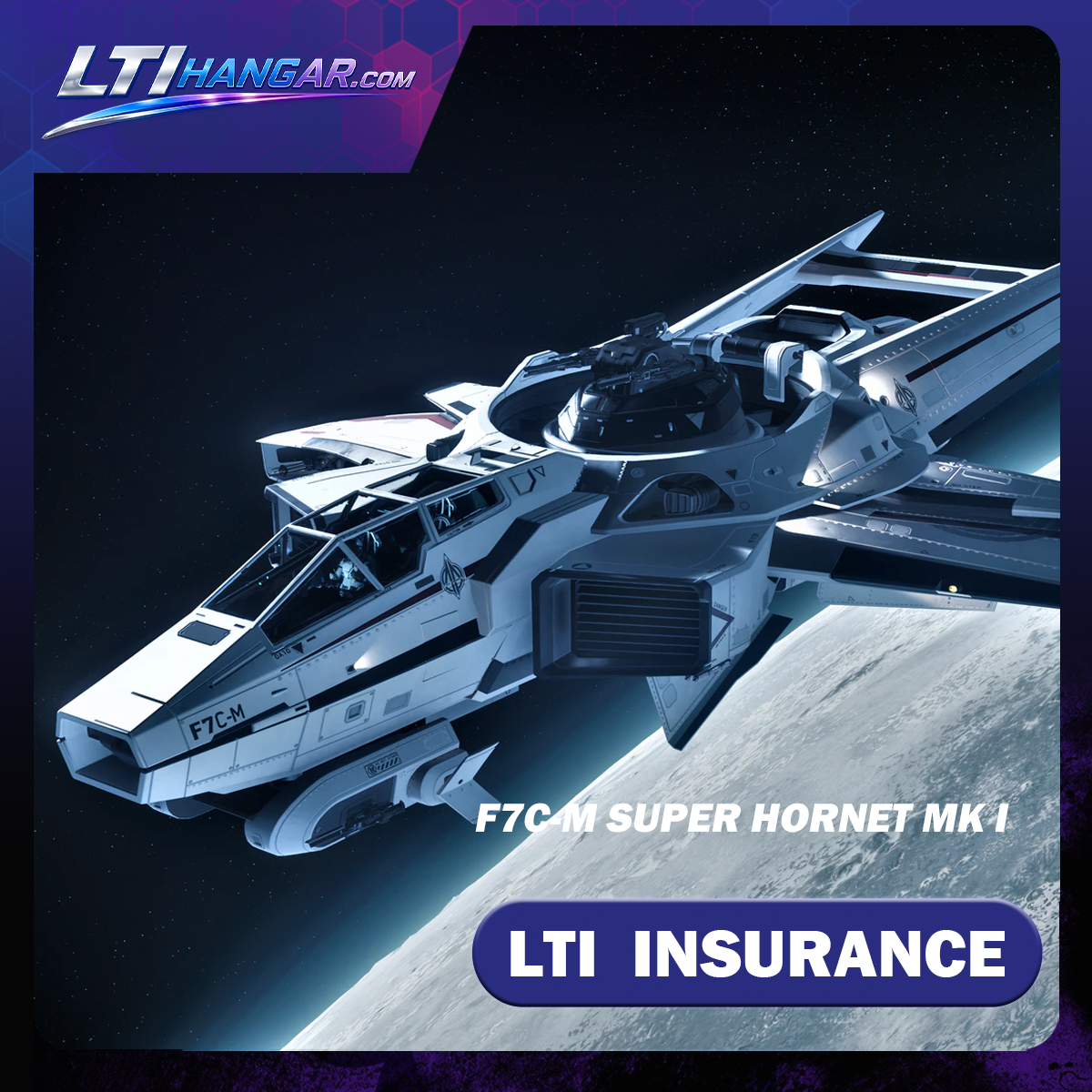
Visualizza i dettagli completi
Need Help? Open a Discord Ticket

Contact our Discord live support; we are online 24/7.

Perché i player scelgono LTI Hangar

Consegna rapida delle navi, supporto reale e una procedura RSI Gift chiara — pensato per i player di Star Citizen che vogliono un’esperienza d’acquisto più semplice e fluida.

Consegna media 20–30 min

Supporto Discord 24/7

Un team di gamer con oltre 10 anni di esperienza nel settore.

Acquisto sicuro, Vendiamo solo dal nostro stock, senza seller esterni o inserzioni di terze parti.

Supporto post-vendita affidabile

Segui il tuo ordine in tempo reale.

  • Qual è la differenza tra Original Concept, Standalone Ship e nave CCU’ed?

  • Non sai se la nave che stai acquistando è già flight ready? Controlla la Loaner Matrix ufficiale!

Domande frequenti

Quanto tempo richiede di solito la consegna?

Gli ordini di navi, CCU, paint e item di Star Citizen vengono solitamente consegnati entro 20–30 minuti.

In rari casi, la consegna può richiedere fino a 12 ore a causa del volume degli ordini, dei limiti RSI per l’invio dei gift, dello stato dell’account o di eventuali verifiche manuali necessarie.

Nella maggior parte dei casi, cerchiamo di non superare le 12 ore per la consegna delle navi, salvo problemi eccezionali come limitazioni del sistema RSI, restrizioni dell’account o verifiche richieste al cliente.

Il mio ordine della nave è protetto?

Sì. Sicurezza e affidabilità sono tra le nostre priorità principali.

Tutte le navi vendute da LTI Hangar provengono dal nostro stock diretto, senza seller esterni o fornitori terzi sconosciuti.

Ogni ordine viene gestito con registri di consegna chiari, così il processo può essere verificato e tracciato in caso di bisogno di supporto.

Offriamo inoltre una protezione post-vendita di 6 mesi per eventuali problemi idonei legati alla consegna.

Questo controllo tramite stock diretto, insieme alla consegna tracciabile e alla protezione post-vendita, è uno dei motivi per cui molti clienti scelgono LTI Hangar per acquistare navi Star Citizen in modo più sicuro.

Che cos’è la protezione post-vendita di 6 mesi? Perché altri marketplace non possono offrirla?

Nel rarissimo caso in cui si verifichi un problema con un item durante la consegna o entro 6 mesi dal completamento della consegna, effettueremo una verifica.

Se dalla verifica risulta che il problema è stato causato da un nostro errore, forniremo una sostituzione oppure un rimborso.

Per aiutarci a controllare il caso in modo accurato, potremmo chiederti di fornirci prove rilevanti, come screenshot del tuo RSI Hangar, dettagli dell’ordine e registri dell’RSI Hangar Log.

L’RSI Hangar Log può aiutare a tracciare lo stato e la cronologia di ogni nave, incluso se l’item è stato riscattato, scambiato, meltato, trasferito o modificato in altro modo dopo la consegna.

Esamineremo le prove fornite per determinare la causa del problema.

Questo livello di protezione non è comunemente offerto da molti marketplace di terze parti, perché spesso si affidano a seller esterni o a fonti di stock miste.

Su LTI Hangar, invece, tutte le navi provengono dal nostro stock diretto e ogni ordine dispone di registri di consegna chiari. Questo ci permette di offrire un supporto più sicuro, tracciabile e affidabile.

Posso richiedere un rimborso dopo aver riscattato una nave, CCU, paint o item?

Una volta che l’RSI Gift è stato riscattato, la nave, CCU, paint o item viene collegato all’account RSI che lo ha ricevuto.

A causa delle limitazioni del sistema di gifting di Star Citizen, un item già riscattato normalmente non può essere regalato di nuovo, restituito, annullato o riconsegnato.

Per questo motivo, gli item già riscattati normalmente non sono idonei alla cancellazione o al rimborso.

Una correzione, sostituzione o rimborso può essere fornito solo se confermiamo che il problema è stato causato da noi, ad esempio l’invio di un item sbagliato, un errore nella consegna dell’ordine o un altro problema di consegna verificato e causato dal nostro lato.

Prima di riscattare l’RSI Gift, assicurati di essere connesso all’account RSI corretto.

Una volta che il gift viene riscattato sull’account sbagliato, normalmente non può essere spostato su un altro account.

Cosa succede se viene consegnata la nave, CCU, paint o item sbagliato?

Se confermiamo che l’item sbagliato è stato consegnato a causa di un nostro errore, esamineremo il caso e forniremo una correzione, una sostituzione o un rimborso, ove applicabile.

Ti invitiamo a contattarci fornendo il numero d’ordine, l’email usata al checkout e screenshot chiari del tuo RSI Hangar.

Perché la nave Star Citizen che ho ricevuto mostra un nome diverso?

Una Standalone CCU’ed è una nave o un veicolo completo. Non è un upgrade!

“CCU’ed” significa semplicemente che la nave o il veicolo è stato creato partendo da un modello più piccolo e facendo upgrade fino a quello che stai acquistando.

Tieni presente che, nell’email regalo RSI, potrebbe comparire solo il nome della nave usata come base per l’upgrade. È normale, non devi preoccuparti: la nave effettiva che vedrai nel tuo hangar sarà esattamente quella che hai ordinato.

Ad esempio, ecco come appare una Polaris CCU’ed nell’hangar sul sito RSI.


COME FUNZIONA

Veloce, semplice e sicuro: scopri come funziona!

QUANTO È SICURO?

La sicurezza è la nostra priorità numero uno.

A differenza di altri siti, vendiamo solo dal nostro stock diretto. Non permettiamo seller esterni sulla nostra piattaforma.

Questo garantisce maggiore sicurezza, più tranquillità per il cliente e consegne molto più rapide.

COME CONSEGNIAMO?

L’item verrà consegnato tramite il sistema RSI Gift.

Dopo aver effettuato l’ordine, invieremo l’item all’indirizzo email inserito al checkout.

Quando ricevi l’email regalo, ti basterà aprirla e cliccare su “Claim”: l’item verrà aggiunto all’account RSI su cui sei già connesso.

PROTEZIONE POST-VENDITA

Tutti gli item che vendiamo provengono dal nostro stock diretto e sono coperti dalla nostra policy di protezione post-vendita.

Se si verifica un problema con un item durante la consegna o entro 6 mesi dal completamento della consegna, effettueremo una verifica.

Se viene confermato che il problema è stato causato da un nostro errore, forniremo una sostituzione oppure un rimborso.

CONTATTACI

Star Citizen è un universo complesso! Se hai domande, siamo sempre felici di aiutarti.

Siamo online 24 ore su 24 per offrirti supporto quando ne hai bisogno.

In più, sul nostro canale Discord puoi trovare ancora più codici sconto e giveaway!

Anvil F7C-M Super Hornet Mk I Standalone Ship Gameplay Guide

The Anvil F7C-M Super Hornet Mk I is a classic two-seat medium fighter built for Star Citizen players who want the original Super Hornet combat identity, pilot-and-co-pilot gameplay, a dedicated ball turret, and the collector appeal of the retired Hornet Mk I generation.

It is not a cargo ship, stealth variant, radar variant, military F7A, limited-edition Heartseeker, or newer Super Hornet Mk II. The F7C-M Super Hornet Mk I is best understood as the classic two-seat civilian Hornet: larger and more combat-focused than the standard F7C Mk I, equipped with a second seat and a military-style turret, but still intended for the civilian market.

RSI originally described the Super Hornet as a larger and more heavily equipped Hornet with advanced weapons, a turret, and a second seat. Its later technical overview positioned the F7C-M as the closest legally available civilian configuration to a military Hornet loadout, with near-military components and responsibilities divided between two crew members.

The safest product-page positioning is simple:
The F7C-M Super Hornet Mk I is the classic two-seat Hornet for players who want pilot-and-co-pilot fighter combat and Mk I collector value — not cargo utility, stealth, radar support, or the newer Mk II frame.

Build Your Anvil Fighter Fleet with the Super Hornet Mk I

The F7C-M Super Hornet Mk I is one of the more recognizable ships from the original Hornet lineup. It combines the compact character of a Hornet with a second seat and a more combat-focused configuration.

It is a natural choice for Hornet collectors, Anvil fans, two-player fighter teams, legacy-ship buyers, and pilots who prefer the older Mk I silhouette over the newer Mk II design.

If you are looking to acquire this classic Anvil medium fighter, you can explore our available options in the Star Citizen Ships and Vehicles Collection.

F7C-M Super Hornet Mk I Key Specifications

The following figures come from RSI’s published Super Hornet Mk I technical overview. Star Citizen ship dimensions, components, weapons, turret behavior, shields, armor, and flight performance can still change through development and balancing.

Specification F7C-M Super Hornet Mk I Gameplay Meaning
Manufacturer Anvil Aerospace Classic human fighter manufacturer with UEE military heritage.
Role Medium Fighter Built for direct fighter combat rather than industry or support gameplay.
Generation Hornet Mk I Uses the older classic Hornet platform rather than the newer Mk II frame.
Status Flight Ready / Legacy Mk I Hornet Playable legacy Hornet, but the Mk I civilian line has moved into retired-generation context.
Crew 1–2 / designed around two-seat use Can be flown solo, but the second seat is one of the main reasons to choose the Super Hornet over a standard Hornet.
Cargo Capacity 0 SCU No cargo trading, hauling, or practical delivery role.
Length 25.5 m Larger than a basic single-seat Hornet configuration.
Width 24 m Compact enough to remain a true fighter rather than a gunship.
Height 6.5 m Standard fighter-scale landed profile.
SCM Speed Reference 219 m/s Published RSI reference; live handling remains balance-sensitive.
Combat Configuration Two-seat Super Hornet turret identity Main reason to choose it over a standard F7C Mk I, but exact turret behavior and weapons remain patch-sensitive.
Second Seat Co-pilot / weapons-system support Allows another player to share combat and logistical responsibilities where current systems support it.
Modularity Reduced compared with the standard F7C The military-style turret occupies space that other Hornets may use for specialist modules.
Availability Context Retired Mk I civilian-market generation Collector appeal comes from Mk I legacy, but buyers should always check the exact listing, insurance, and upgrade history.
Core Gameplay Two-seat fighter combat, escort, bounty missions, Hornet collecting Best for players who want the classic crewed Hornet experience.

RSI’s Galactapedia notes that the F7C-M sacrifices some of the standard Hornet’s modular flexibility because its military-style turret returns to the center of the ship. It also describes Super Hornets as being produced in lower numbers than the standard civilian Hornet.

What Makes the F7C-M Super Hornet Mk I Valuable?

The Super Hornet Mk I is valuable because it combines three clear identities:

  • The classic Hornet Mk I frame
  • A second crew position
  • A military-style turret and near-military civilian combat configuration

The standard F7C Hornet Mk I is the civilian baseline. The Ghost Mk I is the stealth specialist. The Tracker Mk I is the radar and pursuit specialist. The F7A Mk I carries the military identity. The Super Hornet Mk I is the two-seat combat variant.

The Super Hornet Mk I is not the most modern Hornet. It is the classic crewed Hornet that gives the Mk I family a clear two-player combat role.

Its value should not be explained only through raw damage numbers. A large part of the purchase decision comes from its second seat, older Hornet design, legacy status, and distinctive position within the original Hornet family.

Two-Seat Medium Fighter Gameplay Role

The Super Hornet Mk I’s main role is two-seat medium fighter combat. It remains a relatively compact fighter, but it gives a second player a meaningful place in the ship.

In practical gameplay, the Super Hornet Mk I fits several roles:

Gameplay Use Why the Super Hornet Mk I Fits
Two-seat fighter combat A pilot and second crew member can divide movement, targeting, radar, and weapon responsibilities where current systems support it.
PvE bounty missions The combat-focused Hornet platform works well for fighter and bounty gameplay.
Escort duty Its fighter size and turret identity suit convoy and fleet-defense work.
Group patrols A second player can help manage awareness and maintain combat pressure.
Hornet collection The Mk I retirement context gives the ship additional legacy value.
Anvil fleet building Fits naturally beside the F7A, Heartseeker, Hurricane, Gladiator, and other Anvil combat ships.

The Super Hornet Mk I should be described as a classic two-seat medium fighter, not as a small multicrew gunship or general-purpose daily ship.

Classic Super Hornet Identity

The main reason to choose the Super Hornet Mk I is its identity.

RSI introduced it as a larger and more heavily equipped member of the civilian Hornet family, with a turret and a second seat. Its technical description emphasized the return of the ball turret, near-military equipment, and the ability to split logistical and combat duties between two crew members.

The Super Hornet Mk I is for players who want the original two-seat Hornet experience, not simply another single-seat fighter with additional weapons.

That distinction is important. A buyer who never wants another player aboard may not gain the full value of the Super Hornet configuration.

Mk I Legacy and Retirement Context

The F7C-M Super Hornet Mk I belongs to the original Hornet Mk I generation.

During Invictus Launch Week 2954, RSI announced the wind-down of the classic F7 Mk I civilian lineup as the Mk II became the newer Hornet direction. The event was presented as the final normal pledge opportunity for the Mk I range, with those ships also being removed from upcoming in-game dealerships. RSI also confirmed that Mk II versions of the Super Hornet, Ghost, and Tracker would follow.

This creates a clear buyer message:

The Super Hornet Mk I is a supported classic Hornet with legacy and collector value, not an abandoned or unusable ship.

The safe product-page position is:

  • Do not describe it as a dead ship.
  • Do not promise that it will always be rarer or stronger.
  • Do not imply it is permanently impossible to acquire through every future method.
  • Do explain that it belongs to the retired civilian Mk I lineup.
  • Do explain that the newer Super Hornet Mk II now represents the current-generation platform.

This allows the ship to be marketed honestly as both a fighter and a legacy collectible.

Two-Seat Super Hornet Gameplay

The second seat is the defining difference between the Super Hornet Mk I and the standard F7C Hornet Mk I.

RSI’s original description explained that the additional seat allows logistical and combat responsibilities to be divided between two crew members. The original Hornet lineup announcement also described the second position as supporting radar operation.

The Super Hornet Mk I is most useful when the second seat is treated as part of the ship’s combat identity, not as an unused passenger seat.

A practical crew arrangement may look like this:

Crew Role Main Responsibility
Pilot Controls flight, positioning, forward attacks, disengagement timing, and overall combat decisions.
Second crew member Supports radar awareness, targeting, turret operation, and shared combat workload where current systems allow.

The exact controls available to the second player may change as multicrew, radar, targeting, and turret systems continue to develop.

Weapons and Loadout Expectations

The Super Hornet Mk I is built around a more combat-focused configuration than the standard civilian F7C.

Its official identity includes a military-style ball turret, near-military components, more advanced weapons, and reduced modularity compared with the standard Hornet.

For product-page wording, keep the promise safe:

The Super Hornet Mk I should be marketed around its turret-equipped combat identity, but exact weapon sizes, factory equipment, mounts, ammunition, and live damage should always be checked against the current patch.

That avoids several common problems:

  • Default weapons can change.
  • Turret control behavior can change.
  • Hornet mounts and compatible modules can be adjusted.
  • Ballistic and energy balance can change.
  • Armor and shield tuning can alter the ship’s practical durability.
  • A useful loadout in one patch may not remain the preferred setup later.

The buyer should choose the ship because they want a classic two-seat Hornet, not because of one temporary damage calculation.

Solo Gameplay Expectations

The Super Hornet Mk I can be flown by one player, but it is not the most direct solo-only Hornet recommendation.

A solo pilot can still use the ship for PvE combat, bounty missions, escort work, and general fighter gameplay. However, part of the ship’s design value comes from the second seat and turret-equipped crew identity.

Solo Super Hornet Mk I is usable, but two-player Super Hornet Mk I is the main reason to choose it over a standard Hornet.

The ship makes less sense for a solo buyer when:

  • The second seat will never be used.
  • The pilot only wants maximum pilot-controlled damage.
  • A smaller or newer single-seat Hornet provides the preferred handling.
  • The buyer does not care about Mk I collector value.
  • The buyer wants practical cargo or interior utility.

Players who mostly operate alone should also compare the F7C Hornet Mk I, F7A Hornet Mk I, F7C Mk II, F7A Mk II, F8C Lightning, Gladius, or another pilot-centered fighter.

Real Player Use: Where the Super Hornet Mk I Feels Good

The Super Hornet Mk I feels best when it is used as a fighter shared by two players rather than judged only as a solo stat platform.

A real pilot typically notices the value of the ship during target management and repeated combat passes. The pilot can concentrate on movement, positioning, and keeping the target within a favorable engagement window, while the second player helps maintain awareness or weapon pressure.

The Super Hornet Mk I feels rewarding when the crew works as one fighter team; it feels less special when the second seat remains empty for every mission.

It is particularly suitable for:

  • Two friends who regularly play together
  • Escorting slower ships
  • PvE bounty missions
  • Small group patrols
  • Hornet-themed fleets
  • Players who prefer compact multicrew gameplay
  • Collectors who want the original Super Hornet design

Its advantage becomes less noticeable when the pilot enters every mission alone and compares the ship only through maneuverability or pilot-controlled damage.

A practical Super Hornet Mk I session also includes moments where its advantage feels less important. If the pilot flies alone every time, ignores the second seat, or compares the ship only by pilot-controlled damage, the Super Hornet can feel less efficient than a cleaner single-seat fighter. The ship feels best when the second player helps with awareness, turret pressure, targeting, or shared combat workload. In real use, the Super Hornet rewards coordinated two-player fighter gameplay more than solo pilots who only want the most direct damage platform.

Cargo and Utility Expectations

The F7C-M Super Hornet Mk I has 0 SCU cargo capacity in RSI’s published technical overview. It should not be described as a cargo runner, trading ship, delivery ship, or practical daily utility platform.

The Super Hornet Mk I is a fighter only. It is not for hauling, box delivery, mining, salvage, medical support, vehicle transport, or trading.

It also does not provide the kind of interior associated with larger heavy fighters or daily-use ships.

Its value comes from:

  • Fighter combat
  • Two-seat gameplay
  • Turret identity
  • Hornet history
  • Mk I collector appeal

Players who need cargo, a bed, walkable interior space, vehicle transport, or long-duration living facilities should choose a different ship.

Direct Vehicle Comparisons

Super Hornet Mk I vs F7C Hornet Mk I & Heartseeker Mk I

Comparing same-generation classic Hornet hulls highlights the structural transition between single-seat base setups and two-seat turret frames.

Ship Best For Main Difference
F7C-M Super Hornet Mk I Classic two-seat Hornet combat Adds the second seat, ball turret, and near-military civilian configuration.
F7C Hornet Mk I Simpler solo Hornet gameplay Cleaner civilian baseline with greater emphasis on one-pilot use and modular flexibility.
Heartseeker Mk I Limited-edition collector combat Adds Heartseeker commemorative styling, special loadout identity, and rarity appeal.
Choose the F7C Hornet Mk I if you want the classic solo civilian Hornet. Choose the standard Super Hornet Mk I if you want the classic two-seat Hornet. Choose the Heartseeker Mk I if you want the special-edition collector version.

Super Hornet Mk I vs Super Hornet Mk II

This is the most important comparison for current buyers between legacy classic models and modernized airframes.

Ship Best For Main Difference
F7C-M Super Hornet Mk I Classic Hornet collector value Older Mk I silhouette, legacy status, and original Super Hornet identity.
Super Hornet Mk II Newer two-seat Hornet gameplay Updated Mk II chassis and current-generation Hornet design direction.
Choose the Super Hornet Mk I for classic two-seat Hornet history. Choose the Super Hornet Mk II for the newer two-seat Hornet platform.

Super Hornet Mk I vs F7A Hornet Mk I & Specialist Hornets

Variant Best For Main Difference
F7C-M Super Hornet Mk I Two-seat combat Adds a second seat, ball turret, and crew-focused combat identity.
F7A Hornet Mk I Military combat Military lineage, single-seat combat identity, and UEE Navy role.
F7C-S Ghost Mk I Stealth operations Built around lower-signature Hornet gameplay.
F7C-R Tracker Mk I Radar and pursuit Built around sensors and battlefield awareness.
Choose Super Hornet for two-seat combat, Ghost for stealth, Tracker for radar, F7C for the civilian baseline, and F7A for military single-seat identity.

Super Hornet Mk I vs Anvil Hurricane, RSI Scorpius & Vanguard Warden

Two-seat fighter designs maximize gunner coordination but shift their tactical purpose across different size classes.

Ship Best For Main Difference
F7C-M Super Hornet Mk I Balanced classic two-seat fighter combat Compact medium-fighter format with classic Anvil Mk I history.
Anvil Hurricane Two-player turret damage Glass cannon setup built heavily around high-impact gunner turret DPS.
RSI Scorpius Heavier two-seat turret combat Larger heavy-fighter identity with broad rail-mounted remote turret coverage.
Aegis Vanguard Warden Long-range heavy-fighter operations Deep-space heavy structure; far more durable with an interior cabin for travel.
Choose the Super Hornet Mk I if you want a compact classic Anvil fighter. Choose the Hurricane if you want specialized two-player damage. Choose the Scorpius if you want a larger heavy fighter with stronger turret coverage. Choose the Vanguard Warden for long-range heavy-fighter endurance.

Super Hornet Mk I vs F8C Lightning & Light Fighters

Ship Best For Main Difference
F7C-M Super Hornet Mk I Classic two-seat Hornet gameplay Co-pilot support, turret layout, and legacy Mk I presentation.
F8C Lightning High-end solo heavy-fighter combat Newer, heavier, and built around one pilot controlling massive forward firepower.
Aegis Gladius Light-fighter dogfighting Pure single-seat agility and standard light fighter maneuvers.
Anvil Arrow Agile light-fighter combat Ultra-compact single-seat agility; gives up armor for turning acceleration.
Choose the Super Hornet Mk I if you want two-seat Hornet history. Choose the F8C if you want a newer high-end solo heavy fighter. Choose the Gladius or Arrow for agile single-seat dogfighting.

Combat Balance Expectations

The Super Hornet Mk I has a clear combat identity, but product pages should avoid promising that it will always outperform newer Hornets, heavy fighters, or current popular loadouts.

Its practical performance can depend on:

  • Weapon tuning
  • Turret behavior
  • Pilot and crew coordination
  • Shield balance
  • Armor implementation
  • Flight-model changes
  • Ballistic ammunition balance
  • Target choice
  • Current Hornet component compatibility
  • The availability of a second player
The Super Hornet Mk I has clear classic fighter appeal, but its live combat value depends on current balance, loadout choices, crew coordination, and whether the buyer values the Mk I platform.

This is especially important because the newer Super Hornet Mk II now exists and may receive more current-generation attention.

Explore F7C-M Super Hornet Mk I Upgrade Paths

If you prefer to build toward the F7C-M Super Hornet Mk I from an existing ship, you can view our Star Citizen F7C-M Super Hornet Mk I CCU Upgrades and plan a more flexible Anvil fighter, Hornet, or collector upgrade path over time.

Buyers should check the exact product listing carefully because the Hornet Mk I civilian lineup was wound down after Invictus Launch Week 2954.

Before purchasing, confirm whether the listing is:

  • A standalone ship
  • An original pledge
  • A CCU-upgraded ship
  • A store-credit pledge
  • A Warbond pledge
  • A limited insurance version
  • An LTI version
  • Part of a larger package
  • A standard Super Hornet or Heartseeker edition

The in-game ship role may be similar, but insurance, melt value, upgrade history, gifting eligibility, and collector value can differ.

Super Hornet Mk I vs Other Star Citizen Fighters

Ship Fleet Option Primary Core Role Compared with F7C-M Super Hornet Mk I
F7C-M Super Hornet Mk I Classic Two-Seat Medium Fighter Good for original Super Hornet gameplay and Mk I collector value.
F7C Hornet Mk I Civilian Medium Fighter Better for a simpler solo Hornet experience.
Heartseeker Mk I Limited-Edition Super Hornet Similar base role with stronger special-edition collector appeal.
Super Hornet Mk II Newer Two-Seat Hornet Better for buyers who want the modernized platform.
F7A Hornet Mk I Legacy Military Fighter Better for military identity and solo fighter gameplay.
F7A Hornet Mk II Newer Military Hornet Better for modern military Hornet identity.
Ghost Mk I Stealth Hornet Better when lower-signature gameplay is the priority.
Tracker Mk I Radar / Pursuit Hornet Better when sensor utility is the priority.
Anvil Hurricane Two-Seat Damage Fighter More specialized around gunner damage.
RSI Scorpius Two-Seat Heavy Fighter Larger, heavier, and more turret-focused.
Vanguard Warden Long-Range Heavy Fighter Better for endurance and interior utility.
F8C Lightning High-End Solo Heavy Fighter Better for newer high-end single-seat combat.
Gladius Light Fighter Better for straightforward solo dogfighting.
Arrow Agile Light Fighter Better for compact agility-focused Anvil combat.

F7C-M Super Hornet Mk I vs F7C Hornet Mk I

The F7C Hornet Mk I is better for players who want a simpler solo civilian Hornet. The Super Hornet Mk I is better for players who want the classic two-seat Hornet with a ball turret and co-pilot role. Choose the F7C Mk I for the baseline solo Hornet. Choose the Super Hornet Mk I for the crewed classic Hornet.

F7C-M Super Hornet Mk I vs Heartseeker Mk I

The Heartseeker Mk I is better for players who want the limited-edition Super Hornet presentation and collector identity. The standard Super Hornet Mk I is better for buyers who only need the classic two-seat Hornet role without specifically paying for Heartseeker styling. Choose the standard Super Hornet for the base two-seat experience. Choose the Heartseeker for special-edition collector appeal.

F7C-M Super Hornet Mk I vs Super Hornet Mk II

The Super Hornet Mk II is better for players who want the newer two-seat Hornet platform and current-generation design direction. The Super Hornet Mk I is better for players who want the older Mk I silhouette, legacy context, and original Super Hornet identity. Choose the Mk II for the newer platform. Choose the Mk I for classic Hornet history.

F7C-M Super Hornet Mk I vs Hurricane

The Hurricane is better for players who want a more specialized two-player damage fighter with a highly important gunner role. The Super Hornet Mk I is better for players who want a more conventional classic Hornet with two-seat gameplay and Mk I collector context. Choose the Hurricane for gunner-driven damage. Choose the Super Hornet Mk I for compact legacy Hornet gameplay.

F7C-M Super Hornet Mk I vs Scorpius

The Scorpius is better for players who want a larger two-seat heavy fighter with broader turret coverage and a more dramatic turret platform. The Super Hornet Mk I is better for players who want a smaller Anvil fighter with classic Hornet history. Choose the Scorpius for larger heavy-fighter turret gameplay. Choose the Super Hornet Mk I for compact classic two-seat Hornet identity.

F7C-M Super Hornet Mk I Strengths and Limitations

Strategic Strengths Operational Limitations
Classic two-seat Super Hornet identity Older Mk I platform rather than the newer Mk II frame.
Second seat supports shared combat responsibilities Less attractive if the buyer never flies with another player.
Military-style ball turret and near-military civilian positioning Exact turret and weapon behavior can change by patch.
Compact medium-fighter format Less durable and shorter-range than larger heavy fighters.
Clear Hornet and Anvil collector appeal Collector value does not guarantee superior combat performance.
Mk I retirement context adds legacy value No longer part of the normal civilian Mk I sales cycle.
Can still be operated solo Solo use may leave part of its design value unused.
Good fit for PvE combat and escort work No cargo, bed, vehicle transport, or practical daily utility.
More crew-oriented than the standard F7C Mk I Less modular than the standard Hornet because of the turret configuration.
Distinct from Ghost and Tracker specialist variants No stealth or enhanced radar role.
Smaller and simpler than Scorpius or Vanguard Less fire coverage, range, and interior space than larger alternatives.
Supported classic ship rather than abandoned content Newer Hornet variants may receive more current-generation focus.

Who Should Buy the F7C-M Super Hornet Mk I?

The F7C-M Super Hornet Mk I is best for players who want the original two-seat Hornet experience.

It is especially suitable for:

  • Hornet collectors
  • Anvil Aerospace fans
  • Players who prefer the older Mk I design
  • Pilot-and-co-pilot teams
  • Couples or friends who regularly fly together
  • PvE bounty players
  • Escort and patrol pilots
  • Legacy-ship collectors
  • Players building a complete Hornet fleet
  • Buyers who want the standard Super Hornet rather than the Heartseeker

It is also a good fleet addition for players who already own practical ships. Cargo ships can handle trading, daily ships can handle utility, and larger vessels can handle long travel. The Super Hornet Mk I can then remain a dedicated combat and collection ship.

It may not be the right choice for:

  • Buyers seeking one ship for every activity
  • Players who always fly alone
  • Players who want the newest Hornet generation
  • Dedicated cargo or trading players
  • Pilots who want stealth or radar specialization
  • Buyers who need a bed or walkable interior
  • Players who want long-range heavy-fighter endurance
  • Buyers who care only about the current combat meta

Players who want the newest platform should compare the Super Hornet Mk II. Players who want special-edition collector value should compare the Heartseeker Mk I. Players who want solo military Hornet gameplay should compare the F7A. Players who want stealth should compare the Ghost. Players who want radar should compare the Tracker.

For buyers who specifically want the classic two-seat Hornet, the F7C-M Super Hornet Mk I remains a clear legacy fighter choice in Star Citizen.

F7C-M Super Hornet Mk I FAQ

Is the F7C-M Super Hornet Mk I worth buying in Star Citizen?

Yes, if you want the classic two-seat Hornet, Mk I collector value, and a combat fighter that can be shared with another player. It is not ideal if you only want the newest Hornet frame, cargo utility, stealth, radar, or a simpler solo fighter.

Is the F7C-M Super Hornet Mk I Flight Ready?

Yes. RSI’s published material describes the Super Hornet Mk I as available for flight in Star Citizen, and the Mk I lineup remains part of the supported legacy Hornet family.

What is the main role of the Super Hornet Mk I?

The F7C-M Super Hornet Mk I is a two-seat medium fighter. It is designed for combat, pilot-and-co-pilot responsibility sharing, and turret-equipped Hornet gameplay.

How many crew does the Super Hornet Mk I need?

RSI’s technical overview lists a crew size of two. It can be operated by one player, but its main identity includes the second seat.

Does the Super Hornet Mk I have cargo?

No. RSI’s published technical overview lists 0 cargo capacity, so it should not be purchased for hauling or trading.

How big is the Super Hornet Mk I?

RSI’s published reference lists it at 25.5 meters long, 24 meters wide, and 6.5 meters high.

What is the published SCM speed of the Super Hornet Mk I?

RSI’s technical overview lists an SCM speed reference of 219 m/s. Live-game handling can change through balancing.

What makes the Super Hornet Mk I different from the standard F7C Hornet Mk I?

The Super Hornet adds a second seat, a military-style ball turret, near-military civilian equipment identity, and a stronger focus on crewed combat. It also gives up some of the standard Hornet’s modular flexibility.

Does the Super Hornet Mk I have a turret?

Yes. The ball turret is one of the defining parts of the Super Hornet configuration. Exact weapon mounts and turret behavior should be checked in the current game version.

Can the Super Hornet Mk I be flown solo?

Yes. A single player can operate the ship, but the second seat is part of the reason to choose it. A solo-only buyer may find a standard F7C, F7A, or another single-seat fighter more direct.

Should I buy the Super Hornet Mk I if I mostly fly solo?

You can fly the Super Hornet Mk I solo, but it is not the most direct solo-only Hornet recommendation. The ship makes more sense when the second seat and turret identity matter to the buyer. If you almost always fly alone and only want pilot-controlled combat, a standard F7C, F7A, Gladius, or another single-seat fighter may feel more efficient.

What does the second player do?

The second player may assist with radar, targeting, turret operation, and other shared combat responsibilities supported by the current game systems. RSI originally presented the second seat as a way to divide logistical and combat duties.

Is the Super Hornet Mk I still supported?

The Hornet Mk I range moved into a legacy and retired civilian-market position as the Mk II line took over. It should not be described as an abandoned ship.

Is the Super Hornet Mk I rare?

It has stronger collector context now because the normal civilian Mk I lineup was wound down after Invictus Launch Week 2954. Actual rarity and resale availability depend on existing pledges and future distribution decisions.

Is the Super Hornet Mk I the same as the Heartseeker Mk I?

No. The Heartseeker Mk I is a limited-edition version based on the Super Hornet frame, with special styling, component identity, and Behring laser-cannon marketing.

Is the Heartseeker Mk I better than the standard Super Hornet Mk I?

The Heartseeker is better when special-edition collector value is the priority. The standard Super Hornet is better when the buyer only wants the original two-seat Hornet role without paying specifically for Heartseeker identity.

Is the Super Hornet Mk I better than the Super Hornet Mk II?

It depends on the buyer. The Mk I is better for classic design, legacy ownership, and collector value. The Mk II is better for buyers who want the newer Hornet platform and current-generation direction.

Super Hornet Mk I or Super Hornet Mk II: which should I choose?

Choose the Super Hornet Mk I when the older design, Mk I history, and collector appeal are important. Choose the Super Hornet Mk II when you want the newer two-seat Hornet platform.

Is the Super Hornet Mk I better than the F7A Hornet Mk I?

The Super Hornet is better when you want two seats and crewed civilian Hornet combat. The F7A Mk I is better when you want single-seat military Hornet identity.

Is the Super Hornet Mk I better than the Ghost Mk I?

The Super Hornet is better for two-seat direct combat. The Ghost is better when the buyer specifically wants lower-signature stealth gameplay.

Is the Super Hornet Mk I better than the Tracker Mk I?

The Super Hornet is better for two-seat combat. The Tracker is better for radar, pursuit, scanning, and information-focused Hornet gameplay.

Is the Super Hornet Mk I better than the Hurricane?

The Super Hornet is the more conventional classic Hornet. The Hurricane is more specialized around high two-player turret damage and has a stronger glass-cannon identity.

Is the Super Hornet Mk I better than the Scorpius?

The Super Hornet is better if you want a compact classic Anvil fighter. The Scorpius is better if you want a larger heavy fighter with a rail-mounted turret and broader two-player fire coverage.

Should I choose the Super Hornet Mk I, Hurricane, or Scorpius?

Choose the Super Hornet Mk I if you want a compact classic two-seat Hornet with Mk I collector appeal. Choose the Hurricane if you want a more specialized two-player turret damage fighter. Choose the Scorpius if you want a larger two-seat heavy fighter with broader turret coverage. The Super Hornet is the better choice for Hornet history and compact crewed fighter gameplay, while the Hurricane and Scorpius are more focused on gunner-driven damage.

Is the Super Hornet Mk I good for PvE?

Yes. It can be used for bounty missions, combat beacons, escort work, patrols, and general fighter gameplay. Performance depends on current loadout balance and how effectively the pilot and second crew member cooperate.

Is the Super Hornet Mk I good for PvP?

It can be used in PvP, but it should not be sold as a guaranteed meta fighter. Its value depends on current Hornet tuning, turret behavior, loadout, pilot skill, crew coordination, and target selection.

Is the Super Hornet Mk I beginner-friendly?

It is relatively straightforward as a fighter, but beginners who always play alone may get more value from a simpler single-seat ship. The Super Hornet becomes easier to justify when the buyer has a regular second player.

Does the Super Hornet Mk I have an interior or bed?

No meaningful living interior or bed should be expected. It is a cockpit fighter rather than a long-duration ship.

Can the Super Hornet Mk I be used as a daily ship?

It can handle combat-focused daily play, but it is not a practical all-purpose daily ship. It has no cargo capacity, living space, vehicle storage, medical facility, or industry equipment.

Will the Super Hornet Mk I specifications change?

Possibly. RSI states that vehicle specifications may change during design and balancing. Weapons, turret behavior, armor, shields, handling, emissions, and components should be treated as patch-sensitive.

Who should choose the Super Hornet Mk I instead of another Hornet?

Choose it when the second seat, original Super Hornet identity, classic Mk I design, and legacy collector value matter more than stealth, radar, cargo, military F7A identity, or the newer Mk II frame.

The F7C-M Super Hornet Mk I is not the newest Hornet, the strongest solo fighter, or the most practical daily ship. Its value comes from combining the original Hornet Mk I design with a second seat, a military-style turret, and a clear crewed combat role in the classic Hornet family.

For players who regularly fly with one friend, collect Anvil fighters, or specifically prefer the retired Mk I generation, the Super Hornet Mk I offers a distinct mix of combat use and legacy appeal.

Choose the Super Hornet Mk I because you want the classic two-seat Hornet — not because you expect an older fighter to replace every newer combat ship.

Recently viewed products

Your recently viewed is empty

Continua a fare acquisti